
On a weekday afternoon outside Allentown, the talk at a supermarket checkout was not about a speech or a rally. It was about the receipt. Eggs, milk, and a small bag of apples had pushed the total higher than the shopper expected, and the shrug that followed felt familiar across the state. That small moment sits inside a larger argument about who gets credit when money stretches and who gets blamed when it does not. A Trump economy Pennsylvania poll has become one of the regular ways campaigns and newsrooms test whether frustration with prices is hardening or easing. The latest reading, reported by The Philadelphia Inquirer, found more negative views than a month earlier on prices and costs. In a state that often decides close national contests, that movement is not a footnote. It is a clue about daily life, and about how voters may judge a president who asked them to trust his economic stewardship.
A receipt that outruns the speech
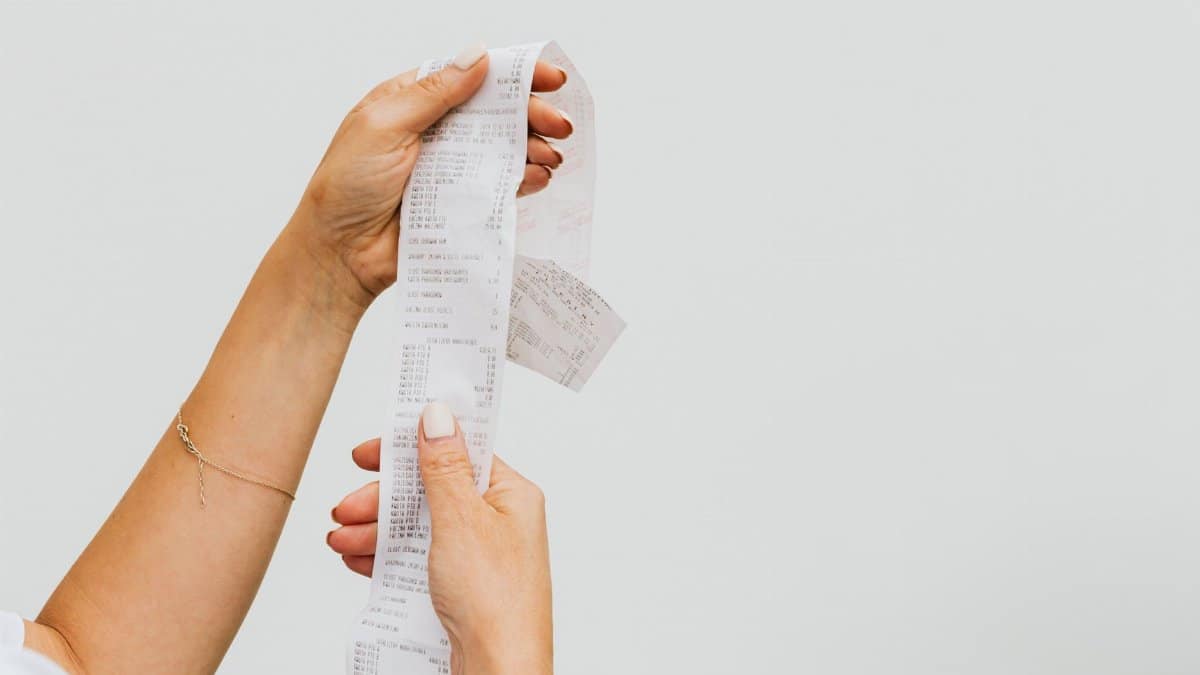
Political language likes clean lines. Household budgets rarely provide them. People can hear that growth is sturdy, that markets are calm, or that a factory announcement is coming to a county they know, and still feel poorer at the register. The distance between those two experiences is where many Pennsylvania conversations now live. Voters do not need a lecture on indexes to know whether the grocery total climbed. They compare this week with last month, this year with the year their children started school, this paycheck with the insurance bill that arrived on Friday.
That comparison is personal, which is why it is politically stubborn. A president can point to national figures and be factually careful while still missing the mood in a checkout line in Scranton or a diner in Erie. The Inquirer account of the newer survey suggests the mood on prices and costs has grown more sour, not less. Sour is not the same as settled. It does mean soothers in Washington should not assume that a good headline repairs a bad week at the store.
What the newer reading is really measuring
Any Trump economy Pennsylvania poll is less a verdict on textbook economics than a portrait of felt conditions. Respondents are asked, in one form or another, whether life costs more, whether work pays enough, and whether the person in the Oval Office bears responsibility. Those questions overlap. They are not identical. A voter can think inflation has cooled and still think the level of prices is too high. Cooling describes a rate. Level describes the bill. Campaigns that blur those ideas tend to talk past the people they hope to persuade.
Month to month movement matters because it captures direction. A single sour reading can be noise. A reading that is more negative than the one before it suggests the complaint is not fading on its own. Direction also warns against triumphalism. If views worsened over a short span, they can improve over the next span. The honest use of such a survey is to notice the turn, not to pretend the turn is destiny.
Prices remain the loudest complaint
Across recent years, prices have crowded out almost every other economic subject in voter interviews. Jobs matter. Wages matter. A closed plant still scars a town. Yet when canvassers ask what feels wrong, the answers often start with food, fuel, rent, and the copay. Pennsylvania has a wide mix of those pressures. Philadelphia renters and rural homeowners do not share the same bills. They do share the sense that ordinary purchases take more discipline than they used to.
That discipline shows up in small cuts that never make a presidential address. Fewer restaurant nights. A delayed car repair. A vacation shortened by a day. None of those choices is a crisis by itself. Together they create a story people tell themselves about whether the country is working for them. When a survey finds views of prices and costs more negative than a month earlier, it is often tracking that accumulated story, not a single shock.
Wages have not erased the sticker shock

Pay has risen in many sectors, and some households are clearly better off than they were in the worst months of rapid inflation. The political problem is that gains feel uneven and late. A raise that arrives after two years of higher bills does not feel like a gift. It feels like partial repair. Workers in health care, warehouses, schools, and small factories can all describe versions of that repair. Some have caught up. Some have not. Some caught up on paper and then watched insurance or childcare take the difference.
Presidents inherit economies and then try to claim them. Donald Trump has argued that his approach will deliver stronger growth and relief from costs that angered voters during the prior administration. Relief is a high bar. People do not grade an economy on the president they dislike. They grade it on whether the next cart of groceries feels lighter. Until that happens for a wider share of households, wage headlines will struggle to outshout the receipt.
Why this state still sets the national temperature
Pennsylvania is not a metaphor. It is a map of different economies sharing one set of electoral votes. The southeast holds universities, medicine, finance, and dense suburbs. The west still carries the memory of steel and the reality of health systems and energy work. The middle of the state mixes farms, small cities, and distribution hubs that keep goods moving. A shift in sentiment here is hard to dismiss as coastal mood or rural grievance alone.
That mix is why national strategists keep returning to the same counties. They want to know whether suburban parents who care about schools also care enough about prices to change a vote. They want to know whether union households that split in recent cycles are splitting again. A Trump economy Pennsylvania poll does not answer those questions with precision. It does tell the people who fund advertisements where the anxiety is concentrated, and anxiety concentrated in this state travels quickly into national coverage.
Independents carry much of the movement

Partisan voters often interpret the same economy through party loyalty. Supporters of the president look for proof that patience will be rewarded. Opponents look for proof that the promise failed. The voters who move a monthly reading are frequently the ones with weaker party ties. They are not writing ideological essays. They are updating a practical judgment.
Those voters are also the hardest to spin. A slogan about American strength does not lower a utility bill. A slogan about elite failure does not raise a wage. When views grow more negative in a short window, it is reasonable to ask whether independents heard something in their own finances that party messaging did not anticipate. Campaigns that answer that question with more messaging, rather than with a credible account of costs, usually learn the lesson again at the next survey.
Housing, insurance, and the bills that do not ease
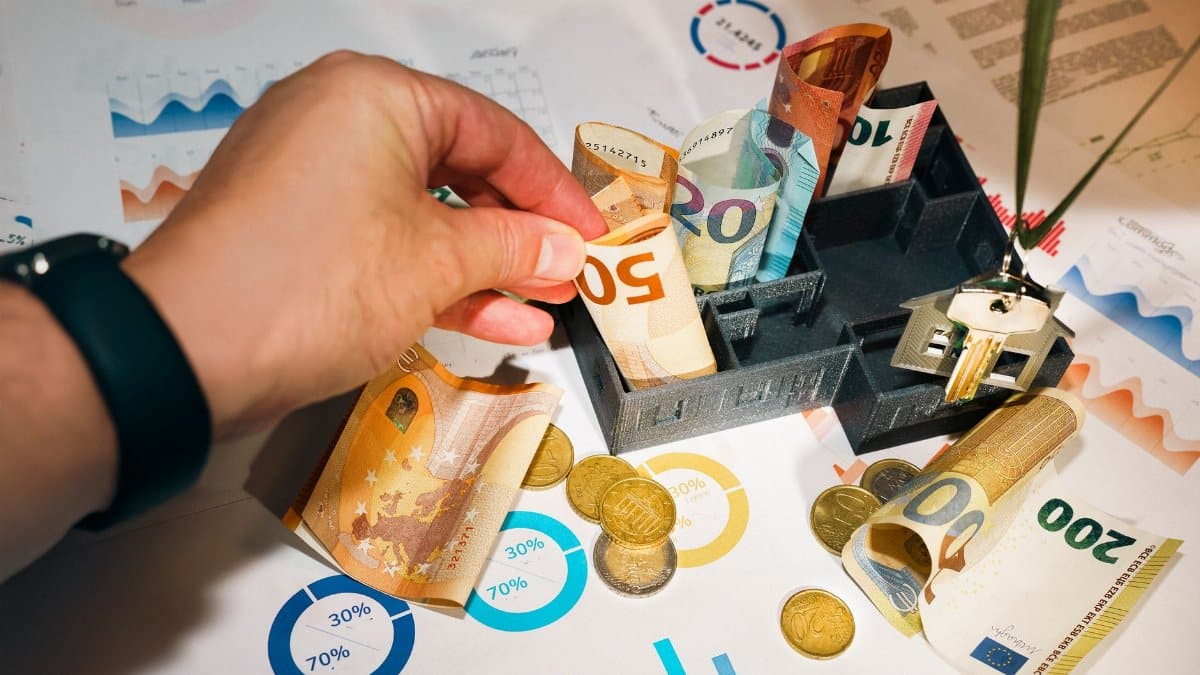
Food prices draw the cameras because everyone buys food. Other costs may weigh more on the monthly mood. Housing in the growing suburbs around Philadelphia remains expensive relative to local wages. Insurance for cars and homes has climbed in ways that feel arbitrary to people who have not filed a claim. Medical bills arrive with codes no one can translate. Childcare, where it is available, can rival a rent payment.
These are not problems a single quarter of growth dissolves. They are also not problems unique to one president. Voters still assign them. Assignment is the core of retrospective voting. If the person in office said the economy would feel better, and the insurance renewal does not feel better, the assignment sticks. The Inquirer finding of more negative views on prices and costs fits that pattern. It does not require voters to master fiscal policy. It requires them to open the mail.
What doorstep conversations actually sound like
People who knock on doors in Pennsylvania describe a tone that is weary more than furious. Many residents will talk about Trump. Fewer want a seminar. They want to know whether anyone in power has bought groceries lately. They mention adult children living at home, overtime that no longer covers the extras, and a suspicion that official optimism is written for someone else.
Weary voters are not automatically lost to the president, nor automatically gained by his critics. Weariness can become loyalty if conditions improve and the improvement is obvious. It can become rejection if the next month looks like the last month. That is the practical meaning of a survey that worsened rather than steadied. Organizers on both sides will treat it as a warning about message discipline. Residents will treat it as confirmation that their complaint was not imagined.
The president, the blame, and the credit
Economic credit is slow and blame is fast. That asymmetry has humbled presidents of both parties. Trump enters these arguments with a loyal base and a talent for framing bad news as someone else’s residue. Framing has limits when the same complaint shows up in successive polls. If a Trump economy Pennsylvania poll keeps finding harder views on costs, the residue argument starts to sound like an excuse. Voters who gave him another chance did so, in many cases, because they wanted prices to stop dominating family decisions.
Critics have their own temptation. It is easy to treat every negative reading as proof of failure and to ignore the parts of the economy that are holding up. Jobs are not a minor detail. A household with work is in a different position from a household without it. Serious coverage holds both facts at once. Prices can anger people who are employed. Employment can still be the thing that keeps anger from becoming despair.
A month is a turn, not a destiny
Monthly surveys jerk. A holiday, a storm, a spike in fuel, or a cluster of plant news can shove sentiment for a few weeks. Responsible readers look for persistence. Did the negative turn on prices show up in more than one question. Did it appear in more than one region of the state. Did later polls confirm it. The Inquirer comparison with the prior month is meaningful because it offers a baseline. It is not a full year of evidence.
Campaigns will still act as if it is urgent, because advertising calendars do not wait for perfect data. Urgency is not the same as certainty. The public would be better served if commentators said so plainly. A worse reading on costs is a real political fact. It is not yet a forecast of the next election, and anyone who sells it as one is using the poll as a prop.
How to read the next round of numbers
The useful questions are simple. Are views of prices still more negative, or did they stabilize. Do people who say costs are high also say their own job is secure. Are suburban voters and small city voters telling the same story. Is the shift concentrated among independents or spread across party lines. Those distinctions decide whether a campaign has a broad problem or a narrow one.
They also decide how journalists should write the story. A single dramatic adjective can travel farther than the table underneath it. Middle aged readers, who have watched several presidents claim the economy and then lose the argument at the kitchen table, tend to notice the overclaim. They have paid the bills long enough to know that politics and prices rhyme without being the same thing.
What households are really asking
Strip away the party brands and the question in Pennsylvania is plain. Can a family plan a month ahead without a surprise that wrecks the plan. That is not a spiritual riddle, though it touches the same desire for steadiness that people seek in harder seasons of life. Steadiness is practical. It is the ability to say yes to a school fee, a repair, or a visit to family without doing the math twice.
Presidents are judged on whether that steadiness spreads. Trump will be judged that way in this state whether he welcomes the judgment or not. Another Trump economy Pennsylvania poll will arrive, and another after that. If the negative turn on prices and costs fades, he will claim the fade as proof. If it deepens, his opponents will claim the depth as proof. Households will keep a simpler ledger. They will look at the receipt, remember what they were promised, and decide whether the promise matches the life they are actually living.