
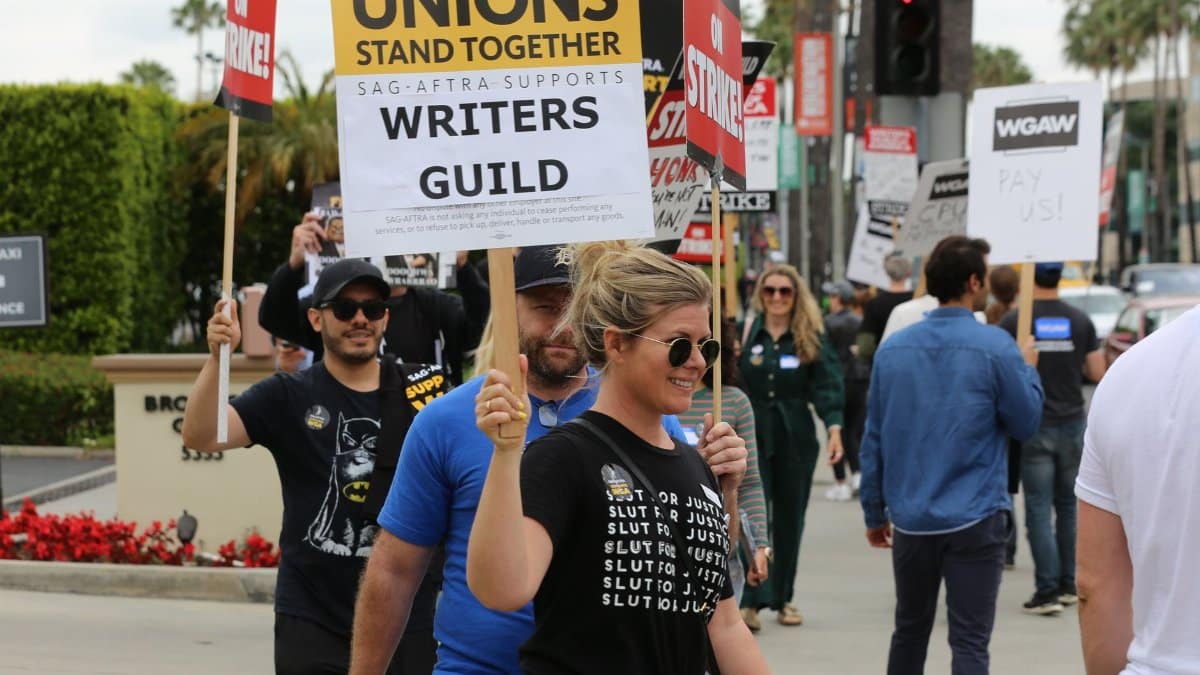
On a bright afternoon in San Francisco, a small crowd stood on the sidewalk outside a glass office tower and asked the people inside to leave their jobs. The SF AI protest OpenAI was not a product launch or a victory lap. Dozens of demonstrators called on staff at OpenAI and Anthropic to quit, and they pressed City Hall to treat advanced artificial intelligence as a civic emergency. Their signs spoke of extinction risk, public consent, and a restraint that sounded closer to a vigil than to the usual Bay Area cheer for the next release.
A sidewalk plea outside the companies
The scene was compact and deliberate. Protesters gathered where the work actually happens, not in a distant hearing room. They wanted engineers, researchers, and managers to hear a direct request: stop building systems whose makers cannot fully explain, control, or reverse. Asking someone to quit is a severe demand in a city where those jobs carry status, salary, and a sense of mission. The demonstrators treated that severity as the point. If the risk is as large as the banners claimed, ordinary advocacy was not enough.
Passersby saw a familiar San Francisco mix of handmade signs, quiet speeches, and cameras. What felt less familiar was the target. The protest did not mainly scold distant executives or unnamed algorithms. It addressed colleagues, neighbors, and people who ride the same trains. That proximity gave the afternoon its charge. A technical argument became a personal one.
Why the message named OpenAI and Anthropic
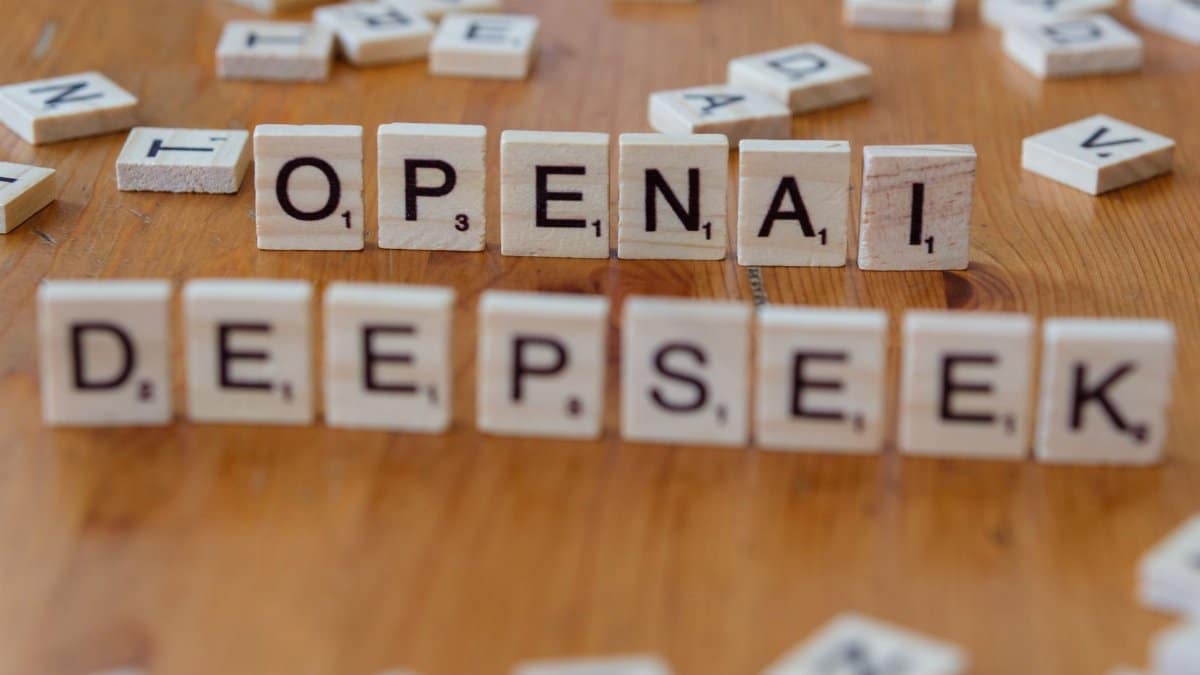
OpenAI and Anthropic sit near the center of the race to build more capable models. Both firms talk often about safety, alignment, and the duty to proceed with care. Protesters treated those promises as incomplete. In their view, a safety team inside a company that is still shipping ever more powerful systems cannot settle a question that belongs to the public. Naming both companies also refused an easy morality play in which one lab is the villain and another is the conscience of the industry. The ask was the same on both sidewalks: step away.
That framing will strike many readers as unfair. People inside these firms believe they are the adults in the room, the ones most likely to slow a reckless rival or to catch a dangerous failure before it spreads. The protest rejected that self portrait. It argued that good intentions inside a competitive market still produce acceleration, and that acceleration is the problem.
What quitting would mean in practice
A call to resign is easy to paint on cardboard and hard to live with. Staff who leave do not erase the models already trained, the capital already raised, or the rivals already recruiting. They may also forfeit the only seat from which they believe they can insist on caution. Supporters of the protest answer that remaining lends skill, legitimacy, and momentum to a project they consider too dangerous to continue in its current form. The disagreement is not only about risk. It is about whether influence is wiser from the inside or from the street.
For middle aged readers who have changed careers, refused a client, or left a firm over a matter of conscience, the dilemma is not abstract. Work is how many people feed families and understand their worth. A protest that asks for resignation is asking for a moral break with a paycheck. Whether that break is courageous or theatrical depends on how seriously one takes the underlying claim.
The push for an emergency at City Hall
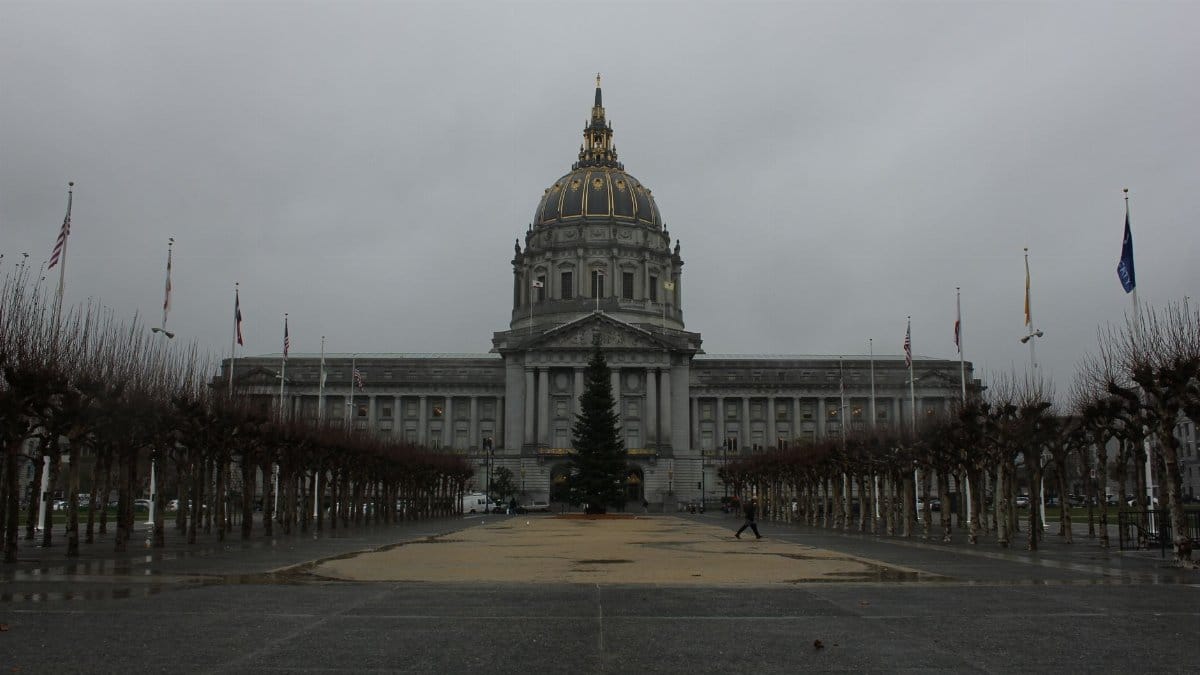
Alongside the company names, demonstrators urged San Francisco officials to declare an emergency. The phrase is usually reserved for fires, floods, and earthquakes, events with sirens and visible damage. Here it was applied to a technology that most residents encounter as a chat window or a workplace tool. An emergency declaration would not, by itself, halt research in private offices. It would signal that elected leaders consider the pace of artificial intelligence a matter of public safety rather than a matter for industry alone.
City government is a limited instrument for a global industry. Servers, investors, and talent can move. Still, San Francisco is not a random stage. It is where many of the labs sit, where the tax base feels the boom, and where housing, transit, and street life already bend around tech wealth. A local declaration would be symbolic, and symbols are part of how a city decides what it is willing to host.
Extinction language and the problem of scale

The sharpest word in the demonstration was extinction. It invites disbelief. Daily life continues. Offices fill. Models answer emails and draft memos. Against that ordinary backdrop, talk of human extinction can sound like prophecy untethered from evidence. Critics of the protest say the language crowds out nearer harms that are easier to document: biased decisions, fabricated media, concentrated power, job loss, and systems that fail quietly in hospitals, courts, and schools.
Protesters who use the larger word are trying to match the claim some technologists already make in public, that these systems may become more capable than any tool humanity has built. If that claim is even partly serious, they argue, society should not wait for a body count before it argues about consent. The trouble is proportion. A word that means the end of the species loses force if it is spent on every product cycle. Readers are left to decide whether the banners clarified the stakes or numbed the audience.
A moral register in a technical city
There is a spiritual current in this fight, even when no one names a faith. The SF AI protest OpenAI asked not only for regulation but for repentance of a kind: a turning away from work judged to be out of scale with human wisdom. That is an old religious motion set down in a secular downtown. It treats knowledge as a gift that can be misused, and speed as a temptation. It also treats individual vocation as morally charged. The question is not only what the model can do. It is what a person is willing to lend a life to.
San Francisco has hosted that argument before, in movements over war, nuclear weapons, and the environment. Those campaigns did not settle science by marching. They changed what respectable people were willing to say out loud. A sidewalk outside a lab can do similar work. It can make a private career choice feel public.
How companies answer fear without stopping

The industry response, stated often in interviews and safety papers, is that responsible builders should stay in the arena. Firms publish principles, hire ethicists, test for dangerous uses, and promise to share some findings with governments. Those steps matter. They are also compatible with a race. A lab can warn about catastrophe on Tuesday and announce a more powerful model on Thursday. To protesters, that pattern is not caution. It is a ritual that blesses acceleration.
Readers need not accept either sermon whole. Safety work inside companies has caught real failures. Public pressure has also forced disclosures that voluntary culture would have skipped. The stalemate is over authority. Who decides when a capability is too much, and who has the power to make that decision stick when money and national rivalry point the other way?
What a city can honestly claim
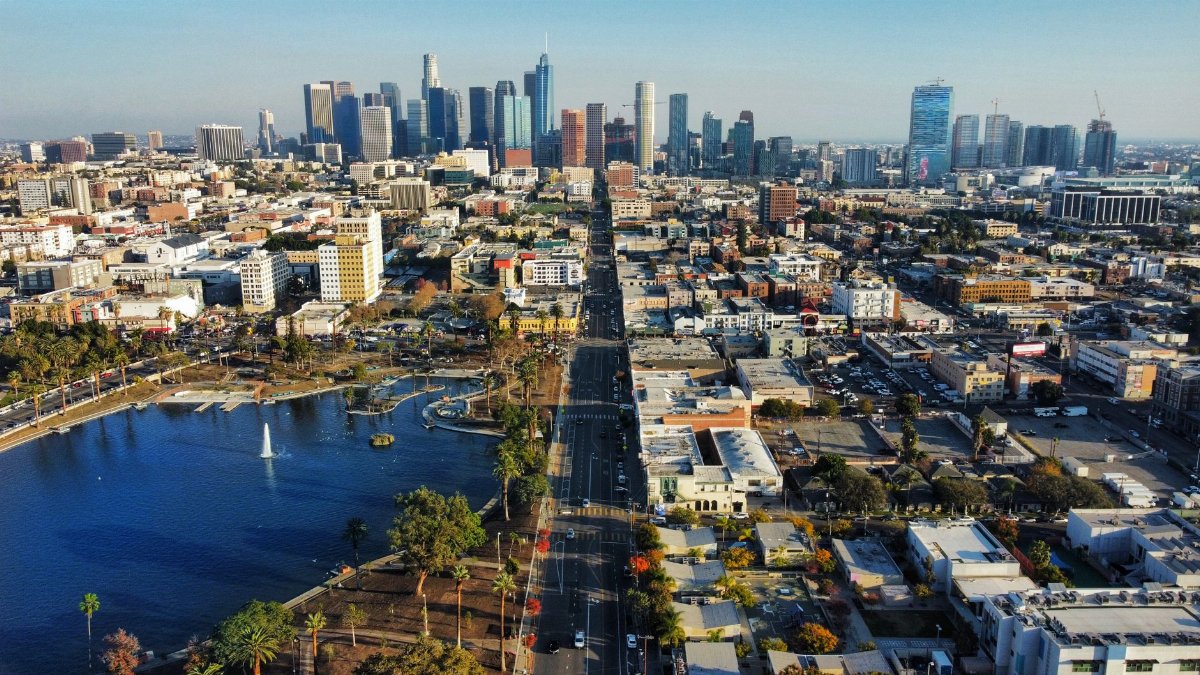
San Francisco cannot govern the planet from the steps of City Hall. It can ask hard questions of the employers it celebrates. It can hold hearings, demand transparency from firms that want local goodwill, and refuse to treat every new office as an unqualified civic good. It can also protect workers who raise internal alarms, a quieter form of dissent than a resignation but often more informed. An emergency label that lacks follow through would be theater. A modest set of public questions, asked in daylight, would be harder to dismiss.
The demonstrators wanted more than questions. They wanted a pause with teeth. Honesty requires saying that a city ordinance is a thin reed against venture capital and federal strategy. Honesty also requires saying that thin reeds sometimes mark the place where a thicker debate begins.
The workers caught between banner and badge

Lost in the slogans are the people whose names are not on the building. Some joined these labs to cure disease, translate speech, or reduce drudgery. Some are immigrants who finally found a stable professional home. Some share the protesters fear and stay because they think leaving would hand the work to someone less careful. A protest that addresses them as a mass of complicit builders will not persuade the ones who see themselves as a brake. A protest that ignores them will not touch the only group that can slow a release from the inside.
The SF AI protest OpenAI made the personal appeal anyway. That choice reveals a theory of change: culture shifts when enough skilled people decline the work. History offers mixed evidence. Arms engineers, tobacco scientists, and fossil fuel geologists did not exit in a single afternoon. Some did leave, and their departures mattered at the margins. Margins are not nothing.
Near harms that should not wait on apocalypse

Even readers who reject extinction talk can find a usable warning in the demonstration. Powerful tools are already reshaping news, education, hiring, and companionship. They can counterfeit a voice, flood a public square, or give a confident wrong answer to someone who trusts the screen. Those injuries do not require a future superintelligence. They require attention now, from schools, newsrooms, hospitals, and households. If the protest widens the circle of people willing to ask what these systems are for, it has done civic work beyond its most dramatic sentence.
Spiritual traditions have a name for this narrower task. It is stewardship: care for what has been placed in human hands, without pretending those hands are wiser than they are. Stewardship is less cinematic than a prophecy of the end. It may be the stance a broad public can actually practice.
A public that has not consented
Consent was the quiet theme under the louder words. No electorate voted to stake so much of economic and intellectual life on a handful of private labs. Users click through terms they do not read. Workers adopt tools their managers require. Cities absorb the tax revenue and the disruption together. The demonstrators insisted that adoption is not the same as permission. That distinction will not halt a product already in millions of hands. It can still shape the next fight over disclosure, liability, and whether certain uses belong outside commercial control.
Journalists have a part in that distinction. Breathless coverage that treats every demo as destiny leaves little room for refusal. Skeptical coverage that treats every warning as panic leaves little room for precaution. The fairer story is slower. It asks who benefits, who bears the failure, and who was never asked.
What to watch after the crowd goes home
When the signs come down, the test is institutional. Do any employees leave, and do they say why in public? Do supervisors treat the protest as a security nuisance or as a question worth answering in plain language? Does City Hall file the emergency request away, or does it convert the mood into hearings with records the public can read? And do rival labs, watching one another, treat civic anger as a reason to slow or as a reason to sprint while attention fades?
The SF AI protest OpenAI will not decide those outcomes. It recorded a dissent at the door of the firms most associated with the boom. In a city that often confuses momentum with wisdom, that record has value. Readers far from the sidewalk can borrow the useful part of the demand without borrowing every conclusion: do not outsource judgment to the people who profit from speed. Ask what the work is for. Ask who would be harmed if the optimistic story is wrong. Those questions are not a resignation letter. They are the beginning of an adult public conversation, which is what the afternoon on the pavement was trying, imperfectly, to force.