
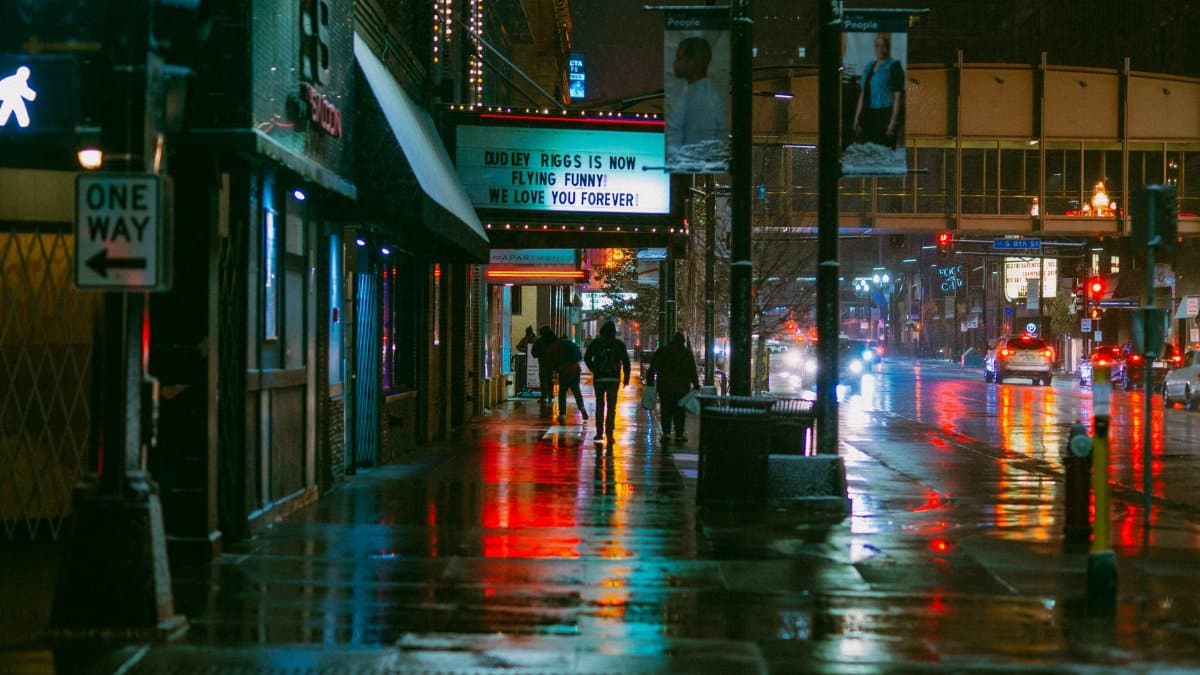
The drums were already staged along the shoulder when the sky opened and kept opening. Crews who had planned to take the eastbound lanes through downtown Minneapolis off the map for a weekend instead watched water bead on fresh markings and gather in the low joints of the pavement. By the time the new notice circulated, the Minneapolis I-94 closure delay was no longer a rumor passed between dispatchers. It was the plan. A shutdown that had been set for late September would wait until the weekend of October 9 to 12, a shift that sounds small on a calendar and large if you are the person who has to cross the city when one of its main elevated roads goes dark.
Rain, not reluctance, moved the weekend
State transportation officials do not treat a full weekend closure as a casual tool. Closing eastbound Interstate 94 through the downtown core means accepting a tangle on parallel streets, a heavier load on ramps, and a long list of people who will be late. Agencies reach for that tool when the work cannot be done in the thin overnight hours: paving that needs a cure, bridge joints that need a dry deck, striping that will not hold if tires smear it while it is still soft. Rain postpones that kind of work for a plain reason. Water gets into the seam the crew is trying to seal. It lifts tack coat. It turns a lane that should reopen at dawn into a lane that stays rough, or worse, into a repair that has to be torn out and done again.
From late September to a second weekend in October

The revised window, the weekend of October 9 to 12, keeps the same basic shape. Eastbound traffic through downtown Minneapolis would be shut down so crews can work in daylight and through the night without weaving around live lanes. What changes is the season around that window. Late September still feels like construction season in Minnesota, warm enough that asphalt holds its temperature and evenings stay long. Early October can cooperate. It can also deliver a cold front, a Saturday of steady rain, or a Sunday morning glaze that makes line paint a gamble. Moving the date buys a drier forecast. It does not buy a guarantee. Anyone who has watched a Minnesota October knows the difference.
What the eastbound closure is meant to finish
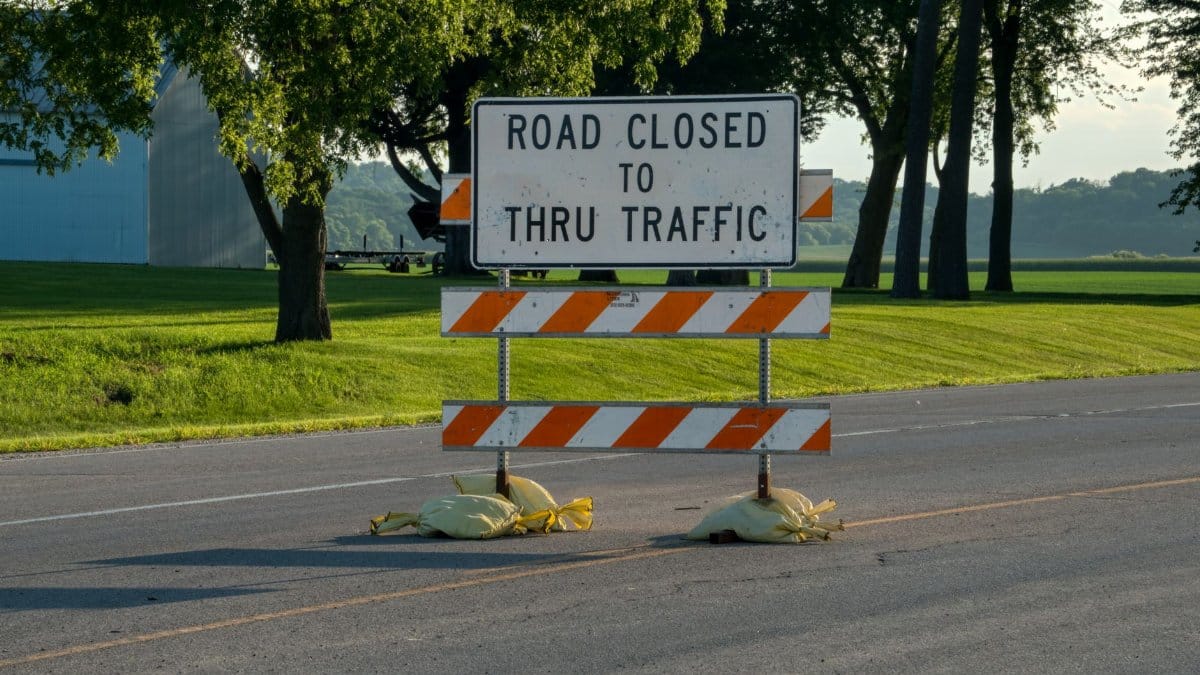
Downtown Interstate 94 is not a lonely rural stretch where a crew can close a lane and disappear into the corn. It is a stacked, curved, heavily used piece of road, tied to ramps, frontage streets, and the habits of a metro area that treats the freeway as a given. When the state schedules a weekend shutdown, the work is usually the kind that fails if it is interrupted: a deck pour, a joint replacement, a grind and overlay that has to meet a clean edge before traffic returns. The public rarely sees the sequence. People see the date, then the delay, then the new date. The Minneapolis I-94 closure delay sits in that gap, between a promise to get the work done and a refusal to do it badly just to keep the original weekend.
The streets that inherit the traffic
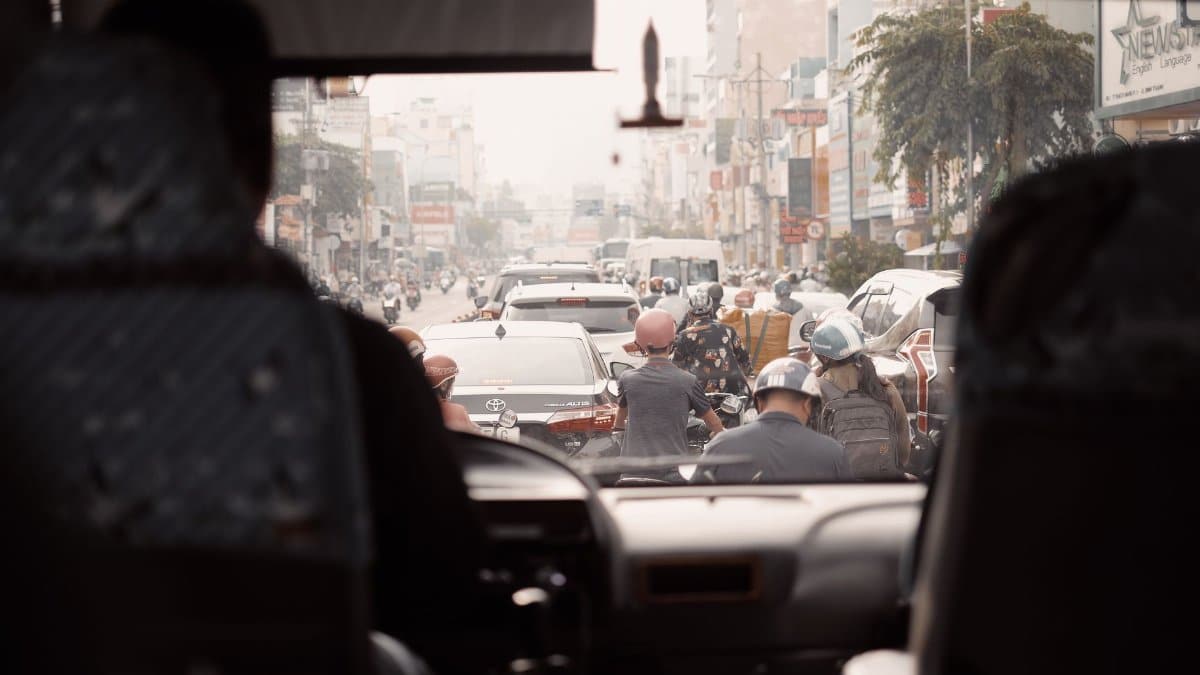
When the freeway goes quiet, the city does not. Drivers look for Washington Avenue, for University, for the grid north and south of the trench, for the river crossings that suddenly feel narrower. Transit riders feel it when buses leave the schedule. Freight drivers feel it when a delivery window that assumed a straight shot through downtown becomes a crawl past signals. The delay itself is a mercy for anyone who had not yet built a life around the first weekend. It is also a second notice. Neighborhoods that brace for detour traffic get to brace again. Restaurants that staffed for a Saturday of stranded customers, or cut hours because regulars would stay home, have to read the calendar twice.
Crews, forecasts, and the cost of a false start

There is a payroll logic underneath a weather call that commuters never see. Mobilizing a weekend closure means barricades, message boards, state patrol details, concrete crews or paving crews on overtime, and inspectors who have to sign off before lanes reopen. If rain arrives after that machine is in motion, the public pays twice: once in disruption, and again when the work has to be repeated. Holding the closure until October is a bet that the second mobilization will be the one that counts. It is not free. Contractors reshuffle other jobs. A bridge crew promised to one county for the first weekend may not be idle and waiting. The delay protects quality. It also ripples through a construction season that is already short this far north.
How a metro area absorbs one more notice
Minneapolis has spent years living beside orange barrels. Drivers have learned the particular fatigue of a road that is always almost finished. A postponement can sound, at first, like more of that fatigue. It is worth separating the two. A delay announced before the cones go across the lanes is different from a closure that starts and then sprawls into Monday morning because the work ran long. The first kind gives people time. The second kind strands them. In that sense the Minneapolis I-94 closure delay is the better version of bad news. The eastbound shutdown is still coming. It is not coming on the weekend people may already have circled and then half forgotten.
What officials can say, and what they cannot
Transportation departments are good at dates and detour maps. They are less good at the human arithmetic of a slipped weekend: the youth hockey tournament, the flight out of the airport before dawn, the hospital shift change that depends on a reliable eastbound run. No agency can redraw those lives. What it can do is say the reason plainly. Rain. A surface that will not accept the work. A choice to wait rather than pave into a storm and hand drivers a rougher road for years. Reporting on the change has treated the shift from late September to October 9 to 12 as a weather decision, not a retreat from the project. That distinction matters. The work is postponed. It is not canceled.
Neighbors who keep a second calendar

People who live within a few blocks of the freeway learn a private meteorology. They know which wind carries the sound of tires into a bedroom, and which rain turns the frontage road into a mirror. For them a closure weekend is not only a traffic story. It is a change in noise, in the smell of diesel from idling trucks on the detour, in whether the corner store sees its usual Sunday rush. A delay extends the ordinary noise for another couple of weeks and then concentrates the unusual quiet, and the unusual jam, on a later weekend. The city asks for tolerance, then asks again, and the people nearest the concrete are the ones who answer most often.
Buses, shift work, and the errand that cannot slide
Not every trip can move to another Saturday. A nurse who starts at 6 in the morning does not get to wait for the lanes to reopen. A bakery delivery that has to reach a hotel before brunch does not get a rain date of its own. These are the trips that turn a highway notice into something sharper than inconvenience. The fair response from the rest of us is not a lecture about leaving earlier, though leaving earlier will be the only tool many drivers have. It is to recognize that a closure concentrated on a weekend still spills into people whose weekend is a workday. When the Minneapolis I-94 closure delay pushed the shutdown into October, it also pushed that burden onto a different set of shifts, games, and flights. Someone will be grateful. Someone else will be newly stuck.
The October window still has to hold

A postponed closure is only as good as the weekend that replaces it. If October 9 to 12 arrives wet, the same logic that moved the work once could move it again, or squeeze it into nights that produce a lesser repair. Drivers should treat the new dates as firm until the agency says otherwise, and also as subject to weather in a month that does not owe anyone a dry Saturday. Check the message boards. Check the morning before you commit to a plan to cross town that has no slack. The point of waiting was to do the work once, in conditions that let it last. That point survives only if the second weekend cooperates.
A weekend that belongs to the city again, briefly

There is a small, unsentimental relief in a freeway that stays open when you expected it to close. The ramps work. The habitual route works. Downtown looks like itself. That relief is temporary. The eastbound shutdown is still on the books, moved rather than erased, and the Minneapolis I-94 closure delay will be forgotten the hour the barricades finally swing across the lanes. What should not be forgotten is the reason for the wait. Rain made a bad time to seal a road that thousands of people will trust with their mornings. Waiting is not drama. It is maintenance of a public thing, done on a clock the sky still gets to set.