
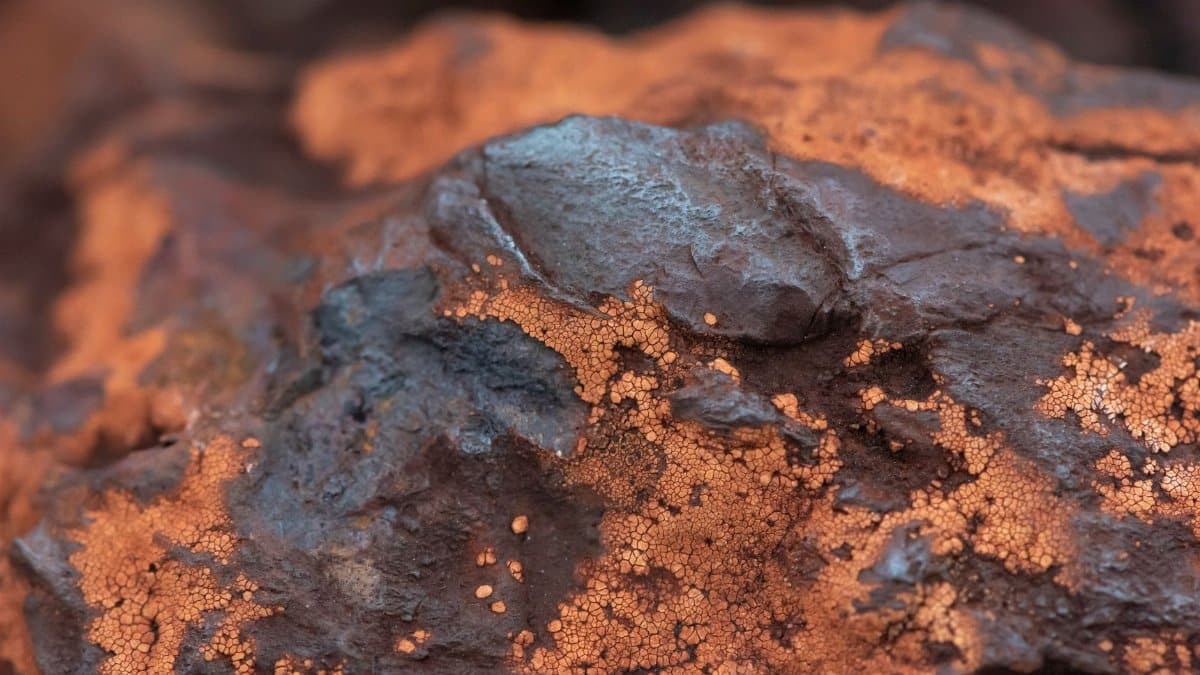
On a morning when the White House usually deals in tariffs and talking points, the subject was taconite. President Trump stood with executives from Mesabi Metallics and Essar to celebrate iron ore pellets from northern Minnesota meant to feed a vast new steel plant in Iowa. Coverage of that gathering kept returning to one compressed idea, the Nashwauk Iowa steel mill, a shorthand that ties a small Iron Range town to a factory hundreds of miles south. The promise, as the Star Tribune has reported, is both plain and enormous: ore from Nashwauk, pellets shipped onward, and steel made in Iowa at a scale the backers place near 15 billion dollars.
Two places, one industrial bet
Nashwauk is not in Iowa. It sits on the Mesabi Range, in a landscape of open pits, tailings basins, and towns that have lived and suffered by the price of iron for more than a century. The mill, if it is built as described, would stand in another state, closer to Midwestern manufacturers, highways, and customers who still need plate, coil, and structural steel. The connection is logistical rather than geographic. Pellets produced in Minnesota would become feedstock for furnaces in Iowa. Treating the two sites as one project is a political habit. Treating them as a supply relationship is the industrial fact.
That distinction matters for anyone trying to judge the announcement. A photograph in Washington can make a mine and a mill look like a single finished thing. They are not. One must be permitted, financed, built, and operated in Minnesota. The other must clear its own capital markets, customers, utilities, and local politics in Iowa. Either can slip without the other failing on the same day, and either can succeed while the promised link between them proves thinner than the speeches suggest.
What the White House was selling
The White House event was less a groundbreaking than a blessing. Trump joined Mesabi Metallics and Essar to tout pellets for the Iowa plant, a scene designed to signal that Washington wants domestic steel and is willing to stand beside the companies that claim they can deliver it. For the Range, presidential attention is not nothing. Projects of this size live or die on confidence, and confidence is partly a public performance.
Still, a podium does not pour concrete. The useful question is what, exactly, was committed. Were there new purchase contracts, a dated construction schedule, disclosed financing, or only a shared intention to move ore from one state to another? The Star Tribune account frames the mine as the power source, in a commercial sense, for the Iowa mill. Readers should keep that verb in view. Powering a mill means a reliable flow of pellets at a known quality and price, year after year, not a single ceremonial shipment.
Pellets and the unromantic middle of steel
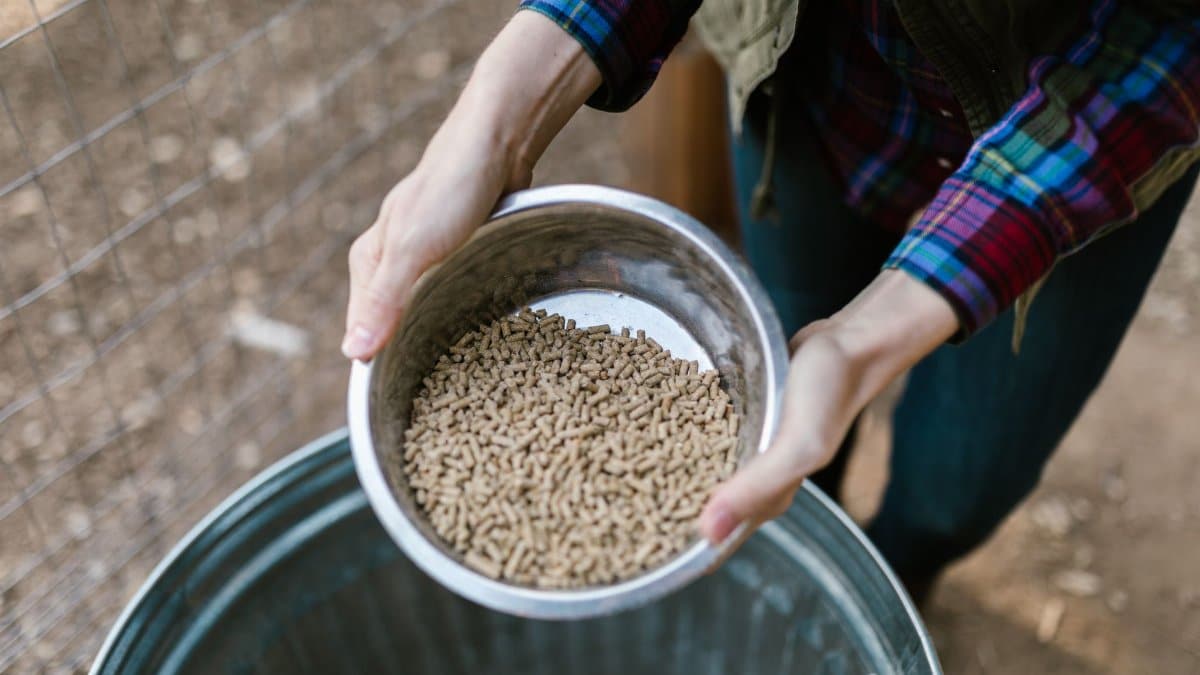
Iron ore from the Range is not shipped as raw rock to a romantic furnace. It is crushed, concentrated, and rolled into pellets that blast furnaces and newer ironmaking routes can use. Pellet quality, silica, and consistency decide whether a mill wants the product. That is the unglamorous center of this story, and it is where many Range projects have either earned their keep or lost it.
A mill billed at 15 billion dollars will not accept whatever a mine happens to produce. It will specify chemistry, volume, and delivery. If Nashwauk can meet those specifications at a cost that beats imported pellets or scrap based routes, the commercial logic holds. If it cannot, the White House backdrop will not rescue the spreadsheet. Steel is a commodity business with a long memory for cost overruns.
A site with a difficult past
Anyone who has followed the Nashwauk property knows it did not arrive at this moment cleanly. The Essar effort there stalled amid bankruptcy, disputes with the state, and years in which promised jobs remained promises. Mesabi Metallics later became the vehicle for reviving the site. That history is not a footnote. It is the reason skepticism on the Range is a form of local knowledge rather than mere cynicism.
Revival is possible. Mines get finished after false starts, and new owners sometimes bring capital the old ones lacked. But a project that has already consumed political patience owes the public a plainer accounting than a fresh logo and a presidential visit. When promoters again link that ground to the Nashwauk Iowa steel mill, they are asking communities to extend credit once more. Credit, in this case, means time, permits, infrastructure, and the willingness to believe that this iteration is different.
Why Iowa is the other half of the sentence

Iowa does not have an Iron Range. What it has is farmland, rail, a central location, and a political culture that welcomes large industrial recruits when they come with construction payrolls. A steel mill of the size described would be among the largest private industrial bets the state has seen. It would also be a heavy user of power, water, and transportation capacity, and a permanent neighbor to whatever county ultimately hosts it.
The appeal for Iowa manufacturers is straightforward. Domestic plate and coil, made closer to home, can shorten the supply chain and offer a hedge when imports are tangled in tariffs or shipping shocks. The risk is equally straightforward. Steel demand moves with construction, autos, and energy projects. A mill sized for a boom can look oversized in a lull. Iowa would inherit that cycle even if every pellet came from Minnesota on schedule.
Towns that measure projects in decades
On the Range, employment is never an abstract multiplier. It is a grocery store that stays open, a school that keeps a teacher, a house that finds a buyer. Nashwauk and neighboring towns have heard large numbers before. Some of those numbers became paychecks. Many did not. The responsible way to talk about jobs is to separate construction work, which is real and temporary, from operating jobs, which are fewer and longer lasting, and to say who has actually signed to hire.
Iowa towns, if a site is chosen and built, will face a different version of the same test. A mill can lift wages and fill apartments. It can also strain housing, roads, and emergency services before the tax base catches up. Neither state is helped by treating the announcement as a finished economic impact study. The honest early story is potential, not a headcount.
Land, water, and the cost of saying yes

Taconite mining rearranges land. Pellet plants use energy and water. Steel mills do the same at another order of magnitude, with their own emissions, slag, and rail traffic. None of that is an argument for freezing the Range in a postcard, or for pretending Iowa has no right to heavy industry. It is an argument for reading permits with the same attention given to the White House guest list.
Minnesota has spent years arguing over how mining should coexist with lakes, wild rice waters, and communities downstream. Those arguments do not vanish because a customer in Iowa is prestigious. Federal enthusiasm can speed reviews. It cannot repeal hydrology. Residents are entitled to ask what basins will hold, what streams will carry, and who pays if the optimistic case is wrong. Those questions are part of the project, not an obstacle parked outside it.
Capital is the quiet partner

Fifteen billion dollars is not a rounded slogan. It is a claim about other people’s money: equity, debt, possible public incentives, and the patience of lenders who have watched steel cycles turn. Essar is a global name with a complicated American record. Mesabi Metallics is the local corporate face of a site that has already been through court. Together they may have the backing this time. Outsiders cannot know that from a photograph.
What can be known is the sequence that serious projects follow. Engineering reaches a point where costs stop moving every month. Offtake agreements specify volume and price formulas. Lenders hire their own advisers. Construction contracts carry dates and penalties. Until those pieces are public, or at least visible to the communities being asked to plan around them, the Nashwauk Iowa steel mill remains a linked ambition rather than a linked plant. Ambition is allowed. It should not be mistaken for steel already made.
Politics on the Range and beyond

The Iron Range has shifted politically, and presidential visits now carry a partisan charge that older ore announcements sometimes lacked. Trump’s appearance tells one constituency that domestic mining and domestic steel are priorities. It tells another to look hard at labor standards, environmental review, and whether public praise is a substitute for public terms. Both reactions can be true at once.
Minnesota and Iowa politicians of either party will be tempted to claim the project or to weaponize it. The more useful stance is narrower. Support the parts that are real, funded, and lawfully permitted. Decline to treat a joint appearance as a substitute for those parts. Steelmaking has always been political in America, from tariffs to wartime plants. The politics do not excuse fuzzy numbers.
What a careful reader should watch

The next chapters will not be written in the East Room. They will show up in permit dockets, construction bids, rail agreements, and quarterly disclosures if any of the companies are in a position to publish them. Watch whether pellet specifications are matched to a named mill technology. Watch whether Iowa officials describe a site, a power deal, and a timeline with the same confidence the companies used in Washington. Watch whether Minnesota’s state agreements with the Nashwauk operators are updated in public, not only celebrated.
I have sat through enough economic announcements to know the picture travels farther than the footnote. That is not a reason to dismiss this one. A working mine at Nashwauk supplying a working mill in Iowa would be a genuine industrial event, with paychecks attached. It would also bind two states to the price of steel and to each other’s follow through. The Star Tribune’s reporting is the right place to start, not the place to stop, for anyone who wants the difference between a touted pellet and a mill that actually runs.