
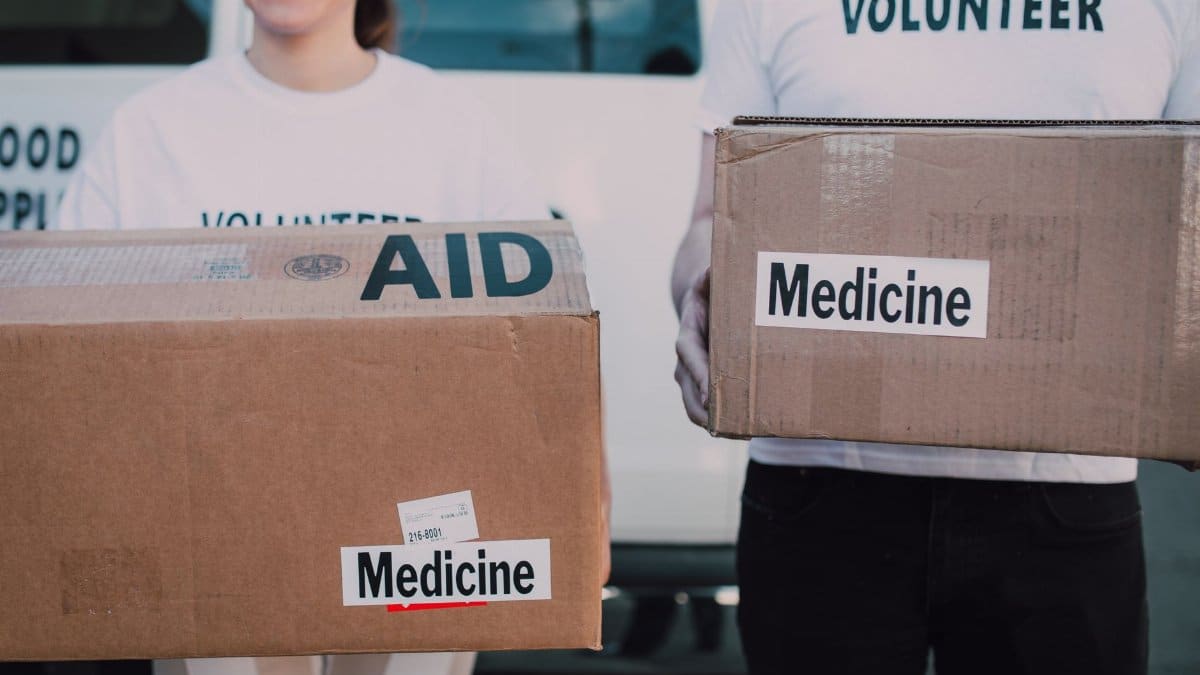
In the vibrant communities around Philadelphia Venezuelan Americans have come together to send essential supplies to regions hit by powerful earthquakes. Rescue tools and medical supplies are being collected and shipped as part of a broader initiative known for its focus on Venezuelan aid Philly. Families who left economic hardship behind years ago now find ways to give back when their former homeland faces natural calamities. The donations include hydraulic jacks for extracting people from rubble along with antibiotics and bandages for treating injuries. Local churches and community centers serve as collection points turning everyday spaces into hubs of international solidarity. This response reflects deep cultural bonds that endure across borders and generations.
Community Networks Mobilize Resources
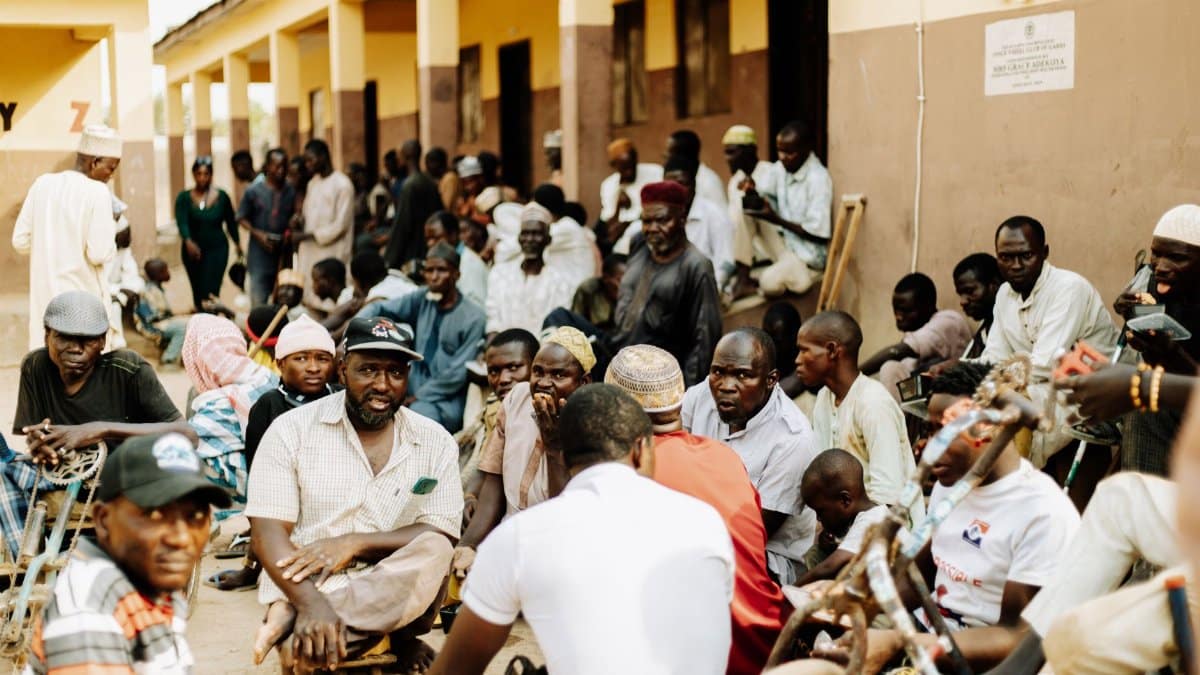
Residents in areas like South Philadelphia and Upper Darby have formed tight groups to gather items quickly after news of the disasters spread. Volunteers sort through boxes of equipment ensuring each item meets safety standards before packing. These networks draw on experiences from past relief efforts creating efficient systems for transport and tracking. Many participants recall their own arrivals in the United States and see the current drive as a way to honor those roots while building new connections.
Churches Serve as Central Hubs
Several parishes with large Venezuelan congregations have opened their doors for weekly drives. Priests and lay leaders speak about the moral call to assist those in distress emphasizing themes of compassion found in shared faith traditions. Donations pile up in basements where teams label packages for shipment through established international partners. This spiritual dimension adds layers of meaning turning practical aid into acts of communal prayer and reflection.
Medical Supplies Address Urgent Needs
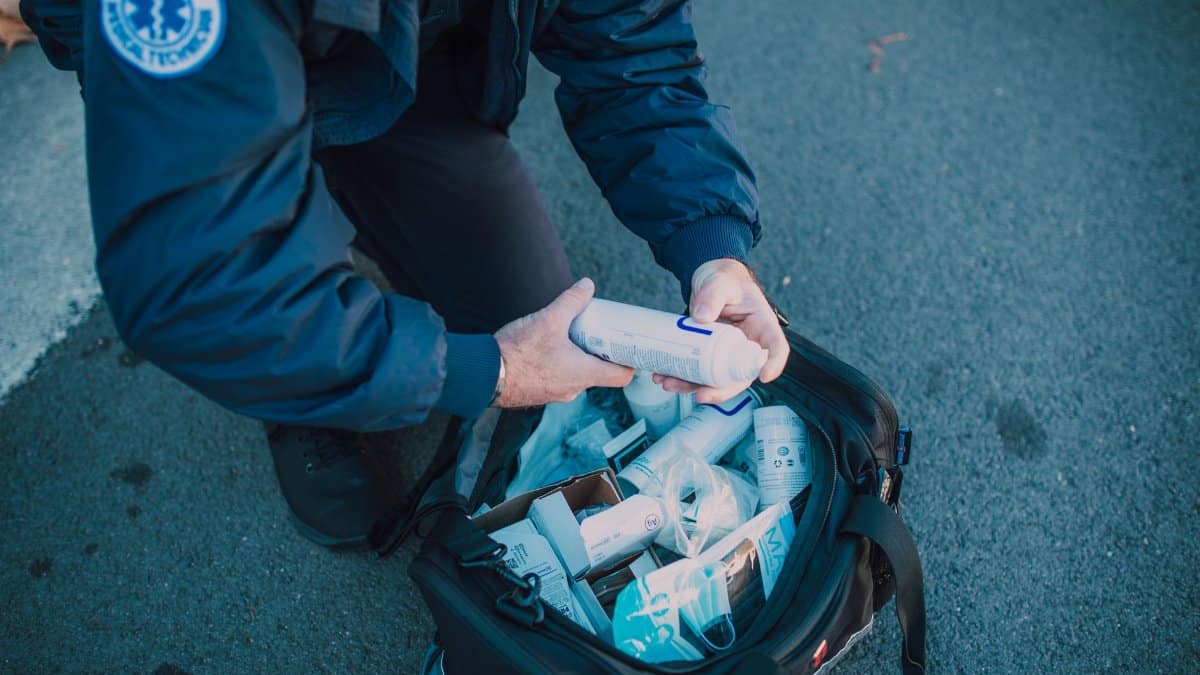
Pharmacies and clinics in the region have contributed surplus stock including pain relievers and wound care materials. Doctors of Venezuelan descent offer advice on what proves most useful in field conditions based on their training and knowledge of regional health challenges. The focus remains on items that travel well and reach affected zones before expiration dates pass. Coordination with overseas contacts helps match supplies to specific hospital requests.
Rescue Equipment Proves Critical
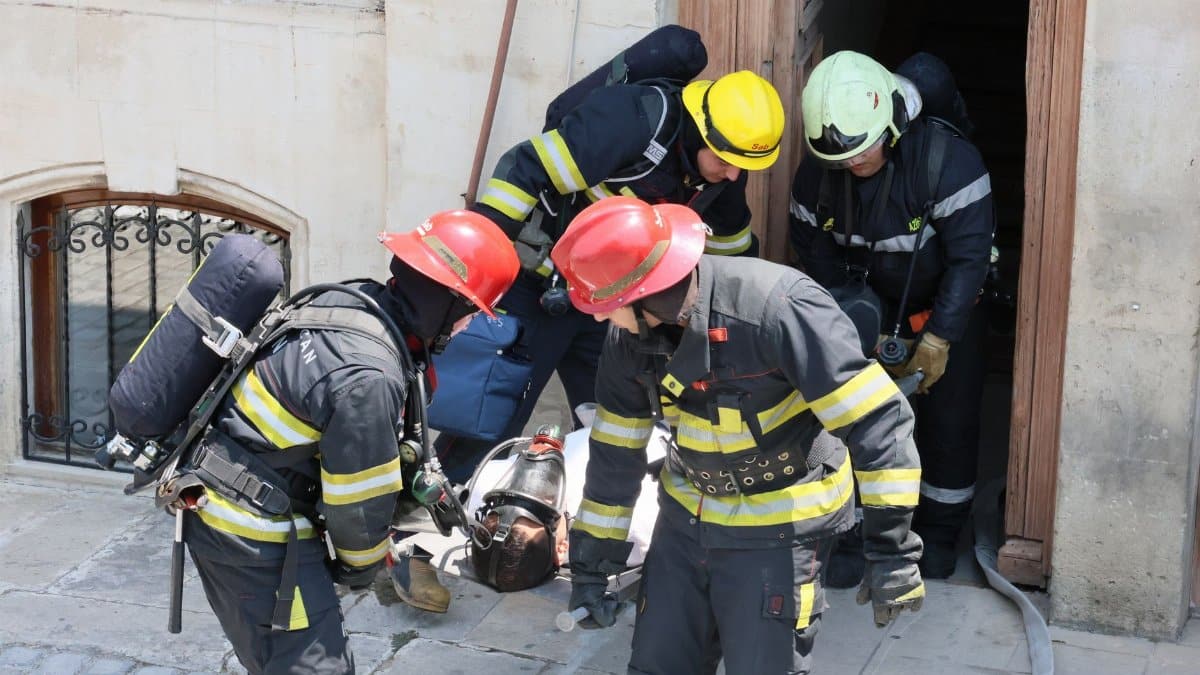
Hydraulic tools and protective gear form a significant portion of what gets sent. Local hardware stores donate or discount items after hearing stories from the field. Training sessions teach volunteers how to handle and package these tools safely for long journeys. Stories emerge of lives saved because of timely arrivals of such equipment underscoring the direct impact of local generosity.
Youth Groups Join the Effort
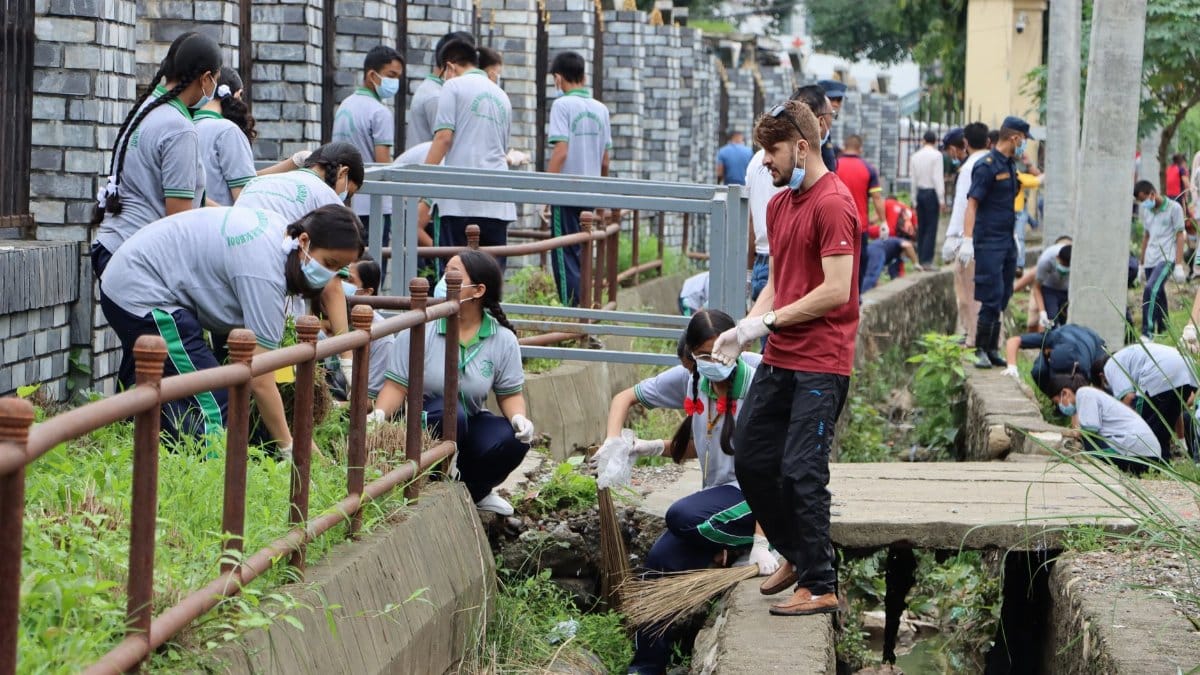
Younger members of the community organize social media campaigns to raise awareness and collect small donations. They host bake sales and cultural events blending traditional Venezuelan music with appeals for support. This involvement passes down values of service to the next generation while introducing new ideas for outreach. Participation strengthens family ties across age groups.
Challenges in Logistics Emerge
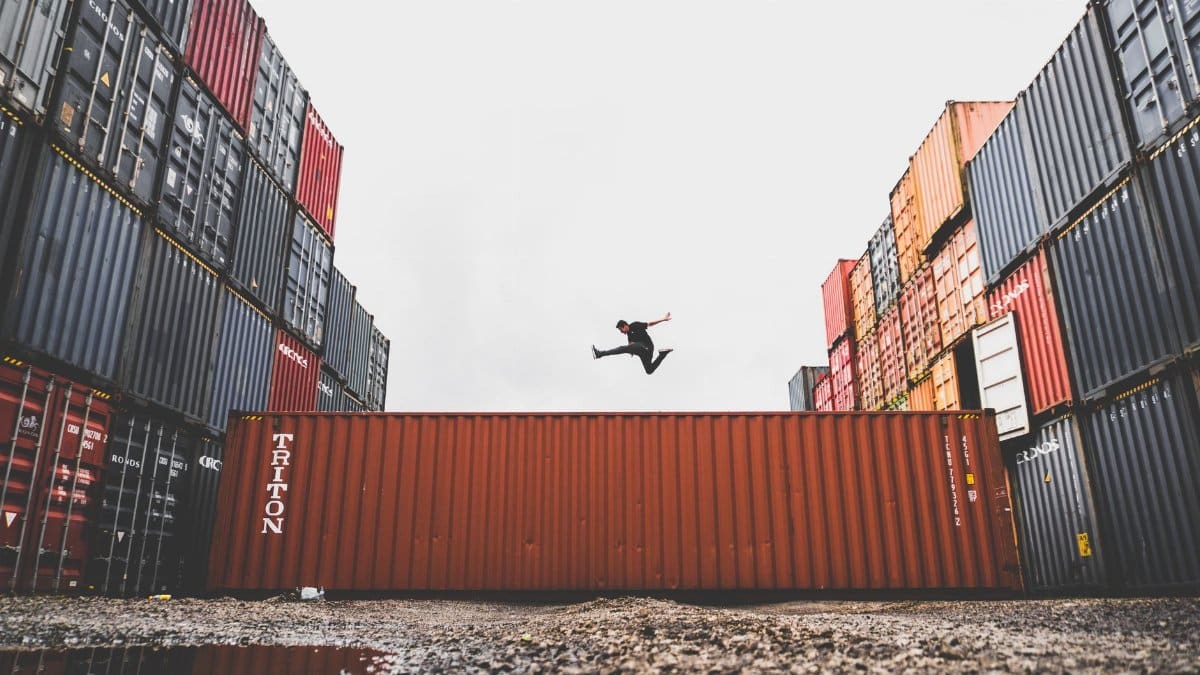
Shipping routes face occasional delays due to port congestion and regulatory checks. Organizers work with freight companies to find reliable paths that keep costs low. Temperature sensitive medicines require special handling to maintain effectiveness during transit. Despite these hurdles the steady flow of packages continues thanks to persistent planning.
Stories of Personal Connection Surface

One family in Northeast Philadelphia traces its donations to relatives still living near an epicenter. Letters and photos exchanged reveal how the supplies arrive and get distributed. Such accounts humanize the process showing real faces behind the statistics of aid delivered. They also inspire others to contribute in whatever ways they can.
Broader Impact on Local Ties
The initiative has strengthened bonds among different immigrant groups in the city who share similar histories of displacement. Joint events celebrate both Venezuelan heritage and American opportunities for giving. Observers note increased civic engagement as participants learn more about international aid structures. This ripple effect extends beyond the immediate crisis.
Future Plans Take Shape

Leaders discuss expanding the model to include ongoing support like rebuilding kits once the acute phase ends. Partnerships with universities explore ways to track long term outcomes of the donations. The experience builds a template that other diaspora communities might adapt for their own homelands in need. Reflection on what worked guides these next steps.