
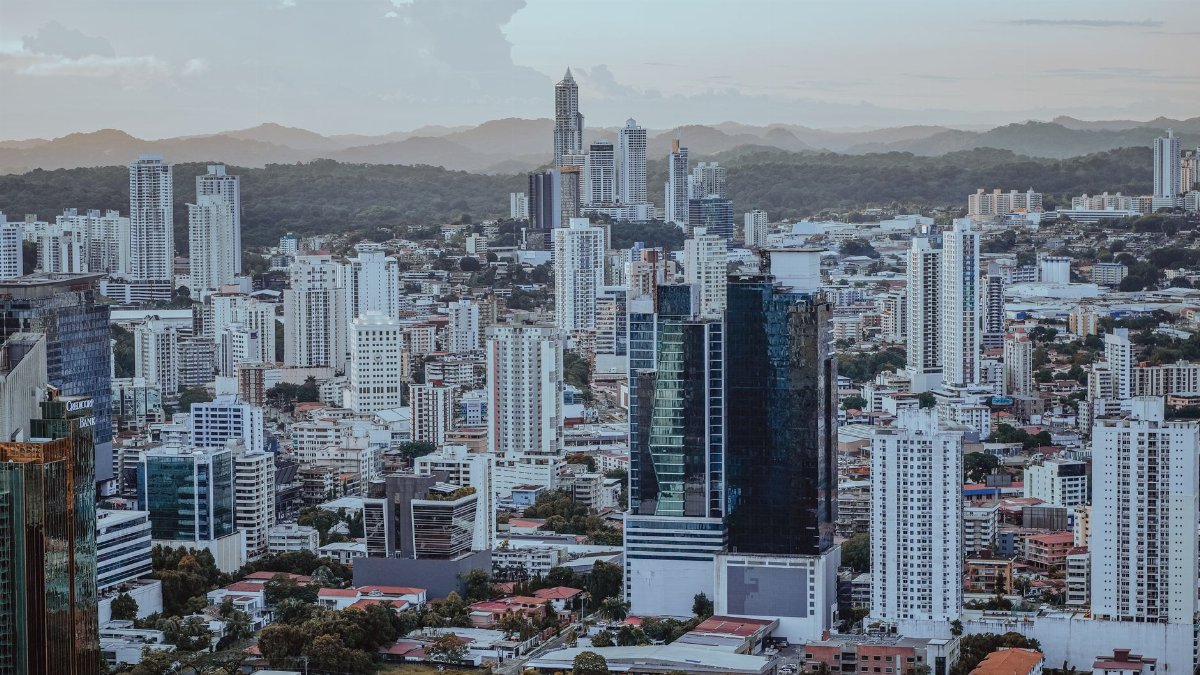
In the gray hours before dawn, people along Panama’s southern coast felt the floor move under them, then move again. Windows rattled. Dogs barked. Neighbors stepped into streets still warm from the day and waited to see whether the shaking would return. Panama earthquakes of this strength are not everyday events, even in a country that sits near restless plate boundaries, and the pair of powerful shocks, followed by a string of aftershocks, sent families outside and officials into a rapid check of bridges, ports, and hillside homes. Early accounts described evacuations and frightened crowds, with no confirmed deaths yet reported. For many, the first question was practical. The second was quieter: what does it mean when the ground itself refuses to stay still?
The first hours, told in fragments
News of the shocks traveled faster than official tallies. Phones lit up with videos of swaying lamps and grocery aisles where bottles had walked themselves off the shelves. The United States Geological Survey, which tracks global seismicity at usgs.gov, registered a quake in the magnitude 7 range, a size capable of damaging unreinforced buildings and of being felt across a wide stretch of the isthmus. A second strong shock followed, and then the smaller pulses that keep people from going back inside.
Local authorities urged residents to leave structures they did not trust and to stay clear of slopes that might give way. Ports paused operations long enough for inspectors to walk the docks. In the capital and in southern towns, the pattern was familiar to anyone who has lived through a serious quake: gather the children, find a radio, wait for a voice that sounds certain. Certainty, in those first hours, is a scarce commodity. What officials could say with some confidence was narrow. Damage assessments were underway. Evacuations had begun in vulnerable pockets. Deaths had not been confirmed.
A narrow country on a wide fault system
Panama is a hinge between oceans and between tectonic plates. The Cocos and Nazca plates push in from the Pacific. The Caribbean plate lies to the north. The result is a complicated zone of fractures rather than a single clean line on a classroom map. Southern Panama, closer to the subduction machinery offshore, feels that complexity more often than the Caribbean shore.
Geologists have long treated the isthmus as a place where strain accumulates in fits. A quiet decade does not mean a safe decade. It can mean stress is being stored. When it releases, it does not ask whether a neighborhood was built for it. Older concrete, informal hillside housing, and soft soils near the coast all change how the same wave of energy arrives at a doorway. Two quakes of similar size can tell very different stories depending on depth, distance, and what people built on top of the rock.
Why aftershocks keep the fear alive
The main shock is the headline. The aftershocks are the story people actually live. They arrive without ceremony, sometimes strong enough to restart an evacuation, sometimes only strong enough to stop a conversation mid sentence. Sleep becomes a negotiation. Parents doze in chairs near an open door. Shopkeepers calculate whether to reopen or to spend another day outside with the inventory they managed to carry.
Seismologists expect this sequence. A large rupture rearranges stress on nearby faults, and the crust answers with smaller breaks. Most of those breaks are modest. A few are not. That statistical reassurance does little for a family standing in a parking lot at three in the morning, listening. The rational advice, stay out of damaged buildings, watch for new cracks, keep a bag ready, collides with the human need to lie down somewhere that feels like home.
Ports, roads, and a canal that the world watches
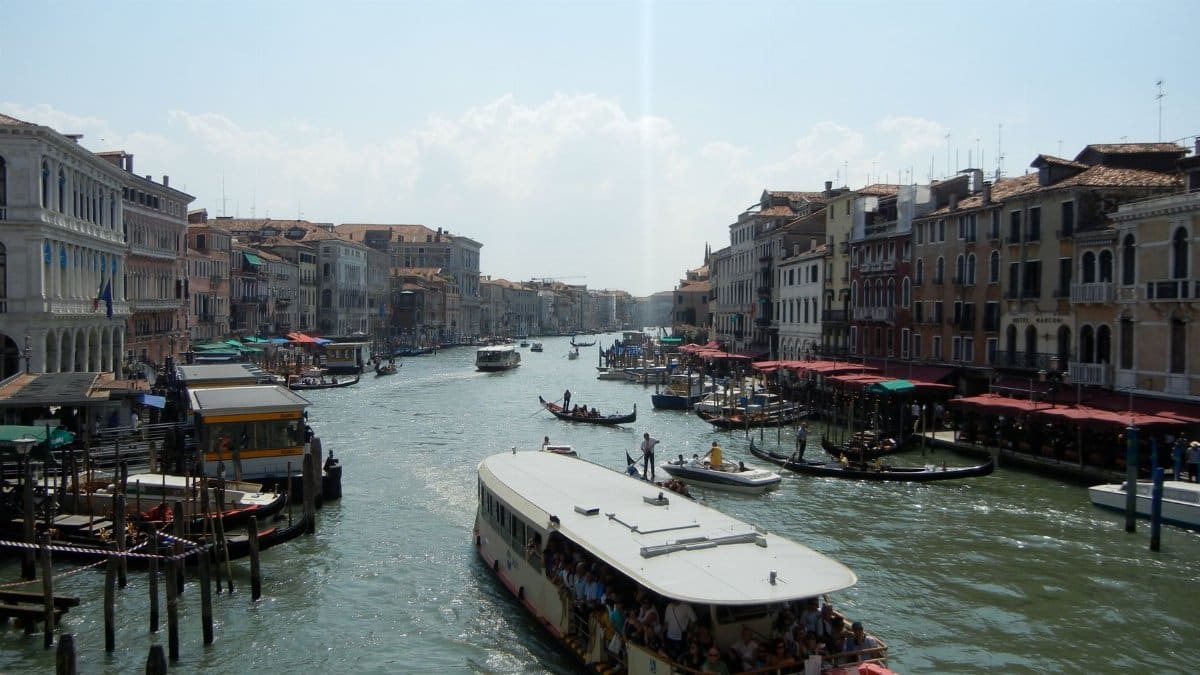
Panama’s economy is a corridor. Container ships, the canal, highways that stitch the interior to the coast, and the informal trade that feeds port cities all depend on structures that must be inspected before they can be trusted again. A quake does not have to topple a lock or snap a bridge to matter. It only has to force a pause. Delays ripple outward to insurers, to shipping schedules, to the price of goods that were supposed to move this week.
Engineers who know the region speak less about spectacle than about details: expansion joints, soil that can liquefy when shaken, retaining walls on steep lots, the difference between a code on paper and a building as it was actually poured. Those details decide whether a powerful quake becomes a national trauma or a frightening night with repairable harm. Early indications, still provisional, pointed toward the second possibility. Provisional is the correct word. Landslides can declare themselves hours later. A weakened column can fail under an aftershock that would have been harmless the day before.
How a neighborhood organizes itself
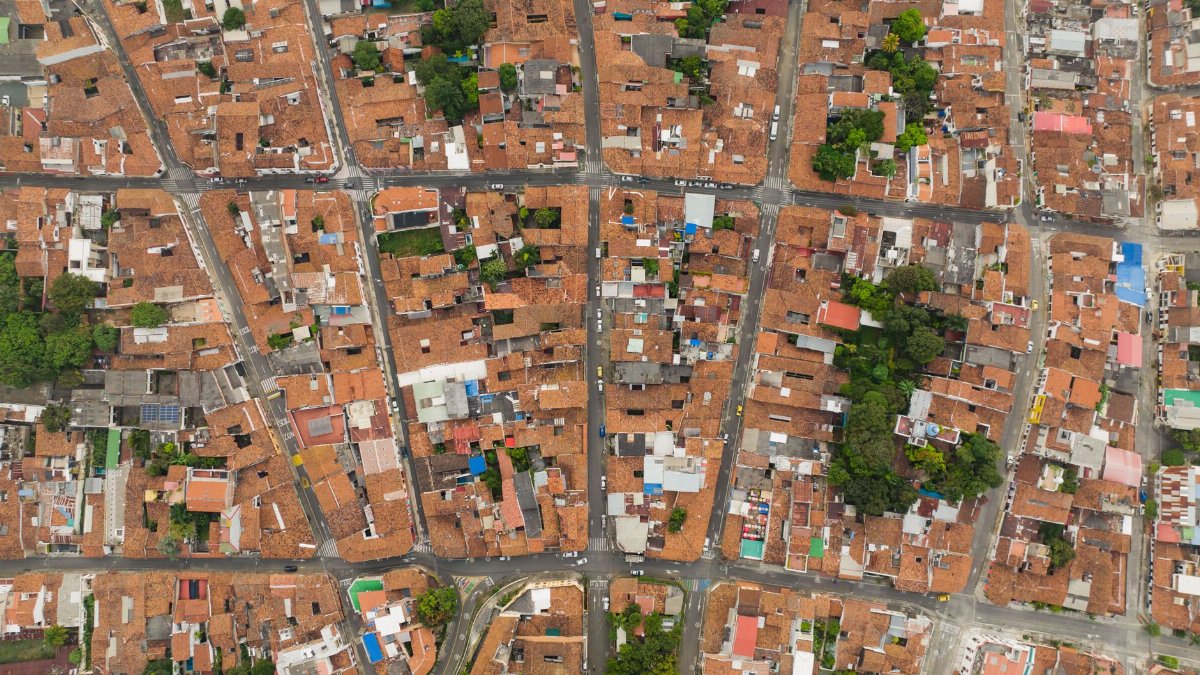
Before any ministry issues a bulletin, a street has usually already decided what to do. Someone has a cooler. Someone has a flashlight that still works. An older neighbor who lived through earlier shaking becomes, for an hour, the person everyone asks. In southern towns, that informal chain is often the first emergency system, and it is remarkably good at the tasks that do not require heavy equipment: counting who is missing from a doorway, sharing water, keeping children from wandering back into a cracked house because a toy was left on a bed.
Formal response follows, and it matters. Fire crews, civil defense units, and hospital staff absorb the cases that a neighbor cannot handle. The gap between those two layers is where panic either fades or hardens. Clear, repeated information helps. So does the sight of an official who is willing to say what is not yet known. People can tolerate uncertainty. They tolerate it poorly when it is dressed up as confidence.
Churches open their doors, and not only for shelter
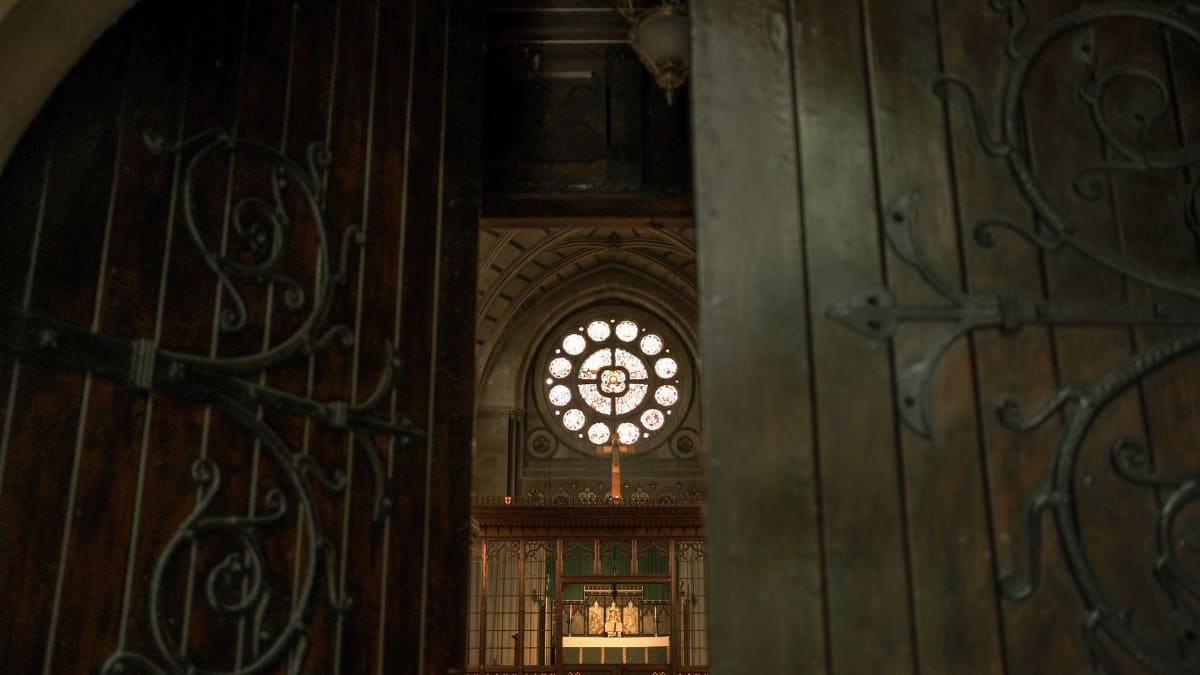
In a country where Catholic parishes, evangelical congregations, and Indigenous spiritual traditions sit side by side, a night of shaking quickly becomes a spiritual event as well as a civic one. Sanctuaries that were built to hold weddings and funerals become places to sit, to charge a phone, to hear a familiar prayer said out loud by people who do not otherwise share a pew. Clergy in past Central American quakes have described the same pattern: the theological questions arrive later. First comes the need to be near other people under a roof someone trusts.
That does not make the questions unreal. Why here. Why now. Whether the earth is being asked to bear more than it can. Some worshippers hear a call to humility, a reminder that human plans are provisional. Others hear a call to mutual aid, closer to the practical ethics of feeding a stranger than to any doctrine about punishment. Indigenous communities along the isthmus have their own ways of speaking about land as a living relation rather than a platform. A journalist should not flatten those traditions into a single moral. It is enough to notice that Panama earthquakes press on belief as surely as they press on concrete, and that belief, in the hours after a shock, often looks like a pot of coffee and an open door.
What vigils reveal about a frightened public
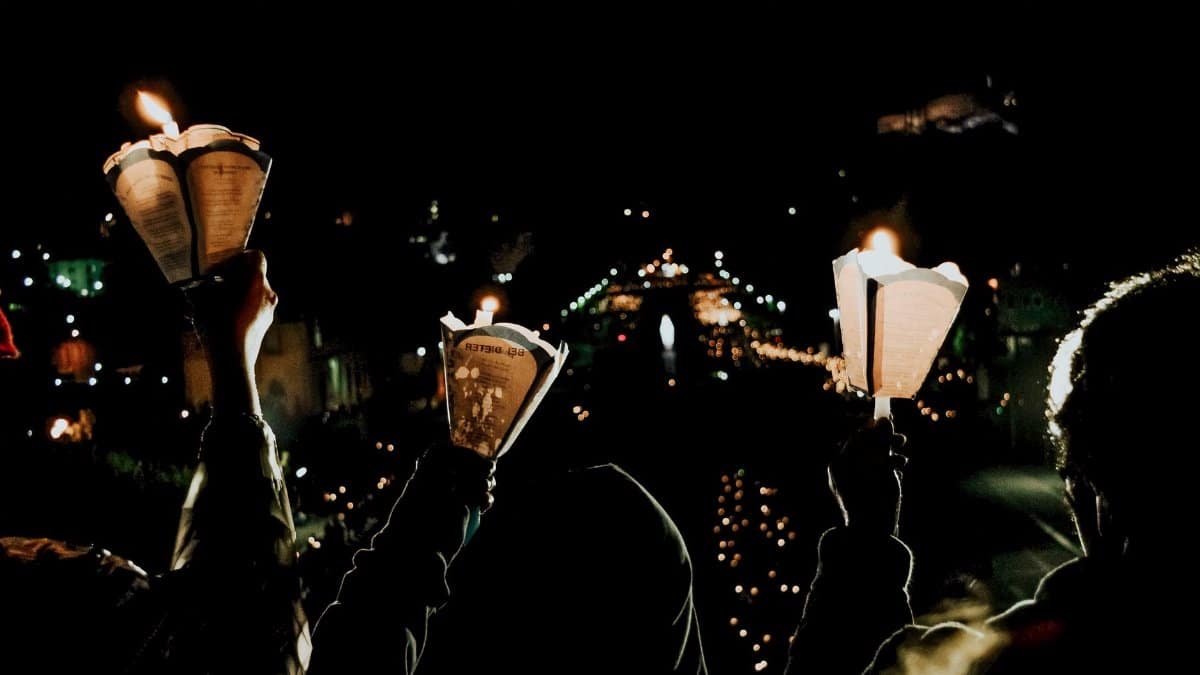
Candlelight after a disaster can look, from a distance, like sentiment. Up close it is a form of order. A vigil gives the night a shape. It tells children that adults have a ritual for fear, even if the adults are afraid too. In several southern communities, residents gathered not only to pray for the injured and the missing but to mark that they were still a public, not a scatter of private panics. That gathering is easy to underestimate in news coverage that counts collapsed walls and insurance claims.
There is a risk in spiritual language, and honest clergy name it. Consolation can slide into fatalism, the idea that nothing built by human hands is worth defending because the earth will do what it will. The more durable religious response in quake country has usually been the opposite: repair the school, enforce the code, treat preparedness as a kind of neighbor love. Faith that sends people back into unsafe housing is not comfort. Faith that keeps a congregation arguing for stronger columns is.
Memory of earlier shaking
Panama is not defined by a single famous catastrophe the way some seismic nations are, and that absence of a shared landmark quake can itself be a hazard. Memory fades. A generation that did not feel a major shock treats building shortcuts as normal. Then the ground moves, and the country discovers which lessons were written down and which were only told.
Historians of the region point to a long record of felt earthquakes rather than to one defining ruin. That record argues for boredom as a civic virtue: drills that feel excessive, retrofits that do not photograph well, zoning that tells a developer no. None of that is as moving as a vigil. All of it decides how the next vigil ends. The people standing outside tonight are, whether they wish it or not, writing the memory that the next generation will either keep or misplace.
Science that can warn, and science that cannot

No reputable agency claims it can predict the day and hour of a quake. What instruments can do is locate a rupture within minutes, estimate magnitude, and map where shaking was likely severe. That speed saves lives when it is wired to sirens, school protocols, and port shutdowns that do not wait for a minister to finish a sentence. Early warning is not prophecy. It is a head start measured in seconds, and seconds are enough to get off a ladder or to stop a train.
Longer term, the useful science is slower. Mapping soils. Publishing which neighborhoods amplified past waves. Training masons. Those projects rarely trend. They are also the reason a magnitude in the sevens can pass with evacuations and fear rather than with a roll of the dead. Readers outside the region sometimes want a more dramatic lesson. The accurate one is plainer. Countries that treat seismic risk as a standing budget item suffer less when the budget is finally tested.
The canal’s shadow, without the myth
Any tremor in Panama invites a global question about the canal, because the canal is how much of the world meets the country. Engineers have designed the waterway with earthquakes in mind, and a felt quake is not the same thing as a threat to navigation. Still, the instinct to ask is not foolish. A corridor that carries so much trade concentrates attention, and attention can be useful if it funds inspection rather than rumor.
Rumor is the other aftershock. Social feeds fill with claims of collapsed locks, of waves that did not occur, of death tolls invented to fill a silence. Journalists and officials share a narrow duty here: repeat only what has been checked, and say clearly when a picture is from another year or another coast. Panic travels on the same networks that carry legitimate warnings. Distinguishing the two is part of the emergency, not a side task for later.
A spiritual public, not a private mood
The category of news that follows belief and public ritual has a place in this story, because the response was never only technical. People reached for prayers their grandparents knew. They also reached for one another across congregations that do not usually share a service. That crossing is a trend worth noticing. In much of the Americas, disaster has become one of the few remaining civic liturgies, a moment when strangers accept a common script: light, names, silence, then work.
Whether that script deepens into lasting solidarity is an open question, and a fair one for readers who care about the life of the spirit as much as the life of the state. A candle does not retrofit a school. A retrofit does not answer the person who cannot sleep. A mature public needs both, and it needs writers willing to hold both without sneering at either. Panama earthquakes will come again. The measure of this week will be whether fear is converted into habits, and whether the comfort offered in church halls is matched by the quieter mercy of a building that holds.
What the morning asked of everyone
By daylight the drama thins into chores. Cracks get photographed. Insurance calls get placed. Children return to classrooms if the classrooms pass inspection, and stay in a parish hall if they do not. The absence of confirmed deaths, if it holds, will be received as grace by people who know how differently the night could have gone. Grace, in this setting, is not an excuse to forget. It is the interval in which forgetting can be refused.
Far from the isthmus, the honest response is modest. Learn the plate boundary you live on. Support the unglamorous work of codes and retrofits, abroad and at home. Resist the forwarded video until someone has stood in front of the building it claims to show. And if you pray, pray for inspectors as well as for the frightened, because the next shock will not care which of them was loved. The ground under southern Panama has already given its reminder. The rest is what people choose to build on top of it.