
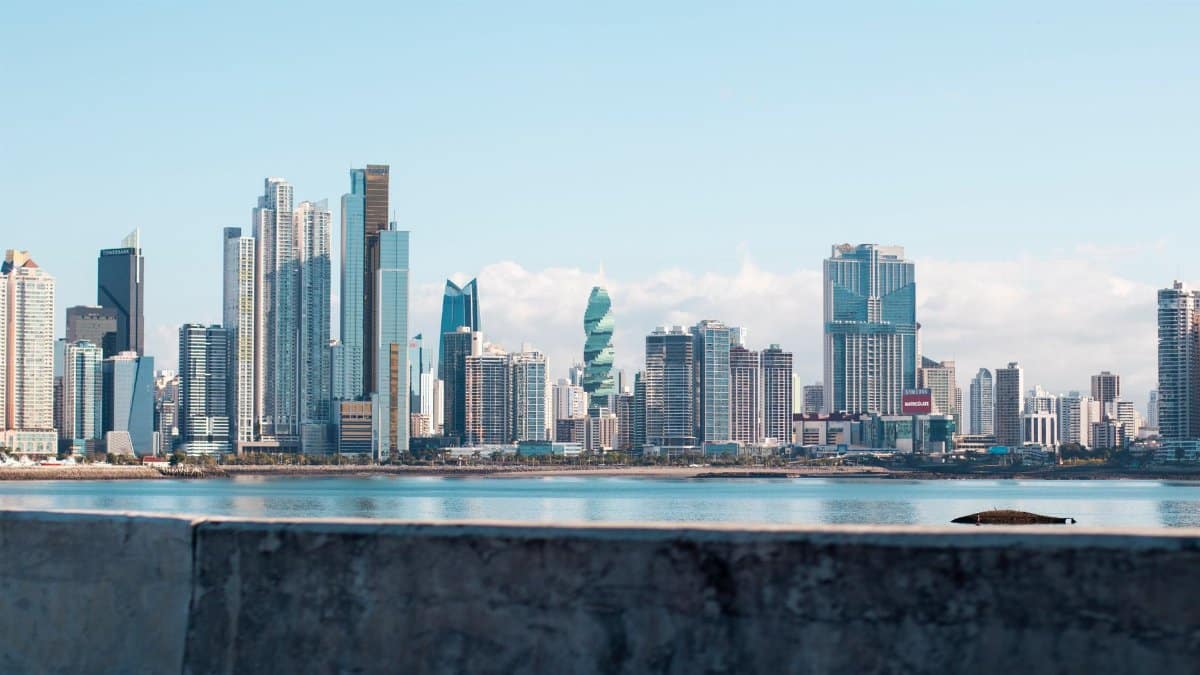
In the late afternoon light over the Azuero Peninsula, office workers stepped into the street as plaster dust drifted from older facades and car alarms rose in a single harsh chorus. A strong tremor, widely described as the Panama 7.7 earthquake, rolled through Herrera province and was felt across much of the isthmus, including the capital. Officials moved people out of tall buildings in Panama City while engineers began the slower work of judging which walls could still be trusted. For a country that lives beside active faults and a busy canal, the minutes after the shaking mattered as much as the number attached to the quake.
The first minutes on the street
People who felt the quake described a long roll rather than a single jolt. In towns across Herrera, shopkeepers left cash drawers open and walked customers outside. In apartment blocks, residents took the stairs because elevators are a poor bet when the power flickers. Drivers pulled to the curb. For a few seconds the ordinary noise of a provincial afternoon dropped away, replaced by the creak of roofs and the rattle of loose tile.
That pause is familiar to anyone who has stood through a large quake. The body registers motion before the mind names it. Then comes the inventory: children, parents, the neighbor who lives alone, the dog still inside. Early dispatches from the region spoke of cracked walls, fallen objects, and frightened crowds, not of a settled casualty count. In the first hour, absence of a number is not reassurance. It is simply the lag between a physical event and a verified account.
Why the magnitude figure can shift
News alerts moved quickly with a figure near 7.7. Seismologists treat that first digit string as a working estimate. The United States Geological Survey, whose public pages at https://earthquake.usgs.gov collect instrumental readings from a global network, often refines magnitude after more stations report. A nearby wire account carried by the Houston Chronicle, whose site is https://www.houstonchronicle.com, has in similar coverage cited a USGS reading close to 7.6. Readers should not treat a tenth of a magnitude as a quarrel. It is the ordinary revision of a measurement made in haste.
Magnitude describes energy release at the source. It does not, by itself, describe what a kitchen in Chitre felt, or whether a colonial church in a nearby town lost plaster. Intensity, the shaking at a given place, depends on depth, distance, soil, and building type. Soft sediment can amplify motion. A stiff ridge can mute it. Two families twenty miles apart can tell honest stories that sound like different quakes.
Herrera province at the center
Herrera sits on the Azuero Peninsula, south of the canal corridor and west of Panama City. It is a landscape of cattle country, small cities, and roads that matter more than they look on a map. When a large quake is centered there, the first practical questions are local. Are the clinics standing. Are the bridges over seasonal rivers passable. Can ambulances leave town if someone is hurt by falling masonry rather than by the fault itself.
Provincial buildings are a mix of recent concrete and older masonry that was never designed for a modern code. A crack in a new column is a different problem from a crack in a wall of brick and lime. The Panama 7.7 earthquake, as residents were already calling it in group chats, forced that distinction into the open. Owners walked perimeters with phone lights. Some slept in yards. Others returned inside once the swaying stopped, because the alternative was a night in the open with no clear instruction from authorities.
Evacuations in the capital
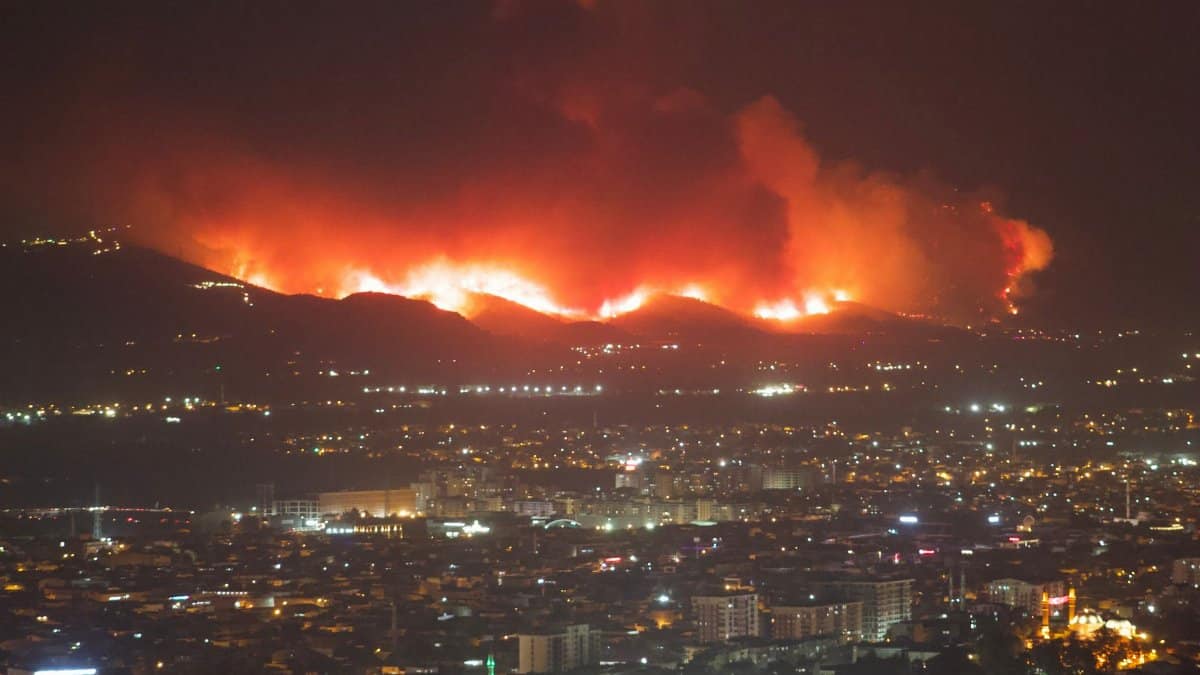
Panama City felt the quake at a distance, strongly enough that managers cleared towers and shoppers left malls. Evacuation in a dense downtown is its own hazard. Stairwells fill. People trip. Traffic locks because everyone has the same idea at once. A well run exit is boring. It is also the difference between a scare and a crush.
City officials faced a familiar trade. Keep people outside until engineers glance at structural joints, or send them back before night so that hospitals, ports, and newsrooms can function. Early reporting indicated damage and prompted evacuations, which matches the caution a capital should show after a regional shock of this size. Caution is not the same as confirmed collapse. Photographs of a leaning fence or a broken window travel faster than a structural report, and they should be read as clues, not as a census of harm.
The canal and other systems that cannot pause
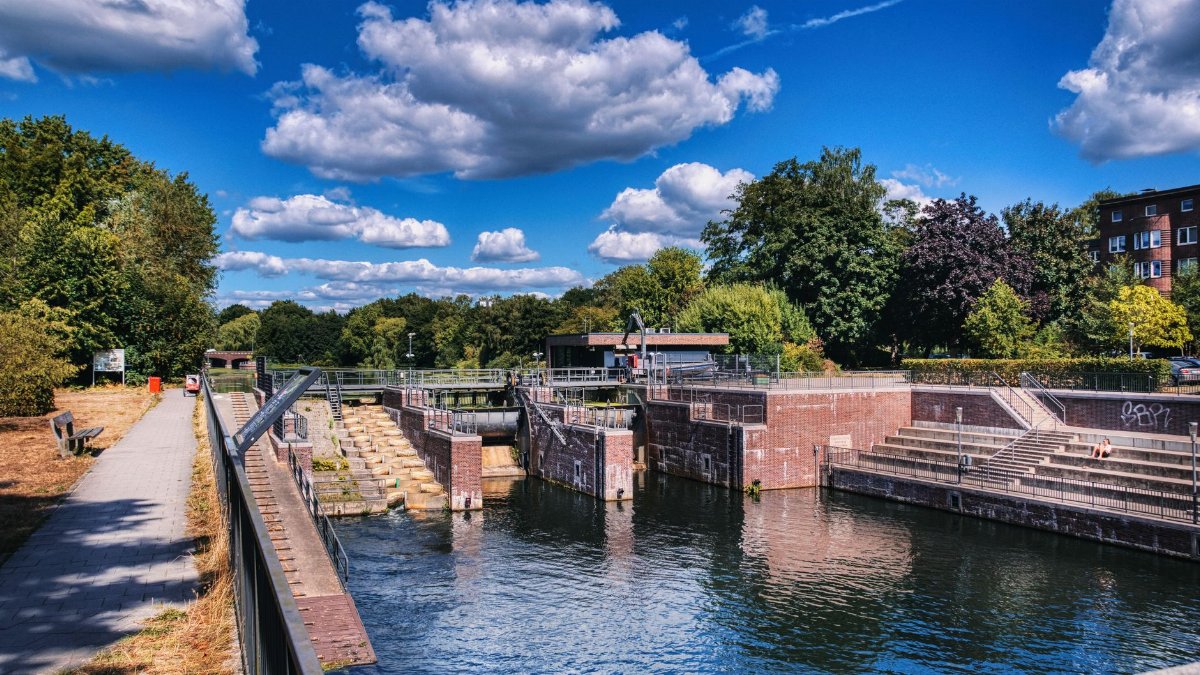
Panama’s geography is strategic in a way few small countries experience. The canal moves a large share of world trade between oceans. Locks, dams, power lines, and the roads that feed the ports are engineered with earthquakes in mind, yet engineering is a bet on a range of motions, not a promise against every motion. After a major regional quake, operators inspect before they declare normal service. That inspection is invisible to most viewers abroad, who see only whether a ship is moving.
The same logic applies to water plants, fuel depots, and the electrical grid. A brief outage can be a safety trip, not a failure. A prolonged outage in a hospital district is a different story. The useful public question after the Panama 7.7 earthquake is not whether anyone felt afraid. It is which systems restarted, which stayed dark, and who was left without a working phone when aftershocks arrived.
The ground Panama already knows
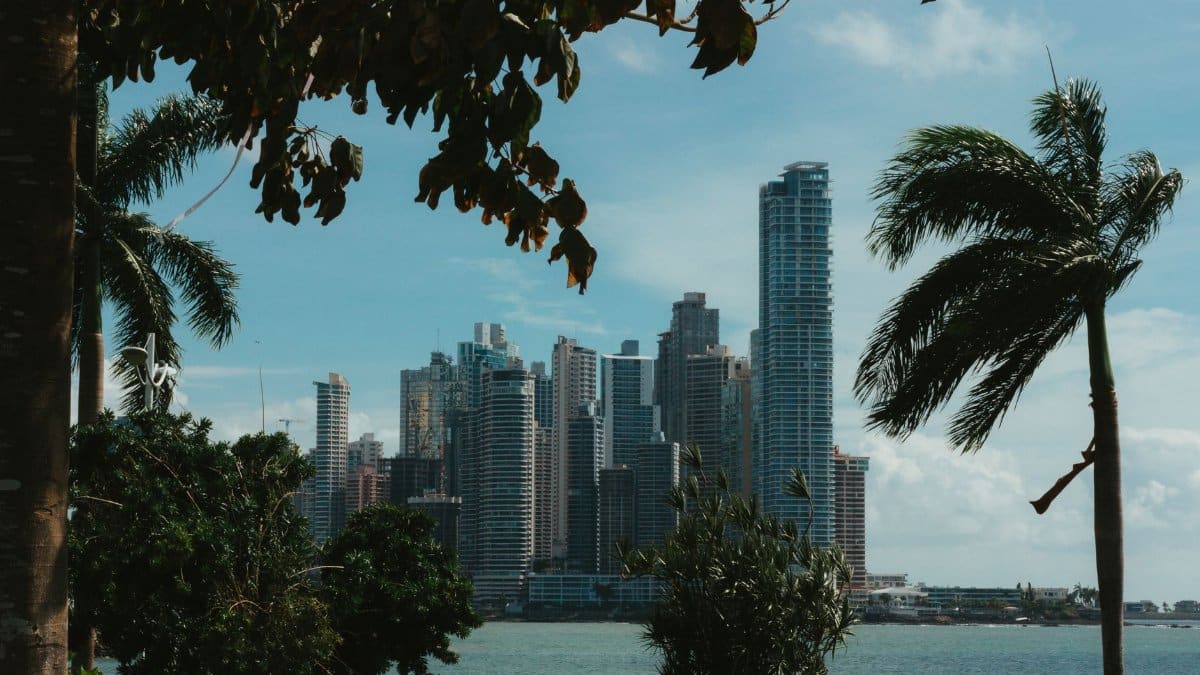
The isthmus is a narrow weld between larger plates and smaller crustal blocks. Quakes here are not rare curiosities. They are part of the setting in which cities, farms, and a global waterway were built. Public education in the region has long urged people to drop, cover, and hold on, then to expect aftershocks. Those instructions sound simple until a ceiling fan is swinging over a crib or a warehouse aisle is full of shifting pallets.
Scientists map faults, estimate recurrence, and still cannot name the day. That limit is not a failure of seriousness. It is the state of the science. What can be improved is everything that happens after the first wave: building codes that are enforced, schools that drill, hospitals that keep generators tested, and newsrooms that resist inventing a death toll to fill a silent hour. The USGS materials at https://www.usgs.gov explain, in plain language, how instrumental magnitude differs from the damage people see. That distinction belongs in every push alert.
Faith, ritual, and the night that follows
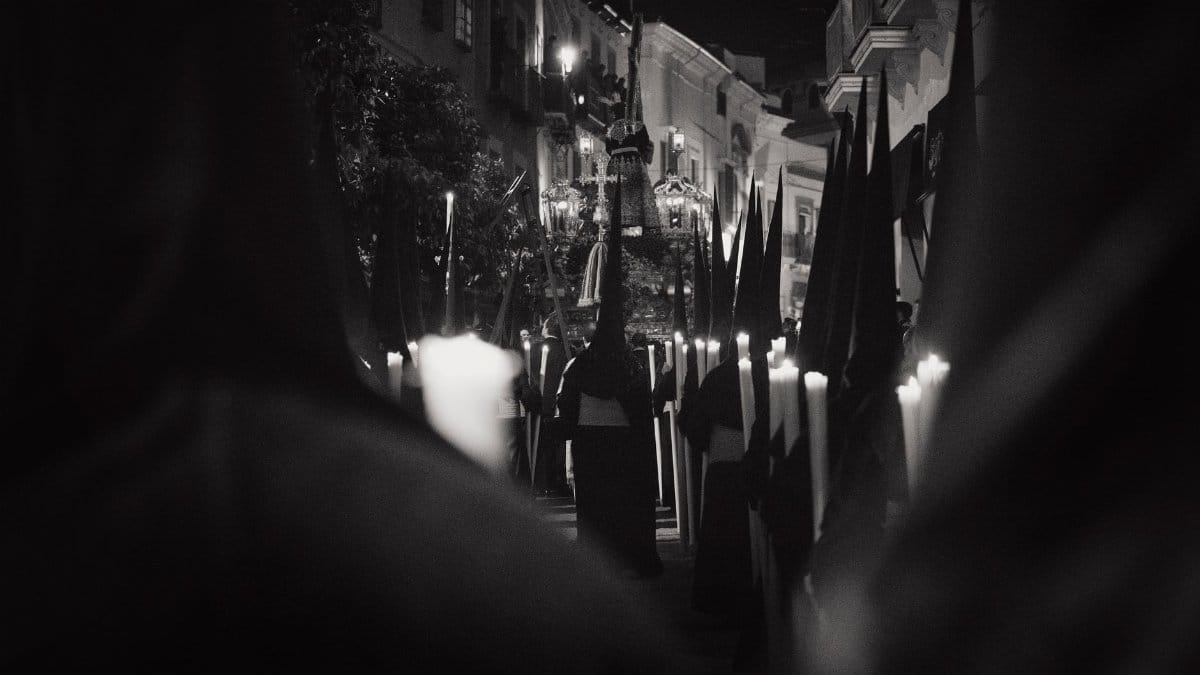
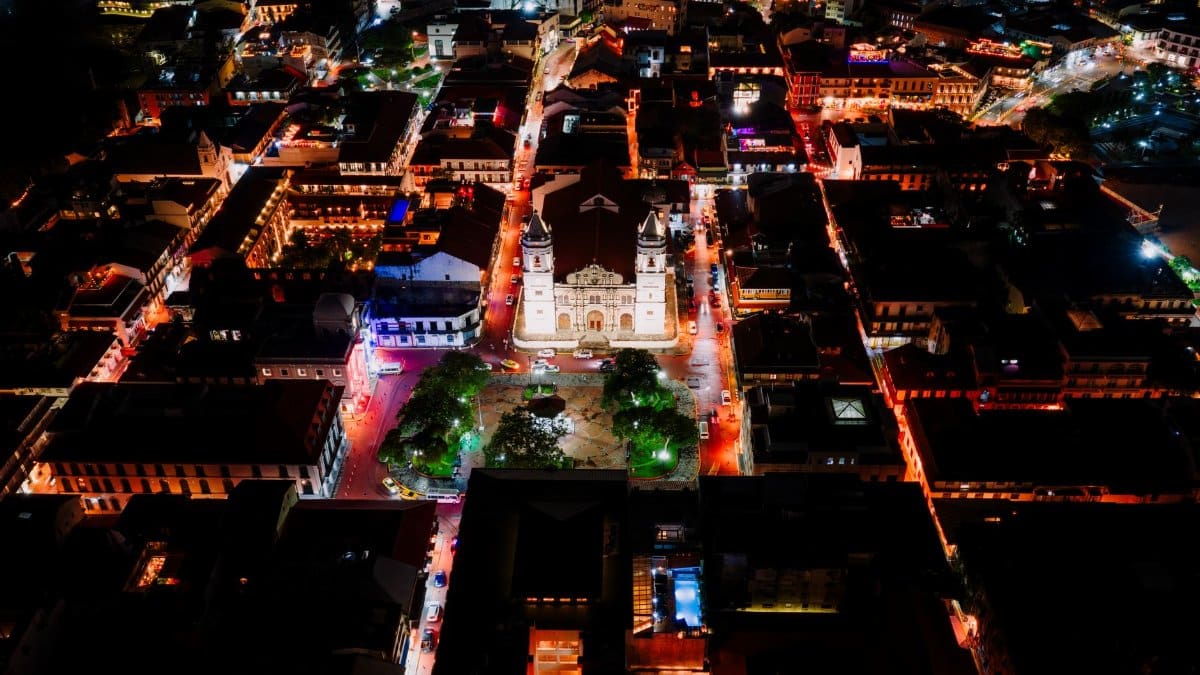
I have stood outside a church after a quake in another country and watched people arrive with nothing to ask except whether the doors were open. Panama’s religious life is not a footnote to a seismic story. In Herrera and in the capital, parishes, mosques, and smaller prayer rooms often become the first lit rooms when power fails. They offer water, a floor, and a voice that is not a siren. That function is practical. It is also spiritual, in the plain sense that people want a frame larger than fear.
Trends in belief after disaster are easy to overread. Some draw closer to a congregation. Some feel abandoned by any providence that would allow a wall to fall on a child. Both responses are human. Clergy who do this work well do not pretend to explain the fault. They count heads, find the injured, and keep a light on. In a category of news that often chases fashion in belief, an earthquake is a reminder that ritual still has a civic job: it gathers people who would otherwise wait alone for a text that may not come.
How early reports should be read
A magnitude in a headline is a starting point. The phrase Panama 7.7 earthquake will travel farther than any engineer’s caveat about revision, depth, or soil. Readers can still slow down. Ask where the epicenter was fixed, how deep the rupture was, and whether intensity reports cluster in towns on soft ground. Ask who is speaking: a mayor on the scene, a wire service relaying an agency, or a stranger with a dramatic clip.
Social video is evidence of something. It is rarely evidence of everything. A single collapsed porch can be real and still unrepresentative. Conversely, a quiet street in a phone video can hide a damaged clinic two blocks away. The responsible habit is to wait for emergency management tallies, hospital admissions, and structural tags on public buildings. Those arrive later because they require people to walk, measure, and argue with one another in good faith.
Aftershocks and the second scare
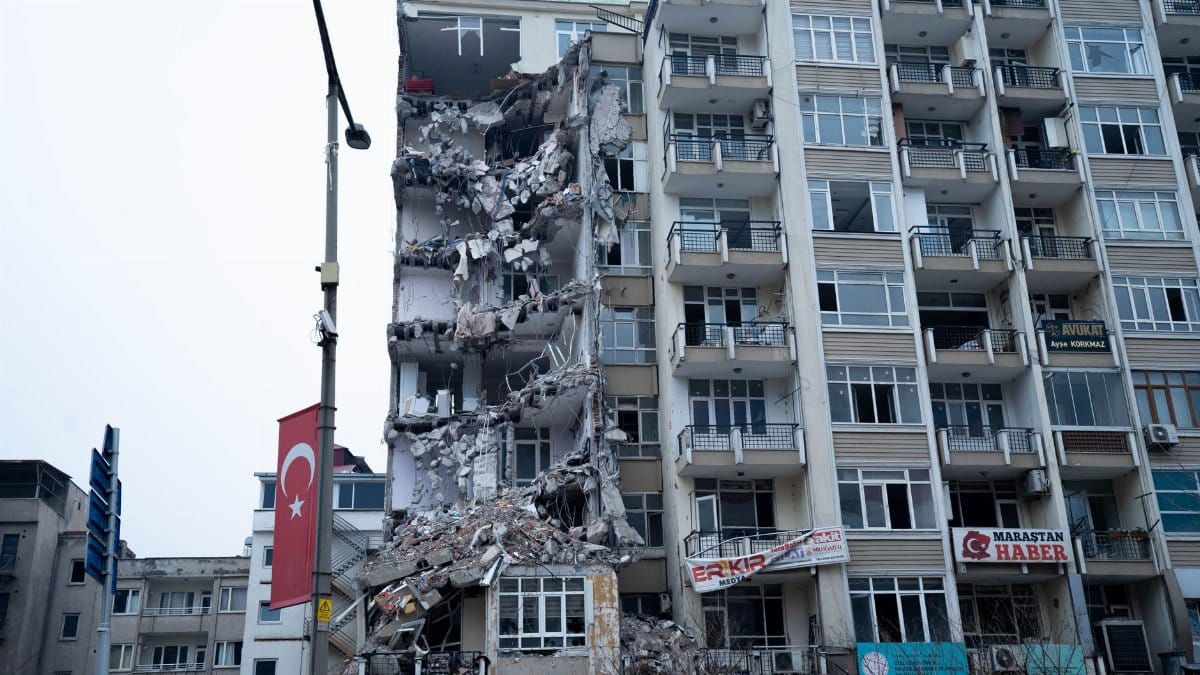
Large quakes are rarely solitary. Aftershocks can be strong enough to finish a wall the main shock only cracked. They also exhaust people who have already slept badly. Families that returned home at dusk may leave again at midnight. Schools may close not because they fell, but because no inspector has yet said they may open.
This second phase is where preparation shows. Households that keep shoes by the bed, a whistle, and a labeled bag of medicine lose less time. Neighborhoods that know which elder cannot manage stairs lose fewer neighbors. None of that is glamorous. It is the part of earthquake readiness that does not depend on predicting the next decimal of magnitude.
What recovery actually asks
If damage proves limited, recovery will look like repairs, insurance arguments, and a return to school. If damage proves wider, it will look like temporary housing, lost wages in Herrera’s markets, and a long queue for masons. Either way, the emotional bill arrives with the material one. Children may fear the next rumble in a truck on the highway. Adults may resent how quickly the world abroad moves to another story.
International attention follows magnitude and pictures. Local attention has to follow people who are not photogenic: the clerk whose shop glass is gone, the nurse on a double shift, the pastor sweeping plaster before dawn service. The Panama 7.7 earthquake will be filed, in time, as one event in a seismic history. For the families who spent that afternoon in the street, it will remain the afternoon when the ground declined to be background.
A standard worth keeping
Journalism after a quake owes readers three things: the best current measurement, a clear statement of what is not yet known, and a refusal to decorate fear. Agencies will update depths and magnitudes. Mayors will update building closures. Faith communities will update who still needs a bed. Those updates are the story, more than any single alert tone on a phone.
Panama has lived with this risk while building a city, a canal, and a civic life that the rest of the world uses without thinking. A strong quake centered in Herrera tests that life without defining it. The test is whether evacuations stay orderly, whether numbers are corrected in public, and whether the night after the shaking finds people housed, counted, and told the truth.