
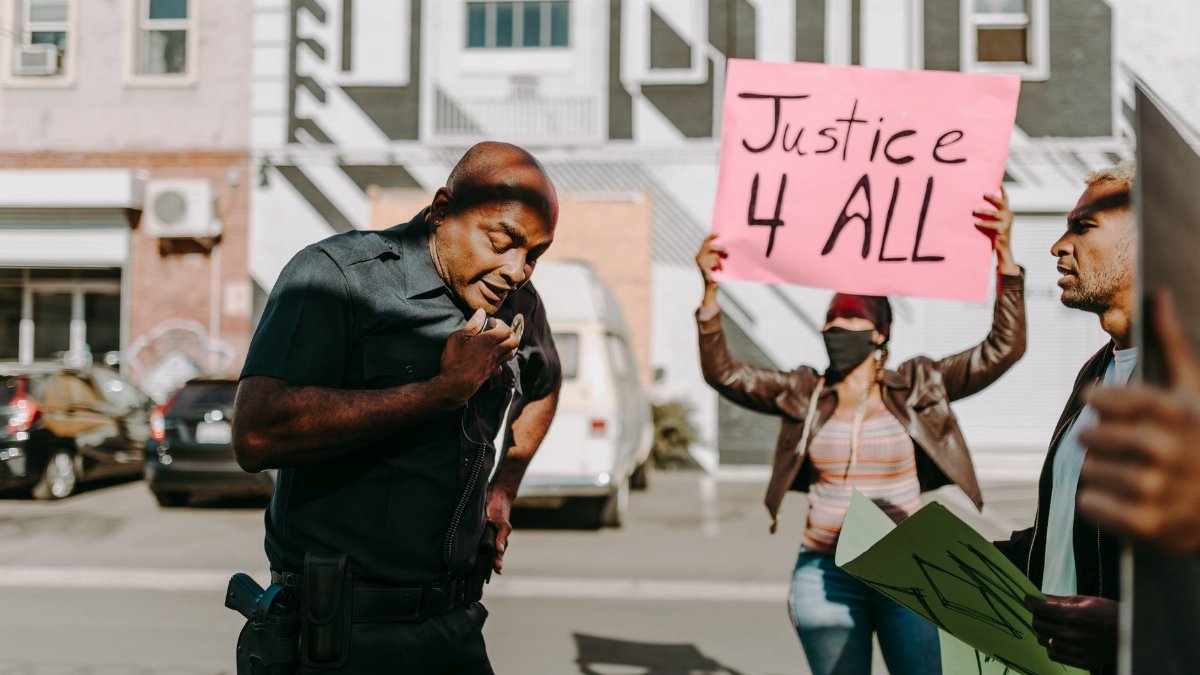
On a gray morning at City Hall, the question hanging over Minneapolis was not whether the Police Department needed stability, but who could supply it without pretending the last several years had never happened. Mayor Jacob Frey answered by asking the City Council to confirm the man already sitting in the chair. The Frey Peterson police chief nomination turns an interim assignment into a bid for permanence, placing a thirty year veteran at the center of a department still learning how to earn trust while answering emergency calls.
A career built inside the same department

Bill Peterson is not an outsider flown in to reset the culture from a hotel suite. He is a product of the Minneapolis Police Department, a commander who rose through ranks that have been praised, sued, investigated, and reorganized in public view. That biography is both his credential and his burden. Supporters see continuity and institutional memory. Critics hear the same hallways, the same habits, and wonder whether familiarity is a remedy or a limit.
Longevity in policing can mean two different things. It can mean a leader who has watched bad tactics fail and is willing to retire them. It can also mean a leader who has learned how to protect the organization from embarrassment. Minneapolis has lived with both kinds of experience. The nomination asks residents to decide which reading fits the interim chief they have already been watching.
Frey has framed the choice as a vote for steadiness after a period of churn. Peterson, in the public record of his interim months, has been cast as a manager more than a showman: briefings, staffing plans, and the unglamorous work of keeping shifts filled. Whether that temperament is what the city needs depends on what people believe the job actually is.
Why the mayor moved from interim to permanent
Interim titles are useful when a city wants time. They are costly when officers, prosecutors, and neighborhood groups treat every directive as temporary. Frey appears to have concluded that the waiting period had done its work. By advancing Peterson, he is telling the council and the public that the experiment of interim leadership produced someone he is willing to own.
The Frey Peterson police chief move also narrows the political field. A national search would have invited months of hearings, consultant memos, and competing visions of what Minneapolis policing should become. A nomination from within compresses that argument. The debate shifts from who might be recruited to whether this particular veteran has earned the permanent title.
Mayors rarely get a clean slate on public safety. They inherit crime patterns, labor contracts, court orders, and the memory of a killing that rearranged the city’s politics. Frey’s calculation is legible even to people who dislike it: better a known commander than another cycle of vacancy at the top of a department that cannot afford drift.
The resignation that opened the chair
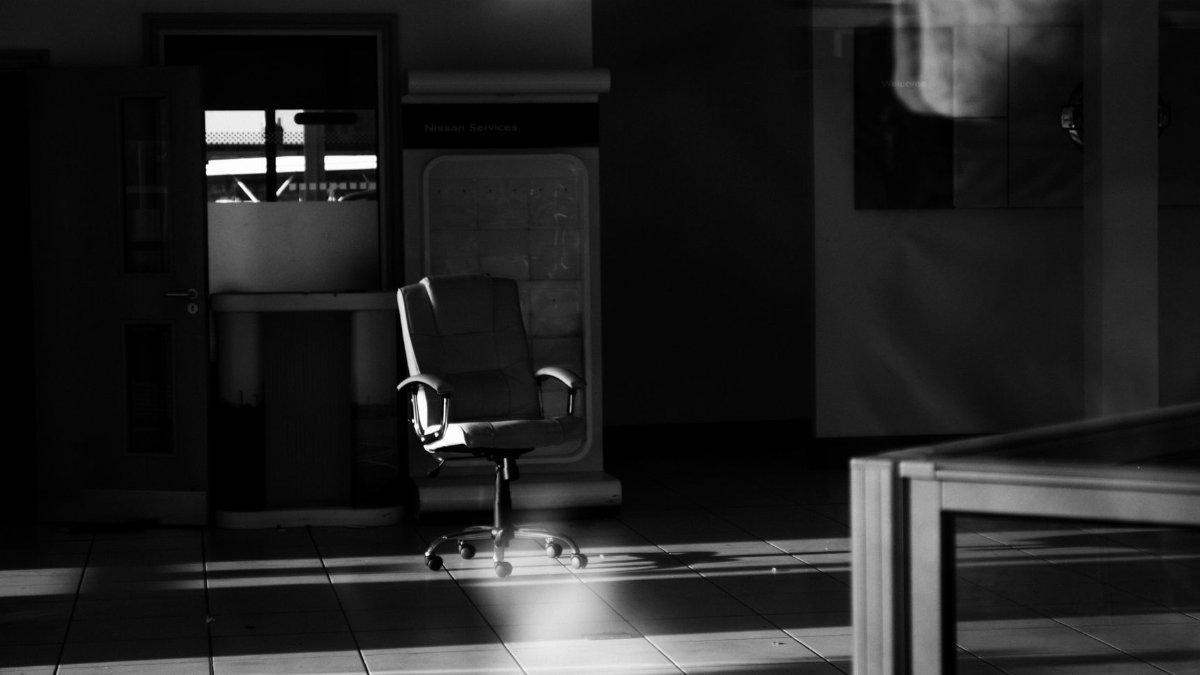
Brian O’Hara’s departure left a gap that was administrative and symbolic. He had arrived as an outside chief with a mandate to steady a force under intense scrutiny. His exit, whenever residents date it in their own conversations, reopened the question of whether Minneapolis can keep a chief long enough for reforms to stick. Peterson stepped into that gap as interim leader. The nomination is Frey’s attempt to close it.
Resignations at the top of a police department ripple downward. Captains hesitate. Recruits watch. Community groups that had built a working relationship with one chief must start again. That reset cost is real, which is why some civic leaders prefer promotion from the interim seat even when they remain skeptical of the institution itself.
None of that erases the reasons a previous chief might leave: political crosswinds, staffing strain, and a public that no longer grants police leaders the benefit of the doubt. Peterson inherits those conditions, not a repaired city.
A force still living with court oversight
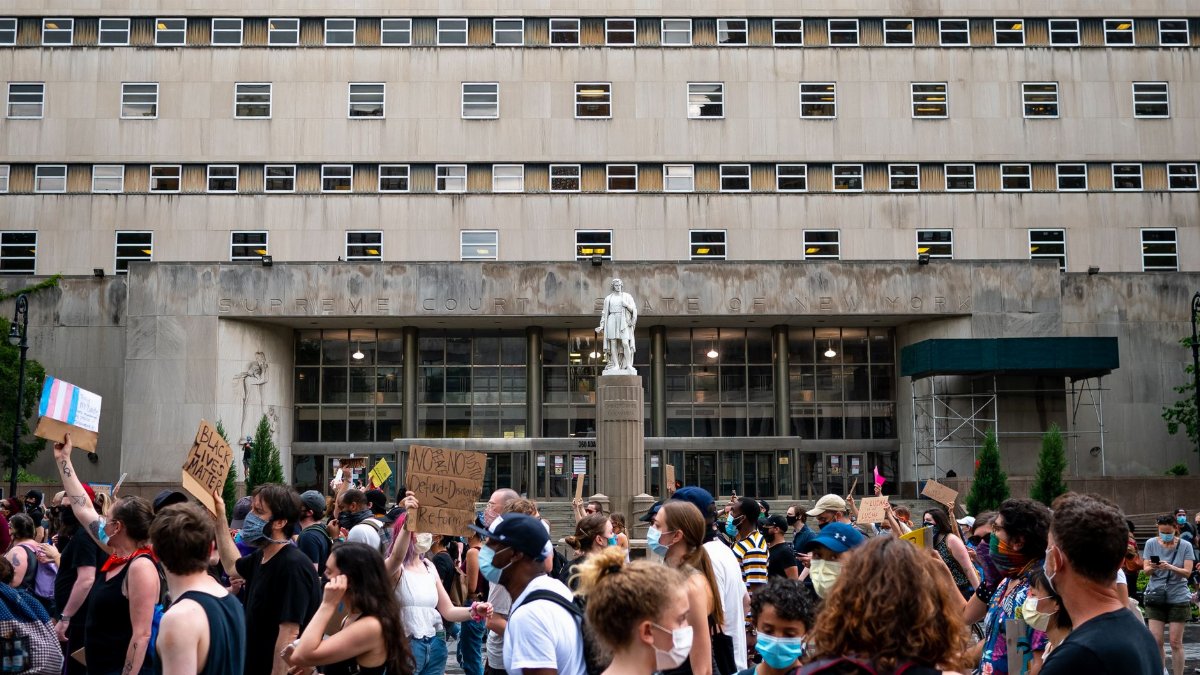
Minneapolis policing does not operate on mayoral preference alone. Consent agreements and court supervision, born from findings about unconstitutional patterns, set boundaries on training, stops, use of force, and accountability. A chief who ignores that architecture will fail in court as surely as in the street. A chief who treats it as paperwork will fail in neighborhoods that have heard promises before.
Peterson’s advantage, if he has one, is proximity. He has worked inside the department while those requirements were being translated into policy. The risk is the same proximity. Officers sometimes experience oversight as an external scolding rather than a standard they own. The permanent chief will be judged on whether compliance becomes routine or remains a performance staged for monitors.
Residents do not need another lecture on the existence of the agreements. They need evidence that stops are documented, that complaints move, and that force is rare, reviewed, and explained in language a civilian can follow. Those are management problems with moral weight. They will define this tenure more than any inaugural speech.
Staffing, response, and the ordinary emergency

Grand arguments about policing often skip the call that comes at 2 a.m. Minneapolis has struggled, like many cities, to recruit and retain officers while crime concerns and distrust rise together. A chief cannot legislate a labor market. He can decide how scarce sworn staff are deployed, which calls wait, and whether civilian roles absorb work that does not require a gun and a badge.
The Frey Peterson police chief nomination will be tested on those allocations long before it is tested on philosophy. If response times for violent calls lengthen, no amount of reform language will hold. If lesser calls swallow the shift, the same result follows. Peterson’s interim period gives the council a record to inspect rather than a brochure to admire.
Unions will have their say. So will precinct commanders who know which intersections actually generate the workload. A permanent chief who cannot negotiate that triangle will preside over a chart, not a department.
What neighborhoods are actually asking

Minneapolis is not one audience. North Side residents, downtown workers, lake neighborhood homeowners, and immigrant business corridors do not share a single fear or a single memory of police. Some want faster arrivals and more visible patrols. Some want fewer encounters that begin with suspicion and end in humiliation. Many want both, and they are tired of being told those desires cancel each other.
Faith congregations, block clubs, and mosque and church safety teams have become informal parts of the public safety conversation, not because crime is a spiritual category, but because people gather where they already trust one another. Pastors and imams hear about break ins and about stops that felt wrongful in the same week. A chief who only meets the loudest political faction will misread the city.
The useful question for Peterson is narrower than “do you support reform.” It is whether his command staff can show, precinct by precinct, how use of force, stops, and clearance of serious crimes are moving. Aggregate reassurance is cheap. Local numbers are not.
The council’s confirmation is not a formality

In Minneapolis the mayor nominates and the City Council confirms. That split is a feature, not a courtesy. Council members answer to wards with different experiences of policing, and several have built reputations on skepticism toward the department. Confirmation hearings are where the Frey Peterson police chief proposal either gains a governing majority or stalls in public.
Expect questions about discipline cases Peterson has touched, about how he would handle an officer who lies in a report, and about whether civilian investigators will see full cooperation. Expect questions about protest policing, because Minneapolis has learned that crowd control can erase years of outreach in a single night. Expect fewer questions about slogans and more about timelines.
A narrow confirmation would leave the new chief politically exposed. A broad one would not grant him a honeymoon so much as a short period in which critics agree to judge results. Either outcome is healthier than a rubber stamp.
Leadership habits that outlast a press conference

Chiefs are remembered for a handful of decisions made when the facts are incomplete: a firing, a defense of an officer, a release of video, a refusal to comment. Peterson’s interim months offer a sample, not a verdict. The permanent role multiplies the stakes because people stop treating his choices as caretaker choices.
The habits that matter are dull on television. He needs commanders who will contradict him in private. He needs a disciplinary system that does not collapse into delay. He needs a communications shop that releases information before rumor does the job for it. Minneapolis has been burned by slow facts and by facts that later shifted.
Charisma is optional. Consistency is not. A chief who applies one standard on a quiet Tuesday and another when cameras arrive will train the department to wait for the cameras.
Reform without romance

There is a style of civic writing that treats a new chief as a turning point in the moral life of a city. That style flatters readers and fails them. Minneapolis does not get redeemed by a nomination. It gets, at best, a manager with authority to hire, fire, train, and deploy inside constraints set by law, labor agreements, and politics.
The years since George Floyd’s murder reordered expectations. Many residents will not extend presumptive trust to a uniform, including a chief’s uniform. That is not nihilism. It is a rational response to a documented failure. Peterson can resent that climate or he can govern inside it. Only the second option is available.
Frey, for his part, owns the nomination in a way he would not own a chief selected by a blue ribbon panel. If the department stumbles, the mayor cannot describe Peterson as an inherited problem. Accountability runs upward as well as downward. That is the unsentimental virtue of the choice.
Crime, fear, and the numbers people actually feel

Public debate in Minneapolis often splits into camps that talk past each other: one cites violence that families live with, the other cites enforcement that families also live with. Both records can be true in the same month. A serious chief refuses the split. He tracks shootings and he tracks unlawful stops. He does not trade one dignity for another and call it strategy.
Readers should be wary of any single percentage offered as proof that a philosophy worked. Crime moves with employment, with guns in circulation, with the closure of cases, and with seasonal patterns. Leadership still matters at the margin where deployment and culture change what officers do on a given block. Peterson will be praised and blamed for movements he only partly controls. The fair test is whether his decisions make the margin better.
What confirmation should force into the open

Before a vote, the council can demand a plain account of priorities for the first year: staffing targets, the status of training required under oversight, the backlog of complaints, and the plan for releasing video when force is used. Vague commitments to community engagement should not count as a plan. Engagement is a meeting. A plan has dates.
Residents can do a parallel review without waiting for a hearing room. They can ask their council member what standard would cause a no vote. They can ask neighborhood organizations what they have actually observed during the interim months, not what they hope a title will change. The Frey Peterson police chief question is concrete enough to survive that scrutiny.
Transparency is not a gift the department offers when it feels generous. It is the price of authority in a city that has already paid too much for opacity.
The tenure will be judged in ordinary weeks

If the council confirms Peterson, the story will not climax at the swearing in. It will accumulate in weeks when nothing viral happens: a precinct that fills its roster, a complaint that closes with a clear finding, a violent call that draws a fast and lawful response, a stop that is recorded and defensible. Those weeks are where departments either become trustworthy or merely become familiar again.
Frey has made his bet. Peterson has accepted the exposure that comes with dropping the word interim. The rest of Minneapolis does not have to pretend the bet is inspiring in order to insist that it be measurable. A city this practiced in disappointment can still insist on a chief who tells the truth about what the department can do, and then does it.