
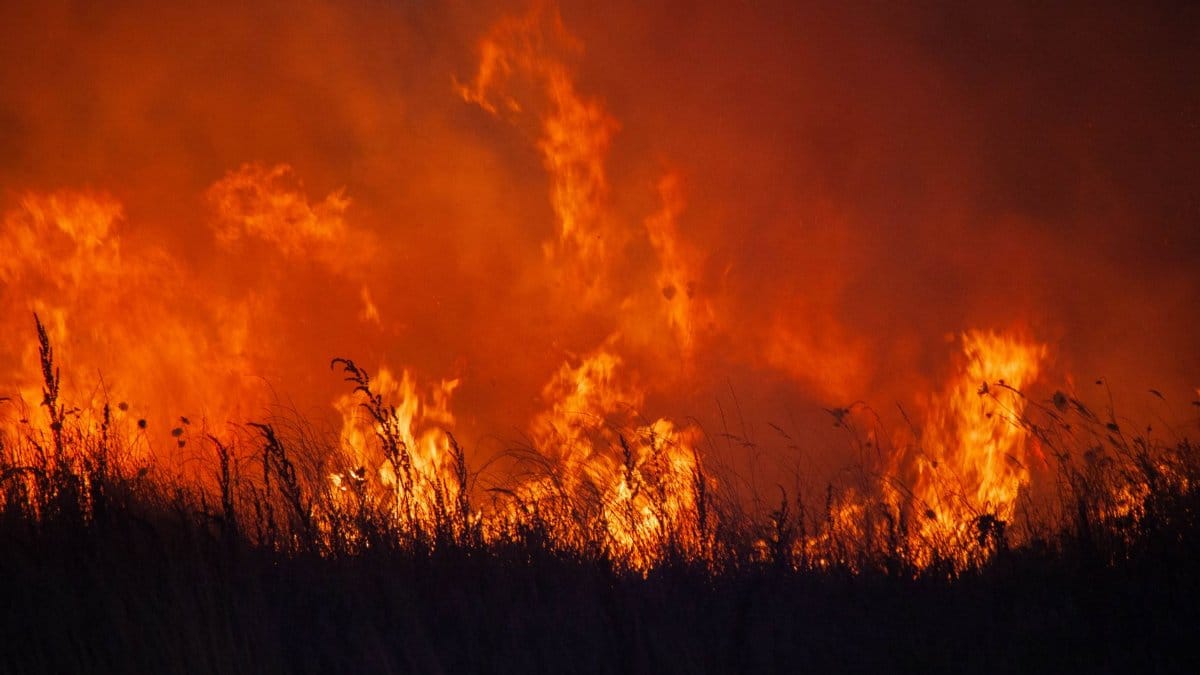
By midmorning the light over the Mississippi already had the hard clarity of a day that intends to overstay its welcome. In the Twin Cities and across much of the state, the weekend arrives with a forecast that pairs unusual warmth with a dry, restless wind. Forecasters are tracking Minnesota weekend heat fire risk as temperatures push toward the upper 70s and low 80s, gusts approach 40 miles per hour, and fields that never fully recovered from a thin snow season sit ready to burn. The sky can look generous. The ground underneath it is not.
A Saturday that feels borrowed from June

Near record warmth in early spring has a particular way of rearranging a weekend. Coats come off. Windows open. People who spent February negotiating ice now talk about grilling as if the season had already turned. The numbers support the mood, at least on a thermometer. Highs near 80 degrees would sit close to the warmest readings on record for the date in parts of southern and central Minnesota, and even northern communities that still expect a hard morning chill could spend the afternoon in shirtsleeves.
Heat this early is not only a curiosity. It pulls moisture out of last year’s grass, out of roadside ditches, out of the pine litter that collects under a stand of trees. A pleasant Saturday and a hazardous one can share the same temperature. What separates them is wind, humidity, and how much fuel the landscape has been saving.
Where the warmth arrives first
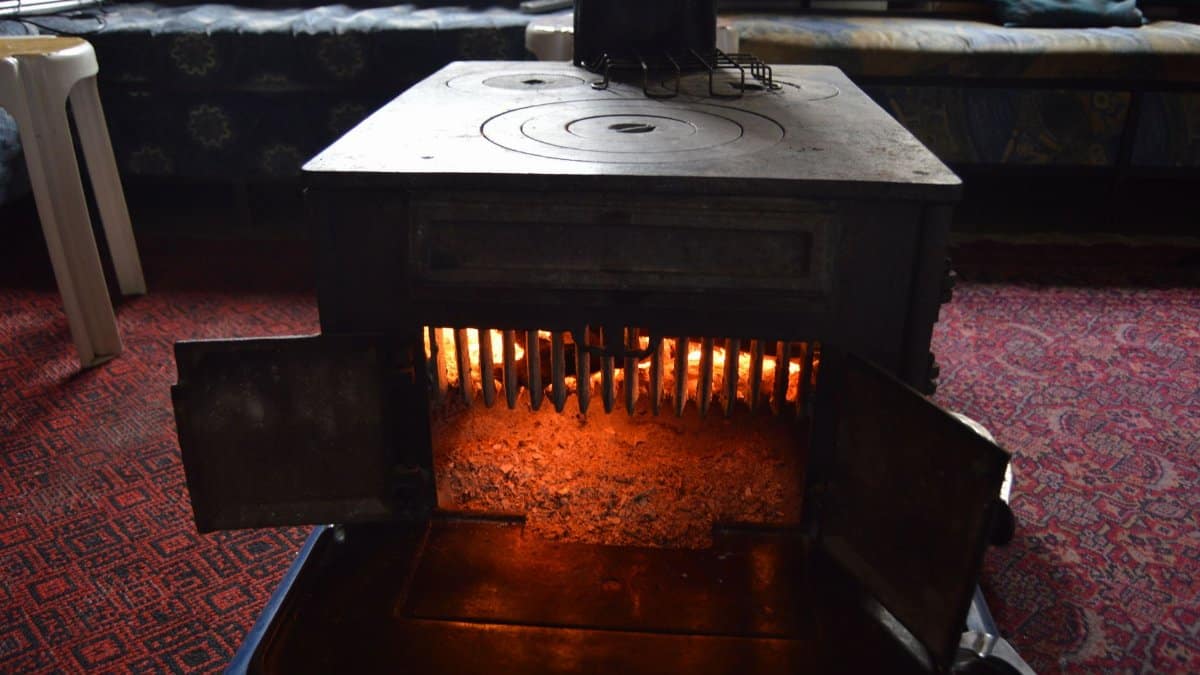
The warmest air is expected to pool across southern Minnesota and the metro before sliding north. Cities along the Minnesota River and the Interstate 35 corridor should feel it by late morning. Lake Superior communities may lag, the big water still cold enough to shave several degrees off an afternoon that feels almost summerlike a hundred miles inland. That contrast matters for anyone planning a drive. A picnic in Minneapolis and a walk on the North Shore are not the same weather, even on the same Saturday.
Overnight lows will not offer much reset. When the air stays mild after dark, vegetation does not rehydrate the way it does after a cold, dewy night. Sunday can inherit Saturday’s dryness rather than erase it. Residents who assume a single warm day is a novelty, and therefore harmless, miss the way heat stacks.
Wind that turns dry grass into a threat
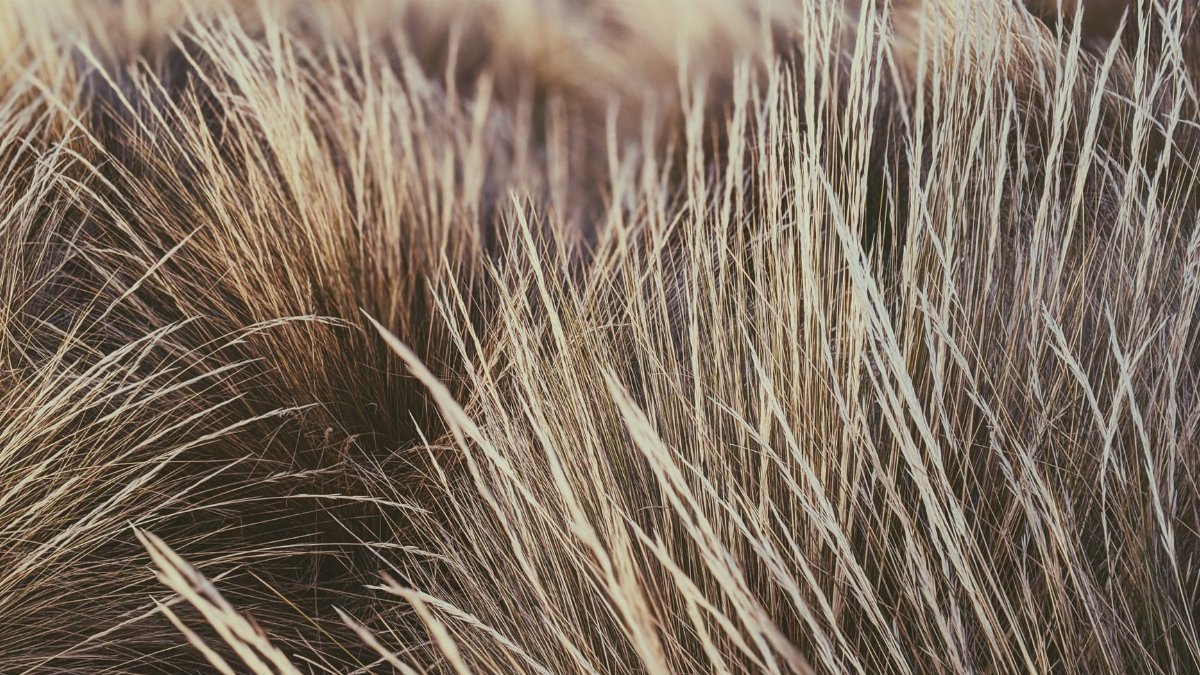
Temperature gets the headline. Wind does the damage. Gusts near 40 miles per hour can carry a spark farther than a person expects, especially across open agricultural land, railroad right of way, and the edges of suburbs where last autumn’s leaves were never fully cleared. A fire that starts as a careless pile, a dragging trailer chain, or a hot exhaust over dead grass can be a neighborhood problem within minutes.
Fire weather is a relationship among three things: fuel, oxygen, and a start. The weekend supplies the first two in abundance. Dead grass is fuel. A stiff south or southwest wind is oxygen in motion. The start is the part people still control. Officials tracking Minnesota weekend heat fire risk are less worried about a lightning storm, which this pattern does not prominently feature, than about ordinary human habits that feel safe because the day feels nice.
Drought already written into the ground
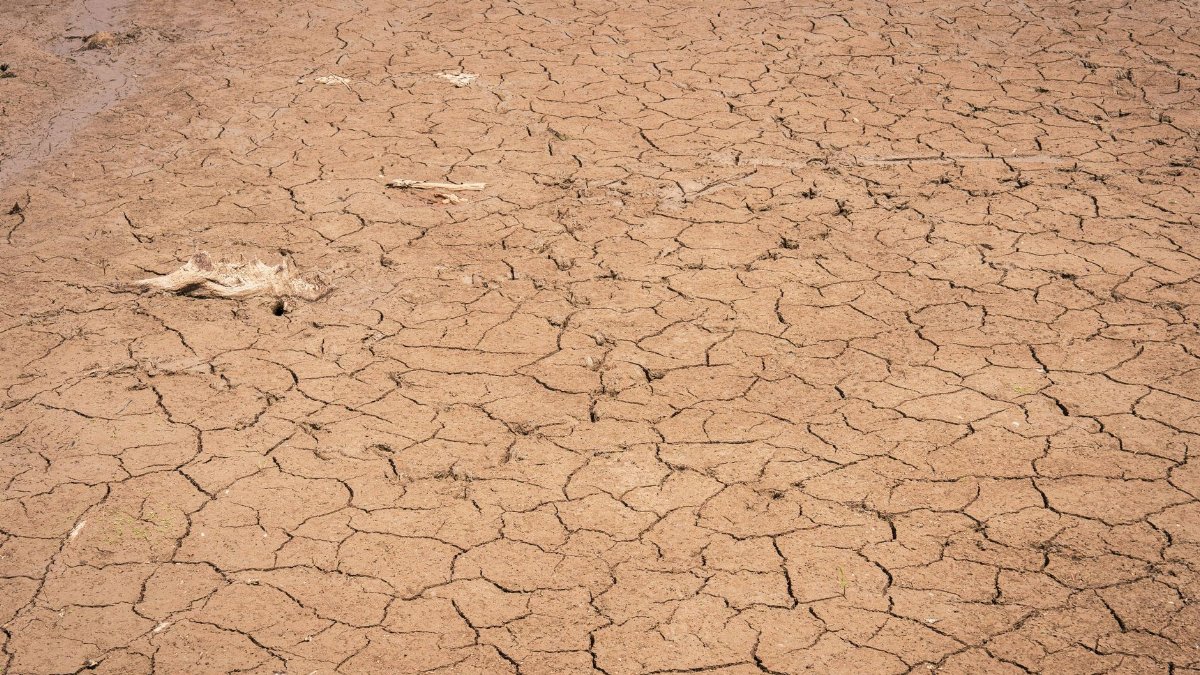
Minnesota did not arrive at this weekend with a full water account. Patches of moderate drought and abnormal dryness have lingered across portions of the state, particularly where winter snow was light and spring rains have been uneven. Soil moisture maps tell a quieter story than a sunny forecast. Streams run lower. Wetlands that usually buffer a grass fire sit thinner. Farmers notice it in the dust behind a truck. Hikers notice it when a trail that should be soft crunches underfoot.
Drought does not need to be historic to be relevant. It only needs to leave enough cured vegetation in the wrong place. A green lawn in a watered suburb can sit a few hundred yards from a brown ditch that will carry flame like a fuse. The unevenness is the point. Risk is local, and it hides in the places people stop looking once the trees bud.
What a red flag day actually asks of you

When forecasters elevate fire weather concerns, the advice sounds plain because it is meant to be followed, not admired. Skip debris burning. Postpone a fire pit, even if the evening seems calm in your particular yard. Keep vehicles off dry grass. Secure chains that can throw sparks. If you smoke, do not flick. If you see smoke, call it in early rather than assuming a neighbor has it handled.
These are not dramatic instructions. They are the difference between a contained start and a run that fire crews chase across a county line while the wind keeps rearranging the map. Departments already thin from winter budgets do not need a Saturday of preventable calls. The phrase Minnesota weekend heat fire risk is less a slogan than a scheduling problem for people with hoses, engines, and a limited number of hours before dark.
Cities, lakes, and the uneven relief of shade
Urban heat and rural fire danger share a weekend without sharing a script. In Minneapolis and St. Paul, pavement stores the afternoon and releases it after supper. Older apartment blocks without reliable cooling become the places where a near 80 degree day stops being charming. Parks fill. So do emergency rooms that track heat stress among people who do not think of spring as a season that can exhaust them.
At the same time, cabin country and the prairie edge carry the fire concern more directly. A lake looks like safety. The woods behind the cabin may not be. Visitors who drive up for the first warm weekend of the year often bring city habits into a landscape that punishes them. A grill too close to needles, a firework saved from last July, a cigarette on a gravel shoulder that is not quite gravel: small decisions, large acreage.
How forecasters read a day like this
A forecast is a stack of judgments, not a single number. Meteorologists watch the depth of the warm layer, the speed of the wind just above the surface, and how dry the air becomes as it mixes down during the afternoon. Relative humidity that falls through the afternoon is a classic accomplice. So is a wind that does not ease at the time people expect it to. If gusts hold into the evening, the window for a fire to escape stays open past the hour when many residents assume the danger has clocked out.
National Weather Service offices and state fire managers compare notes on these ingredients before they decide whether a warning, a watch, or a strongly worded forecast discussion is the right tool. Readers should treat the details as operational, not decorative. A mention of strong winds beside a mention of warmth is not filler. It is the reason Minnesota weekend heat fire risk belongs in the same sentence as a pleasant high temperature.
The quiet health risk beside the louder one

Fire is the dramatic threat. Heat is the slower one, and it lands on people who already live close to the edge of a comfortable day. Older adults, outdoor workers, people with heart or lung disease, and anyone without a cool room can feel a spring afternoon differently from a healthy twenty five year old on a bike path. Thirst arrives late. Confusion can look like fatigue. A neighbor who usually waves from a porch and does not appear is worth a knock.
Pets and livestock belong in the same accounting. Asphalt burns paws. Barns without airflow turn a mild forecast into a close one. Water left in a bowl at dawn may be empty, warm, or both by three. None of this competes with wildfire for attention. It simply shares the weather. A responsible weekend plan holds both.
Sunday does not automatically forgive Saturday

The second day of a warm, windy stretch often gets less coverage and more trouble. Fuels that dried on Saturday do not drink themselves full overnight. If the wind eases, people relax. If it does not, the same counties wake up already primed. Travel plans that looked easy on Friday can run into road closures that did not exist when the car was packed. Smoke, even from a fire two counties away, can drop air quality enough to bother children and anyone with asthma.
Checking an updated forecast before lighting anything, driving a rural route, or leaving a pet in a yard is not fussiness. It is how a two day pattern is supposed to be read. The Minnesota weekend heat fire risk does not expire at midnight because the calendar page turns. It expires when the wind drops, the humidity recovers, and the fuels stop behaving like tinder.
A practical way to keep the weekend

None of this requires canceling the first warm Saturday of the season. It requires editing it. Eat outside if you want. Open the house. Walk the lake path in the morning, when the wind is often lighter and the pavement has not yet stored the day. Move the burn pile to another week. Tell the group chat that the fire pit is closed, and mean it. Keep a phone charged and a water jug in the car if you are heading out of town.
Community is the unfashionable tool here, and it works. A block that agrees not to burn, a lake association that repeats the fire restriction, a church basement or library that stays open as a cool room: these are small civic habits that make a forecast less cruel. Weather does not negotiate. Neighbors can.
Saturday will look, from a distance, like a gift. Near record warmth after a long winter usually is. The responsible reading is simply wider. Heat, wind, and a dry landscape are sharing the state for a weekend. Enjoy the light. Do not feed it a spark.