
The tomato vines still look convinced that summer has not left. On porches across the city, people have been sitting out after dinner in shirtsleeves, talking as if October were a rumor passed along by someone who does not live here. Then the forecast turned. A Philly first frost weekend is now in the conversation, the kind of phrase that sends gardeners to the shed and parents to the closet for heavier coats. After a stretch of summerlike heat, highs are expected to fall into the 60s, with a chance that temperatures near the ground dip to freezing in outlying suburbs before Monday. The change is not a blizzard. It is a threshold. And thresholds, in a region that lives by its seasons, tend to rearrange ordinary plans.
A warm spell that made the cold feel sudden

For days the region behaved like late August with better light. Afternoon highs climbed well above what many residents expect once school calendars and football schedules have taken over. Patios stayed open. Office workers walked to lunch without a layer. The warmth was pleasant, and it was also misleading. Bodies adjust. So do habits. When a mild pattern breaks, the first cool morning can feel sharper than the thermometer alone suggests.
Meteorologists have been clear that this is a pattern change, not a collapse into deep winter. Highs in the 60s are ordinary for mid October in southeastern Pennsylvania and nearby New Jersey and Delaware. What stands out is the contrast. A weekend that might have passed without comment after a gradual cooling now arrives as a correction. People notice corrections. They talk about them at bus stops and in group texts. They move plants. They wonder whether the furnace should be tested before the real cold arrives.
What a first frost actually is
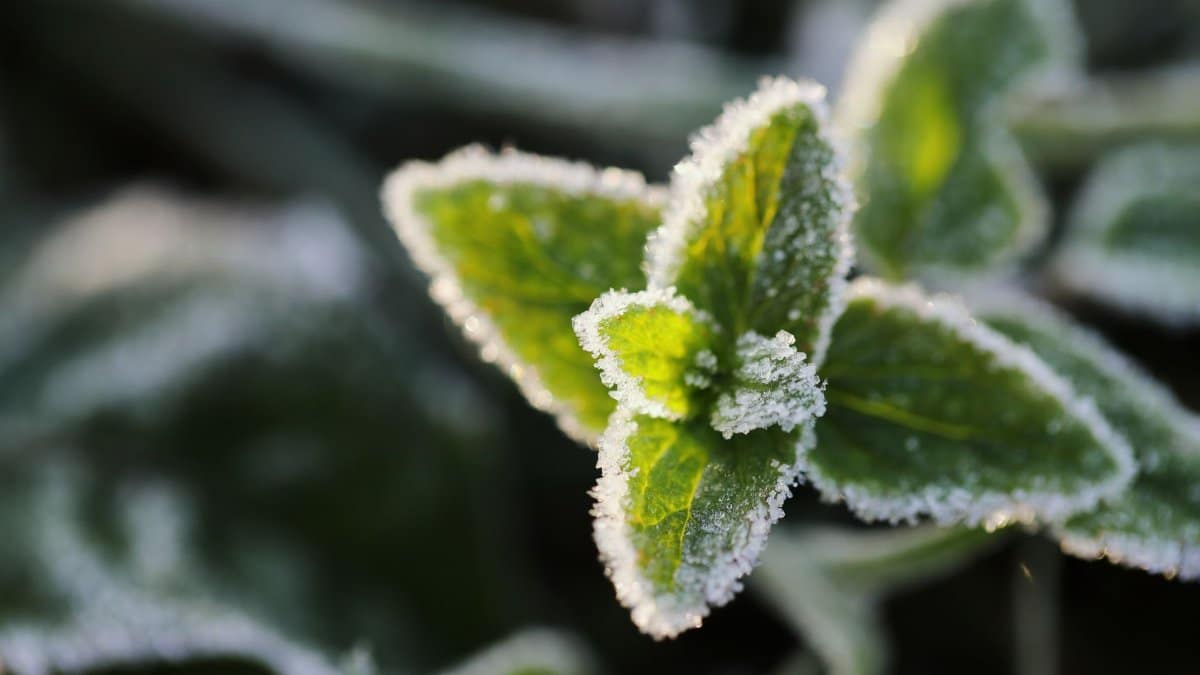
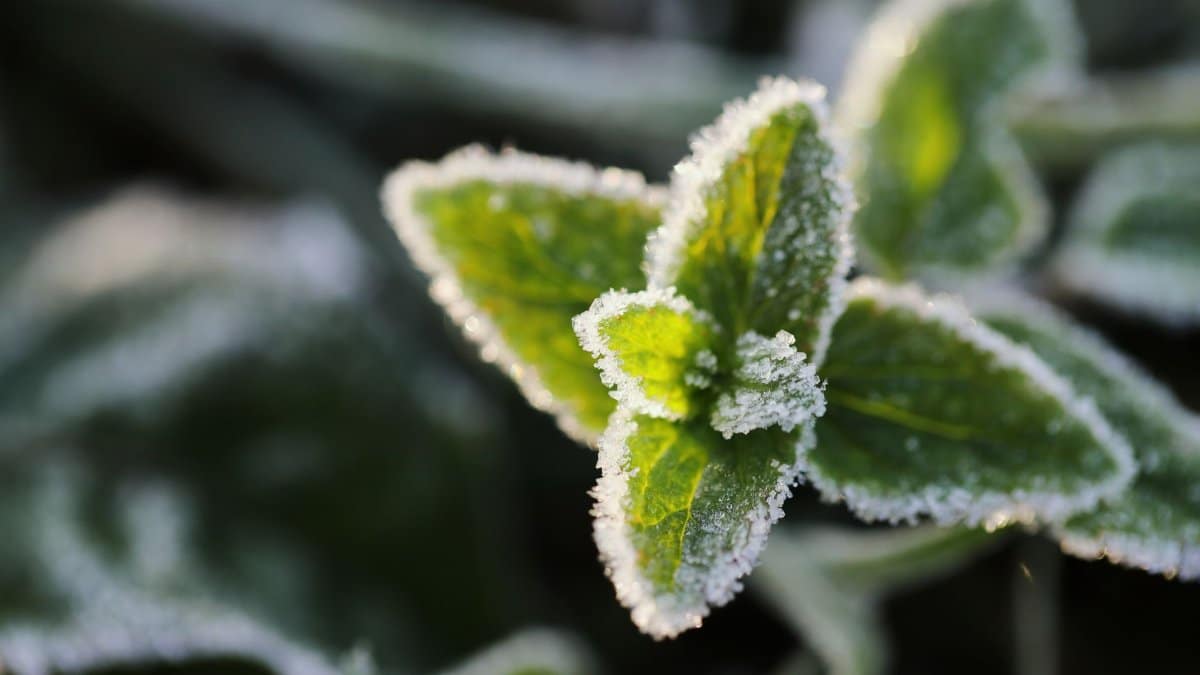
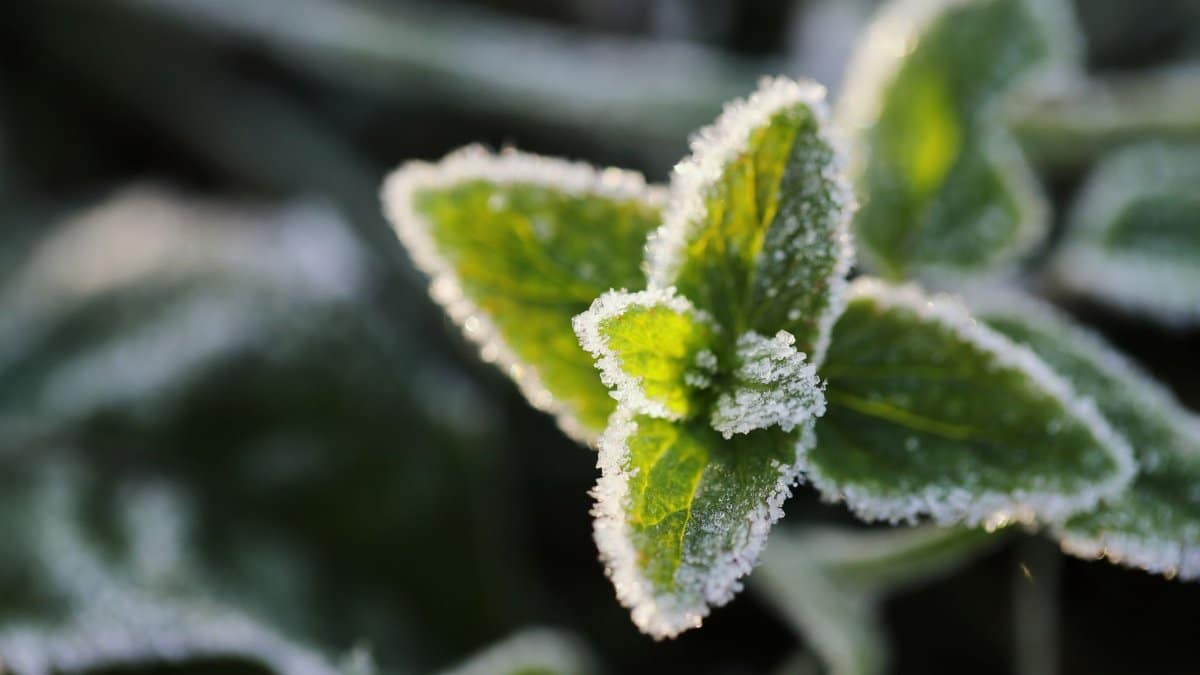
Frost is not the same thing as a hard freeze, and the distinction matters for anyone with a garden, a farm stand, or a hose still connected to an outdoor spigot. Frost forms when the temperature at the surface, often a few feet below the standard thermometer height, reaches the freezing mark and moisture in the air settles as ice crystals on leaves, roofs, and car windows. A light frost can blacken basil and tender annuals while leaving hardier greens bruised but alive. A harder freeze pushes deeper into plant tissue and into unprotected pipes.
Official climate records often track the first autumn date when the temperature at a station falls to 32 degrees. That date varies widely across the Philadelphia region. Center city pavement holds heat. River valleys and low pockets in Bucks, Chester, Montgomery, and Burlington counties can run several degrees colder on a clear, calm night. A forecast that mentions a possible frost is therefore a map of chances, not a single switch flipped for every block at once.
Why the Philly first frost weekend will not feel the same everywhere
Urban warmth is not a metaphor. Brick, asphalt, and dense buildings release heat after sunset. A garden in a South Philadelphia courtyard may escape damage on a night when a raised bed in the outer suburbs does not. Elevation, tree cover, and how freely cold air can drain downhill all play a part. So does cloud cover. A deck of clouds acts like a blanket. A clear sky after a dry afternoon lets heat escape, and that is when frost risk rises even if the official low looks marginal.
Wind matters too. A steady breeze mixes warmer air down from above and can spare plants that would ice over in still air. Residents comparing notes on Sunday morning should expect disagreement. One neighbor will report a white lawn. Another will report nothing but a chill. Both can be right. That patchwork is the ordinary geography of this region, easy to forget after a week when everyone shared the same surprising heat.
Gardens at the edge of the growing season
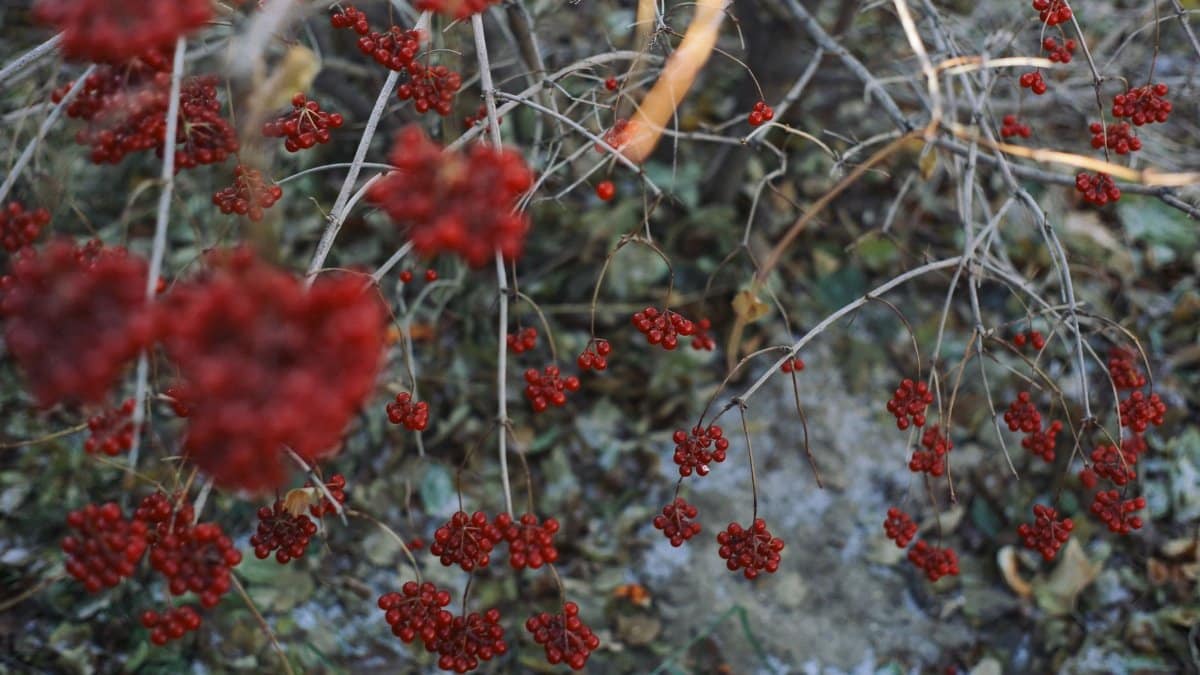
For people who grow food in yards, community plots, and on balconies, the forecast is a deadline with soft edges. Tomatoes, peppers, basil, and impatiens are the usual casualties of the first cold night. Kale, collards, parsley, and many root crops can take a light frost and sometimes taste better afterward. The practical question is not whether autumn has arrived in a philosophical sense. It is which plants are worth covering with a sheet for one night and which should be harvested now.
Sheets, overturned baskets, and old row cover can buy a night or two if they do not rest directly on tender leaves and if they are removed once the sun is up, so plants do not cook under plastic or cloth. Watering soil in the late afternoon can also help, because moist ground releases heat more slowly than dry ground. None of this is heroic. It is the small labor of people who have been eating from the same beds since June and are not ready to call the season finished. A Philly first frost weekend compresses those decisions into a Friday evening scramble.
Homes, commutes, and the first test of colder routines
Inside, the shift is quieter and just as real. Windows that stood open for a week will close. The first blast of a heating system can smell like dust. Filters that were ignored in September suddenly seem worth a look. Outdoor spigots, hoses, and any exposed piping in unheated spaces deserve a check before a colder night, especially in older rowhouses where a forgotten line can become an expensive surprise later in the season.
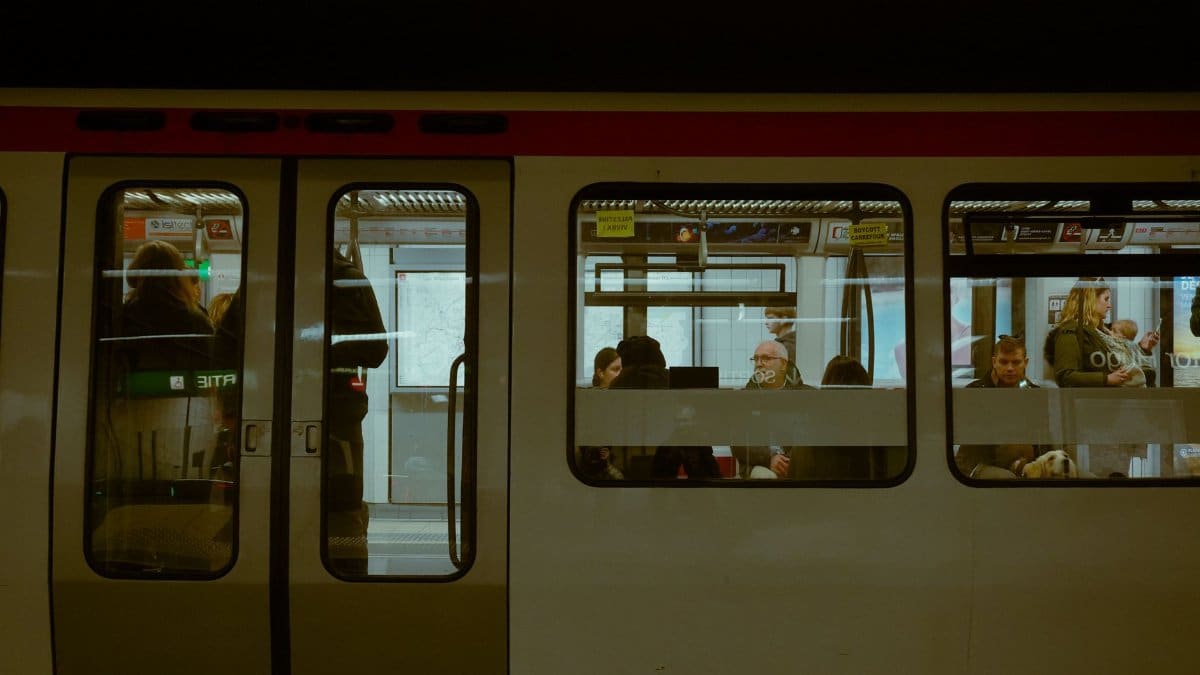
Commuters will feel the change at the margins of the day. A jacket that seemed optional on Wednesday becomes reasonable before dawn. Cyclists and people waiting for buses notice wind more than the headline high. School sports and weekend youth games may start in air that feels genuinely cold and finish under a milder sun. Parents who packed for last weekend’s weather will mispack for this one. That small error is how a region relearns the month it is actually in.
Faith communities marking a turn indoors
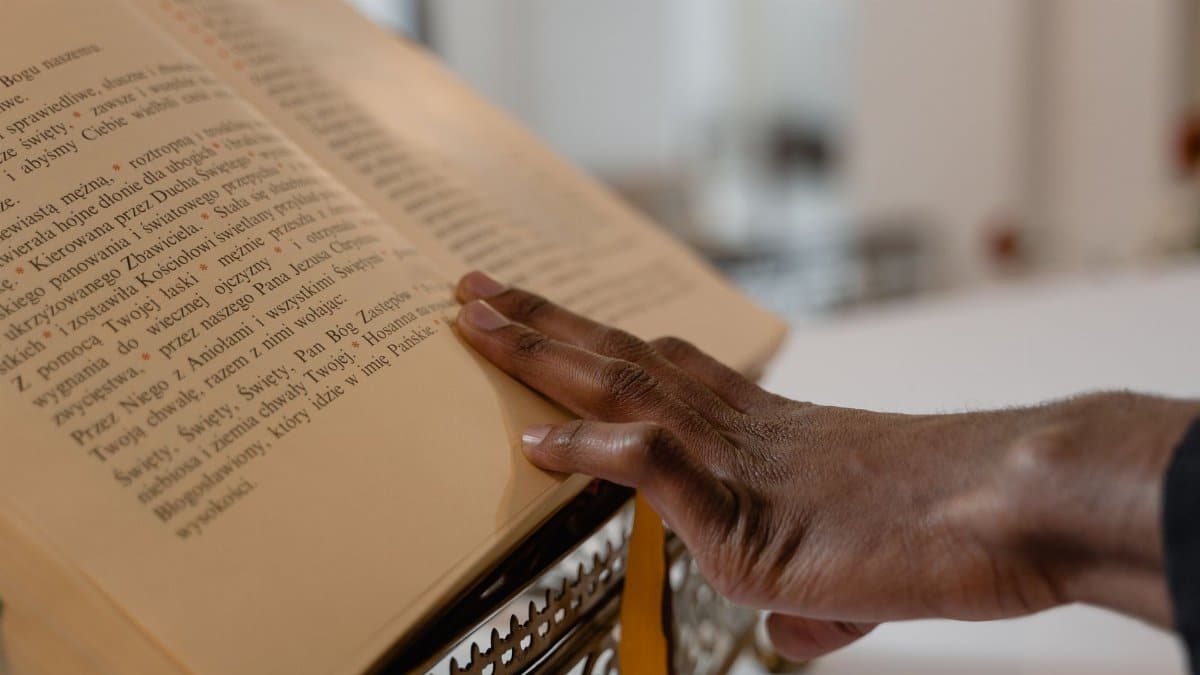
Houses of worship across the region have spent recent weeks in a peculiar overlap: summer programming lingering, autumn study and service schedules already underway. A cold weekend does not rewrite doctrine. It does change the texture of gathering. Evening meetings move fully inside. Outdoor blessings of animals, neighborhood meals, and courtyard coffee hours lose their easy weather. Custodians think about boilers. Volunteer crews think about who might need a ride if the morning feels raw.
Many congregations already treat this part of the year as a spiritual hinge, whether through harvest gratitude, memorial customs, or a simple invitation to slow down. A possible frost gives that language a physical edge. The growing season’s generosity is still on tables in the form of late tomatoes and apples, and it is also ending in a visible way. Clergy and lay leaders who speak about attention, stewardship, and care for neighbors have a concrete image at hand: cover what is tender, share what will not last, and check on people for whom a cold house is not a minor inconvenience.
That last point is easy to skip in a weather story aimed at gardeners. For older residents, for people without reliable heat, and for anyone living outside, the first cold nights are not picturesque. Congregations, mutual aid groups, and city agencies often use weekends like this as a prompt to confirm shelter plans, coat drives, and wellness calls. The spiritual claim, if there is one, is modest. Seasons ask communities whether their care is real when the air changes.
How forecasters talk about a chance, not a promise
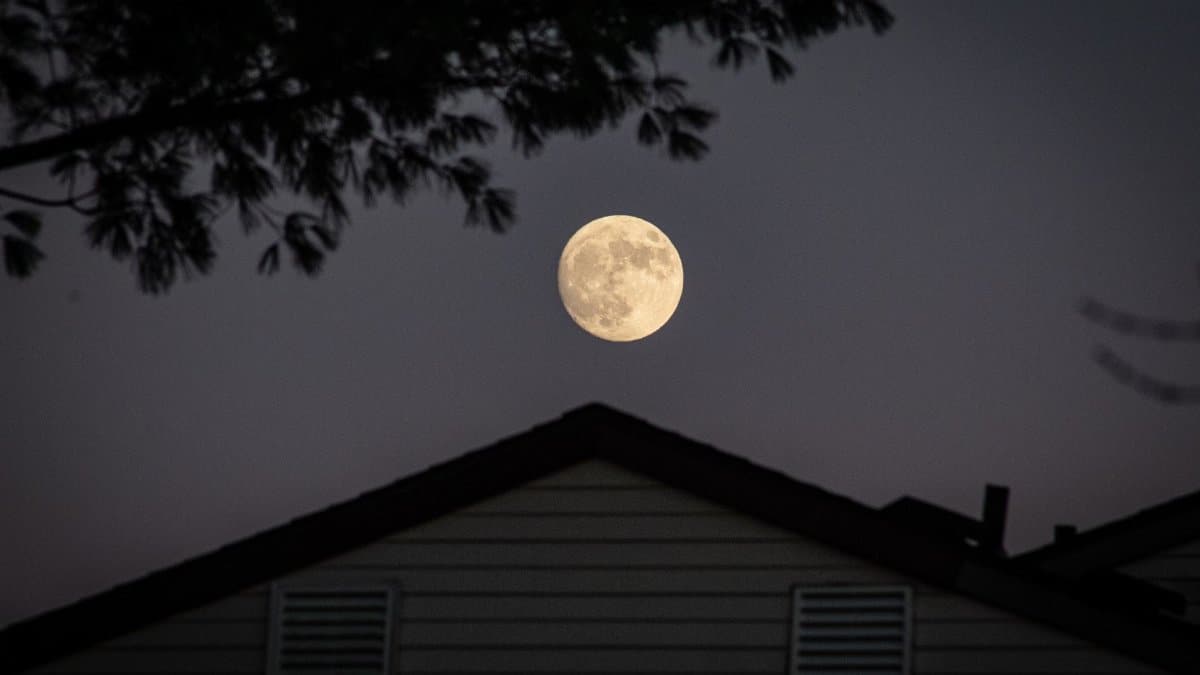
A responsible forecast hedges, and readers sometimes hear hedging as indecision. It is the opposite. Temperature forecasts for a weekend are more confident than the fine detail of where frost will form. The National Weather Service Philadelphia and Mount Holly office, which covers much of the region from its public forecast pages, distinguishes between expected highs and the overnight risk of temperatures near freezing in typically colder spots. Those pages, at weather.gov, are a better guide than a single social media screenshot passed around without the map attached.
Local news desks, including weather coverage in The Philadelphia Inquirer, translate that guidance into the language of commutes, school mornings, and yard work. The useful sentence is usually conditional. Frost is possible, especially outside the urban core, especially if skies clear and winds slacken. If clouds thicken or a breeze holds, many neighborhoods may see only a cold start and a dry lawn. Living with that conditional is part of residing here. Certainty arrives after sunrise, in the form of either glitter on the grass or its absence.
What one weekend does not prove about the climate

It is tempting to treat any odd stretch of weather as a verdict. A summerlike run of days in October feels like evidence. A sudden frost feels like a rebuttal. Neither weekend, by itself, settles the larger pattern of a warming region. Climate is the long accumulation of seasons, not the argument you have with a neighbor about whether to bring the cushions in.
What residents can say without overreaching is simpler. Warm spells in autumn have become a familiar interruption, and they make the return of seasonal norms feel abrupt. Frost dates still arrive, and they still matter for agriculture, infrastructure, and health. The honest posture is to take the weekend forecast seriously for what it is, a short range shift with real effects on plants and routines, and to resist promoting it into a theory of everything. Weather deserves precision. So does the bigger story.
A civic calendar written in coats and covered beds
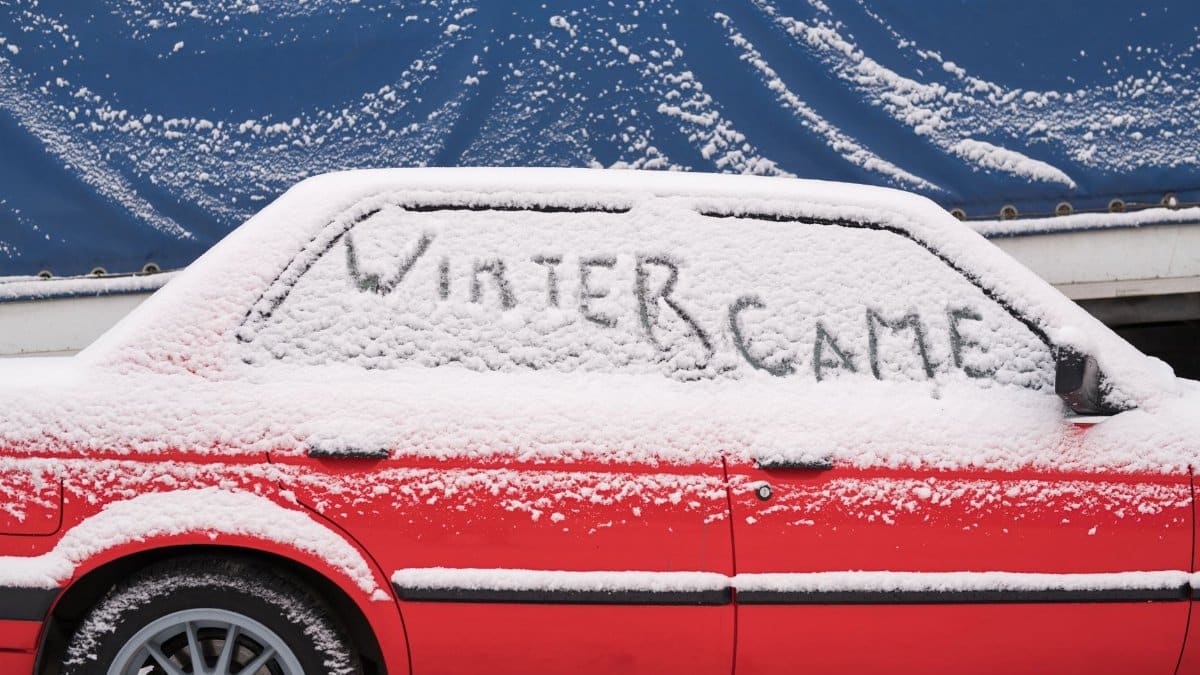
Philadelphia measures time in more than holidays. There is the week the humidity breaks, the week the shore traffic thins for good, the morning when someone on the block finally puts pumpkins where the tomato pots were. A Philly first frost weekend belongs on that unofficial calendar. It is less famous than the first snow, and for many households it is more useful. Snow is a spectacle. Frost is a memo.
The memo says the outdoor season is no longer automatic. It says harvest what will not survive, cover what might, and stop assuming that dinner can happen on the stoop without a sweater. It says the furnace, the coat closet, and the neighbor who struggles with steps in the cold are back in the frame. After heat that felt borrowed from July, that memo can sound stern. It is also a kind of relief. The year has a shape again.
How to meet the morning without drama
If the cold verifies, Sunday and Monday will look ordinary from a distance. Coffee shops will be busy. Trains will run. The sky may be the hard blue that follows a clear night. Up close, the signs will be small and specific: a skim of ice in a bucket, limp basil, breath visible for a few minutes after dawn, children negotiating for the jacket they refused last week.
There is no need to narrate the weekend as an emergency. There is a need to treat it as information. Check the overnight forecast again on Friday, because frost risk can rise or fade with a change in clouds. Harvest or cover tender plants if a freeze is possible where you live, not where a friend downtown lives. Glance at heating equipment before you need it at 6 a.m. Offer a ride or a check in if you know someone who feels the cold as a threat rather than a mood.
By the middle of next week the conversation may already have moved on, toward rain, toward another mild spell, toward whatever the next system brings. That is how weather works in a city that talks about it constantly and then forgets. The value of this particular turn is that it asks for a little memory. Summerlike heat was a gift with an expiration. The Philly first frost weekend, if it arrives in the yards and hollows that usually see it first, is the expiration date written in ice on a leaf. Read it, act on it, and let the season be what it is.