
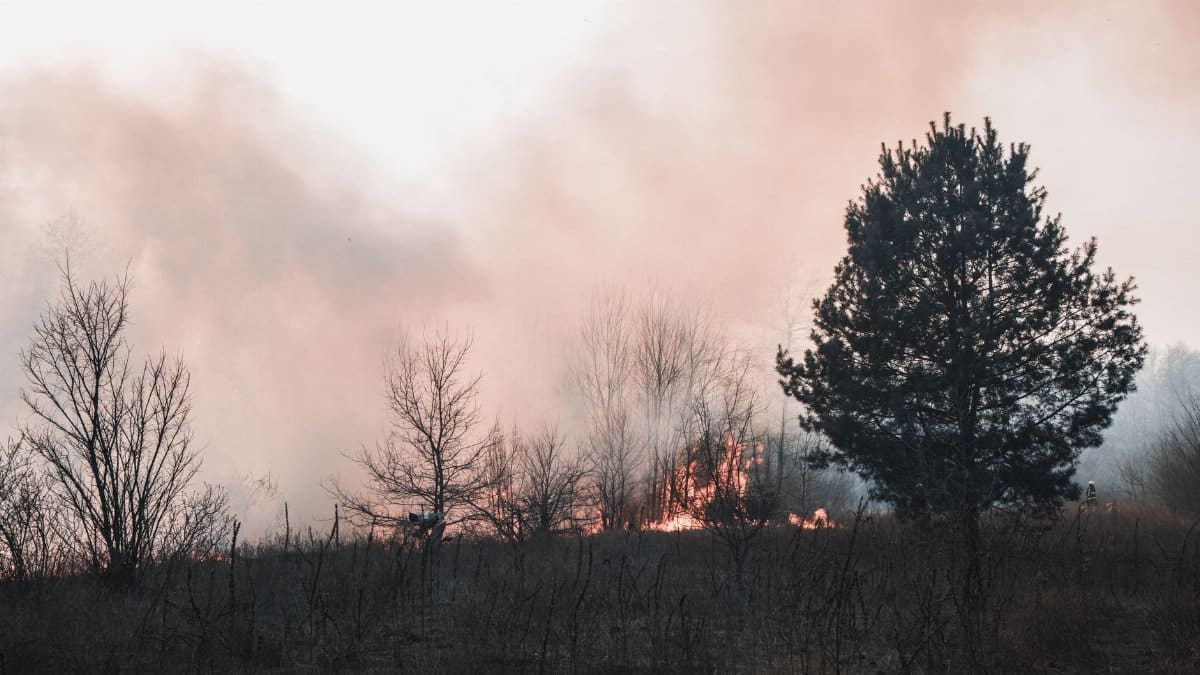
President Trump has approved a federal emergency declaration to support efforts against Spokane wildfires that have threatened homes and landscapes across eastern Washington. The move unlocks federal resources and covers seventy five percent of eligible response costs as state and local teams work to contain the blazes. This step arrives at a moment when many residents turn to deeper questions about loss, endurance, and the ties that bind communities during hardship. Observers note that such declarations often highlight not only logistical needs but also the quiet strength found in shared rituals of support and reflection.
Federal Support Meets Local Realities
The declaration allows quicker access to supplies and personnel while easing financial pressure on Spokane County. Officials describe the process as a bridge between national capacity and the specific demands of rural terrain where flames move fast. Residents report that coordination among agencies has improved since earlier fire seasons, yet challenges remain in reaching isolated properties. Many see the federal role as practical aid that frees local groups to focus on immediate protection and longer recovery plans.
Faith Communities Organize Relief Efforts
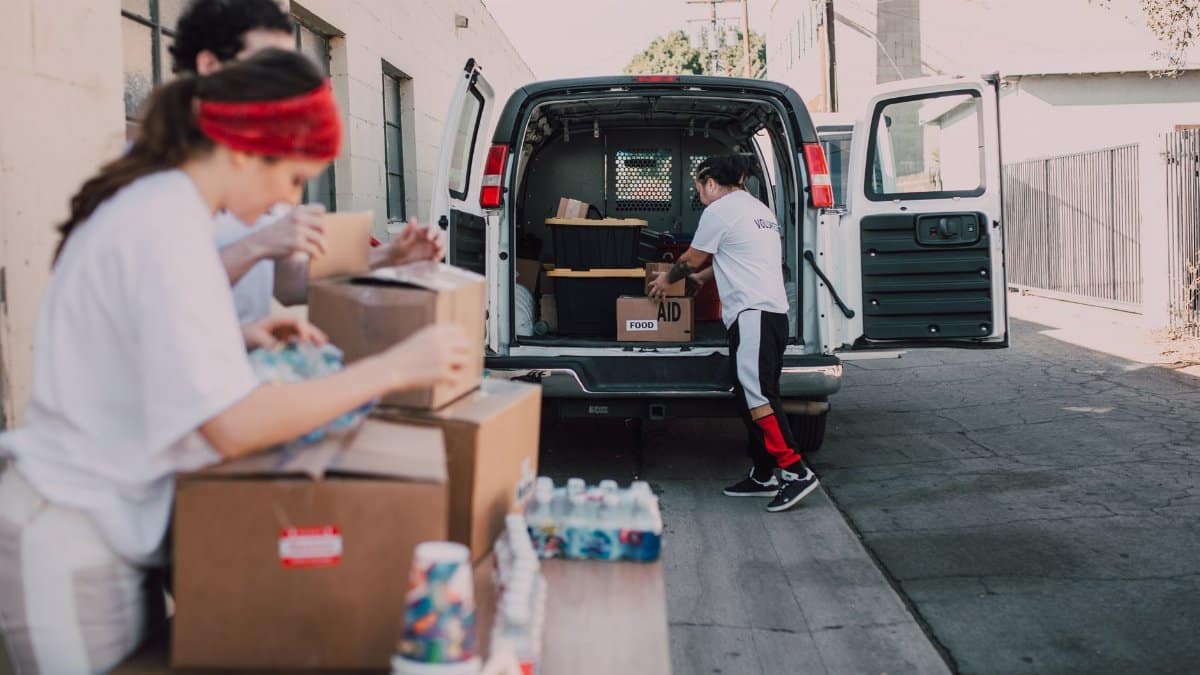
Churches and temples across the region have opened their doors as collection points for donations and temporary shelters. Volunteers from various congregations coordinate meals and counseling sessions that address both physical needs and emotional strain. These gatherings often include moments of shared prayer that reinforce a sense of purpose amid uncertainty. Leaders emphasize that such activity draws on longstanding traditions of service that predate any single crisis.
Environmental Shifts Shape Fire Behavior
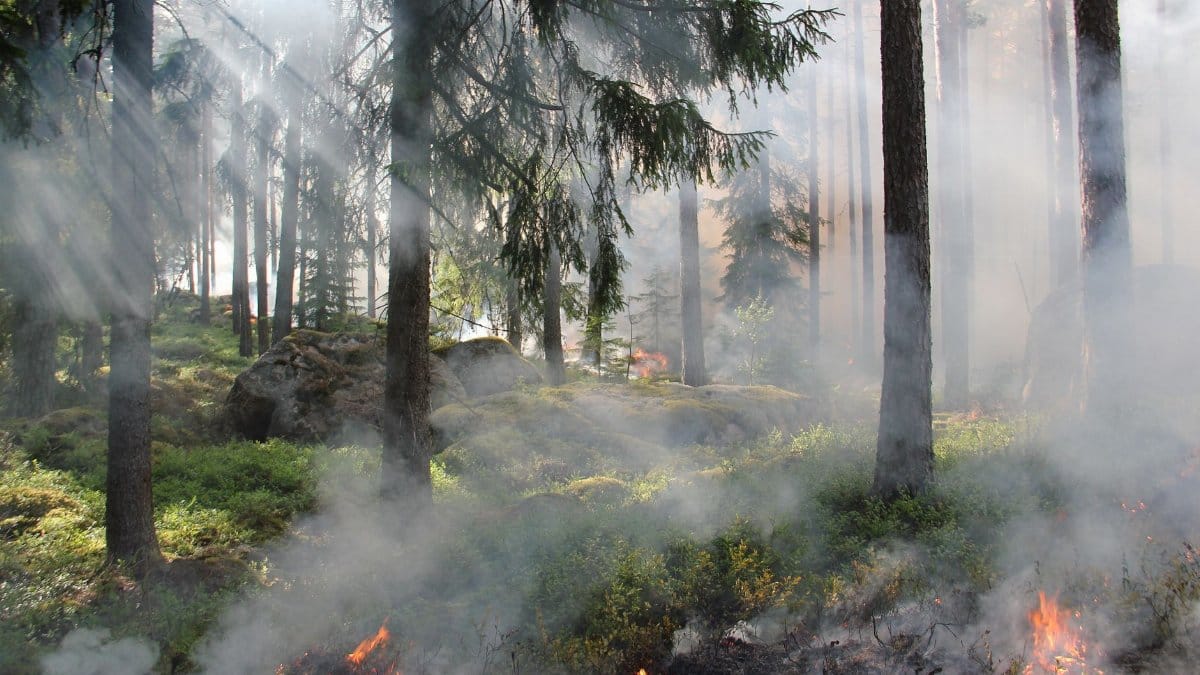
Drier conditions and shifting wind patterns have altered how Spokane wildfires spread through forested areas and grasslands. Scientists point to broader patterns of warmer temperatures that extend fire seasons and reduce moisture in vegetation. Local land managers adjust strategies accordingly, combining controlled burns with public education on defensible space around homes. The changes prompt wider conversations about stewardship of the natural world and human responsibility within it.
Personal Stories Reveal Community Bonds

Families who evacuated describe the sudden decisions that led them to safety while leaving behind irreplaceable items. Neighbors check on one another through phone trees and social media updates that keep everyone informed. These accounts often include expressions of gratitude for the unseen work of firefighters and the steady presence of faith leaders who visit shelters. Such narratives illustrate how individual experiences weave into a larger fabric of mutual reliance.
Historical Patterns Inform Current Responses

Records show that fires have visited the Spokane region in cycles tied to weather and land use practices over decades. Past events led to improved mapping and early warning systems that now guide evacuations. Community elders recall earlier generations who rebuilt after similar losses, drawing on spiritual resources to find meaning. These precedents offer perspective without diminishing the scale of present challenges.
Economic Pressures Follow the Flames
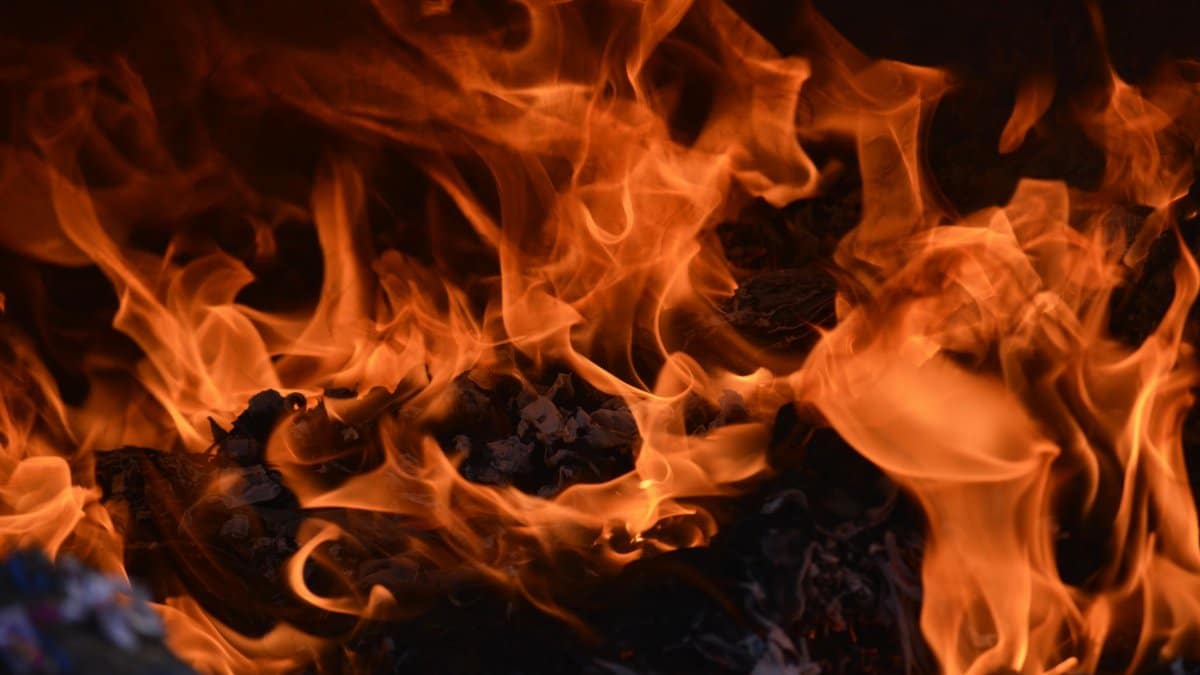
Businesses dependent on tourism and agriculture face disruptions that ripple through the regional economy. Insurance claims mount as property assessments continue, and workers in affected zones weigh temporary relocation. Nonprofit organizations tied to religious networks step in with grants and job placement help. The situation underscores connections between environmental events and the daily rhythms of earning a living.
Looking Ahead With Measured Hope

Recovery plans now incorporate lessons from the current response, including better integration of volunteer networks and mental health resources. Discussions continue about long range land management that balances growth with ecological limits. Many participants in these talks frame their work as an extension of ethical commitments to future generations. The process moves forward with recognition that resilience grows from both practical measures and inner convictions.