
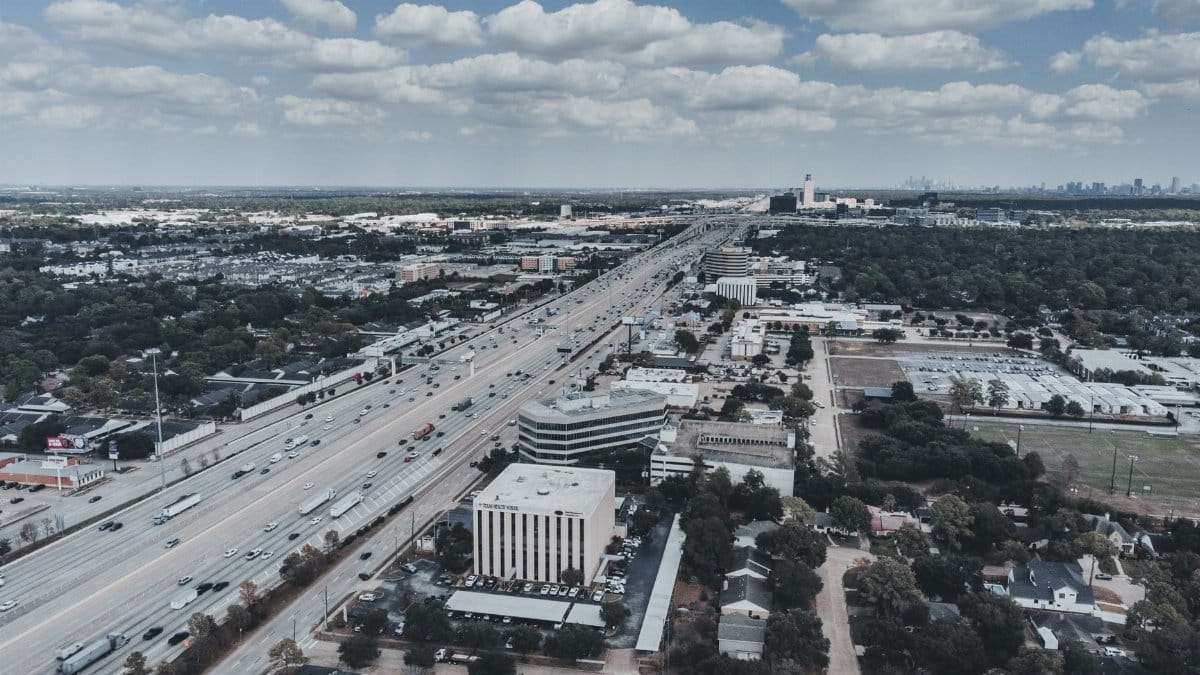
On a mild evening in North Dallas, the usual rhythm of Preston Hollow can feel almost private. Lawns hold their color late into fall. Cars turn slowly off wide streets. Porch lights come on one by one. Into that calm has stepped a fight loud enough to reach City Hall. The Preston Hollow towers zoning delay has pushed a fiercely argued vote into November, giving a developer more time to answer neighbors who say the streets around an 800 million dollar project cannot take what is being proposed. For people who live nearby, the postponement is not an abstraction. It is another stretch of weeks spent wondering whether the skyline they know is about to change.
A vote moved, not erased

The Dallas City Council did not kill the proposal. It moved the decision. Coverage in The Dallas Morning News has described the postponement as time for the development team to refine a traffic plan while opposition from nearby residents stays intense. The date now in front of the city is November 10. In zoning fights, a delay can look like care to one side and like drift to the other. Applicants often say extra time produces a better filing. Critics hear a pattern in which momentum survives every pause. A vote that is put off is still a vote that will arrive, with the same maps and the same letters from people who do not want towers near their blocks.
An investment measured in hundreds of millions

The sum attached to the plan, about 800 million dollars, tells residents this is not a modest building tucked behind a store. It signals a project large enough to reorder daily movement in a prized part of the city. Public discussion has centered on towers proposed along the Preston Royal corridor in Preston Hollow, a stretch known for shopping, medical offices, and streets that prize a lower profile. Developer Leland Burk has been identified in news coverage as a principal figure in the effort. Heights, unit counts, and site plans will matter when the file returns. What already matters is the sense that one rezoning could redraw the understanding between a settled district and a city still adding people.
Traffic is the reason for the pause
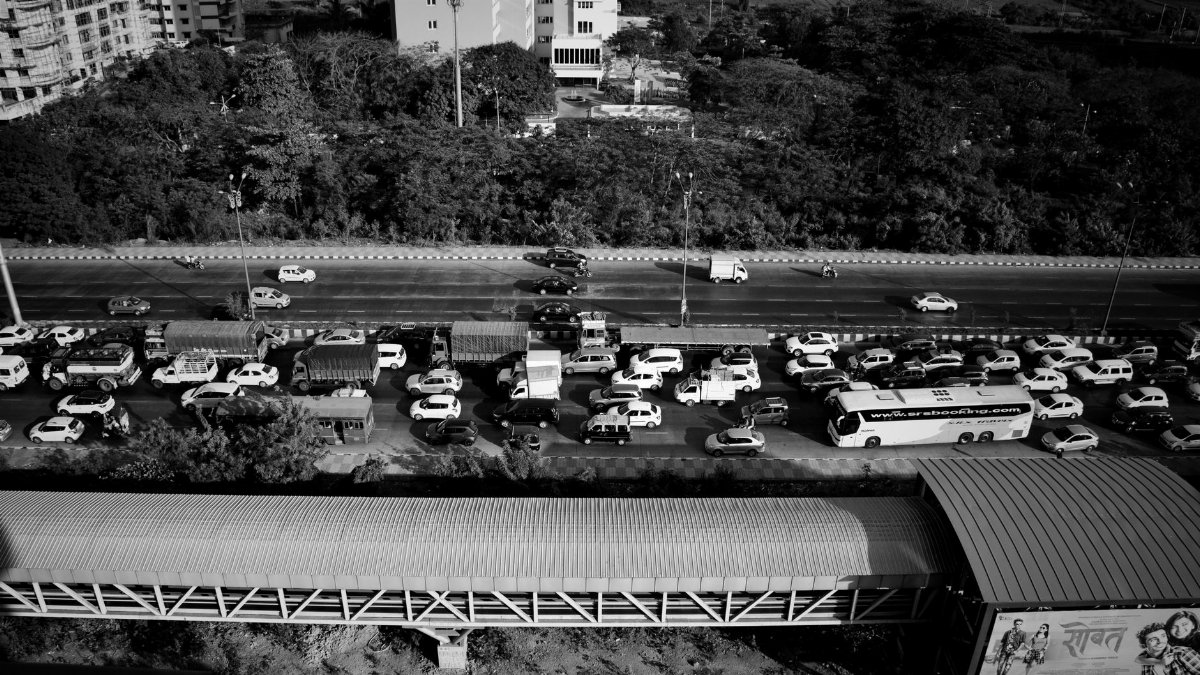
The practical reason for the Preston Hollow towers zoning delay is traffic. Council members postponed action so the developer could refine a plan for how cars would enter, leave, and stack around the site. Residents who oppose the towers describe intersections that already tighten at school release, at dinner, and on weekends when shoppers fill lots along Preston Road. They argue that a study can look orderly on paper while the lived street remains jammed. Engineers speak of trip generation, turn lanes, and signal timing. Neighbors speak of the extra minutes required to reach a doctor, a campus, or an older parent who should not be left waiting. A refined plan will have to address both accounts if it hopes to move votes.
More than a quarrel about cars
Opposition here is not only about asphalt. It is about scale, shade, privacy, and the fear that a district organized around houses will be asked to absorb a denser form. Longtime residents describe children on bikes, older neighbors walking to errands, and a home value that includes the assumption the next building will not loom over a back fence. Some of that fear is visual. Some of it is financial, because uncertainty can slow a sale before any crane arrives. Some of it is the wish to be heard before the city treats a neighborhood as unused capacity. The ordinance language is dry. The feeling under it is not.
The argument for building up

There is a countercase, and it deserves a straight hearing. Dallas continues to add residents. Housing near shops, jobs, and existing roads can ease the push to send development farther into open land. Advocates for taller buildings say a city cannot freeze every low corridor and still claim to welcome newcomers. They cite tax revenue, construction employment, and the chance to replace underused parcels with something more intense. In a region where commutes already shape family life, putting homes closer to daily needs is a serious idea. The difficulty is that a general case does not automatically fit every corner. A site can sit near shops and still depend on a street network never built for tower traffic. Neighbors have forced that distinction back onto the agenda, and the council cannot wish it away.
What November 10 will test

November 10 now organizes the wait. Before that hearing, the developer is expected to return with a clearer account of circulation, access, and mitigation. Council members will judge whether the account is specific enough to support a zoning change of this size. Extra time can improve a filing. It can also become a holding pattern in which nobody gains clarity. Residents will look for concrete changes rather than a fresh coat of language. Do driveways move? Do peak hour assumptions change? Is there a binding limit on what can be built if the market shifts later? Those questions separate a real revision from a pause meant only to cool the room. The Preston Hollow towers zoning delay will be judged by the answers, not by the calendar alone.
Trust is the scarce resource

Zoning is where a city shows whether its promises work. Applicants promise traffic fixes and a respectful fit. Neighbors promise to engage if the numbers are honest. Council members promise to weigh both. If the revised plan answers measurable problems, trust can recover even among people who still dislike towers. If the revision looks cosmetic, the pause will be remembered as time bought rather than time used. Dallas has watched enough large cases to know the difference. Concessions that cannot be enforced at the curb do not age well. A flat refusal to consider any change in a growing city does not age well either. The standard ought to be evidence. Volume is not a substitute.
Growth has a local bill

North Dallas feels the same pressures reshaping the wider region. Employers, hospitals, and retail corridors draw people toward zip codes that already succeed. Land prices reward intensity. Owners of commercial parcels see housing demand and ask for height. Residents see the same demand and ask the city to hold a line. This dispute sits inside that tension. It is not a simple story with one villain. It is a negotiation over who pays for growth. A tower may send tax dollars to the whole city while leaving congestion, shadow, and years of construction on a few blocks. A denial may protect those blocks and send the next proposal toward a place with less political strength. Fair reporting has to keep both results in view. The Preston Hollow towers zoning delay is one chapter in that longer argument about where Dallas grows, and at whose front door.
A plan that can survive questions

What should the revision contain? A street by street account of where new trips go, not a regional average that flatters the site. A list of intersections most likely to fail, and a plain statement of the remedy if they do. A construction route that does not turn nearby families into an unplanned buffer for years of heavy trucks. Drawings that match the zoning request so a later redesign cannot quietly grow. And release of those materials early enough for neighbors to test them, not on the morning of the vote. That last expectation is easy to skip and hard to forgive. Extra weeks help only if they are used for scrutiny. Surprise is not refinement. If the packet meets that test, skeptics will still have a right to oppose the towers. They will have a harder time claiming that the city refused to look.
Participation does not pause with the vote

The postponement extends public participation rather than closing it. People who live near the site can compare the new materials with earlier filings and tell council members what changed. People who want more housing in established districts can make that case without waving away the traffic math. The Preston Hollow towers zoning delay will mean little if the only voices left in the room are those with lawyers on retainer. November 10 will not settle every debate about growth in this city. It can show whether a hotly argued project was given a real second look, or whether delay served mainly to soften the path back to an unresolved conflict.