

California’s vast landscapes have long inspired visions of connection and progress across the state. Now a major infrastructure effort is drawing attention to how transportation links might spark clusters of advanced computing facilities around the San Francisco Bay Area. High Speed Rail Data shows the potential for these developments to reshape local economies and daily life in profound ways that extend beyond simple travel improvements.
Connecting Distant Communities With New Purpose

The rail initiative promises to shrink travel times between cities in ways that could encourage businesses to spread out rather than concentrate solely in dense urban cores. Residents in smaller towns might find fresh opportunities as companies seek space for large scale operations that require reliable power and cooling systems.
Understanding The Role Of Data Facilities In Growth

These facilities house servers that power everything from online services to research efforts. Their presence often brings jobs in maintenance and support though they also raise questions about energy use and land allocation in already crowded regions.
Economic Shifts Felt Across The Bay Area

Local officials note that such projects could diversify income sources for communities historically tied to tech offices or tourism. Property values might rise in areas near planned stations while some worry about increased strain on water supplies and roads during construction phases.
Environmental Considerations In Modern Planning
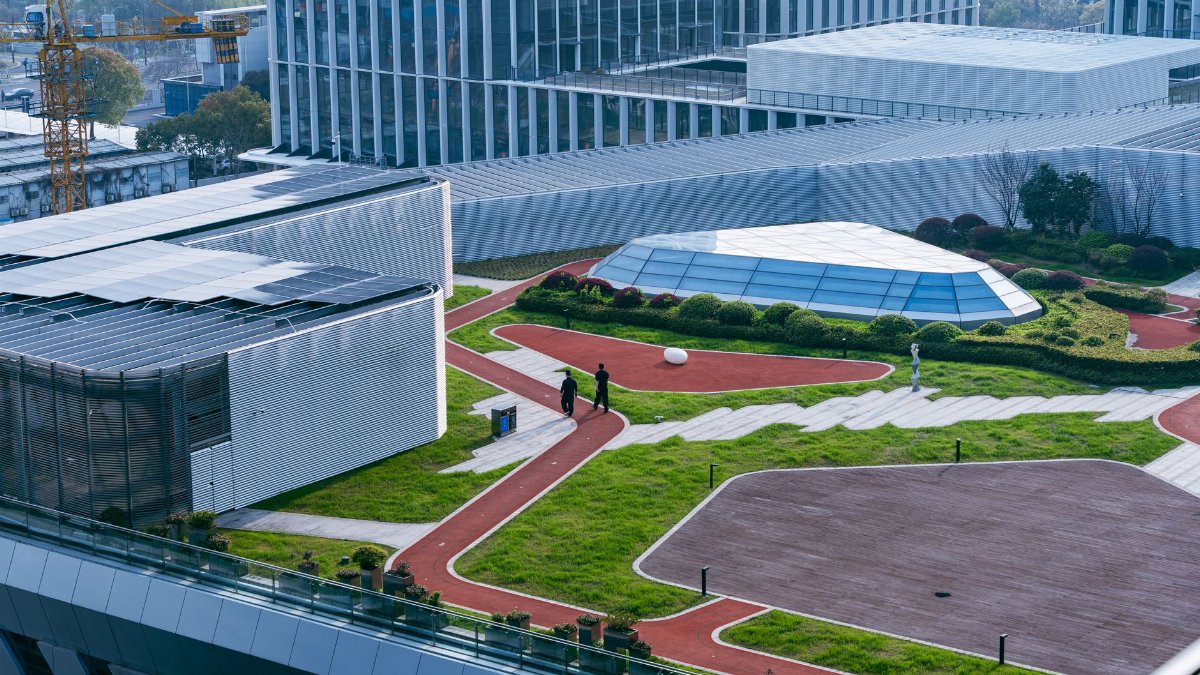
Advocates emphasize designs that incorporate renewable energy sources to offset the heavy demands of server operations. This approach aligns with broader state goals for reducing emissions yet requires careful coordination between rail builders and utility providers.
Community Voices Shaping Future Decisions

Public meetings have revealed a mix of excitement and caution among longtime residents. Some see the changes as a chance to revitalize neighborhoods while others fear losing the quiet character that defines their towns.
Technological Advances Supporting Broader Access

Improved connectivity through rail could make remote work more viable for people living farther from traditional job centers. This flexibility might encourage a more balanced lifestyle that blends professional demands with personal fulfillment.
Policy Frameworks Guiding Responsible Expansion

State leaders are developing guidelines to ensure that new facilities contribute fairly to local taxes and services. These rules aim to prevent uneven burdens on existing populations while promoting innovation.
Looking Ahead To Integrated Regional Systems

Over time the combination of fast rail and computing hubs could create networks that support education health care and cultural exchanges in unexpected forms. Observers suggest this evolution might foster a renewed sense of shared identity across diverse populations.