
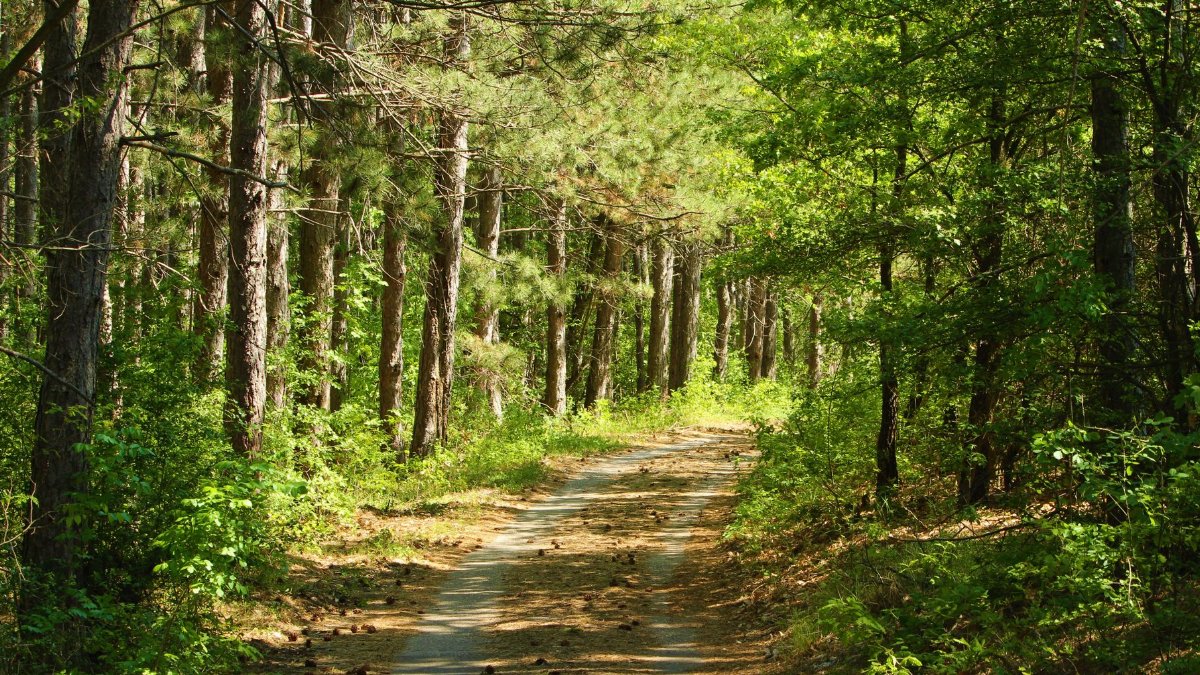
On a gray morning above the Ohio River bluffs, the Shawnee National Forest can feel less like a park brochure and more like a working landscape of oak, sandstone, and narrow gravel. For a quarter century, large stretches of that landscape have been kept free of new roads under a national policy now facing a direct challenge in southern Illinois. The Shawnee Roadless Rule repeal, advanced in a USDA proposal, would lift 2001 limits on road building across more than 10000 acres. Supporters say the change would give managers flexibility after storms and open ground to careful use. Critics hear the start of a slower unraveling, one cut and one corridor at a time.
What the proposal would change

The paperwork is plainer than the politics. A USDA proposal would remove roadless protections from a defined set of acres inside the Shawnee National Forest, a federal woodland that runs across the southern tip of Illinois. Those acres are not the whole forest. They are pockets that the 2001 Roadless Area Conservation Rule treated as places where new roads should not be the default tool of management. Repeal, in this setting, would not pave a highway overnight. It would change the rule that now stands between a planning map and a bulldozer. That distinction matters, and it is also easy to lose in a hearing room where the talk turns to jobs, fire, and the idea that unused land is wasted land.
A forest shaped by ridges and hollows
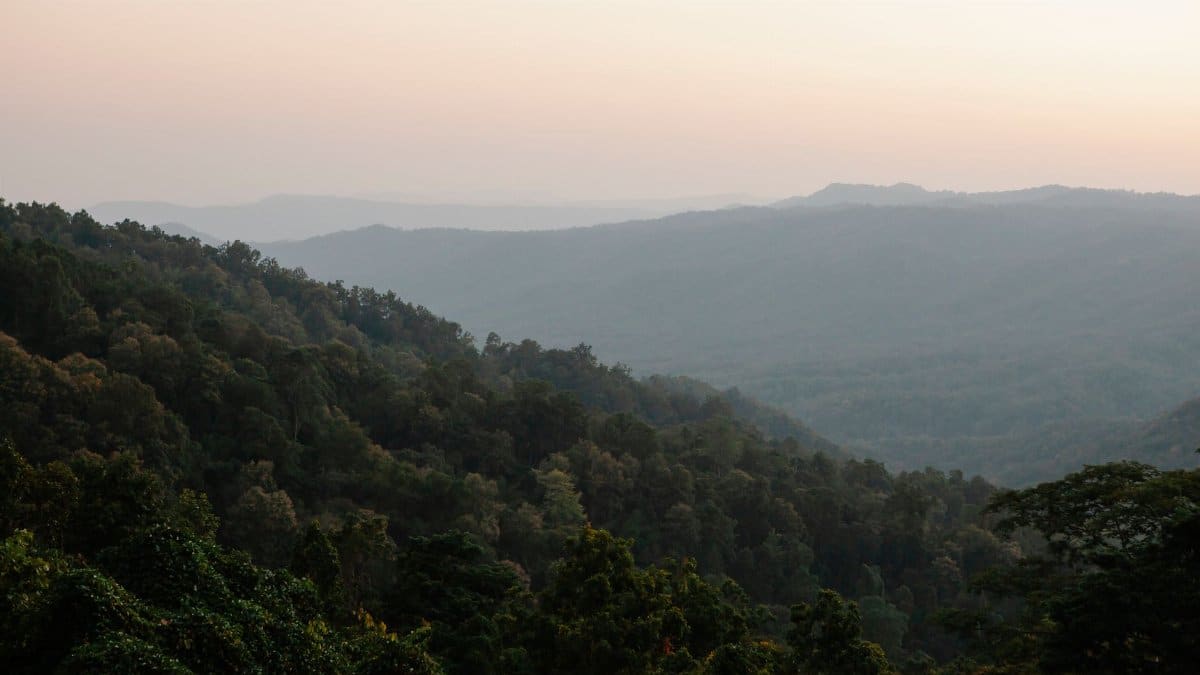
Shawnee country does not read like the flat Illinois of popular imagination. The ground rises into ridges, drops into hollows, and breaks into cliffs that hikers know by the scrape of sandstone under a boot. Streams leave the hills stained with leaf tannin. In summer the canopy closes. In winter the same slopes show every old skid path and every place where rain has cut a ditch. I walked one of those ridges on a cold afternoon and the quiet was ordinary, which is precisely why people fight over it. Ordinary quiet is hard to restore once a road has taught the map a new habit.
How the 2001 rule came to be
The national roadless rule was written at the end of a long argument about what national forests are for. It did not lock every acre behind a gate. It said that in inventoried roadless areas, the Forest Service should not build new roads as a matter of course, with limited exceptions for public safety and certain existing rights. The Shawnee Roadless Rule repeal would test that bargain on a modest map by national standards and a large one by local standards. More than 10000 acres is a small fraction of the American roadless estate. In a forest already crossed by county roads, utility lines, and old logging tracks, it is a meaningful share of what still feels intact.
Acres that have stayed quiet

Quiet is not the same as unused. Hunters park at the end of a gravel lane and walk in. Foragers know which slopes hold mushrooms after a wet week. Birders time their visits to migration. None of that requires a new road through the interior. The acres at issue have stayed comparatively free of fresh construction because the rule made new construction the exception. Lift the rule, and each future project can be argued on its own merits. That is the managerial virtue supporters praise. It is also the risk opponents name, because projects rarely arrive all at once. They arrive as a salvage sale, a fire line, a spur to a ridge, and then another.
Hunters, hikers, and neighbors
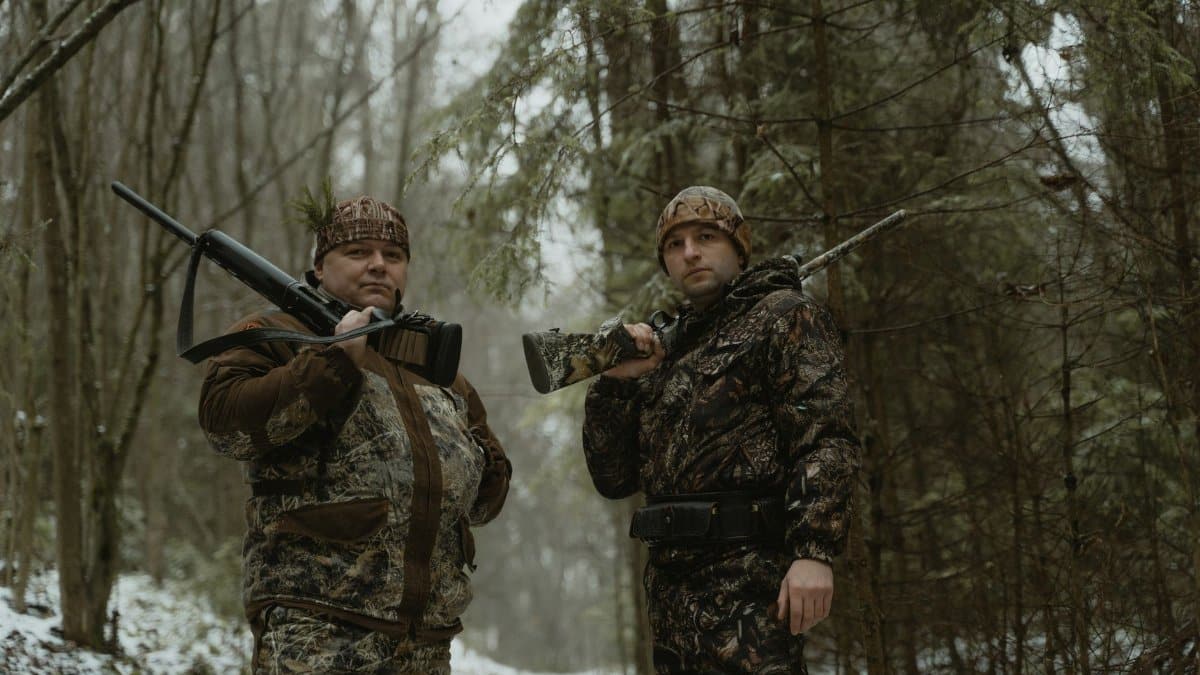
Southern Illinois does not split neatly into city greens and rural workers. Many of the people who hunt these woods also cut timber, staff volunteer fire departments, and sit in church basements when a storm has taken a roof. Trail users from Carbondale and Paducah share parking lots with locals who have family ground next to the federal line. A repeal fight can harden those groups into cartoons. On the ground they often want overlapping things: deer that have cover, creeks that still run clear, and a way to reach a downed tree without carving a permanent corridor that invites dumping, mud, and night traffic. Access is not a dirty word here. Permanent access is the question.
Timber, access, and local economies
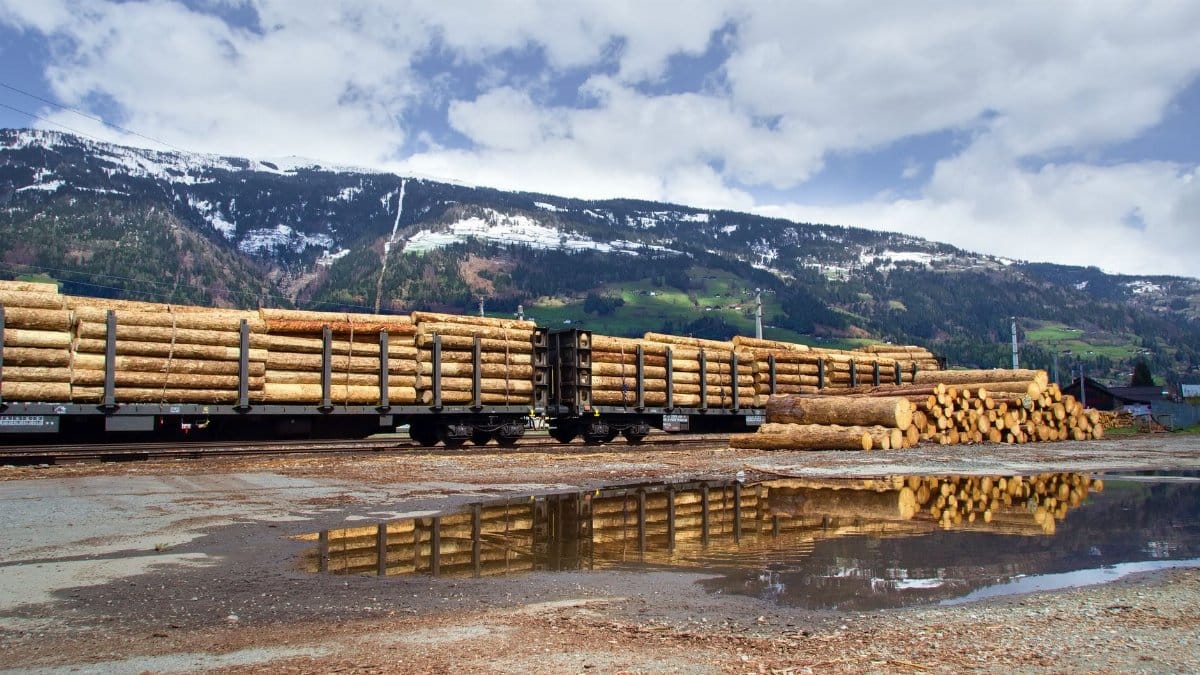
Proponents of opening the acres argue that roads are tools, not scars, and that a forest which cannot be reached cannot be tended. Small mills and contract crews in the region have lived through decades of shrinking federal timber programs. A rule change does not, by itself, guarantee a sale, a paycheck, or a reopened mill. It does change the menu of what planners may propose. County officials sometimes welcome that menu because federal land pays no property tax in the ordinary way, and local governments look for any activity that keeps fuel, groceries, and equipment moving through town. The economic case is real as a hope. It is thinner as a promise until a specific project, with volumes and costs, is on the table.
Fire, storms, and management arguments
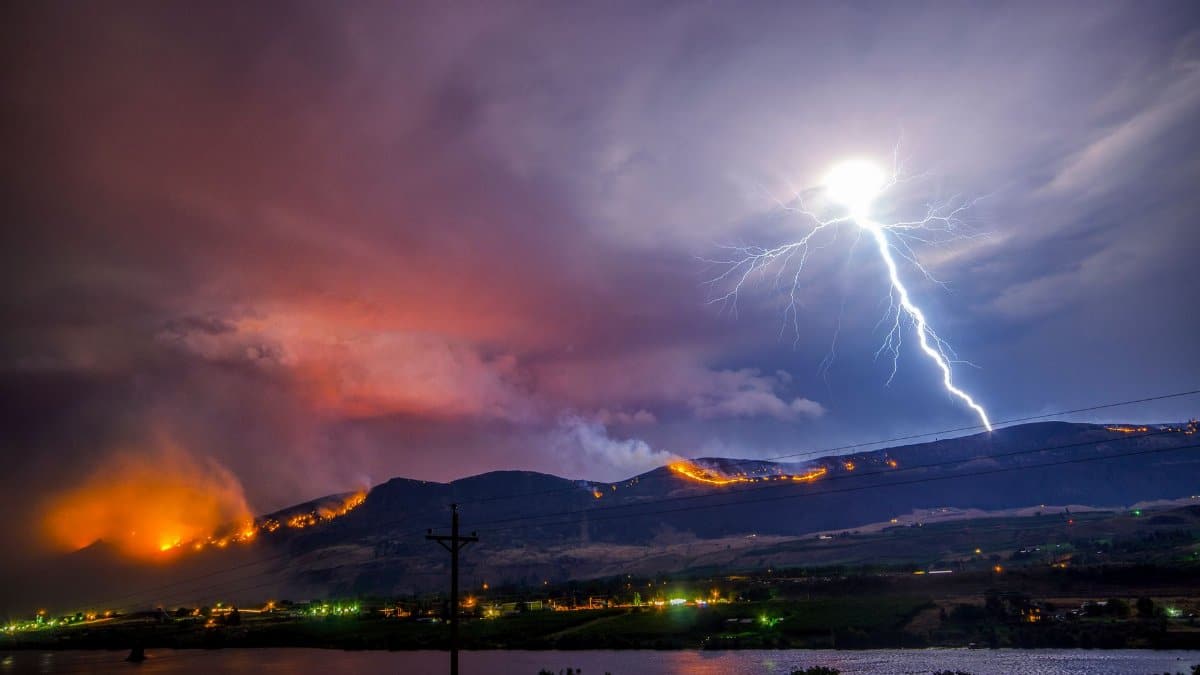
The strongest practical case for new roads is emergency work. Ice, wind, and the occasional wildfire do not respect inventory maps. Managers say they need to reach a blowdown, a bug outbreak, or a line that must be held before a dry week turns dangerous. The existing rule already contemplates some of that work. Critics reply that emergency language is easy to stretch, and that a temporary track has a way of becoming the obvious route next season. In a humid hardwood forest, catastrophic fire is less the daily story than in the dry West, but storms are not theoretical. Anyone who has watched a hollow fill with tangled oak after a straight line wind knows why crews want a way in. The dispute is whether the way in must remain.
Water that leaves the hills
Roads change water as surely as they change travel. A cut into a slope intercepts seeps. A poorly drained surface sends sediment into creeks that already carry runoff from farms, old mines, and county ditches outside the forest boundary. Shawnee streams feed a larger Mississippi system that millions of people never see and still depend on in ways that are easy to ignore from a suburb. Roadless status is not a magic filter. Poor trails and illegal off road use can muddy a creek too. Still, every new mile is another place where design, maintenance, and funding have to be right for decades. Federal maintenance backlogs are not a secret. A road built in a hopeful budget year can become a rutted problem in a lean one.
Wildlife that needs unbroken cover

Biologists tend to talk less about a single charismatic animal here and more about pattern. Songbirds that nest in interior woods lose ground when edges multiply. Salamanders and other moisture lovers suffer when canopy opens and soil dries along a cut. Deer and turkey, by contrast, often thrive near edges, which is one reason hunters do not speak with one voice. A repeal would not empty the forest of life. It would shift the pattern toward more edge and less interior if roads and harvests follow. That shift is incremental, which makes it politically easier and ecologically harder to reverse. Fragmentation is a word that sounds abstract until you are standing where two new openings meet and the deep shade is gone.
A moral language people already use

In church bulletins and at trailheads, people reach for words that are not in the Federal Register. Stewardship. Inheritance. The feeling that a ridge held in common is a kind of sanctuary even when no one calls it that. This is not a sectarian fight, and it should not be dressed up as one. It is still a fight about reverence for a place that outlasts any administration. Some residents hear a duty to keep a portion of the Shawnee difficult, slow, and insufficiently convenient. Others hear a duty to use what was given, carefully, so that work and woods can share the same county. Both languages are spiritual in the plain sense. Both can be used to dodge the details.
The public comment fight

Rule changes live or die in comment periods as much as in press conferences. The Shawnee Roadless Rule repeal will draw form letters from national groups and handwritten notes from people who know a particular hollow. Both count, and neither substitutes for a map. Readers who care should ask which acres, which exceptions, which roads already exist, and what happens to a temporary route after the emergency ends. They should ask who pays for maintenance when the construction money is gone. They should ask how tribal nations, neighboring landowners, and local governments were consulted, not merely notified. A thick docket is not the same as a fair hearing, but a thin one is a warning.
What repeal would not automatically do

It is worth saying clearly what a repeal is not. It is not a sale of the forest to private owners. It is not a permit for unrestricted off road recreation. It is not, on its own, a timber sale or a mining plan. Federal land remains federal land, subject to other statutes on endangered species, water, and historic sites. Those other laws can stop or reshape a bad project. They are slower and more expensive to invoke than a simple prohibition on new roads. Repeal moves the burden. Instead of a project having to justify an exception to a roadless rule, opponents may have to challenge each project after the presumption has flipped. Process is power. That is the unglamorous center of this story.
Politics in a narrow map
National arguments about public land tend to be staged in the West, where roadless areas run to the horizon. Southern Illinois offers a smaller stage and a sharper lesson. Here the federal forest is stitched into towns, farms, and a river economy that has already absorbed coal’s decline and the uneven arrival of tourism. A Washington proposal can look, from a distance, like a modest regulatory cleanup. From Harrisburg or Vienna, Illinois, it looks like a decision about whether the next generation will meet these ridges mostly on foot. Elections will frame the choice as loyalty or obstruction. The acres themselves are indifferent to that framing. They will record whatever the policy allows.
A decision with a long memory

Roads are among the most durable things people build in a forest. Trees regrow. Rules get rewritten. A graded corridor, once it has captured water and habit, tends to stay. That is why the Shawnee Roadless Rule repeal deserves a slower reading than a headline about opening land. More than 10000 acres can be described as flexibility or as loss, depending on who is speaking. The honest version holds both and then asks for specifics. If the government wants new authority, it should show the projects, the costs, the closures, and the lines it will not cross. A forest can serve many publics. It cannot be made convenient in every direction without becoming a different forest.