
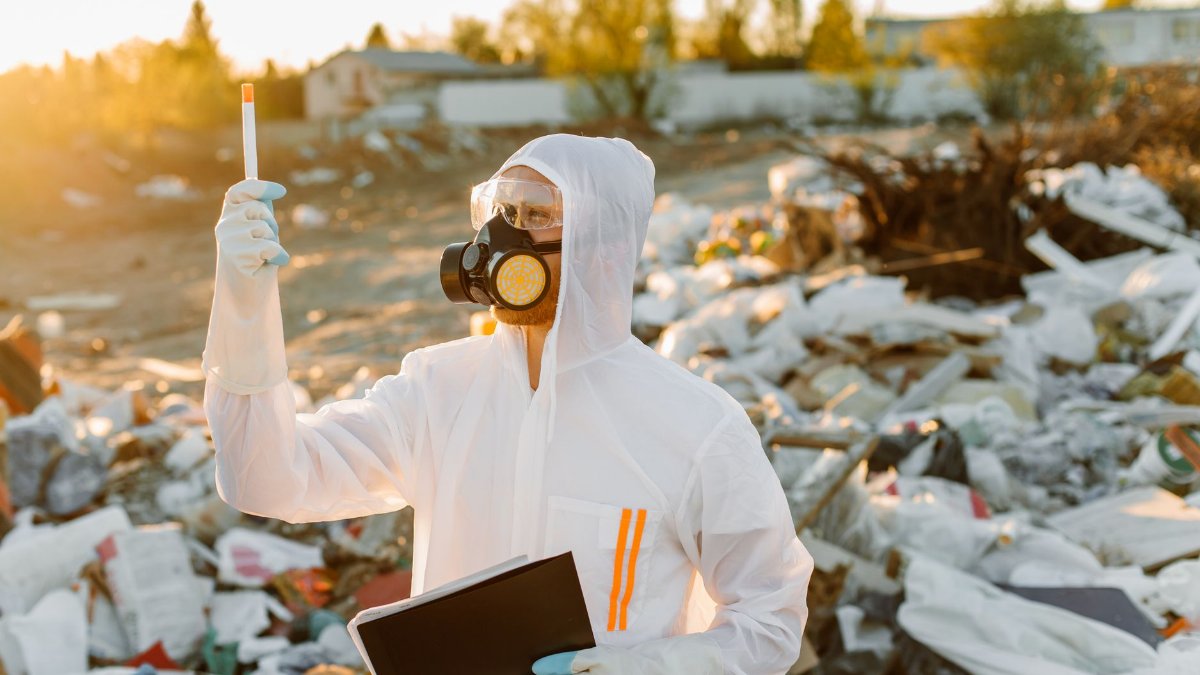
In East Whiteland Township, winter usually means sealed windows, longer nights, and the low hum of furnaces. This year it may also mean canisters on kitchen counters and technicians asking permission to sample the air inside about two dozen homes. State environmental officials want those readings because groundwater east of a former industrial property has shown higher levels of chemical contamination than earlier maps suggested. The concern is Bishop Tube contamination, a problem that has shadowed this corner of Chester County for decades and is now pressing closer to living rooms than many residents hoped it ever would.
A mill that left more than jobs behind
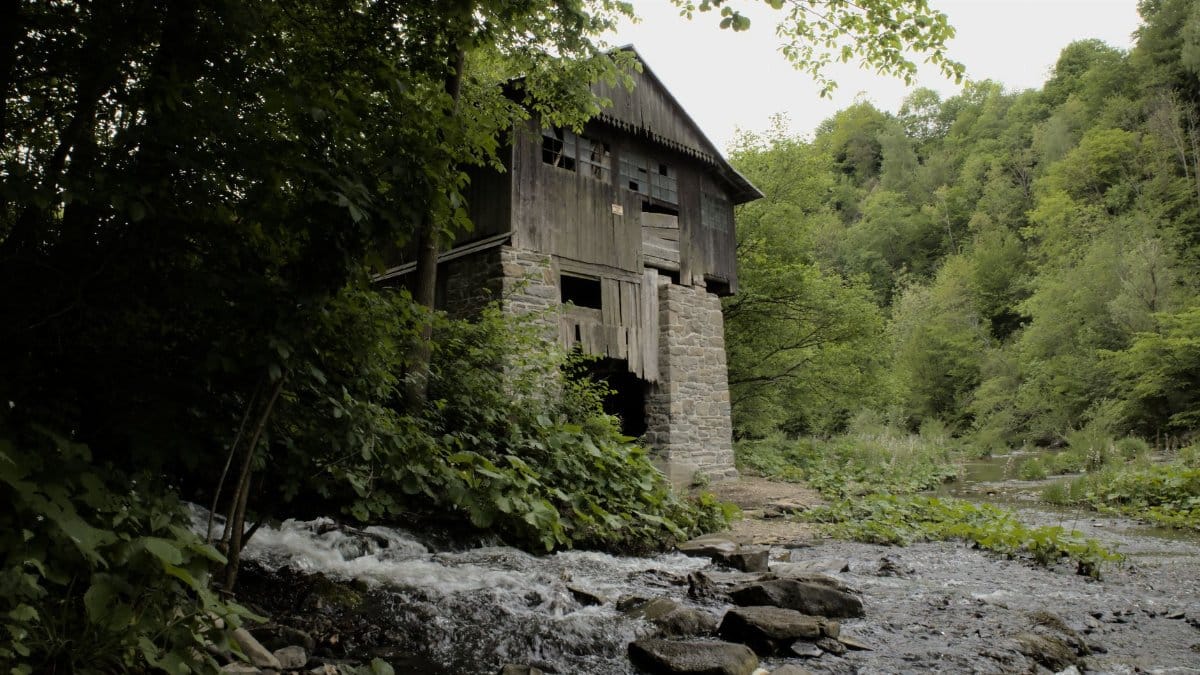
For years the Bishop Tube property was part of the ordinary industrial landscape of Chester County. Workers formed stainless steel tubing on a site tucked among roads, rail lines, and neighborhoods that later filled in around it. Solvents were part of that work, as they were at countless metal shops of the same era. When production ended, the buildings did not take the chemistry with them. Trichloroethylene and related compounds had already moved into soil and groundwater. What looked, from the road, like another shuttered plant became a long argument about who would pay to understand a plume that does not respect property lines.
Neighbors did not need a technical briefing to sense the imbalance. A private company had used the land. Public agencies inherited the worry. Homeowners inherited the uncertainty. That pattern is familiar across Pennsylvania, where older manufacturing towns are still negotiating with the residue of solvents once treated as ordinary shop supplies.
What the state wants to measure this winter

The Pennsylvania Department of Environmental Protection plans to test indoor air at roughly two dozen properties near the site. Winter is not an arbitrary season for that work. Closed houses exchange less air with the outdoors. Heating systems pull from basements and crawl spaces. If vapors are rising from contaminated groundwater, colder months can make them easier to detect, or at least harder to dismiss as a summer draft through an open window.
Officials have framed the effort as a response to groundwater data showing stronger contamination east of the former plant than earlier assumptions allowed. Air sampling is the logical next question. Groundwater numbers describe what sits below the surface. They do not, by themselves, tell a family whether those chemicals are entering the rooms where people sleep. The winter round is meant to narrow that gap, property by property, rather than relying only on models drawn from monitoring wells.
Why attention shifted toward the east

Plumes rarely travel in neat circles. They follow buried channels, fractures in rock, old fill, and the slow pull of groundwater toward lower ground. At this site, newer readings have directed attention eastward, which matters because the land in that direction is not empty buffer. It is a patchwork of homes, yards, and streets where people have planted gardens and raised children while hearings and studies accumulated in township files.
A shift in the map is not the same as a sudden spill. It can mean that sampling finally reached a place the earlier network missed. It can mean concentrations changed. It can mean both. For residents, the distinction is cold comfort. A line on a figure that moves closer to a kitchen is not an academic revision. It is a reason to ask whether the air in that kitchen has been checked, and whether anyone intends to check it before another heating season passes.
The chemistry people cannot see

Trichloroethylene is the compound most often named in conversations about Bishop Tube contamination. It is a chlorinated solvent, once valued because it cut grease and evaporated quickly. Underground, it does not vanish on a human schedule. It can linger in groundwater, break down into related chemicals, and release vapors that migrate through soil gas into buildings. The pathway is called vapor intrusion. The phrase is clinical. The experience is not. It is the possibility that a basement slab, a sump, or a crack near a foundation becomes a route from an old industrial mistake into ordinary domestic air.
Health agencies have long treated these solvents as more than a nuisance odor. Long exposure is associated with effects on the liver, the kidneys, and the nervous system, and with elevated cancer risk. Dose, duration, and the vulnerability of the person exposed all matter. That is precisely why a single alarming well reading cannot substitute for careful air data, and why a clean result in one house cannot automatically clear the house next door.
Basements, furnaces, and the rooms in between
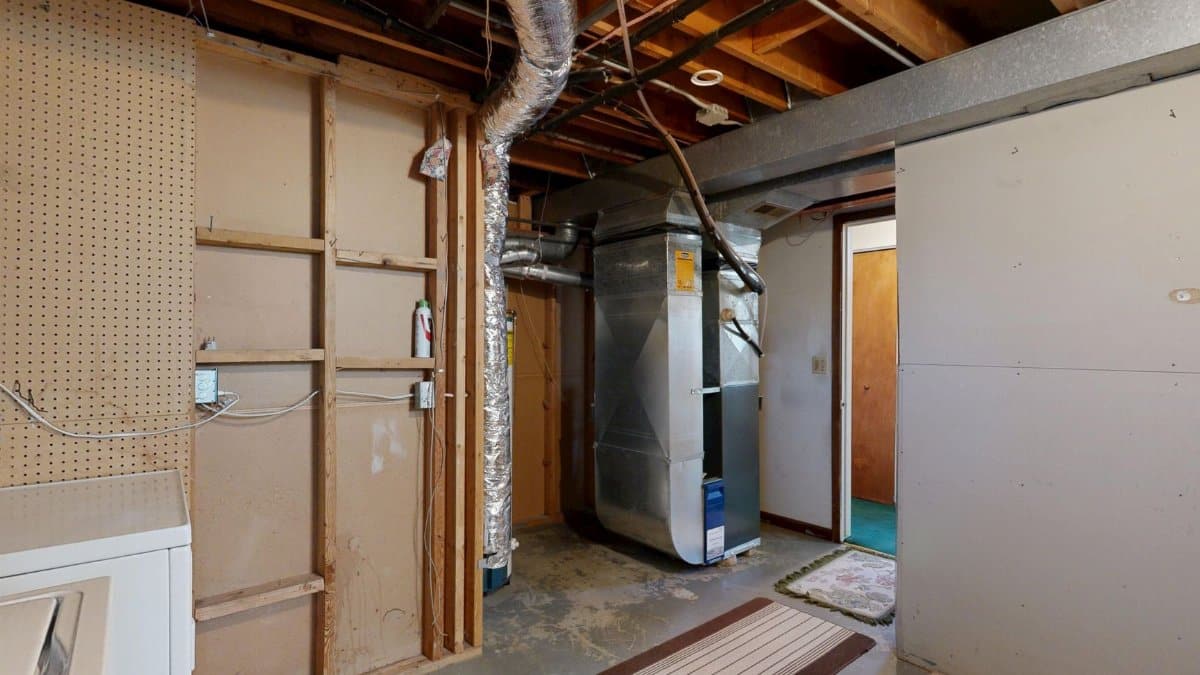
Indoor air is a messy medium. Cleaners, dry cleaned clothing, hobby glues, and attached garages can all contribute volatile chemicals that look, in a laboratory report, uncomfortably similar to industrial solvents. Competent sampling tries to separate those sources. Technicians ask about products stored in the house. They may place canisters in living spaces and below grade. They may return for a second round if a result is ambiguous. Residents are asked to live almost normally while plastic valves click in the corner, which is a strange kind of hospitality to extend to a state investigation.
The two dozen properties in the current plan are a beginning, not a census of everyone who might have a question. People just outside a sampling radius often feel the boundary as arbitrary. Groundwater does not stop at the edge of a work plan. Trust depends on whether the state explains why these homes, why this season, and what result would trigger a wider look.
A township asked to wait with grace
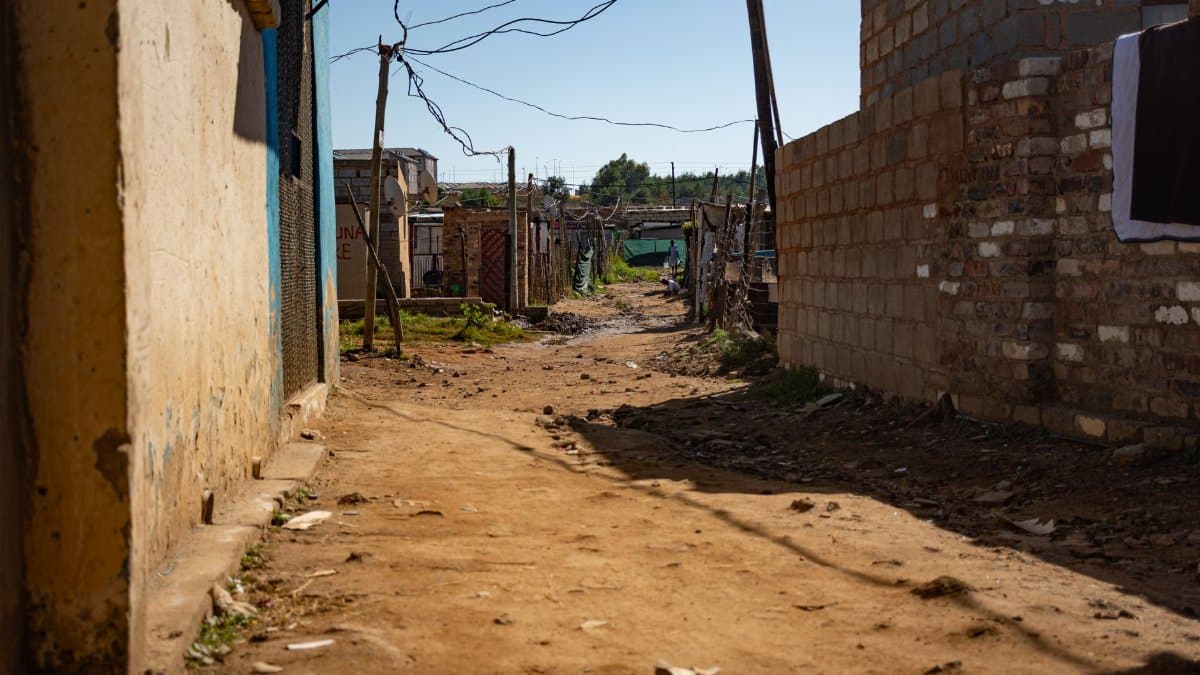
East Whiteland has lived with this site through changes in ownership talk, redevelopment hopes, and legal disputes that move more slowly than a school year. Township officials sit in an uncomfortable middle. They do not control the subsurface plume. They do field calls from people who want to know whether a proposed ball field, a new house, or a simple basement renovation is wise. Each delay in a remedy, however justified by data gaps, lands on a community that has already been patient.
Patience is not the same as consent. Residents have attended meetings, read fact sheets, and learned a vocabulary they never sought. They can discuss monitoring wells and treatment systems with a fluency that would have seemed absurd when they bought their homes. That fluency is a kind of local expertise, earned without pay, and it deserves to shape how the next round of testing is explained.
What a winter reading can prove

A well designed air test can show whether solvent vapors are present at levels that warrant action in a particular building. Action might mean more sampling, a change in how a sump is sealed, a ventilation system that pulls soil gas away from the foundation, or, in clearer cases, a filter unit while a longer fix is designed. None of that is glamorous. All of it is preferable to guessing.
A winter reading can also mislead if it is treated as a forever answer. Concentrations vary with weather, with groundwater elevation, and with how a house is used. A result below a screening value in January does not erase the need to watch the plume. A result above that value does not, by itself, write the history of every previous winter. The honest use of the data is comparative and cautious. Officials should say what they found, what they did not find, and what they still cannot know.
Responsibility that keeps changing hands

Cleanup arguments at former industrial sites often turn into a relay. Past operators point to successors. Successors point to insurers and to the limits of old records. The state points to statutes that allow it to investigate and, in some cases, to recover costs. Courts move on their own calendar. Meanwhile the chemicals continue the only schedule they know, which is the movement of water through rock and soil.
Readers far from Chester County should recognize the structure. It appears at former dry cleaners, plating shops, and military properties across the country. The name on the gate changes. The moral outline does not. People who did not profit from the original use of the solvent are asked to live with its aftermath while institutions debate allocation. Air testing does not settle that debate. It does something more immediate. It tells families whether their next decision is about litigation or about the air in a child’s bedroom.
The limits of reassurance

There is a style of public communication that treats any new sampling as proof that the system works. Sometimes that is fair. Agencies that widen an investigation after inconvenient data are doing the job residents asked them to do. Sometimes the same announcement functions as a delay dressed up as diligence. Another season of study can be necessary. It can also become a habit that substitutes for a remedy.
The test of this winter program will not be the press release that announces it. It will be the speed and clarity of the results, the willingness to sample beyond the first circle if the data point that way, and the presence of a plan for houses where vapors are confirmed. Reassurance without those pieces is only tone. People who have followed Bishop Tube contamination for years have learned to listen past tone.
What neighbors are entitled to hear

They are entitled to plain language about which chemicals are being sought and what levels would trigger a mitigation offer. They are entitled to know who pays if a system must be installed, and who maintains it after the technicians leave. They are entitled to a map that shows not only the wells already drilled but the streets now under consideration, updated when the eastward readings change the picture. They are entitled to timelines that survive contact with winter weather and laboratory backlogs.
None of that requires panic. It requires respect. A state that asks to enter two dozen homes is asking for more than access. It is asking those households to trust that the numbers will not disappear into a file. Publishing methods, results, and next steps, in language a nonspecialist can read, is the minimum return on that trust.
Living beside an unfinished site
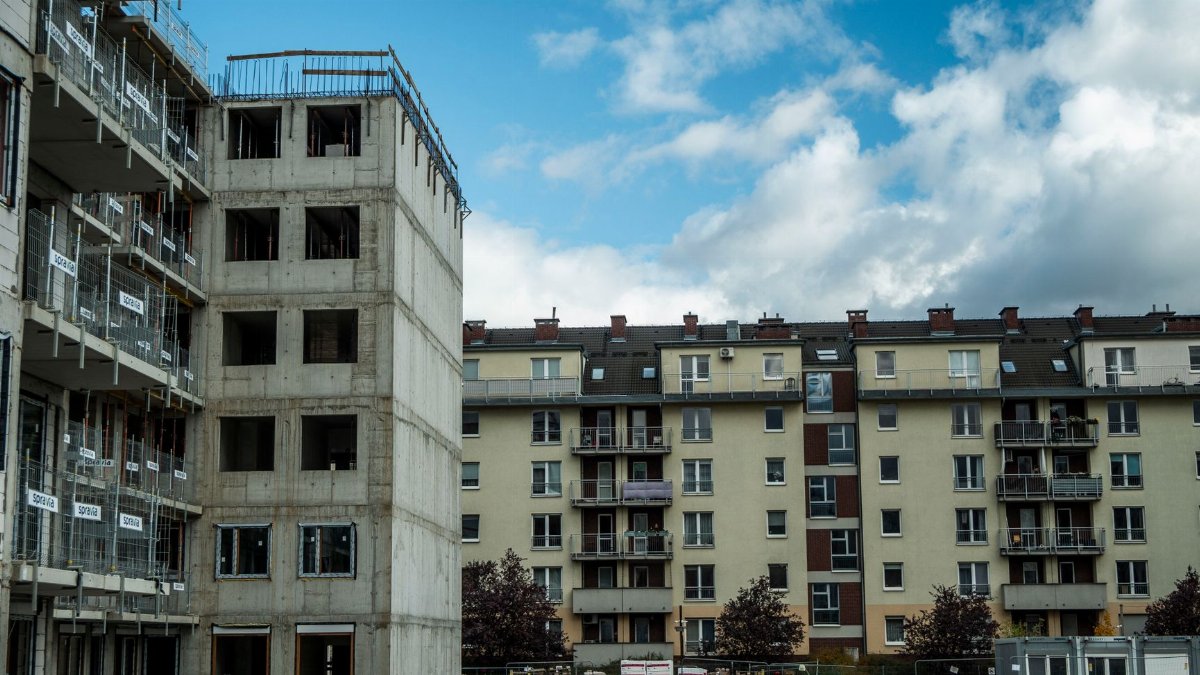
Chester County is often pictured as pastures, good schools, and new construction along old roads. That picture is not false. It is incomplete. Beneath parts of the same landscape sit the solvents of a manufacturing century that ended without a full accounting. Bishop Tube contamination is one chapter of that unfinished ledger. The winter air tests will not close it. They may, if done carefully and explained without evasion, tell two dozen households something they have been owed for a long time: whether the ground under the neighborhood is only a historical problem, or a present one that enters the house when the windows stay shut.
Until those results exist, the reasonable posture is neither hysteria nor shrug. It is attention. Watch the data. Ask what the eastward groundwater readings imply for the next street over. Insist that investigation and remedy travel together. A community can live next to a contaminated site for decades and still refuse to treat that proximity as normal. The furnaces will run either way. The question is what else they pull into the rooms above them.