
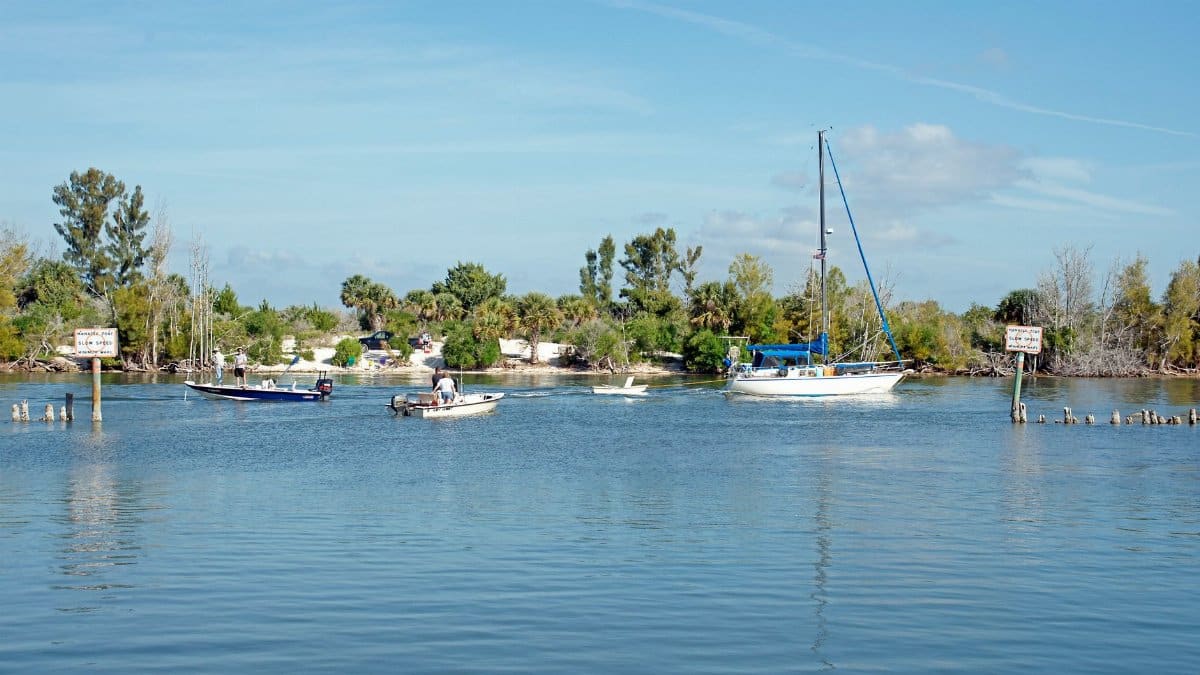
In the sun baked waters around Key West a single resident drew repeated attention from officials after years of leaving vessels unattended and deteriorating along the shoreline. The mounting expenses tied to clearing these hazards reached substantial sums for state agencies already stretched thin on marine maintenance. This case highlights how derelict boats Florida can evolve from isolated nuisances into broader fiscal and ecological burdens when left unaddressed over time.
Origins of the Vessel Collection

The man in question began gathering boats through purchases and transfers that spanned more than a decade. Local records show repeated warnings that went unheeded as the fleet grew beyond practical use. Neighbors and marine patrols noted the gradual decay turning once functional craft into floating debris fields.
Number of Citations Issued

Authorities documented over twenty separate violations related to improper storage and abandonment. Each notice outlined requirements for removal or repair yet compliance remained minimal. The pattern of enforcement reveals challenges in compelling action from individuals who view such properties as personal assets rather than public liabilities.
Financial Burden on State Resources

Removal operations ultimately required an outlay exceeding three hundred seventy thousand dollars drawn from public funds. Crews employed specialized equipment to extract hulls from sensitive habitats where they posed risks to navigation and wildlife. These expenditures reflect wider pressures on coastal management budgets across the region.
Environmental Effects on Local Waters

Leaking fuels and materials from the decaying vessels contributed to localized pollution in mangrove areas and seagrass beds. Marine biologists observed shifts in water quality that affected fish populations and bird foraging patterns. Such incidents underscore the interconnected nature of human activity and coastal ecosystems.
Regulatory Framework Challenges

Existing laws provide avenues for seizure and disposal yet procedural delays often extend the timeline from citation to action. Multiple agencies must coordinate across jurisdictions which can slow responses to accumulating problems. Reform discussions continue as officials seek faster mechanisms to prevent similar buildups.
Community Reactions and Concerns

Residents expressed frustration over both the visual blight and the diversion of tax dollars from other priorities. Public meetings revealed calls for stricter oversight of vessel ownership transfers. Some advocated educational programs to promote responsible marine stewardship.
Comparison With Other Coastal Cases

Similar situations have arisen in neighboring counties where scattered abandonments required coordinated cleanups. The Key West example stands out due to the concentration under one owner and the resulting scale of costs. Patterns suggest a need for preventive tracking systems.
Potential Policy Adjustments Ahead

Lawmakers have considered measures to require bonds or registration fees that could offset future removal expenses. Such proposals aim to shift responsibility earlier in the ownership cycle. Debates center on balancing individual rights with collective environmental protection.
Role of Public Awareness Efforts

Outreach campaigns through marinas and boating clubs seek to inform owners about maintenance obligations and disposal options. Increased visibility of cases like this one may encourage voluntary compliance before issues escalate. Media coverage has helped amplify these messages to a wider audience.
Long Term Implications for Coastal Management
Ongoing monitoring will determine whether current interventions reduce recurrence rates in affected zones. Investment in tracking technology could provide early warnings for emerging clusters of neglected craft. The experience offers lessons applicable to other states facing parallel pressures on their shorelines.