

The scoreboard above the warehouse district does not argue. It simply lists wins, losses, and the stubborn gap between Baltimore and the clubs still ahead in the American League field. With eight games left on the calendar, every remaining series is less a story than a calculation, and the phrase Orioles wild-card scenarios has moved from late night group chats into the daily briefing. Hope is not a plan, but arithmetic can be. The club is not asking the standings for mercy. It is asking whether a clean week, paired with a stumble or two above it, can still open a door that looked narrower in August.
The arithmetic that now governs September

Wild card math is blunt. A team does not need to be the best club in the league. It needs to finish among the three American League clubs that do not win a division and still post the strongest records among the rest. That sounds simple until several teams sit within a game or two of one another and the remaining schedules refuse to line up. Baltimore must collect wins of its own and hope the clubs it is chasing drop enough games to close the gap. One victory by an opponent can erase a hard fought win in Baltimore the same night. Fans who refresh the standings after every final are not being dramatic. They are watching a ledger that updates in public.
Eight games means a maximum of eight additional wins, and also a maximum of eight additional losses. That narrow band is why small differences feel enormous. A club that goes 6 and 2 gains ground on a club that goes 4 and 4. A club that goes 5 and 3 may only hold serve. The Orioles cannot control the other scoreboards, but they can refuse to hand away games that are still in their grasp. In this stretch, a walk, a stolen base, and a clean inning from the bullpen are not style points. They are the difference between staying in the conversation and watching it from outside.
Why one loss can reorder an entire week

September baseball punishes clutter. A rainout, a doubleheader, or a game that drifts into extra innings changes who is available the next day. Front offices track not only wins and losses but also which arms have already been used. A loss that requires six relievers is more expensive than a loss that ends in the seventh with the starter still on the mound. Baltimore has lived that reality before. The standings do not print the hidden cost, yet managers feel it when the next opponent sends a tough lineup to the plate.
That is also why a single defeat can reorder a week. If Baltimore loses and two clubs ahead of it win, the gap does not merely stay the same. It widens by two games in a single night. Climbing back from that requires a near perfect finish and help. If Baltimore wins and those same clubs lose, the gap shrinks just as fast. The emotional swing is real, but the math is colder than the mood in the clubhouse. Players talk about controlling what they can control because the alternative is to obsess over games they cannot see.
Tiebreakers and the quiet power of head to head

When records finish level, tiebreakers decide who travels and who stays home. Head to head results often come first. A series won in July can matter more in late September than anyone admitted at the time. Run differential, the record inside the division, and other criteria can follow if the first comparison does not separate the clubs. Fans argue about fairness. The rule book does not. It simply needs a winner when two teams cannot both advance.
For Baltimore, that means old series are not truly old. A sweep of a rival in June is a stored asset. A series lost to a team now sitting just ahead is a debt that may come due. Reporters ask about tiebreakers because the answers change the meaning of a tie. A shared record is not always a shared fate. One club may already own the advantage. The other may need to finish a game better just to reach the same doorway.
The clubs Baltimore must pass

The American League field is crowded enough that Baltimore is not chasing a single rival. Several clubs hold a better record or sit close enough that one hot week can reorder the list. Some of those teams still have a chance to win a division, which would remove them from the wild card pool and open a spot. Others are locked into the same chase, playing opponents who may rest stars or who may fight just as hard because their own seasons are on the line. Baltimore cannot choose its obstacles. It can only play the teams on its schedule and watch the rest.
That watching is part of the job now. A club in Texas, a club in the Midwest, a club along the coast: each result lands in Baltimore before the local paper is even folded. The phrase people keep using, Orioles wild-card scenarios, is really a map of those other clubhouses. If one contender faces a superior pitching staff, Baltimore gains a quiet ally. If another faces a team already eliminated, the opponent may lack urgency, or it may play freely and cause trouble anyway. Eliminated teams are unpredictable. Pride does not vanish when the math does.
Schedule pressure in the final eight

Eight games is a short novel with no room for a slow chapter. Home games bring the crowd and the familiar dimensions. Road games bring hostile noise and the demand to steal a win in someone else’s building. Travel days shrink recovery. A West Coast trip, if it remains, steals sleep. An East Coast homestand gives the training staff a cleaner routine. None of that appears in the standings, yet all of it shapes who is sharp in the eighth inning.
Opponents matter as much as locations. A series against a club fighting for its own spot is a heavyweight exchange. A series against a club playing out the string can still punish sloppiness. Baltimore has to treat every first pitch as if the margin is one game, because it may be. Managers who save a top reliever for a save situation sometimes discover that the game never reaches that situation. In this week, the best arm may be needed in the sixth if the starter wobbles. Conservation is wise until it becomes a loss.
What a sweep would and would not guarantee

A sweep of a remaining series would be a gift. It would add wins in a bundle and apply pressure to everyone above. It would not, by itself, print a postseason ticket. Other clubs can sweep too. A 3 and 0 week in Baltimore can be matched by a 3 and 0 week elsewhere, leaving the gap unchanged. That is the humbling part of the race. Excellence is necessary and still sometimes insufficient.
The reverse is also true. A series loss does not always end the season. If the teams ahead also lose, Baltimore can absorb a defeat and remain alive. Alive is not comfortable. It means the next game carries the weight of the last one. Players who have been through this describe a narrowing of focus. They stop reading national columns. They show up, take batting practice, and try to win the night in front of them. The larger map still exists. They just refuse to carry all of it into the batter’s box.
Bullpen usage when every inning is a referendum
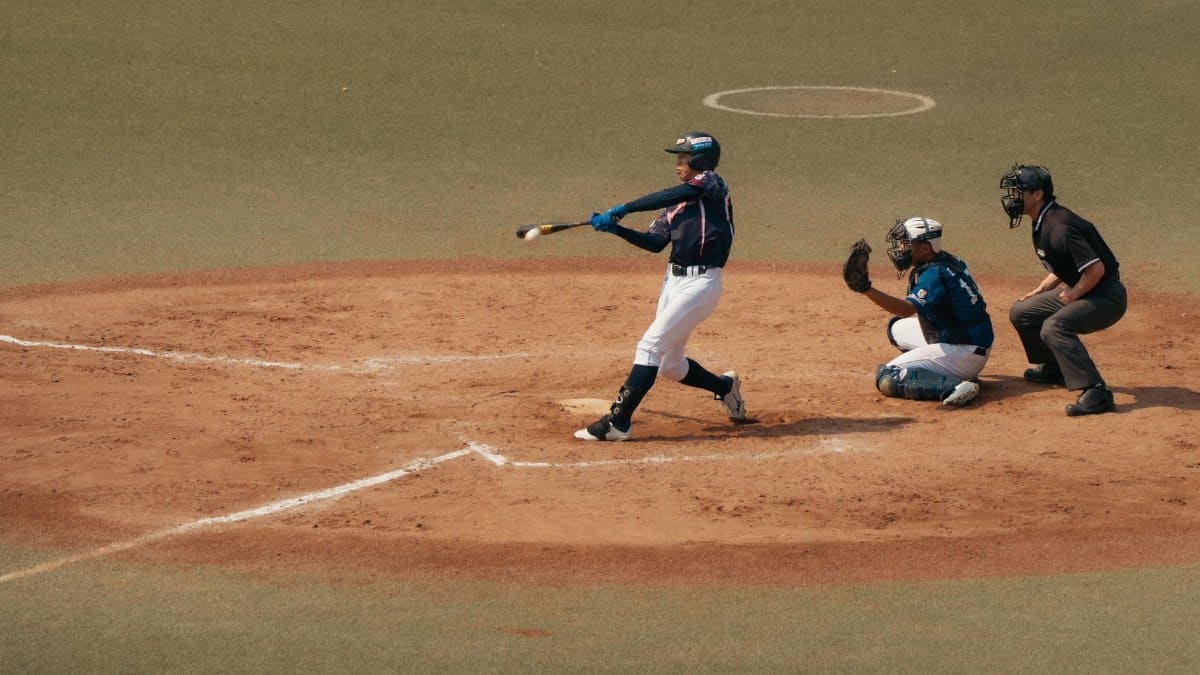
Pitching plans that worked in May look different now. A starter who can give six innings is worth more than his earned run average suggests, because he protects a bullpen that may have to work four nights in a row. Relievers with platoon advantages become chess pieces. A manager who uses his closer in a tied game on the road is not panicking. He is admitting that a tie in the eighth can become a loss before the ninth ever arrives.
Baltimore’s staff will be judged less on style than on damage control. A two run lead should not become a one run loss because a tired arm was asked for a fourth outing in five days. Rest is a strategy, not a luxury. So is honesty about who still has life in his arm. The public sees velocity. The coaching staff sees recovery, soreness, and the look in a pitcher’s eyes between innings. Those private reads will shape Orioles wild-card scenarios as much as any public statistic.
Fans reading the standings like a ledger

In Baltimore, the race has a civic texture. People check scores between shifts, on the light rail, and at kitchen tables after the kids are in bed. They know which clubs must lose for the path to stay open. They argue, sometimes too loudly, about bunts and pitching changes. That argument is a form of care. A city that has watched this franchise through thin years does not take a September chase for granted.
The danger is false precision. A graphic that lists twelve outcomes can look like prophecy. It is only a tree of conditions. If this team wins and that team loses, then the gap moves. None of those ifs are promises. The healthiest way to follow the race is to hold two ideas at once: the math is real, and baseball keeps refusing to obey a script. A ball finds a glove. A ball finds the gap. The ledger updates, and everyone starts again.
How front offices talk when the margin is a game

Inside the organization, the language gets plainer. No one needs a speech about destiny. They need to know who is available, who is hurting, and which matchup gives the club the best chance to add one win. Scouts file reports on the next opponent as if it were a playoff series, because it might be the series that decides whether a playoff series exists. Analysts run the remaining schedules not to soothe anyone but to show which results actually matter.
There is also a personnel question that fans debate and executives answer in private. Do you alter the roster for eight games, or trust the group that got you here? A fresh arm from the minors can help. A disruption in roles can hurt. The right choice depends on health and on the specific opponents left. Public confidence and private contingency planning are not opposites. A serious club does both. It tells the players the goal is still in front of them, and it prepares for the night when the goal slips out of reach.
The long view if the math does not cooperate
It is possible to play well and still miss. That outcome stings precisely because it is not a collapse. It is a near miss in a league where several good teams cannot all advance. If that is where this season lands, the useful questions are about run prevention, about at bats with runners in scoring position, and about whether the roster is built to survive another tight September. Those questions can wait until the last out. They should not be used to excuse a flat effort while games remain.
If the math does cooperate, the reward is not a parade. It is another series, against a stronger opponent, with even less margin for a sleepy inning. Players who reach that stage often say the chase itself sharpened them. The Orioles wild-card scenarios being passed around this week are a test of attention as much as talent. Win the games you can win. Know which losses elsewhere help. Refuse to treat a tiebreaker as an abstraction. In a season this close, the clubs that stay precise are the ones still playing when the leaves turn.