

On a warm evening in a Dallas suburb, a couple sat at the kitchen table with a mortgage statement and a grocery receipt and tried to decide which worry belonged to politics and which belonged to the month ahead. The numbers on both pages had been stubborn for years. Then the Federal Reserve raised its key rate to 3.9 percent, the first increase since 2023, and the phrase Fed rate hike midterms moved from cable chatter into ordinary talk. Seven weeks remain before voters choose a new House and a third of the Senate. The quarter point move is small on a chart and large in a household that already feels the price of gas, credit cards, and a car loan that never got cheap.
A decision that lands on a crowded calendar

Central bankers like to say they do not set policy for Election Day. Voters do not have that luxury. A rate increase this close to November arrives while campaigns are already arguing about who made life more expensive and who can make it less so. The timing does not require a conspiracy to matter. It only requires that people notice their bills.
The increase takes the benchmark to 3.9 percent after a long stretch in which officials had been easing, or at least holding still, as inflation cooled from its worst readings. That history is easy to forget at a checkout line. What people remember is the sequence they lived: prices jumped, borrowing got painful, relief was promised, and relief arrived unevenly. A fresh hike reopens the argument about whether the worst is truly behind them.
What 3.9 percent changes, and what it does not
A quarter point is not a shock in the way the rapid increases of 2022 and 2023 were. Banks will not rewrite every contract overnight. Many mortgages are fixed. Many auto loans were signed months ago. The immediate effect shows up in variable credit, in new borrowing, and in the expectations of anyone planning a purchase they can postpone.
Still, the level matters as much as the change. At 3.9 percent, the policy rate sits well above the near zero world that shaped a generation of home buyers and business owners. Savers with cash in higher yield accounts get a little more. Borrowers with balances that float pay a little more. The split is not abstract. It runs through families that have savings and families that live on the card.
Borrowing costs that never fully receded
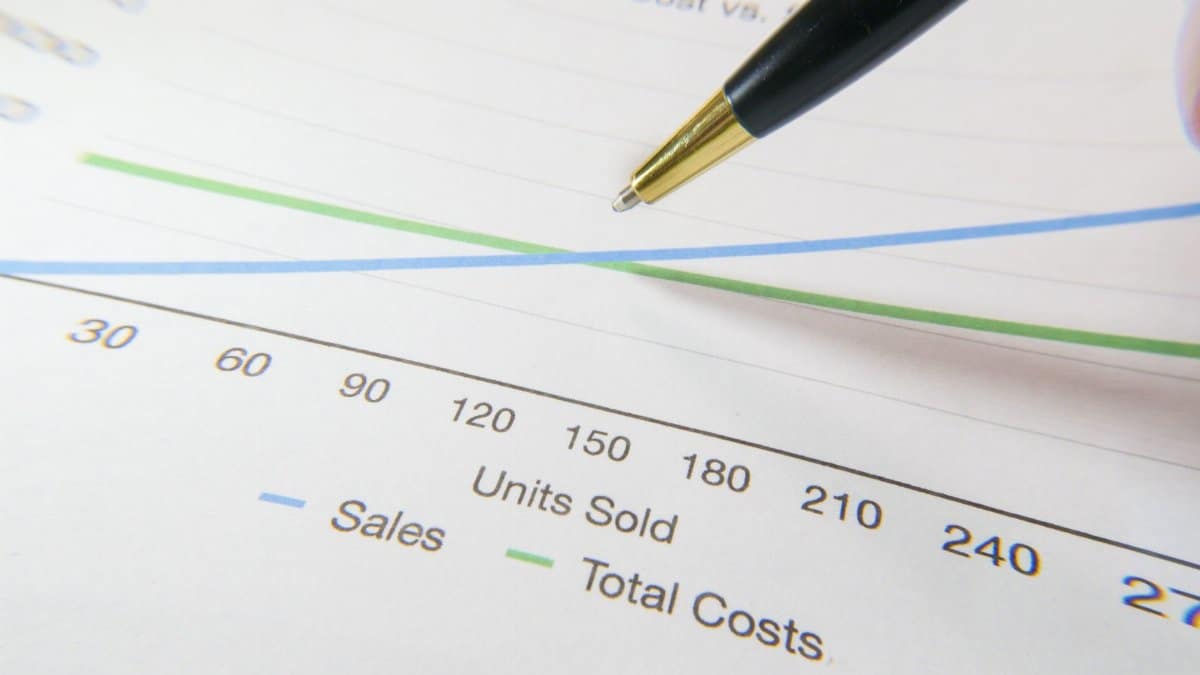
Even before this move, the cost of money had not returned to the easy terms of the late 2010s. Mortgage rates eased from their peaks and then stalled at levels that still shut many first time buyers out of neighborhoods they can afford to rent. Credit card rates remained punishing for anyone carrying a balance through a medical bill or a slow season at work. Small firms renewing lines of credit found lenders more cautious and more expensive than the marketing brochures suggested.
That is the backdrop against which a new hike lands. Officials can argue, with some justice, that inflation is the greater long term threat to purchasing power. Households experience the argument as a choice between two discomforts: prices that rise too fast, or payments that refuse to fall. When both feel present at once, technical explanations about lags and transmission lose their audience.
Gas, groceries, and the monthly verdict
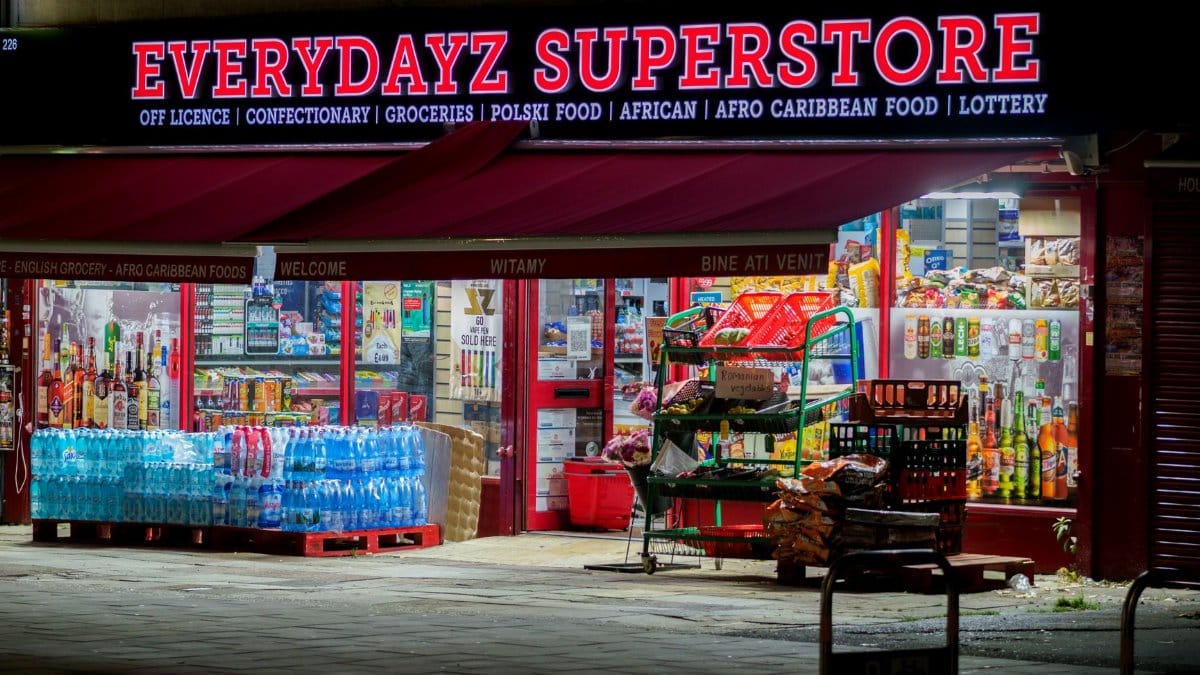
The Fed does not set the price of gasoline. Oil markets, refinery outages, seasonal demand, and global supply do that work. Yet gas remains the most visible price in American life, posted in foot high numbers on every commute. When it stays elevated alongside a rate increase, the two facts merge in public memory even if they have different causes.
Groceries work the same way. A slower pace of inflation does not rewind the price level. A carton of eggs that jumped and then stopped jumping is still expensive relative to the old normal. Voters judge the economy by the receipt, not by the year over year chart that economists prefer. A central bank can be succeeding on its preferred measure and still look indifferent to the measure people use.
How the political fight will use the number
Campaigns do not need a seminar on the federal funds rate to build an ad. The party in power will say the increase proves officials are still fighting inflation and that patience is the price of stability. The party out of power will say the increase proves the recovery was never as solid as advertised and that families are being asked to absorb another hit. Both messages can be clipped to fifteen seconds. Neither has to be entirely false to be useful.
The phrase Fed rate hike midterms will travel because it compresses a complicated institution into a ballot question. That compression is unfair to the details and accurate to the mood. People vote on mood more often than they vote on footnotes. A rate decision seven weeks out becomes a prop, whether the Board of Governors intended a prop or not.
What officials can claim, and what they cannot
Independence is a real institutional fact and a fragile public one. The Federal Reserve does not answer to a campaign office. It does answer, over time, to Congress, to the law that gives it a dual mandate, and to a country that can withdraw trust. Raising rates into an election season tests that trust even when the economics are defensible.
Officials will point to incoming data: hiring that remains firmer than a soft landing script predicted, prices in services that cool slowly, financial conditions that had loosened enough to worry them. Those are legitimate reasons to tighten. They are also reasons that sound like excuses once a family in a swing district opens a statement and sees a higher minimum payment. The bank can be right on the model and still lose the argument in the kitchen.
Markets hear a different sentence

Bond traders read the move as a signal about the path, not only the destination. If 3.9 percent is a one time adjustment, markets can absorb it and move on. If it is the start of a new sequence, valuations that assumed steady easing will have to be rewritten. Stocks that live on cheap financing feel that rewrite first. So do commercial property owners already negotiating with lenders over buildings that are worth less than the debt stacked on them.
Households rarely track the two year yield. They track whether their employer freezes hiring, whether a store cuts hours, whether a builder delays a project down the street. Those are the delayed channels through which a rate decision becomes a job story. By the time those channels are obvious, the election may already have happened. That lag is convenient for no one who wants a clean narrative.
Housing still sets the mood of the middle

For middle income families, housing is the economy. A rate at 3.9 percent does not, by itself, determine a thirty year mortgage quote. Mortgage rates follow longer term Treasuries, inflation expectations, and the appetite of investors for mortgage bonds. But the policy rate anchors the conversation. Lenders price caution when they believe the Fed is not finished.
Owners who locked in low rates years ago are reluctant to sell. Buyers who need a loan today face payments that crowd out everything else. The result is a market with thin inventory and frustrated people on both sides of the table. In suburbs that decide House races, that frustration is not a sidebar. It is the main text. A hike that keeps mortgage relief hypothetical will be felt as a political fact even if the statute never mentions housing.
Small firms and the price of patience

A restaurant renewing equipment, a contractor buying a truck, a clinic waiting on insurance payments: these are the borrowers who meet the policy rate without a finance department to hedge it. Many of them survived the pandemic on thin margins and then met higher wages, higher rent, and higher interest in the same few years. Another quarter point will not close most of them. It will narrow the room they have to hire, to experiment, or to absorb a slow month.
Local chambers of commerce do not issue statements in the language of basis points. They talk about confidence. Confidence is what a rate hike taxes when it arrives before an election and after a period in which owners were told the tightening cycle had ended. If they delay a hire until December, the economic data will record a softer autumn. The campaign ads will record a story about who is to blame.
Congregations and the quiet ledger
In church basements and mosque social halls, the same squeeze shows up without a ticker. Food pantries that expected demand to fade have not seen it fade. Utility assistance funds run out earlier in the month. Pastors hear from members who are working and still short, a condition that does not fit the old picture of hardship as idleness. A rate increase will not appear in the weekly bulletin. The anxiety it reinforces will appear in who asks for help and who is too proud to ask.
That community ledger is easy for national coverage to miss and hard for candidates to ignore once they start knocking on doors. Economic policy is not only a Washington argument. It is a test of whether institutions, including banks and including congregations, still feel like they are on the side of people trying to stay solvent.
Voters have heard this promise before
Every cycle produces a claim that the economy is better than people feel, or worse than the data show. Both claims can be true in pieces. Unemployment can be low while a household feels broke because rent and car insurance ate the gains. Inflation can be slowing while the memory of the spike still governs how people answer a pollster. The Fed rate hike midterms debate will inherit that distrust. A new number from the central bank does not reset it.
Older voters, who turn out more reliably in midterms, often hold assets that benefit when rates are not zero. Younger households more often hold the debts that hurt. The election will not be a pure referendum on that split, but the split shapes whose pain is loudest at town halls. Candidates who speak only to investors or only to borrowers will sound as if they have not sat at the kitchen table.
The weeks that remain
Seven weeks is long enough for another inflation report, another jobs report, and several rounds of ads that treat 3.9 percent as a moral verdict. It is short enough that the real economy will not fully reveal what the hike does. That mismatch invites overclaiming. Parties will assign credit and blame for trends that began before this vote and will continue after it.
Voters can still use the moment without swallowing the ads whole. They can ask whether a central bank that waits too long to fight inflation, or tightens after people are already exhausted, has explained itself in plain language. They can ask whether either party has a plan for housing supply, for household debt, and for energy costs that does not stop at blaming the other side. The Fed rate hike midterms story is partly about a quarter point. It is mostly about whether anyone in power sounds as if they have priced a gallon of gas lately.
A narrower path than the slogans allow

There is no setting of the policy rate that makes every bill smaller by November. There is a setting that risks letting inflation reaccelerate, and a setting that risks cooling hiring just as families hoped for a wider margin. Officials chose a tighter setting and accepted the political noise. That choice can be judged on inflation six months from now more fairly than it can be judged on a debate stage next week. Campaigns will not wait six months.
For the couple at the kitchen table, the useful question is simpler than the one the ads will shout. Does this hike protect the value of their wages over the next few years, or does it mostly raise the cost of getting through the next few months? Honest answers admit uncertainty. The data are mixed. The mandate is dual. The calendar is unforgiving. Fed rate hike midterms will keep trending because the tension is real: a central bank acting on its clock, and a country about to vote on a feeling the clock does not measure.
What to watch without losing the plot

Watch the next readings on prices and pay, not the volume of the commentary. Watch whether lenders pass the increase through quickly to cards and slowly, or not at all, to savings. Watch whether mortgage quotes jump on fear of more hikes or settle once traders decide this was a single adjustment. Watch local hiring signs in the storefronts that actually employ a district, which often tell a truer story than a national average.
And watch the language. If officials speak only in abstractions, they will confirm a suspicion that the institution is remote. If candidates speak only in blame, they will confirm a suspicion that the election cannot fix a bill. The rate is 3.9 percent. The first hike since 2023 is now a fact. The midterms will decide who is trusted to live with the consequences, not who gets to rewrite the last decision of the central bank.