

Families in Dallas often encounter rising expenses and scheduling hurdles when readying children for the new academic year. Medical checks and basic materials represent just two of many requirements that can strain household budgets. Local groups have stepped forward with practical aid designed to remove some of those obstacles. This back-to-school event supplied complimentary sports physicals and bundles of school supplies to dozens of families in a single afternoon. Organizers framed the gathering as a direct response to community needs voiced throughout the summer months.
Local Groups Coordinate Essential Services
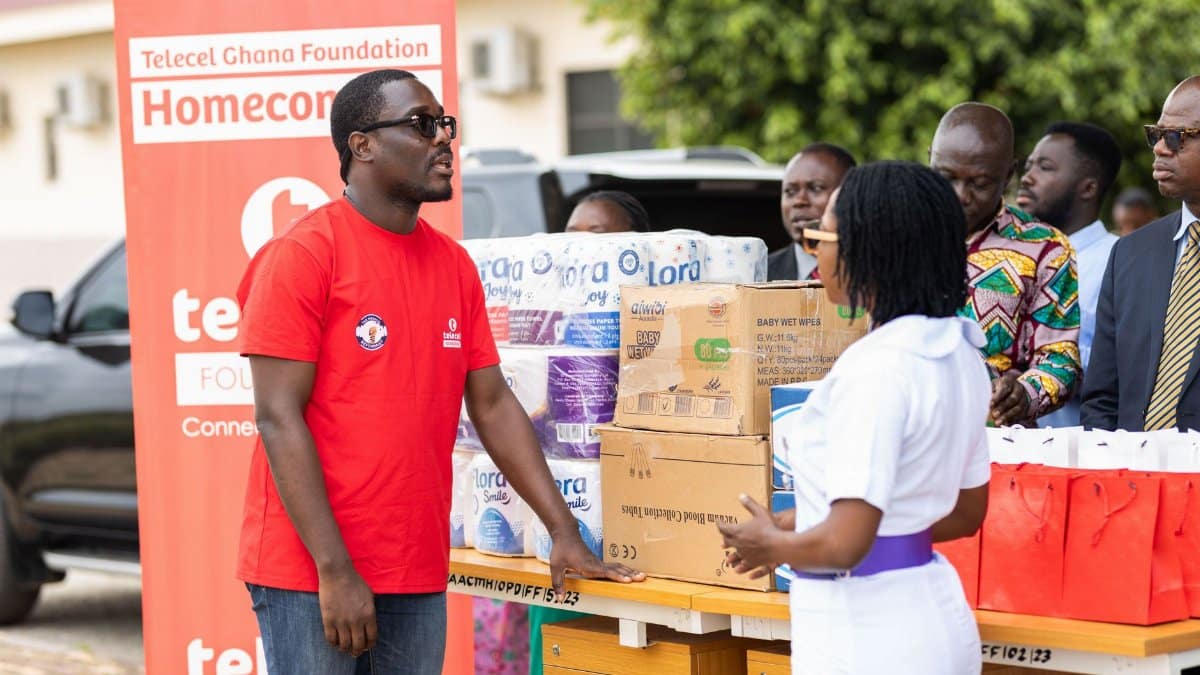
A Dallas nonprofit worked with physicians and retailers to stage the program at a central venue. Volunteers checked student paperwork and guided families through brief examinations. Each participant left with a clearance form plus a backpack filled with notebooks, pens and other staples. The approach reflected a growing pattern in which civic organizations fill gaps left by public funding limits.
Physical Exams Support Youth Athletics

Sports physicals allow students to join teams without added medical costs. Doctors on site reviewed heart rates, joint flexibility and overall fitness in short sessions. Families reported relief at completing the requirement in one stop rather than scheduling separate appointments. Such access can encourage greater involvement in after class activities that promote health and discipline.
Supply Distributions Ease Family Budgets

Bundles of school materials arrived ready for immediate use. Parents noted that the items covered core needs for the opening weeks of classes. In past years many households delayed purchases until paychecks arrived, sometimes leaving children unprepared. The coordinated distribution reduced that lag and let students start on equal footing with peers.
Faith Communities Add Volunteer Strength

Churches and civic associations supplied greeters, translators and setup crews. Their presence underscored a tradition of service that extends beyond worship services into everyday practical help. Leaders described the effort as an expression of shared responsibility for neighborhood children. Attendance figures suggested strong turnout from congregations across several districts.
Event Timing Aligns With Academic Calendars

Planners chose a date two weeks before most district start days. That window gave families time to review supply lists and complete any follow up paperwork. Organizers plan to repeat the model each summer while adjusting inventory based on feedback from teachers. Early scheduling also avoided conflicts with work shifts common among participating households.
Broader Trends Show Rising Demand

Similar programs have appeared in other Texas cities facing comparable enrollment growth. Data from regional education offices indicate steady increases in requests for assistance with medical forms and classroom items. Observers link the pattern to inflation in basic goods and uneven insurance coverage. Dallas efforts therefore serve as one illustration of wider pressures on middle income homes.
Volunteer Networks Sustain Ongoing Support

Behind each event stands a web of recurring contributors who donate time year after year. Their continuity helps refine logistics and maintain trust with families who return annually. Training sessions for new helpers ensure consistent service quality across shifts. The model demonstrates how sustained civic involvement can produce reliable seasonal resources.
Future Plans Emphasize Expanded Reach

Organizers aim to add dental screenings and vision checks at next years gathering. Partnerships with additional clinics are already under discussion. Feedback forms collected at the recent event will guide those additions. Continued collaboration between medical professionals and community groups appears central to scaling the initiative without raising costs for participants.