
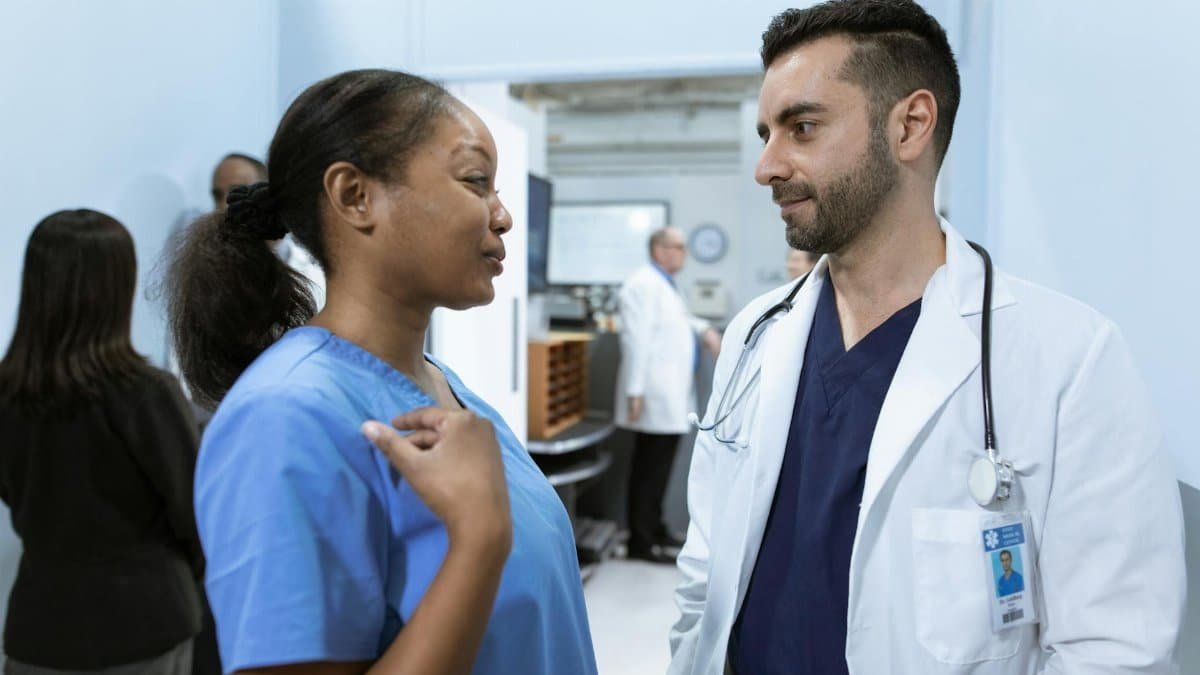
In the quiet town of Melville on Long Island a transformation is underway that promises to reshape not only healthcare but also the very spirit of the community around it. Vast acres of land are set to become the home of an innovative new medical campus. This project represents more than an expansion of services. It embodies a hope for healing that encompasses body mind and spirit in equal measure. NYU Langone hospital has unveiled plans for a one billion dollar teaching hospital that will occupy some 45 acres and function as a vital healthcare hub for the entire New York metro area. The announcement has generated considerable excitement among local residents who see it as a beacon of progress and care. For many in their middle years who often balance their own health concerns with those of aging parents this development offers a sense of reassurance. It hints at a future where quality medical attention draws from both advanced science and a compassionate understanding of what it means to be human.
A Bold Investment in Regional Healing

The scale of the project is impressive by any measure. With an investment of one billion dollars the initiative underscores a strong commitment to elevating healthcare standards across the region. Reports from Newsday detail how the facility will combine advanced training programs for medical professionals with comprehensive patient services. This dual focus ensures the hospital will not only treat immediate needs but also prepare for future challenges in medicine. What stands out is the potential for this location to become a center where technical excellence meets a deeper appreciation for the human experience of illness and recovery. Planners appear mindful that true progress involves more than equipment and square footage. It requires attention to the intangible elements that sustain hope and resilience among those who seek care.
Designing Spaces That Nurture the Human Spirit

Architecture and landscape will play subtle yet powerful roles in the new campus. Plans call for green areas quiet zones for reflection and layouts that invite natural light. These choices reflect an understanding that surroundings can influence mood energy and even the pace of recovery. In recent years many medical centers have adopted design principles that prioritize calm and connection. A resource from the Center for Health Design explores how such features can reduce stress and support faster healing. For middle aged readers who may find themselves visiting facilities more often these thoughtful elements offer comfort. They signal that medicine increasingly views patients as whole persons rather than collections of symptoms.
Training Future Practitioners in Compassionate Care

As a teaching hospital the Melville facility will prepare the next generation of doctors nurses and specialists. Educators intend to blend rigorous scientific training with lessons on empathy and listening. This approach matters at a time when many healthcare workers report exhaustion and patients long for more personal engagement. Future clinicians may learn to recognize when spiritual or emotional support matters as much as medication. NYU Langone hospital has shown leadership in this area through existing programs that treat the whole person. The new campus will expand that legacy creating a learning environment where technical skill and human sensitivity receive equal respect. Such training could influence standards well beyond Long Island.
The Growing Place of Spiritual Support in Medicine
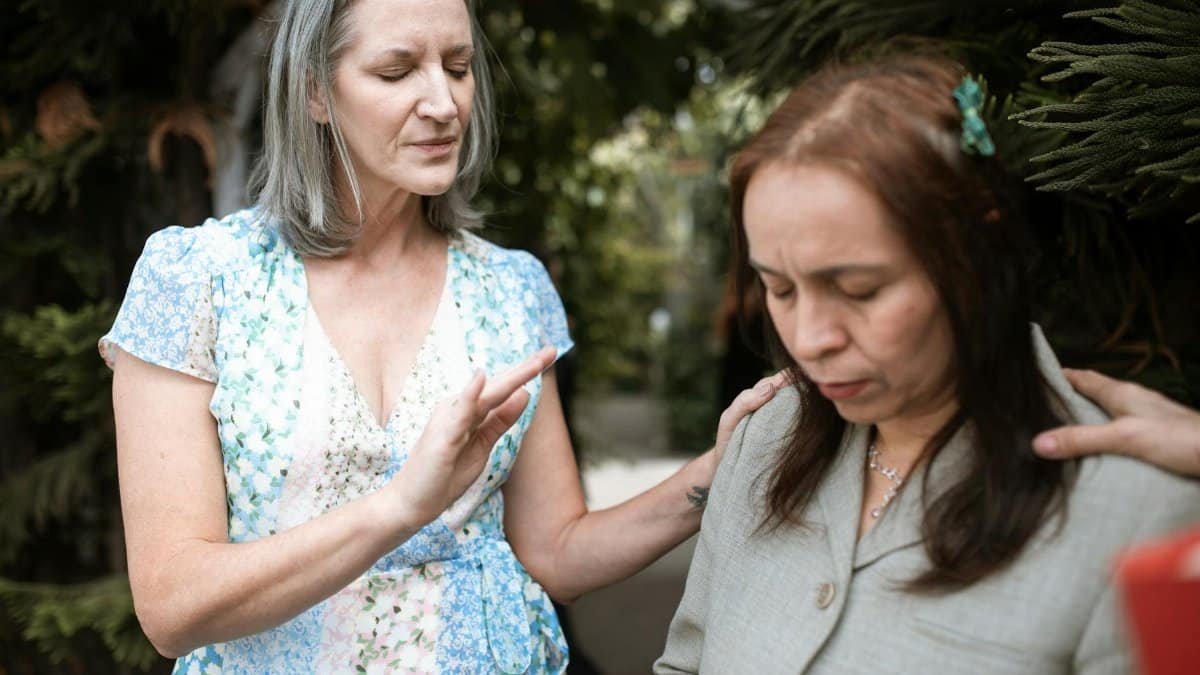
Healthcare systems nationwide have begun to integrate spiritual care more deliberately into treatment. Chaplains mindfulness sessions and respectful attention to patients beliefs now appear alongside traditional therapies. This shift acknowledges that many people draw strength from faith philosophy or a sense of meaning during medical crises. Research from the National Institutes of Health available at https://www.ncbi.nlm.nih.gov/pmc/articles/PMC1309900/ suggests spiritual support can ease anxiety improve treatment adherence and enhance quality of life. The Melville project is expected to build on these insights by creating dedicated spaces and trained staff for such services. For readers navigating their own health journeys or supporting family members this trend brings encouragement. It affirms that medicine and matters of the spirit need not stand apart.
Economic and Social Renewal for Long Island

Beyond medical benefits the development promises substantial economic impact. Construction will generate jobs while the completed campus will employ hundreds in clinical administrative and support roles. Local businesses may see increased activity as workers and visitors arrive. This matters particularly for middle aged residents concerned about both health resources and community stability. The project transforms forty five acres of underused land into a vibrant hub that could attract further investment. Economic gains however represent only part of the story. The campus also stands to strengthen social bonds by offering a shared source of pride and security. In an era when many communities feel fragmented such anchors carry special significance.
Responding to an Aging Population

Long Island like much of the nation has a growing number of older residents. Many middle aged adults find themselves coordinating care for parents while managing their own wellness. The new teaching hospital aims to ease that burden by providing specialized services in geriatrics chronic disease management and preventive care. Its proximity reduces travel time and stress associated with distant appointments. Yet the facility also appears poised to address deeper needs. When physical limitations arise questions of purpose dignity and legacy often surface. By creating room for spiritual support the campus recognizes these dimensions. It offers a model that treats aging not merely as a medical process but as a meaningful chapter in the human story.
Partnerships That Bridge Science and Spirituality

Success of the project will depend on thoughtful collaborations. Medical staff chaplains community organizations and academic partners will need to work in concert. NYU Langone hospital has cultivated such relationships in its existing network and the Melville site will test them on a larger scale. Joint programs might include support groups that combine medical education with reflective discussion. These efforts reflect broader spiritual news and trends that seek harmony between evidence based practice and timeless questions of meaning. When partnerships function well patients receive seamless attention that honors both data and dignity. The campus could become a living laboratory for this integrated approach.
Environmental Stewardship as a Form of Care

Any large construction project carries environmental responsibilities. Developers have signaled plans for energy efficient systems native plantings and sustainable materials. These choices protect local ecosystems while modeling responsible growth. Spiritual traditions across cultures emphasize care for creation and the new facility has an opportunity to embody that value. Cleaner air quieter operations and reduced waste contribute directly to community health. For readers attentive to both personal wellness and planetary conditions the approach feels reassuring. It suggests that modern healthcare can align with deeper ethical commitments rather than stand in opposition to them.
Listening to Community Voices and Hopes

Early feedback from Melville and surrounding towns reveals a mixture of optimism and practical questions. Residents welcome improved access to care yet voice concerns about traffic and rapid change. Town meetings have provided forums for dialogue and adjustments to the plan. Such engagement matters because a hospital succeeds only when it belongs to the people it serves. Stories shared in these gatherings often touch on personal experiences of illness loss and recovery. They remind planners that behind blueprints stand families seeking comfort and competence. By remaining attentive to these voices the project can evolve into a true community resource rather than an imposed landmark.
Looking Ahead with Cautious Optimism

The coming years will test whether the vision matches reality. Construction timelines staffing shortages and evolving medical technologies all present variables. Yet the foundational idea remains compelling. In an age when headlines often highlight division and decline this one billion dollar commitment expresses faith in human ingenuity and compassion. It suggests that healthcare can evolve to meet not only physical demands but also the quieter needs of the spirit. For middle aged Americans balancing careers family and personal health the development offers tangible hope. As the first foundations are laid the project already contributes to a larger conversation about what healing truly requires in our time.