

The call came in shortly after nine on a humid Tuesday night. Neighbors in the densely populated corridor along Northwest Seventeenth Avenue in Miami heard the raised voices first. Then the pops that sounded like fireworks but were anything but. When police arrived they found two men in their twenties dead from gunshot wounds. Their accused killer a thirty two year old man who had been dating their sister now faces charges that could send him to prison for life. This case of a man fatally shooting brothers in a moment of unchecked fury has shaken the community and stirred deeper questions about the spiritual and moral currents running beneath such outbursts of violence.
The Incident That Shook a Neighborhood
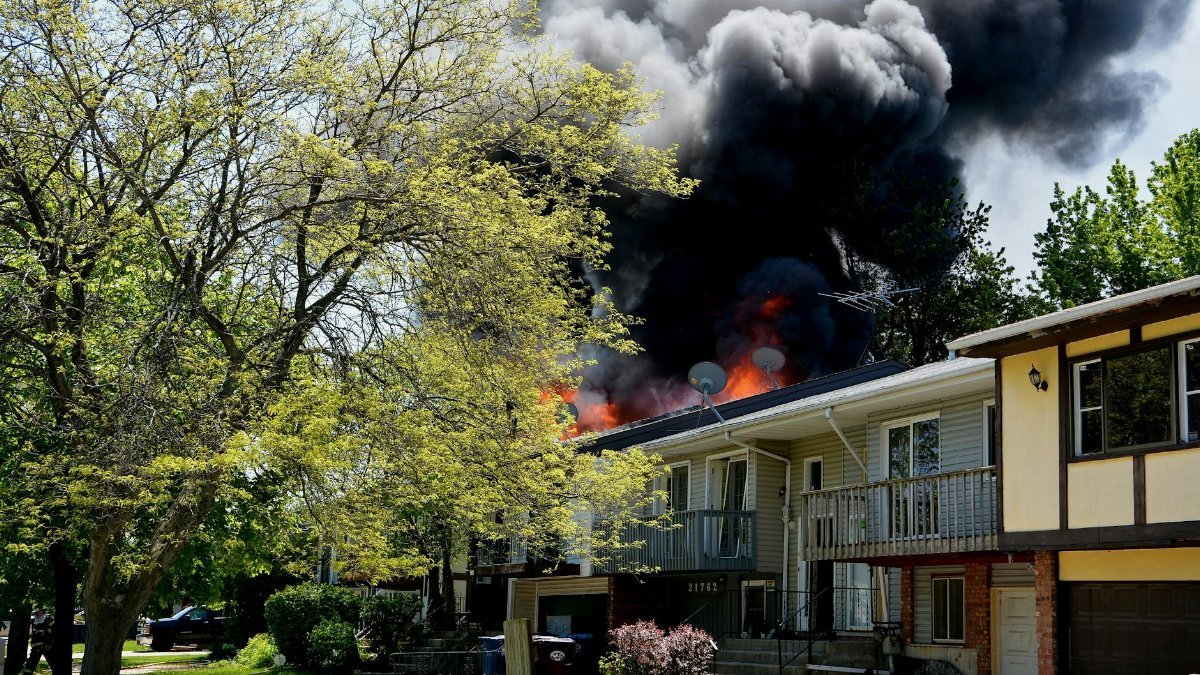
Details released by police paint a picture of a disagreement that spiraled beyond control in a matter of minutes. The suspect reportedly argued with his girlfriends siblings inside the apartment they all shared on Northwest Seventeenth Avenue. What began as a verbal clash became physical prompting the man to retrieve a handgun from another room. He fired multiple shots striking both brothers. One died at the scene. The second passed away hours later at Jackson Memorial Hospital.
Investigators say the suspect stayed at the location and spoke with arriving officers. He has been charged with two counts of first degree murder and several related offenses. Bail has been denied. The girlfriend who witnessed the event has provided statements but faces no charges. For those who live nearby the gunfire represented more than one isolated horror. It confirmed fears that everyday tensions can explode with irreversible consequences in homes where stability feels fragile.
Local news coverage including the original reporting by the Miami Herald has helped residents piece together the sequence while underscoring how quickly safety can vanish. The article offers additional context on the timeline and early witness accounts.
Remembering Two Brothers With Futures Cut Short
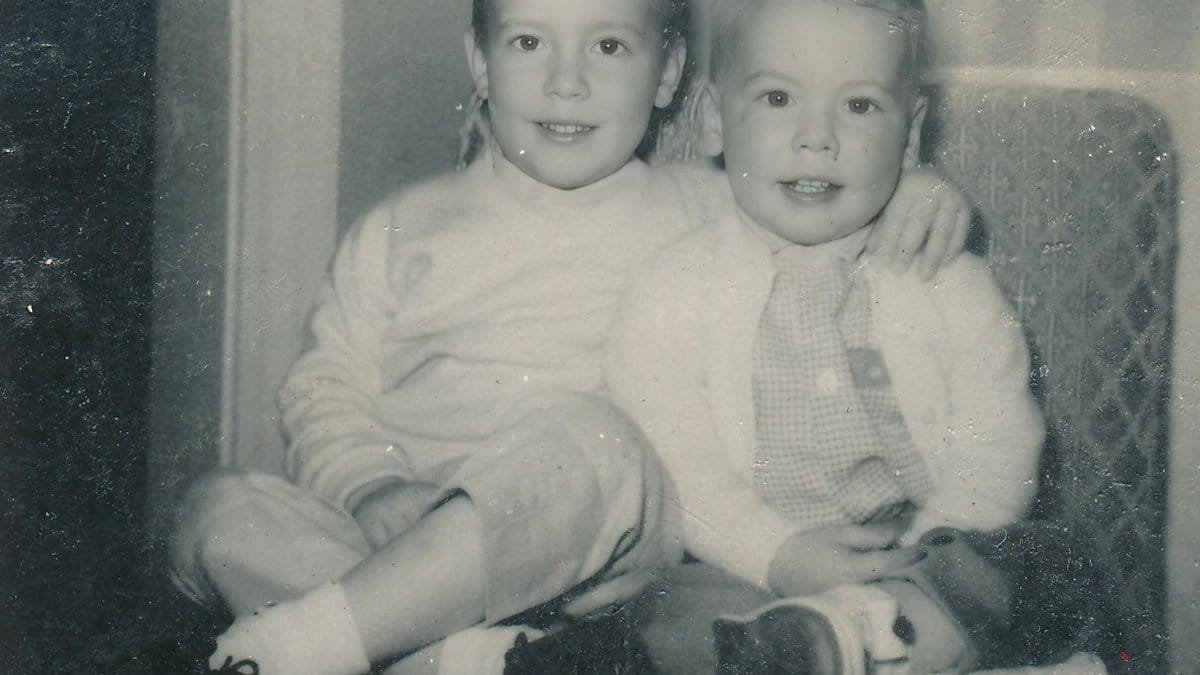
The victims have been identified as twenty four year old Marcus Rivera and twenty seven year old Javier Rivera. Friends and family describe them as closeknit siblings who looked out for one another and for their younger sister. Marcus had launched a modest landscaping business that was beginning to gain steady clients. Javier was enrolled at Miami Dade College studying business administration while working nights at a distribution center. Both were known for their quick smiles and willingness to help neighbors with repairs or moving furniture.
Their deaths leave a void that extends beyond blood relatives. Mentors at the community center where the brothers volunteered say the young men represented hope in a neighborhood that has watched too many bright lives end early. The spiritual weight of such loss appears in the quiet prayers offered at makeshift memorials where flowers and candles now line the sidewalk. These tributes speak to a collective yearning for meaning when violence strips away potential.
The Man Accused and the Relationship at the Center

The suspect whose name has been released in court records as Daniel Ortiz had dated the victims sister for nearly two years. According to people close to the family the relationship had grown turbulent. The brothers had stepped in before when they believed their sister was being mistreated. That protective instinct may have contributed to the final confrontation though authorities have not released every detail.
Ortiz worked in construction and had no prior homicide record though court papers mention previous domestic calls at other addresses. His public defender has asked for patience while the investigation continues. Regardless of legal outcomes the case forces examination of how personal entanglements can fester without healthy outlets for resolution. Many middle aged parents watching this story wonder aloud how they might guide their own adult children through similar emotional minefields.
Violence as a Symptom of Spiritual Disconnect
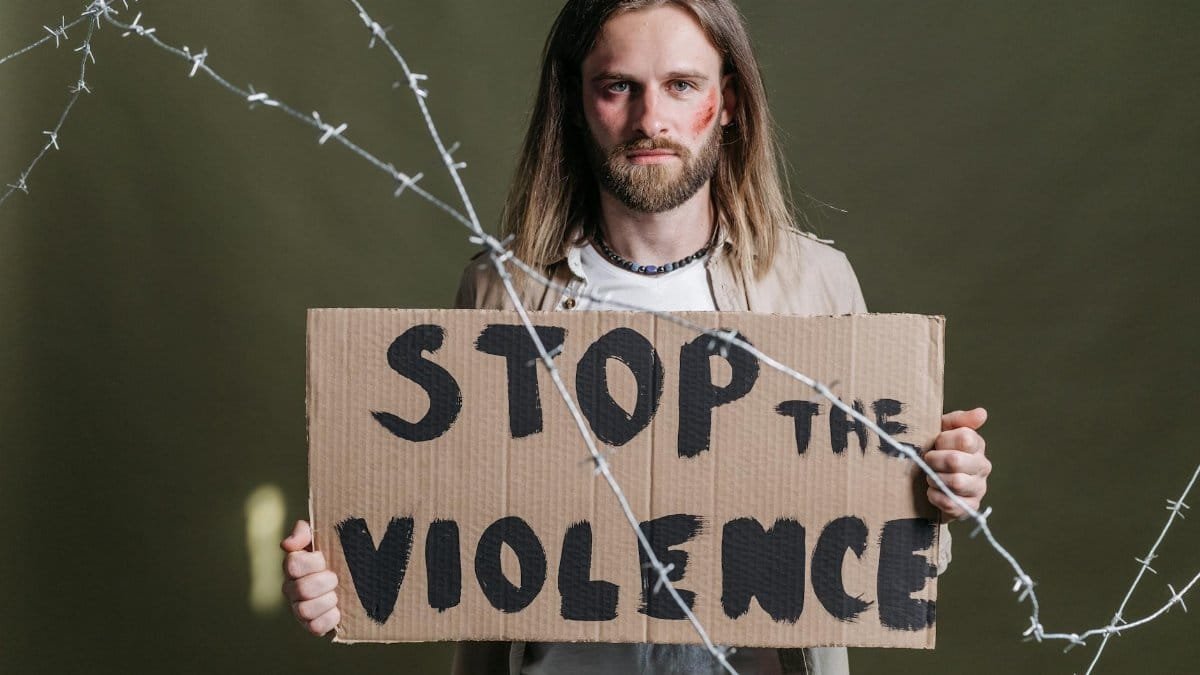
Beyond the police blotter this tragedy points toward something harder to measure: a spiritual hunger that goes unmet in fast paced urban life. Clergy members across denominations note that when people lose connection to purpose or community small grievances can swell into rage. The act of fatally shooting brothers becomes both criminal act and symptom of deeper emptiness. In conversations with pastors one hears repeated emphasis on the soul level fractures that precede physical ones.
Miami like other major cities shows patterns where economic pressure housing instability and weakened family structures converge. When those conditions meet easy access to firearms the results can prove deadly. Spiritual leaders argue that real prevention must address the heart and not merely outward behavior. They speak of the need to restore practices of reflection confession and accountability that once anchored neighborhoods.
Faith Communities Mobilize After the Shooting
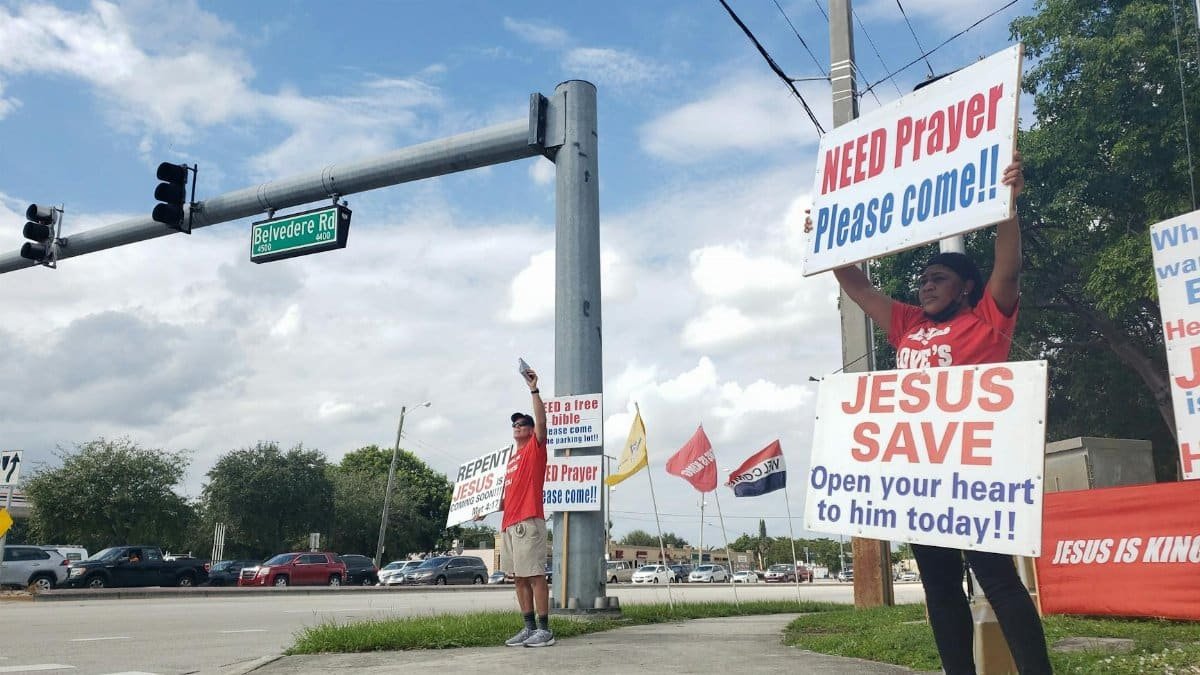
Within forty eight hours of the incident pastors had organized prayer vigils at nearby churches. Reverend Elena Morales of Grace Tabernacle told her congregation that every life taken demands both justice and mercy. She urged members to resist the instinct to demonize Ortiz while still demanding accountability. Similar messages echoed from pulpits in Liberty City and Little Havana demonstrating how one crime can ripple across diverse spiritual traditions.
Interfaith groups have begun collecting funds to support the Rivera family with funeral costs and counseling. Others are reviving mentorship circles for young men that combine job training with scriptural study. These efforts reflect a growing trend in spiritual news where houses of worship position themselves as first responders to social breakdown. The response feels both immediate and insufficient highlighting the limits of what any single congregation can achieve alone.
What Ancient Wisdom Says About Uncontrolled Anger

Religious texts offer stark warnings that feel uncomfortably relevant. The book of Proverbs declares that a hot tempered person stirs up conflict while patience brings peace. In the Sermon on the Mount Jesus equates nursing anger with murder in the heart. These teachings do not excuse violence but they do invite self examination. Local biblical counselors now report increased requests for guidance on managing rage in the wake of this and similar cases.
One counselor who works with formerly incarcerated men explained that many participants discover only later in life how childhood exposure to conflict shaped their reactions. Through guided study of scripture they learn to pause name their emotions and choose different responses. Such programs cannot rewrite the past yet they plant seeds that may prevent future tragedies of fatally shooting brothers or harming those closest to us.
The Painful Road Toward Forgiveness

Perhaps no question haunts survivors more than whether forgiveness remains possible. The Rivera family must somehow reconcile grief with the legal reality that the man who killed their sons and brothers once shared their table. Spiritual directors caution that forgiveness cannot be rushed nor does it cancel the need for consequences. Instead it represents a gradual release of bitterness that frees the wounded from remaining chained to the wound.
Support groups at area churches now include sessions specifically for families affected by homicide. Participants share stories of slow painful progress toward peace. Many describe moments in prayer when they felt divine strength to wish well being for the perpetrator even while supporting prosecution. These testimonies carry special weight for middle aged readers who may face their own tests of forgiveness within fractured families.
Miami Crime Patterns and the Search for Lasting Answers
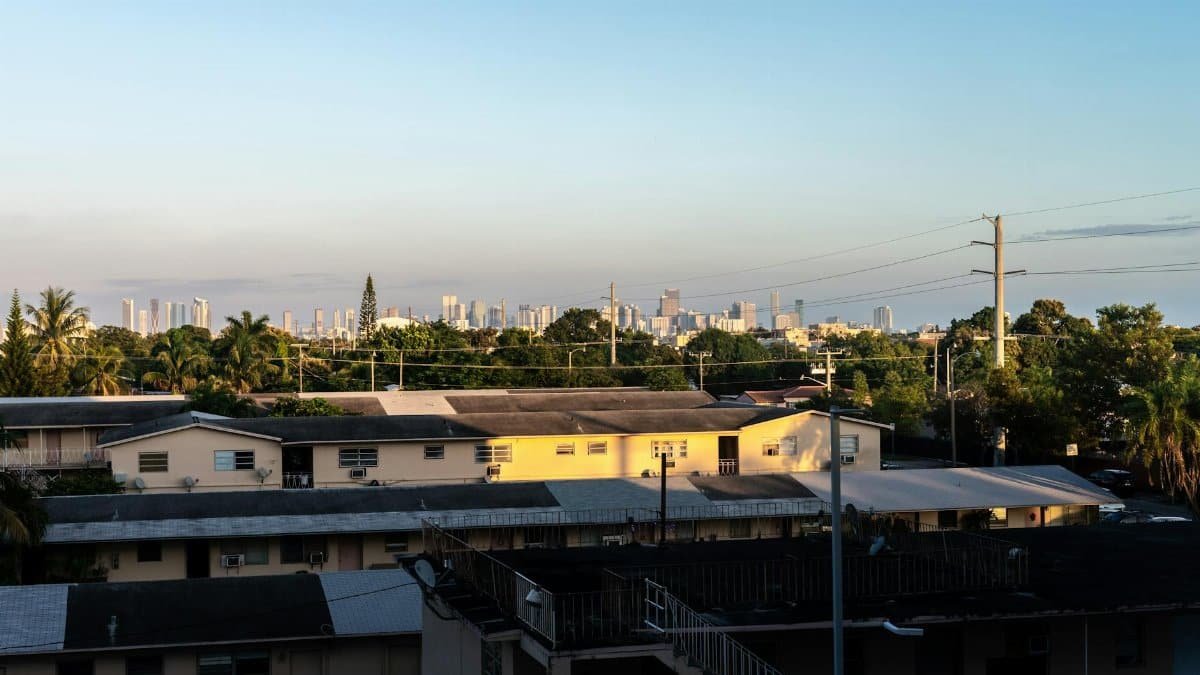
Statistics from recent years show modest declines in overall violent crime yet certain pockets of the city continue to suffer. Domestic disturbances too often turn deadly when weapons are present. Community advocates argue that addressing root causes requires investment in mental health services affordable housing and youth development all areas where faith based organizations have long records of service.
The original Miami Herald coverage of this incident reminds readers that each headline represents real people whose names risk being forgotten once the next story breaks. By keeping focus on both the crime and its spiritual dimensions communities may move beyond outrage toward genuine transformation. For more on the charges and court timeline readers can consult the Miami Herald report at https://www.miamiherald.com/news/local/crime/article315639109.html.
Building Habits of Peace in Everyday Life

Prevention ultimately depends on choices made long before any argument begins. Families that eat together pray together and resolve differences openly create buffers against escalation. Churches that teach emotional intelligence alongside doctrine give young people tools their parents may never have received. Schools and nonprofits that partner with these institutions multiply the effect.
Programs emphasizing mentorship have shown encouraging results in neighborhoods once written off as lost causes. Former offenders who have walked through restorative justice circles often become the most persuasive voices for change. Their message is simple yet profound: every person carries both capacity for harm and potential for redemption. Nurturing the latter requires deliberate daily effort from all of us.
Hope Amid Heartbreak

As legal proceedings against Ortiz move forward the people of Miami continue lighting candles and offering prayers. The spiritual news emerging from this sorrow is not despair but determination. Residents both young and old appear newly motivated to strengthen the invisible bonds of empathy and moral clarity that hold society together. In quiet living rooms and bustling storefront churches the same question arises: how do we become the kind of people who protect life rather than destroy it?
The answer will not arrive through any single policy or sermon. It will be stitched together through countless small decisions to listen more carefully to check on neighbors to teach children self control and to seek help before anger turns destructive. If this tragedy of fatally shooting brothers ultimately leads more families to examine their own patterns of conflict then some measure of meaning may yet be rescued from the pain. The work ahead is long but many in Miami now seem willing to begin it together.