
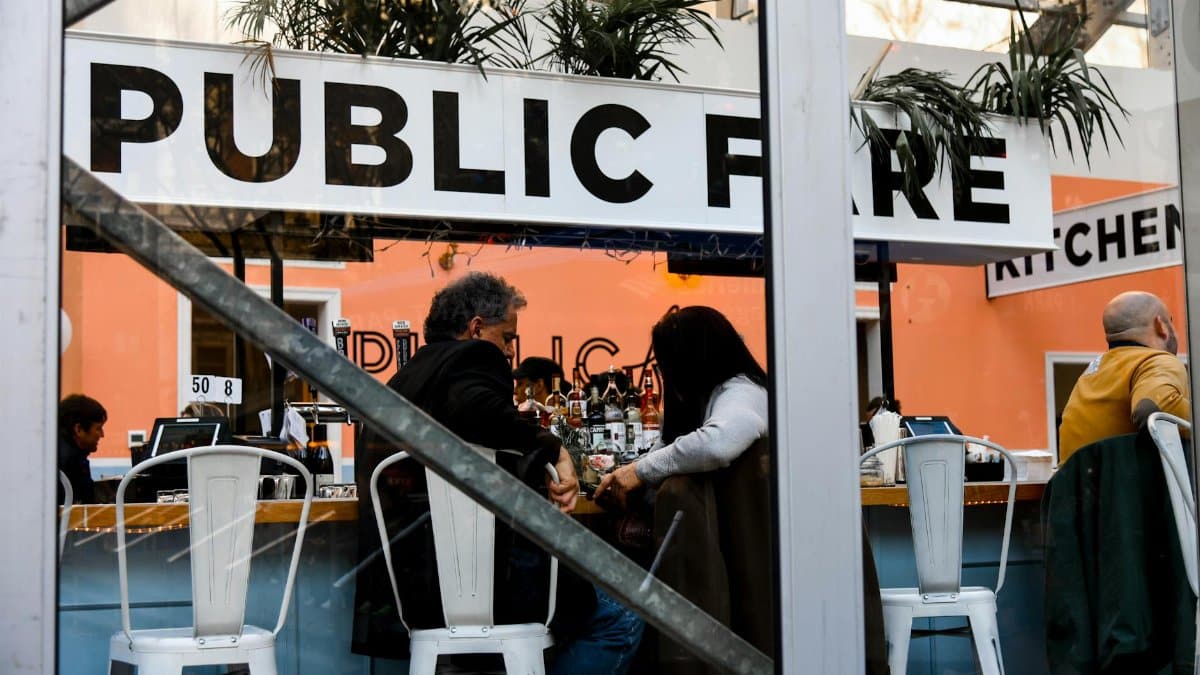
As we approach the year 2026 residents across the Philadelphia region find themselves drawn to something deeper than mere convenience. In an era marked by digital overload and social fragmentation a new generation of dining spaces emerges as quiet sanctuaries where strangers become companions and meals transform into shared rituals of gratitude. This movement goes beyond trends. It speaks to a collective yearning for presence and purpose that many middle aged Americans quietly harbor after years of relentless pace. According to reporting from The Philadelphia Inquirer more than one hundred distinct concepts are currently in development or nearing completion throughout the metro area. Philly area restaurants thus find themselves at the center of a subtle cultural shift where the act of breaking bread regains its ancient resonance.
A Surge In Dining Options Across The Region

The sheer volume of planned openings reveals an unprecedented level of confidence in the local market. Developers and independent operators alike have committed to projects ranging from intimate thirty seat tasting rooms to expansive gathering halls capable of hosting community events. This expansion appears driven by both demographic changes and evolving values. Many new venues deliberately incorporate elements that encourage mindfulness from communal tables that discourage phone use to menus that highlight the season and the farmer behind each ingredient. Industry observers note this represents more than commercial ambition. It reflects a hunger for experiences that feed both body and spirit in tangible ways.
Diverse Flavors That Nourish The Spirit
What unites many of these forthcoming establishments is an intentional blending of global traditions with local sensibilities. One project in Fishtown plans to explore West African cooking through the lens of Quaker simplicity emphasizing shared plates and stories exchanged between diners. Another concept slated for the Main Line will fuse Japanese kaiseki techniques with Pennsylvania Dutch preservation methods creating entirely new pathways for flavor and memory. These culinary dialogues serve a larger purpose. They invite patrons to consider their own place within a larger human story one that transcends political and generational divides. The best among these new Philly area restaurants seem designed to spark wonder rather than simply satisfy appetite.
Chefs Leading With Intention
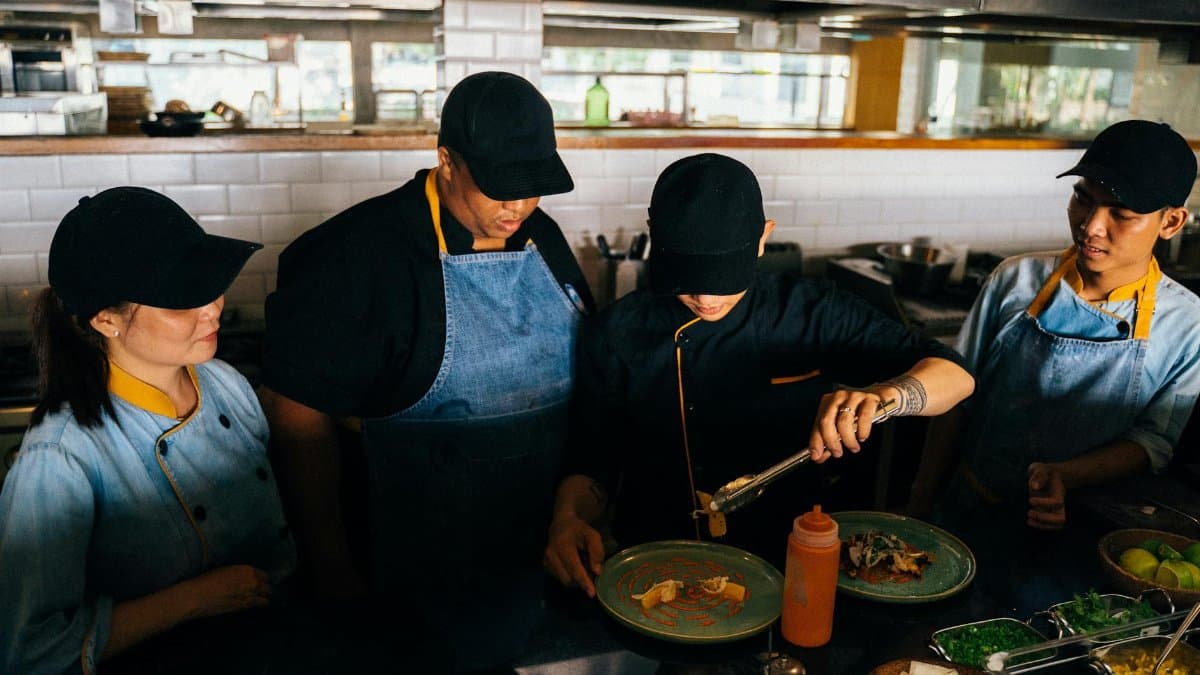
Several prominent figures are stepping forward with deeply personal visions for their 2026 debuts. Chef Mariel Santos who previously earned acclaim for her work at a beloved Center City institution plans to open a small restaurant in Kensington centered on Filipino American healing foods. Her menu draws from ancestral recipes known for their restorative properties incorporating ingredients long valued in traditional medicine. Similarly a former corporate chef who left the industry during the pandemic will return with a venture focused on seasonal Jewish comfort foods reimagined for contemporary palates. These chefs speak of their work in terms that might have seemed foreign a decade ago. They discuss feeding the soul nourishing community and creating spaces where emotional vulnerability feels welcome alongside excellent wine.
Sustainable Practices In The Kitchen

Environmental consciousness appears not as marketing language but as core operating principle across many upcoming projects. Multiple venues intend to achieve zero waste certification from opening day through comprehensive composting programs and partnerships with urban farms. One ambitious bar and restaurant slated for Northern Liberties plans to generate a significant portion of its electricity through on site solar arrays while maintaining a fully closed loop water system. These efforts align with a growing understanding that true nourishment cannot exist in isolation from the health of the land itself. Patrons increasingly seek establishments that model responsible stewardship allowing diners to participate in something larger than their individual meal.
Many of these sustainability measures carry spiritual undertones. By treating ingredients with reverence and minimizing harm operators create environments where consumption becomes a form of prayerful participation in the natural world. This philosophy resonates particularly with middle aged diners who watched previous generations deplete resources and now seek alignment between their values and daily choices.
Venues Designed For Connection
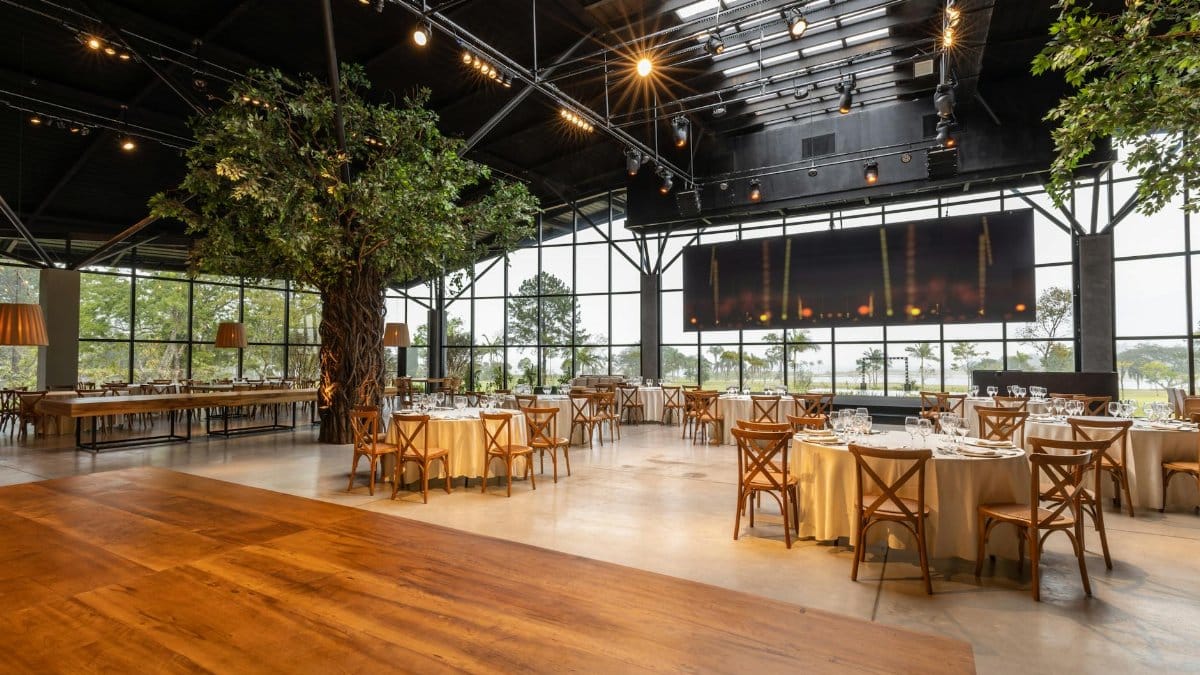
Architecture and interior design choices reveal thoughtful attention to human interaction. Several new spaces deliberately avoid the hard surfaces and loud acoustics that defined early 2000s restaurant trends. Instead designers incorporate natural materials soft textiles and layouts that facilitate easy conversation. One project in Old City features a central hearth around which all seating radiates creating both literal and symbolic warmth. Another in University City includes a reading nook and rotating community library encouraging patrons to linger and engage beyond typical meal durations.
These design decisions reflect growing awareness that meaningful connection rarely happens in rushed or harsh environments. The most successful new establishments seem to understand that atmosphere itself can become a form of ministry inviting people to slow down and truly see one another.
Creative Libations And Mindful Drinking

The bar scene shows equal innovation with several concepts focusing on nonalcoholic offerings that match the complexity of traditional cocktails. One notable project in Manayunk will feature a zero proof menu developed in consultation with herbalists and wellness practitioners. Their drinks incorporate adaptogens medicinal mushrooms and botanicals chosen for specific effects on mood and energy. This development acknowledges the substantial number of adults who choose to drink less or not at all while still desiring sophisticated social experiences.
Even traditional bars among the new openings plan to offer what one operator described as spiritual mixology. These drinks tell stories honor specific cultures or mark moments of transition and celebration. The approach treats libations as extensions of the meal rather than mere precursors or afterthoughts.
Community Partnerships And Local Impact

Beyond their doors many of these establishments plan active roles in neighborhood life. Several have already committed to regular free community meals funded through a percentage of profits. Others will host regular meditation sessions cooking demonstrations for youth or intergenerational storytelling events. These initiatives position restaurants as modern versions of the village square essential infrastructure for social cohesion.
One particularly ambitious project in South Philadelphia intends to operate as both restaurant and training ground for formerly incarcerated individuals providing culinary skills alongside mentorship and spiritual counseling. Early indications suggest this holistic approach yields remarkable results for both participants and guests who report feeling part of something genuinely transformative.
Embracing The Spiritual Side Of Sharing A Meal
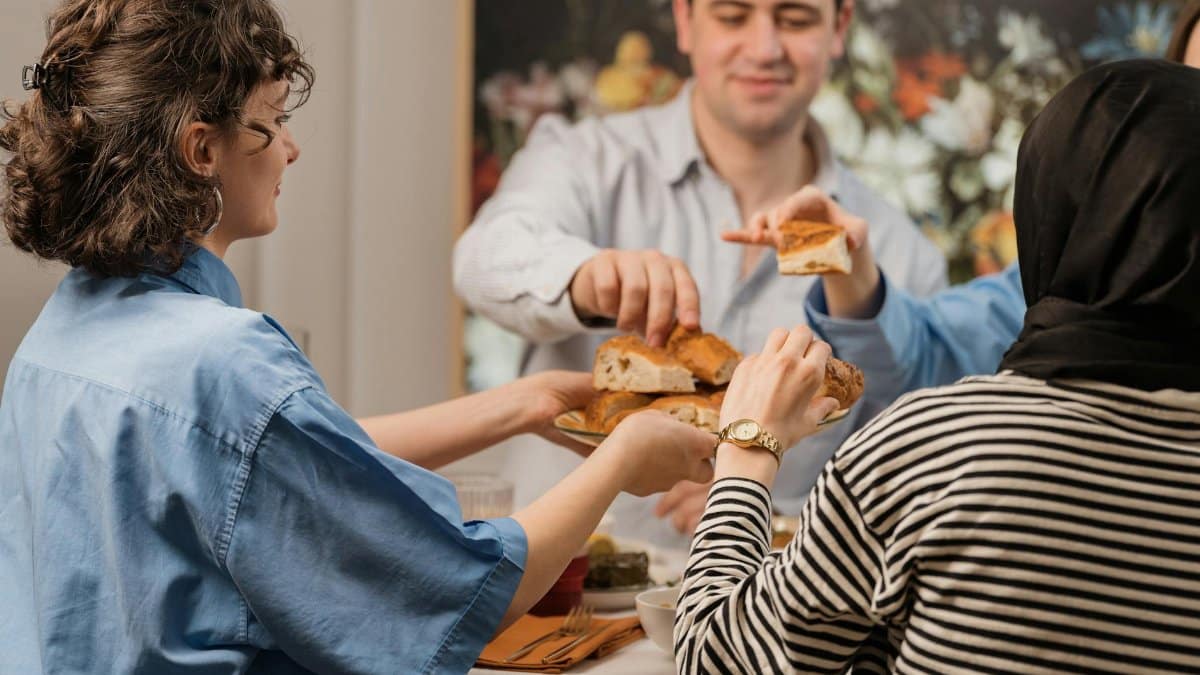
Throughout these developments runs a common thread that might have surprised earlier generations of food writers. The language used by operators frequently references presence gratitude and communion. Many describe their restaurants explicitly as places where people can experience the sacred in the ordinary. This represents a significant evolution in how Americans particularly those in middle age conceive of dining out.
Rather than status signaling or simple fuel these new Philly area restaurants offer something closer to sanctuary. They create conditions where conversation can deepen where appreciation for craft becomes a form of worship and where the simple act of eating together reaffirms our common humanity. In doing so they address a spiritual hunger that surveys consistently show has only grown more acute in recent years.
Looking Ahead To Transformative Dining Experiences
As construction timelines accelerate and opening dates draw nearer anticipation builds across the region. While not every project will succeed the collective vision they represent points toward a more intentional future for dining. Success will likely favor those who understand that excellent food alone no longer suffices. The establishments that thrive will be those that also create space for reflection connection and perhaps even healing.
The coming year promises to reshape not simply where people eat but how they understand their relationship to food community and meaning itself. For those who have felt disconnected or adrift in recent times these new venues may offer unexpected pathways back to center. The table has always held power. In 2026 that power may finally receive the recognition it deserves.
Practical Tips For Food Enthusiasts
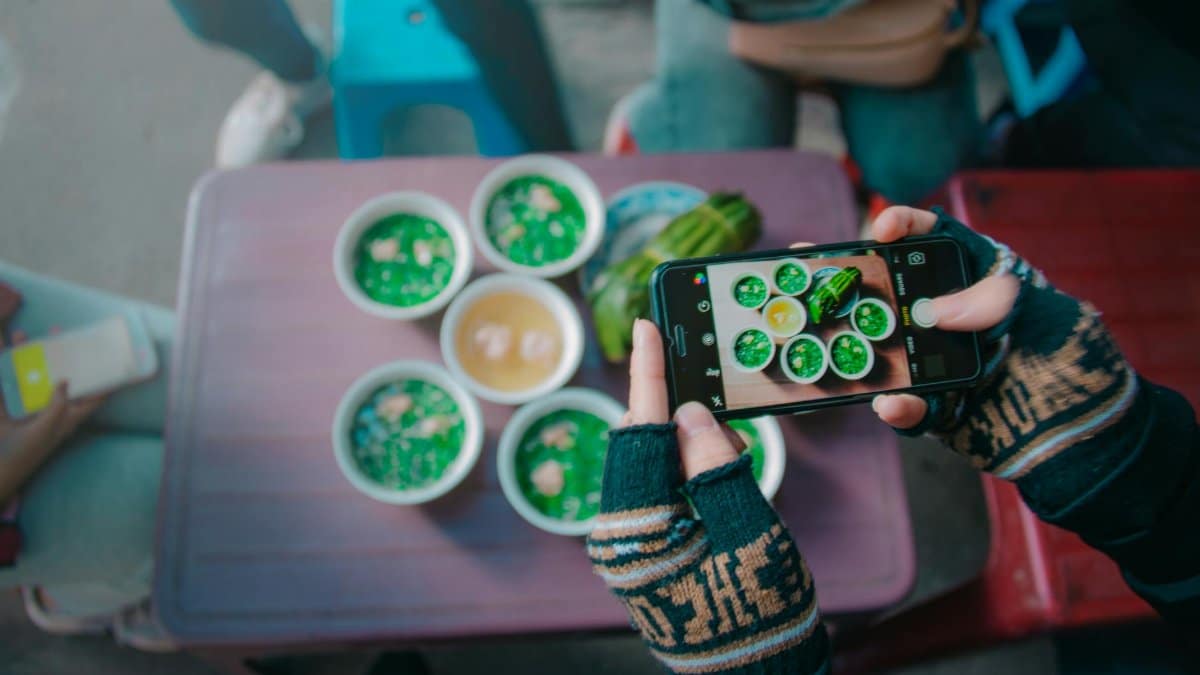
Those eager to engage with these forthcoming establishments would do well to approach them with openness and patience. Many will likely experience soft openings or phased launches as teams refine their concepts. Following local food writers and signing up for restaurant newsletters provides the best chance of securing early reservations. More importantly approaching these experiences with genuine curiosity rather than checklist mentality allows for the kind of discovery that transforms a simple dinner into something memorable.
Consider visiting during quieter hours when staff can engage more fully. Ask questions about ingredients and inspirations. Allow yourself to linger. The most rewarding encounters with these new spaces will likely come not from chasing trends but from showing up fully present and willing to receive whatever the experience offers. In that receptivity lies the true spirit of what these restaurants hope to create.