
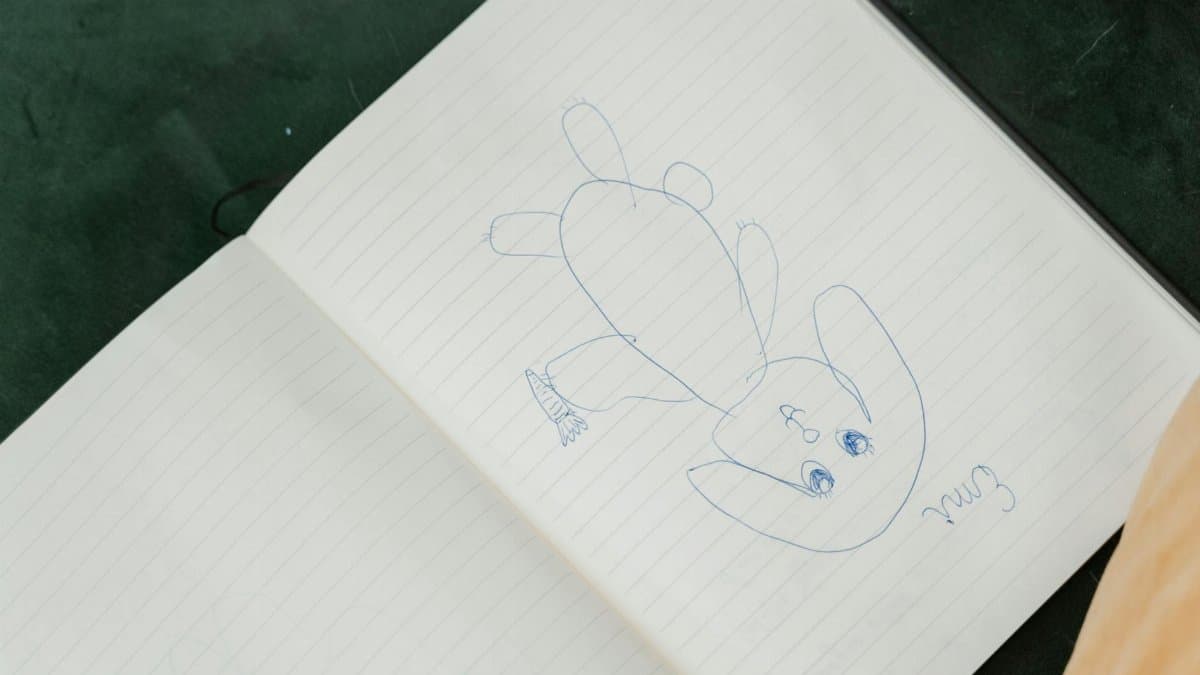
In the margins of a faded legal pad during an otherwise forgettable corporate meeting, a woman sketched looping vines and geometric stars. She was not trying to create art. Her mind simply needed an outlet. What she discovered in that idle habit reflects a growing understanding of how spontaneous drawing can anchor attention and quiet inner turbulence. The Benefits Doodling have moved from curiosity to credible insight among psychologists, educators, and wellness practitioners who see these small marks as powerful tools for modern living.
The Neural Mechanics of Spontaneous Drawing
When people doodle the brain engages in a unique concert of activity. The default mode network responsible for mind wandering works alongside areas that control fine motor skills and visual processing. This gentle multitasking keeps the mind from drifting into complete distraction while preventing the boredom that often sabotages focus during lectures or conference calls. Rather than pulling attention away from the primary task doodling seems to provide just enough stimulation to maintain engagement.
Neuroimaging studies show increased blood flow to regions associated with memory consolidation during these moments. The activity creates a neurological bridge that helps information move from short term awareness into longer term storage. Middle aged professionals who once viewed their notebook scribbles with embarrassment now recognize them as legitimate cognitive support.
Mindfulness Without the Meditation Cushion

Doodling offers a secular entry point into mindfulness that appeals to those wary of traditional meditation. The repetitive motion of pen on paper creates a rhythmic focus similar to breath work yet requires no instruction or posture. Each line demands presence. When the mind wanders the next curve or pattern gently calls it back. This creates a moving meditation that fits more easily into busy schedules than sitting still for twenty minutes.
Many spiritual traditions have long used repetitive mark making as contemplative practice. Mandalas in Buddhist art and illuminated manuscripts in Christian monasteries both demonstrate how simple patterns can serve as gateways to deeper awareness. Contemporary doodling continues this lineage in accessible form.
Emotional Regulation Through Visual Expression

Unspoken feelings often find their first voice in shape and line. Doodling provides a judgment free zone where emotions can externalize without grammar or audience. Anger might become sharp angles. Anxiety could appear as tightly wound spirals that gradually loosen as the page fills. This process mirrors techniques used in art therapy yet requires no therapist or special materials.
Regular practitioners report decreased rumination and improved mood stability. The tactile experience of ink flowing across paper grounds abstract worry in physical reality. Something shifts when internal pressure becomes visible pattern. The act itself becomes a form of emotional alchemy that transforms diffuse unease into contained form.
Research That Changed the Conversation
Psychologist Jackie Andrade published a pivotal study in 2009 that challenged decades of assumption about doodling. Participants who shaded simple shapes while listening to a monotonous recording remembered 29 percent more details than those who sat still. The research appeared in Applied Cognitive Psychology and can be accessed through Wiley Online Library at this link.
Subsequent investigations have expanded these findings. A team at Drexel University found that even five minutes of free drawing reduced cortisol levels significantly. The Happiful article that inspired this piece offers additional context at happiful.com. These studies collectively suggest doodling functions as low intensity brain training rather than mere fidgeting.
Doodling as Contemporary Spiritual Practice
Within spiritual communities doodling has gained recognition as accessible contemplative technology. Unlike formal meditation that demands disciplined attention this practice welcomes wandering. The spiritual benefit emerges not from perfect focus but from compassionate observation of where the pen leads. Many describe it as conversation with the subconscious a visual form of automatic writing popularized by surrealist artists and depth psychologists.
Practitioners often notice recurring symbols that reveal persistent themes in their inner landscape. A repeated key might signal desire for resolution. Flowing water could reflect emotional needs. These visual metaphors provide spiritual insight without requiring verbal articulation. The practice honors the wisdom that lives beneath language.
Professional Environments Reconsider Their Stance

Corporate culture slowly shifts its view of employees who doodle during meetings. Forward thinking organizations now supply sketchbooks alongside agendas recognizing that visual thinking often leads to unexpected solutions. Architects and designers have long understood this connection. Now data analysts and executives discover similar advantages.
Leaders who once interpreted doodling as disengagement increasingly view it as sign of active processing. The practice appears particularly valuable during complex strategy sessions where linear note taking fails to capture systemic relationships. Visual metaphors emerge organically allowing teams to see connections that words alone might miss.
Therapeutic Applications Gain Momentum

Mental health professionals incorporate doodling into treatment protocols for anxiety depression and trauma. The approach requires minimal training yet offers immediate accessibility. Clients who struggle with traditional talk therapy often respond to the invitation to simply draw without evaluation. The activity bypasses verbal centers of the brain where shame and resistance frequently reside.
Art therapists note that doodling creates a gentler entry point than more intimidating blank canvases. Small notebook sketches feel less performative and therefore less threatening. This humility proves essential for individuals who associate creativity with criticism or failure. The practice rebuilds relationship with creative impulse one unassuming line at a time.
Building a Sustainable Personal Practice

Starting requires nothing more than paper and pen though many prefer gel pens or fine liners that glide smoothly. Keep supplies visible and portable. The goal involves consistency rather than duration. Three minutes daily yields more benefit than occasional hour long sessions. Many integrate doodling with existing routines such as morning coffee or evening wind down.
Experiment with different surfaces and implements. Some prefer grid paper while others choose unlined journals. The physical feedback of each tool influences the experience. Over time distinctive personal vocabulary of marks and symbols naturally develops. This visual language becomes as unique as handwriting yet carries additional psychological dimension.
Challenging Persistent Cultural Myths
Generations learned that doodling signaled disrespect or lack of discipline. Teachers confiscated notebooks. Parents frowned at wasted paper. These attitudes linger despite mounting evidence to the contrary. Shifting this perception requires both personal courage and cultural reevaluation of what constitutes productive activity.
Recognizing doodling as legitimate mental hygiene rather than childish habit represents an important reframing. The practice challenges narrow definitions of productivity that equate busyness with value. In this sense it carries subtle political dimension by asserting the worth of unstructured time and nonlinear thinking.
The Broader Cultural Renaissance of Analog Creativity
After decades of digital dominance many now seek tactile experiences that reconnect them with physical reality. Doodling participates in this larger movement alongside adult coloring books fountain pens and hand lettering. The appeal transcends nostalgia. These activities satisfy neurological needs that screens cannot address.
As attention spans fragment under constant notification pressure doodling offers gentle resistance. It creates small islands of presence in otherwise distracted days. The practice needs no electricity no subscription and no special talent. Only willingness to make marks without concern for outcome.
The quiet revolution happening in notebook margins deserves broader recognition. What appears as absentminded sketching actually represents sophisticated self regulation that supports both cognitive performance and emotional resilience. In an age of unprecedented distraction these simple practices reconnect us with innate creative capacity while nurturing the focused presence that makes life meaningful. The Benefits Doodling extend beyond individual wellbeing toward a more balanced collective relationship with attention itself.