
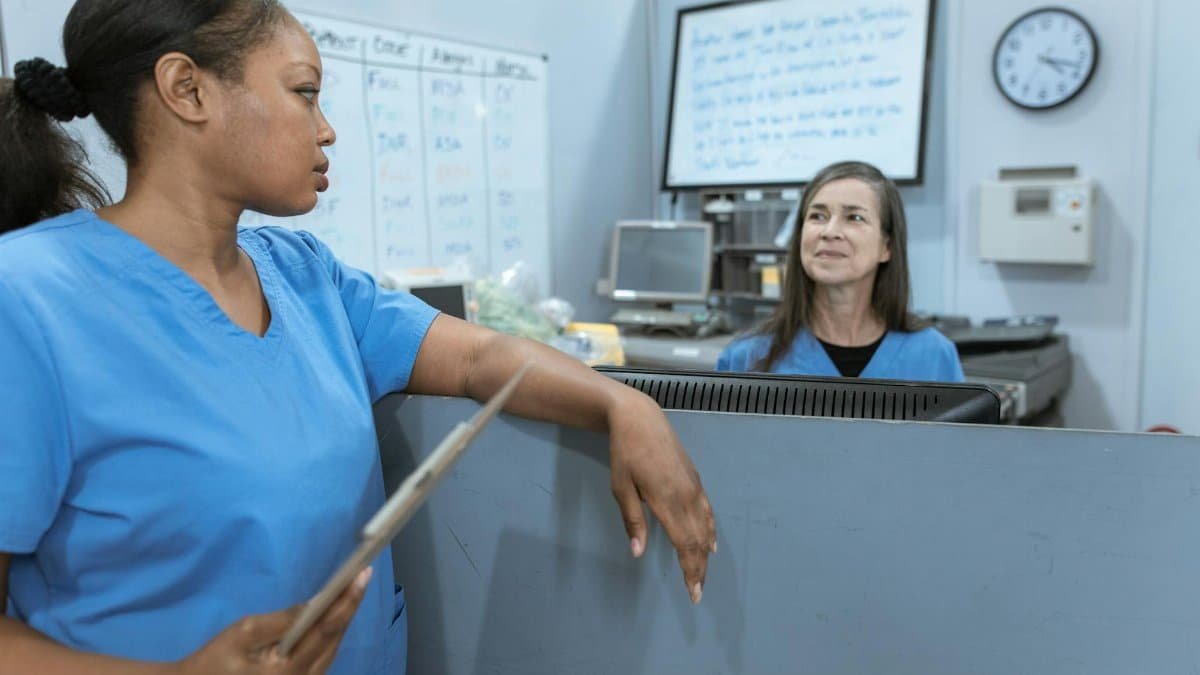
In the heart of Boston a dedicated group of nurses has taken a stand that could reshape how hospitals address the needs of their staff. Overworked and under supported they have grown weary of conditions that threaten the very core of their mission to heal. The Tufts nurses vote represents a pivotal moment not only for Tufts Medical Center but for the wider conversation about what we owe those who care for us in our most vulnerable times. This expression of no confidence in the operating room director stems from ongoing staffing shortages that have left teams stretched thin and patients potentially exposed to greater risks. As these professionals make their position clear one cannot help but reflect on the deeper values at play in our healthcare system. Their actions invite us to consider the human element in medicine and the responsibilities we all share in supporting those on the front lines.
Understanding the Roots of Frustration

Nurses at Tufts Medical Center have voiced concerns for some time about the gap between the demands of their roles and the resources provided to meet those demands. Chronic staffing shortages mean that operating rooms often function with minimal personnel. This situation leads to fatigue and heightened stress levels among the staff. According to reports many nurses feel they cannot provide the level of attention and care that patients deserve. The decision to hold the Tufts nurses vote emerged from these accumulated grievances. It serves as a formal mechanism to highlight systemic problems rather than isolated incidents. Hospital administrators have acknowledged some of the challenges but progress has been slow in the eyes of the nursing staff.
Interviews with several nurses reveal a pattern of canceled vacations mandatory overtime and an ever present sense of being overwhelmed. One veteran nurse described the environment as one where the focus has shifted from quality care to merely getting through the day. These stories are not unique to Tufts yet they carry particular weight in a facility known for its specialized services.
A Closer Look at the Vote Itself

The Tufts nurses vote of no confidence is more than a symbolic gesture. It is a structured expression of dissent that carries significant implications for leadership. By casting their ballots the nurses signaled that they believe the current operating room director has not done enough to address their legitimate concerns. This process followed months of discussions and attempts at dialogue that ultimately proved fruitless. The results showed overwhelming support for the no confidence measure indicating a unified front among the nursing team.
Such votes are rare in healthcare settings but they are becoming more common as professionals seek ways to advocate for better conditions. In this case the Tufts nurses vote has drawn attention from labor organizations and healthcare watchdogs across the region. It raises important questions about how institutions respond when their most essential workers speak out in this manner.
The Daily Realities Faced by Nurses

Imagine starting a shift in an operating room where the schedule is full but the team is short by two critical members. This scenario has become all too familiar for nurses at Tufts Medical Center. They must prioritize tasks in ways that leave little room for error or unexpected complications. The physical and mental demands are substantial with long hours and intense concentration required at all times. Many nurses report difficulty in maintaining the compassionate approach that drew them to the profession in the first place.
Beyond the immediate pressures there is the emotional burden of knowing that staffing shortages could lead to oversights or delays in care. This knowledge weighs heavily on those who take their oaths seriously. It creates a climate of anxiety that permeates the workplace and affects overall morale.
How Staffing Levels Affect Patient Outcomes

Research has consistently shown a direct correlation between adequate nurse staffing and positive patient results. A study published by the Journal of Nursing Administration found that units with higher nurse to patient ratios experienced fewer adverse events and shorter hospital stays. Readers can explore the details at https://www.ncbi.nlm.nih.gov/pmc/articles/PMC2904602/. Similar findings have emerged from investigations into Boston area hospitals where staffing has been a persistent issue.
At Tufts Medical Center the nurses argue that current levels fall below safe thresholds. They point to incidents where patients required additional monitoring that stretched the team even further. These situations not only endanger lives but also erode trust in the healthcare system as a whole.
Leadership Accountability in Healthcare Settings

The role of an operating room director extends beyond scheduling and logistics. It involves advocating for the needs of the staff and ensuring that safety protocols are followed without compromise. In the case of the Tufts nurses vote questions have arisen about whether this advocacy has been sufficient. Critics suggest that a greater focus on recruitment and retention could have alleviated some of the current strains.
Hospital leaders face difficult choices in an era of rising costs and limited budgets. Yet the nurses maintain that patient care must remain the top priority. Effective leadership recognizes the expertise of frontline staff and incorporates their feedback into decision making processes.
The Moral and Ethical Questions Involved

This conflict at Tufts Medical Center touches on profound moral and even spiritual dimensions of healthcare. Nursing is often described as a calling that requires not only technical skill but also deep compassion and presence. When staffing shortages prevent nurses from offering this full presence it can lead to what some experts term moral injury. This occurs when professionals are unable to fulfill their ethical obligations due to systemic constraints.
In spiritual terms many nurses speak of their work as a form of ministry or service that feeds their sense of purpose. Chronic understaffing disrupts this connection and can lead to burnout that affects both body and spirit. The Tufts nurses vote can be seen as an effort to restore the integrity of their vocation. It challenges society to view healthcare workers not as interchangeable parts but as individuals with a sacred duty to perform. Trends in spiritual news often highlight the search for meaning in labor and this story fits squarely within that narrative as nurses fight to preserve the soul of their profession.
Reactions from the Broader Community

News of the Tufts nurses vote has sparked discussions among patients former staff and local residents. Many express support for the nurses citing their own experiences within the healthcare system. Labor unions have offered statements emphasizing the need for systemic reform. Meanwhile some healthcare analysts warn that without addressing these concerns hospitals may face increasing difficulty in attracting and keeping qualified personnel.
Community leaders have called for greater transparency and collaboration between administration and staff. Public opinion appears to lean toward the nurses with polls indicating widespread concern about staffing levels in local hospitals.
Comparing Tufts to Other Boston Hospitals

Tufts is not alone in grappling with these issues. Similar complaints have surfaced at other major institutions in the Boston area. However the decision to take a public stand through a vote of no confidence sets this case apart. It may inspire action elsewhere or it could prompt administrators at various facilities to examine their own practices more closely.
Each hospital has unique circumstances but the underlying problems of recruitment competition from travel nursing agencies and an aging workforce are shared. Learning from the Tufts experience could help prevent future conflicts and promote more stable environments across the board.
Potential Strategies for Meaningful Change

Moving forward both sides will need to engage in constructive dialogue. Possible solutions include enhanced recruitment efforts improved working conditions and better support for mental health. Investing in training programs and offering competitive compensation could also ease the burden. The nurses have proposed specific measures that they believe will lead to safer staffing ratios.
Independent mediators might play a role in facilitating these conversations. Ultimately success will depend on a genuine commitment to change rather than temporary fixes. By addressing the concerns raised in the Tufts nurses vote the hospital has an opportunity to set a positive example for the industry.
Why This Moment Feels So Significant

The Tufts nurses vote comes at a time when the healthcare sector is still recovering from the strains of recent global health challenges. It reflects a growing assertiveness among nurses who have gained greater awareness of their value and rights. This development aligns with larger societal shifts toward prioritizing worker wellbeing and ethical business practices.
For middle aged readers who have witnessed transformations in medicine over decades this story resonates on a personal level. Many have family members who work in healthcare or have been patients themselves. The outcome at Tufts could influence how future generations experience medical care.
Looking Ahead to a More Sustainable Future

As this situation unfolds the hope is that it leads to tangible improvements not just at Tufts Medical Center but throughout Boston and beyond. The nurses have shown courage in speaking up and their efforts deserve serious consideration. By focusing on the human and spiritual aspects of care we can build a system that honors those who dedicate their lives to healing others.
The Tufts nurses vote is a reminder that behind every medical procedure are real people with limits and needs. Recognizing this truth is the first step toward creating environments where compassion can flourish and safety is assured. Only through sustained attention and collaborative problem solving can we ensure that our hospitals remain places of hope and restoration rather than sources of distress for those who work within them.