
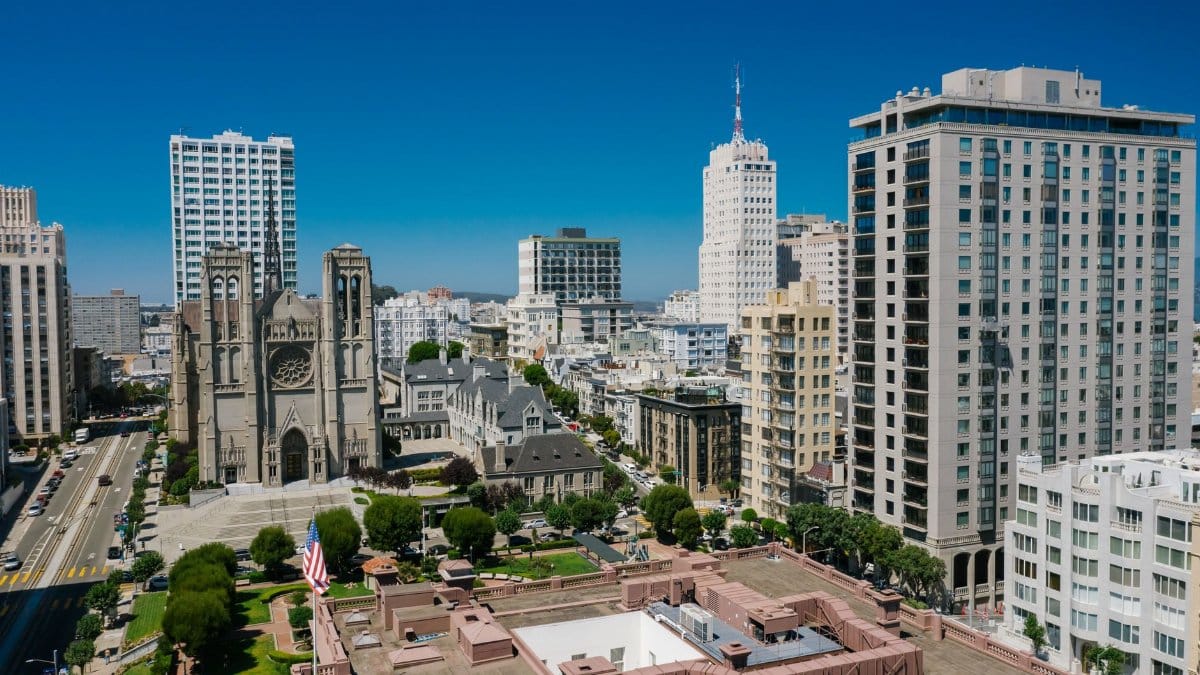
On a Wednesday night, lights went dark across a pair of San Francisco neighborhoods that rarely share the same evening rhythm. More than 1,600 PG&E customers in Nob Hill and Chinatown lost power after crews found damaged equipment, an SF power outage that cut through hotel corridors, apartment stairwells, and restaurant kitchens at once. The failure was local, but the inconvenience traveled fast, from cable car stops to side streets where neon usually does the work of street lamps.
A night when two neighborhoods went quiet together
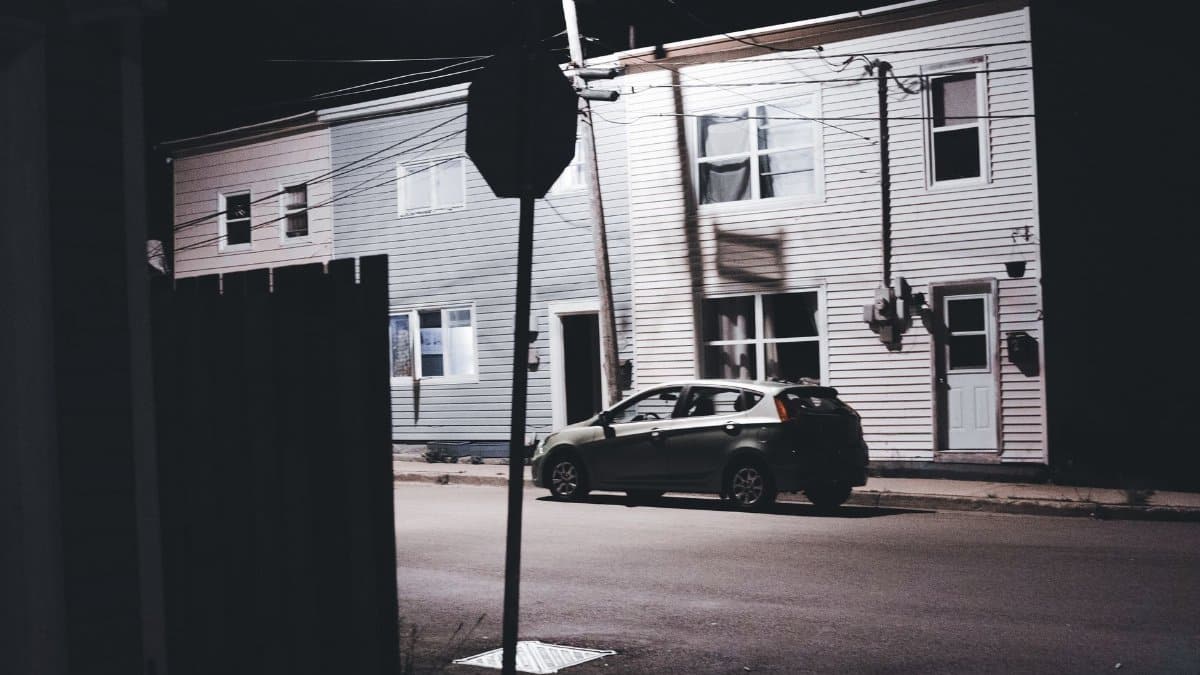
Nob Hill and Chinatown sit close on the map and far apart in the way people move through them. One is known for steep blocks, grand hotels, and long views. The other is dense with family shops, late kitchens, and streets that stay busy well after office towers empty. When the same outage reaches both, the city feels smaller. Elevators stop. Traffic signals blink or go dark. A grocery aisle becomes a guessing game. Residents who had planned an ordinary evening suddenly had to decide whether to wait, walk, or leave.
The reported scale, more than 1,600 customers, is large enough to matter and small enough to be missed by anyone a few blocks away. That is the strange geography of urban power. A single damaged piece of equipment can redraw the boundary between a lit street and a dark one without touching the rest of the city.
What the early reports actually established

The San Francisco Chronicle reported that customers in Nob Hill and Chinatown lost power Wednesday night and that utility crews found damaged equipment. That is the firm core of the story. It does not, by itself, explain how the equipment was damaged, how long each block stayed dark, or which buildings had backup generation. Those details matter, and they should come from the utility, from city agencies, and from people who were there, not from guesswork.
In outage reporting, the first number is often a customer count rather than a head count. One customer can be a single flat or an entire building account. More than 1,600 customers can mean many more people standing in dark rooms, especially in neighborhoods where housing is stacked tightly. Treating the figure as a precise census of residents would overstate what the early report can support.
Crews, damage, and the limits of a first explanation
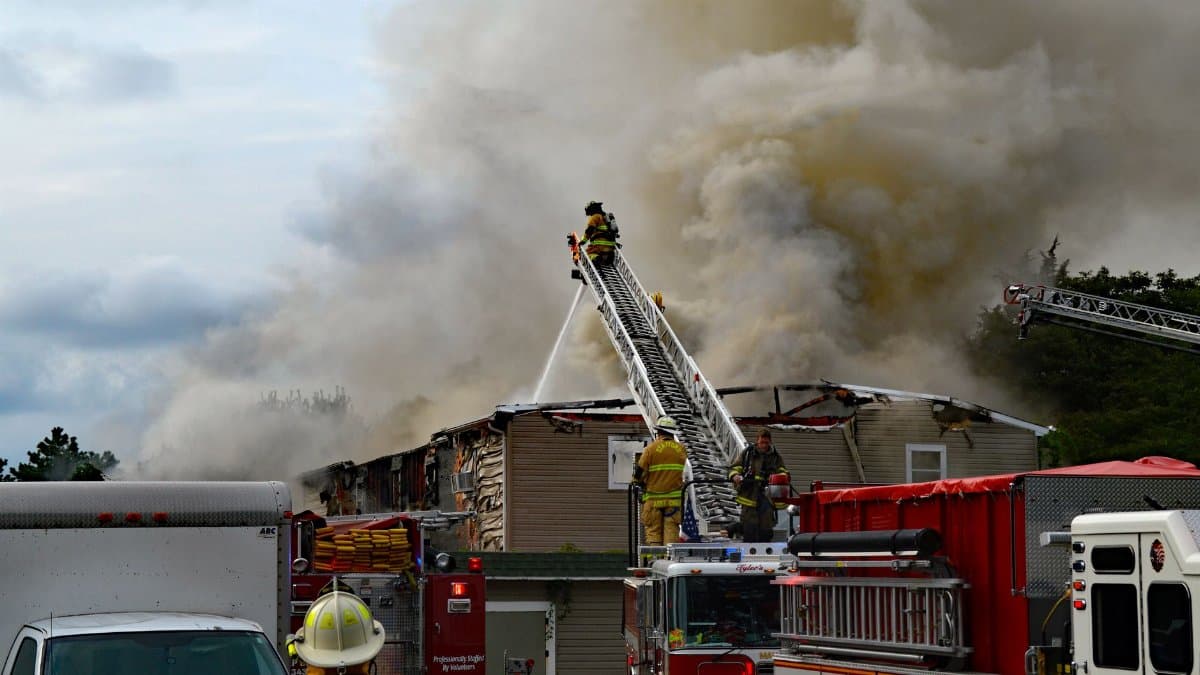
Finding damaged equipment is a beginning, not a full account. Damage can mean a failed transformer, a burned connection, a line brought down, or gear that simply stopped doing its job. Until PG&E describes the failed component and the repair, the public knows the category of the problem and not much more. That uncertainty is frustrating, and it is also honest. A neighborhood does not need a theory. It needs a restoration time that holds.
Utility work at night adds its own constraints. Crews need safe access, light, and a clear idea of what else on the circuit might fail if power returns too quickly. Residents watching trucks on a hill or along a crowded commercial street rarely see that sequence. They see cones, a bucket truck, and a clock.
Nob Hill after the lights failed
Nob Hill is a place where vertical life depends on electricity in a very literal way. Older apartment houses and hotels rely on elevators. Some residents cannot reasonably take the stairs. A dark lobby is not only an inconvenience. It can strand someone between the street and home. Visitors in hotels may have key cards that no longer open doors, or they may find that hallway lighting and room systems have dropped together.
The hill also shapes how an outage feels. Streets are steep. Walking down for a phone charge or a meal is easier than walking back up with bags. People who might shrug off a brief outage on flat ground think twice when the return trip is a climb in the dark. That is not drama. It is the ordinary physics of the neighborhood.
Chinatown kitchens, shops, and the cost of a dark hour
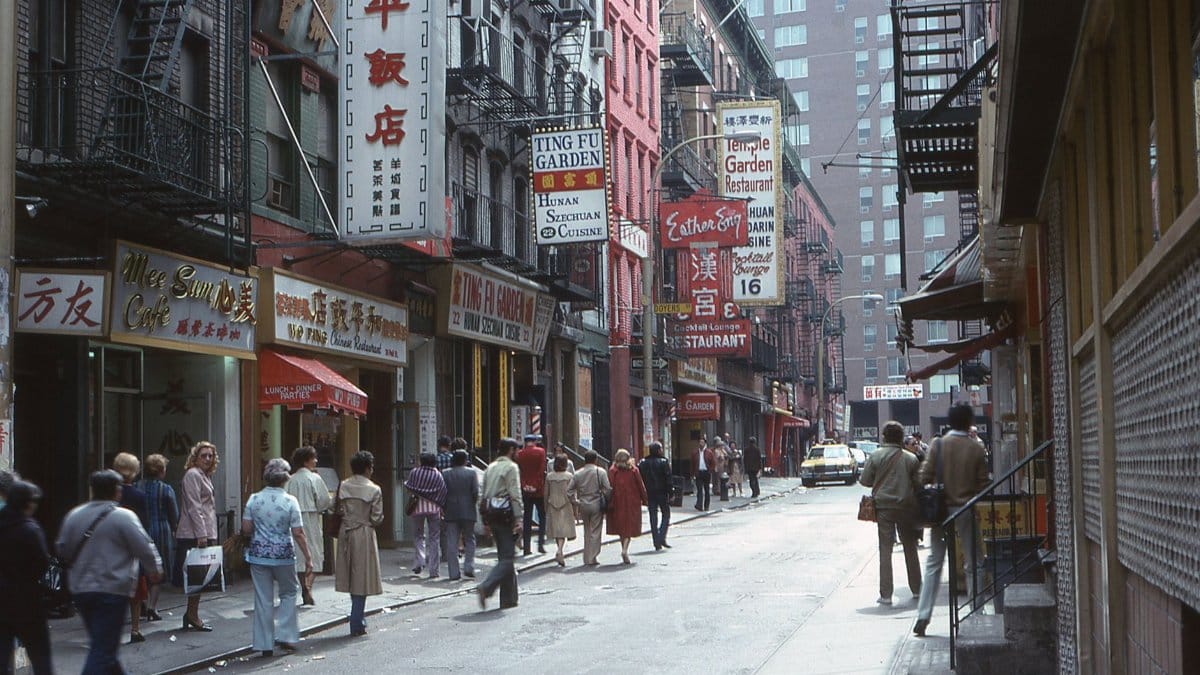
In Chinatown, electricity is tied to perishable food, narrow storefronts, and businesses that run on thin margins and long hours. A refrigerator that warms for an evening can erase a day’s inventory. A cash register that cannot open pushes a shop toward cash only, or toward closing. Kitchens that depend on electric ranges, ventilation, and refrigeration have fewer choices than a headline suggests. They can wait, they can discard food, or they can try to serve a limited menu if gas and safety rules allow it.
Night markets of a different kind continue around those shops: families picking up dinner, workers ending shifts, visitors looking for a late meal. When storefront light disappears, foot traffic often does too. The loss is not only the power bill avoided. It is the sale that never happens, and the worker sent home early.
How people actually get through the first hour

The first hour of an outage is usually improvised. Phones become flashlights. Neighbors compare notes in hallways. Someone checks whether the outage map has updated. Someone else tries to remember where the candles are, then remembers that candles in an old building are their own risk. Battery packs circulate. A corner store that still has power, if one is close enough, suddenly becomes infrastructure.
For people who depend on medical devices, powered lifts, or refrigerated medicine, that first hour is not a story about atmosphere. It is a safety question. San Francisco’s hills and older housing stock make backup planning uneven. Some buildings have generators. Many do not. A city alert can tell residents that crews are working. It cannot carry a person up four flights.
What an outage map can and cannot tell you

PG&E and the city publish outage information so customers can see whether their address is inside a known event and whether an estimated restoration time exists. Those tools are useful, and they lag. A crew may know more than the public page shows, or the page may show an estimate that slips as the repair grows harder. Residents learn to refresh, then to stop refreshing, then to look out the window for the truck.
A good public update names the area, the cause in plain language once it is known, and the next checkpoint if a firm restoration time is not yet real. Vague reassurance ages badly. So does silence. In a neighborhood as dense as Chinatown, word of mouth will fill any gap, and not all of that word will be accurate.
Signals, transit, and the streets around the outage
Power failures rarely stay inside private walls. Traffic signals may go dark. Pedestrians and drivers then rely on courtesy and caution at intersections that are busy even on a quiet night. Street lighting may fail on some blocks and hold on others, depending on which circuit feeds them. Transit can be affected if a line, a station system, or a nearby signal depends on the same equipment. Cable cars and buses moving through Nob Hill and the edges of Chinatown give the outage a moving audience: riders who notice the dark and may not know whether their stop is inside it.
Those secondary effects are why a customer count understates the event. People who never lost power at home can still lose a safe crossing, a lit stop, or a direct way home.
Older buildings and a grid that shows its age
San Francisco’s electric system serves a city of wooden houses, masonry hotels, basement electrical rooms, and commercial streets packed into short blocks. Much of that building stock predates the expectations people now bring to it: elevators, medical equipment, constant connectivity, and refrigeration that is assumed rather than hoped for. When equipment is damaged, the repair is not only a utility job. It is a reminder that the last mile of the grid runs through places that were not designed as modern electrical plants.
Hills complicate access. Narrow streets complicate truck placement. A repair that looks simple on a diagram can take longer when the failed gear sits behind parked cars, scaffolding, or a crowded sidewalk. None of that excuses poor communication. It does explain why restoration times move.
What residents can reasonably ask for

People in the dark are entitled to timely information, a credible cause once crews know it, and a restoration estimate that is updated when it fails. They are also entitled to know whether the damage suggests a one time failure or a piece of equipment that has been a problem before. Repeat failures in the same pocket of the city deserve a plainer explanation than a single night’s outage notice.
Practical steps remain basic, and they are not a substitute for utility performance. Keep a charged battery pack. Know whether your building has stairs you can use. If you rely on electric medical equipment, have a plan that does not depend on a last minute alert. Check on neighbors who may not see a phone notification. Discard food if refrigeration has been lost long enough to make it unsafe, and do not treat a candle as a harmless backup in a crowded older building.
Business owners counting more than lost hours
For a hotel, an outage can mean comped rooms, relocated guests, and a night manager making decisions with a flashlight. For a restaurant, it can mean a health decision about food and a labor decision about staff who were scheduled through the close. For a small grocer, it can mean opening coolers to the warm room and hoping the outage ends before the loss becomes total. Insurance, if it applies at all, rarely feels fast enough to cover a Wednesday night.
These costs rarely appear in the first utility statement. They show up the next morning in discarded product, shorter shifts, and customers who went somewhere else. A neighborhood economy can absorb one evening. It absorbs repeated evenings less patiently.
The wider pattern behind a local failure

California customers have spent years hearing about wildfire shutoffs, storm damage, and equipment failures that leave pockets of cities and towns without power. A nighttime outage in Nob Hill and Chinatown is not a wildfire story. It is still part of a public conversation about whether local distribution equipment is inspected, replaced, and explained with enough care. The right standard is not perfection. Equipment fails. The standard is whether the failure is rare, promptly repaired, and clearly described.
City government has a role that is easy to overlook once the utility trucks arrive. Emergency managers, police, and transit agencies need the same picture residents need: where the lights are out, which signals are dark, and who may be stuck in a building. Coordination is not a press release. It is a shared map and a phone tree that works after the first hour.
What the next morning should settle

By daylight, the useful questions are concrete. What equipment failed? Has power been restored to every affected customer, or only to most of them? Were there injuries, stranded residents, or food safety problems that the city should note? Will PG&E inspect nearby gear, or is the repair considered complete once the lights return? Those answers turn a night of inconvenience into a record.
Without them, the SF power outage remains a number and a pair of neighborhood names. With them, residents can judge whether Wednesday night was an unlucky break or a warning. Journalism should stay inside what is known: more than 1,600 customers, two neighborhoods, damaged equipment, and a city that felt the loss room by room. The rest is still the work of crews, records, and follow up.
A city that expects the lights to return
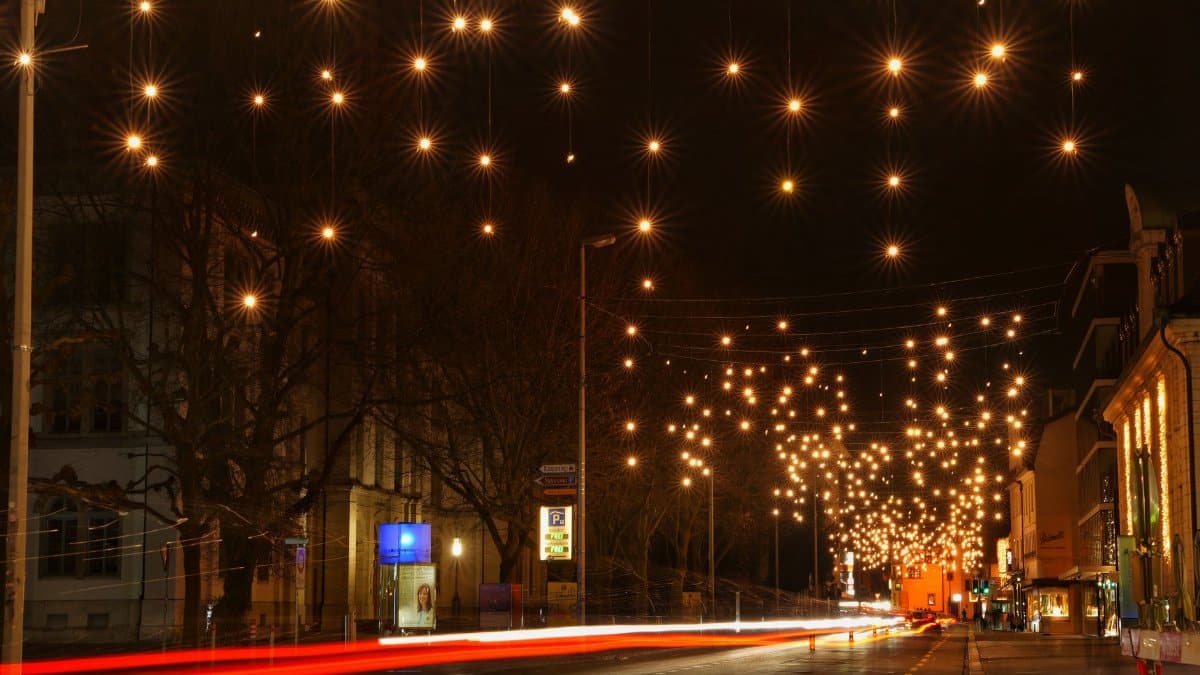
San Francisco sells itself, quietly and constantly, as a place that functions after dark. Restaurants seat late tables. Hotels promise a view and a working elevator. Families in Chinatown close shops and go upstairs to apartments in the same buildings. That ordinary confidence is what an outage interrupts. When it returns, people rarely celebrate. They reset clocks, throw out what warmed, and go back to the plan they had before the block went dark.
The measure of this SF power outage will not be the drama of the first black blocks. It will be whether the damaged equipment is identified in public, whether restoration matched what crews told customers, and whether the next failure in these neighborhoods is met with faster facts. Nob Hill and Chinatown can endure a dark evening. They should not have to endure a vague one.