
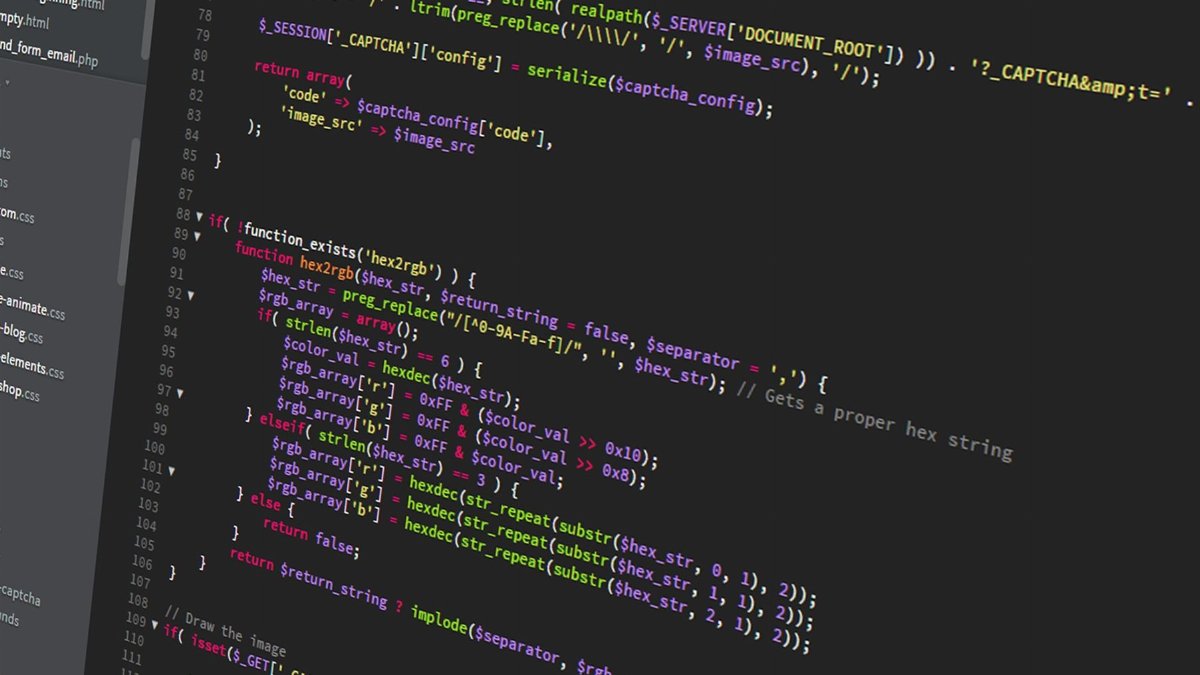
On a Tuesday morning that began like any other in a small design studio in Oakland, the owner opened her email and found a note from her web host that she did not fully understand. The message spoke of an urgent update, a narrow window, and a PHP security flaw that could let an intruder reach a server without a password. She makes wedding invitations. She does not run a security team. Yet the note treated her site as part of a much larger problem, one that by midweek had administrators from neighborhood bakeries to national publishers checking version numbers and waiting on patches.
Why the warning carried unusual weight
Security notices arrive constantly, and most of them never leave the inboxes of people paid to read them. This one traveled farther because the software at the center of it is not a niche tool. PHP is the language behind a vast share of the public web, including countless stores, newsrooms, schools, clinics, and community groups that never chose it by name. They inherited it when they installed a publishing system, hired a developer, or accepted a theme from a vendor.
Reports this week described two critical weaknesses that, if left unpatched, could allow an outsider to take control of a web server without first stealing a password. That combination, reach plus ease of entry, is what turns a technical bulletin into a public story. A flaw that demands a stolen login is serious. A flaw that does not is a different kind of emergency, because the attacker does not need a careless employee or a reused password to begin.
The details that matter to specialists, including which builds are exposed and which fixes close the gap, belong in vendor advisories. For everyone else, the plain meaning is enough. Servers that still run vulnerable code may be open to quiet takeover. The fix is a patch, not a clever workaround invented in a hurry.
What control of a server actually means

Taking control is a phrase that can sound abstract until you picture what a web server holds. It holds customer names, order histories, staff accounts, unpublished articles, donation records, and the keys that let a site send email in its own name. An intruder who gains that control can alter pages, plant malicious downloads, read private data, or use the machine as a stepping stone toward other systems on the same network.
None of that requires a cinematic breach. It can look, from the outside, like nothing at all. Pages still load. Orders still go through. The damage shows up later, in a strange charge, a leaked list, or a search result that no editor approved. That delay is part of why security teams treat unauthenticated server flaws as urgent even when no victim has yet come forward in public.
Readers should not confuse impact with a how to guide. Knowing that a weakness can hand over a server is not the same as knowing how to exploit it, and the public does not need the second lesson. What the public needs is a clear account of stakes, and a clear account of who is supposed to act.
The quiet foundation under ordinary websites

PHP earned its place by being practical. It let early web builders mix text, forms, and databases without a large staff. Content systems built on it spread through agencies and freelancers, then through hosts that offered one click installs. A church newsletter and a national magazine can share the same underlying language even when their pages look nothing alike.
That shared foundation is a gift and a liability. A single language bug can touch sites that have never met and never share a brand. It also means the people responsible for the fix are scattered. Some sites are tended by full time engineers. Many are tended by a designer who logs in twice a year, or by a host whose customers assume updates happen on their own.
The PHP security flaw now in circulation is a reminder of that split. The software is common. The caretaking is not. When a critical patch appears, the sites with staff move first. The sites without staff wait, sometimes without knowing they are waiting.
A patching scramble with uneven resources

By the middle of the week, hosting companies and corporate security teams were racing to confirm versions, schedule restarts, and tell customers what had changed. Large platforms can push a fix across thousands of machines in a coordinated window. A solo developer maintaining a dozen client sites has to touch each one, test it, and hope an old plugin does not break when the language underneath it changes.
That unevenness is the real story behind the phrase global scramble. The vulnerability may be the same everywhere. The capacity to respond is not. A hospital group with a change calendar and a bakery with a shared login do not experience the same hour. Both can be exposed. Only one is likely to know the exposure by name.
Journalists sometimes describe these episodes as if every administrator were seated at a terminal, ready to type a command. The more accurate picture includes people on the phone with a support desk, people who cannot find the login their last contractor used, and people who will not hear about the problem until a customer complains that a page looks wrong.
What site owners can reasonably do
The useful response is administrative, not inventive. Owners should ask their host which version of PHP the site runs and whether the current vendor patch is already applied. They should ask the same question of any agency that manages the site under contract. If the host applies updates automatically, they should confirm that automatic updates cover the language itself, not only the publishing software sitting on top of it.
A current backup matters before any change, because patches occasionally collide with old extensions. Owners should also know who can restore the site if an update goes badly, and how long that restore would take. Those are ordinary questions. They become urgent only when a flaw makes delay expensive.
What owners should not do is search for exploit write ups, paste unfamiliar code into a server, or trust a message that asks for passwords in order to apply a fix. Criminals read the same headlines. They send fake alerts that mimic hosts. A real host will not need your password sent back by email, and a real fix will not arrive as a mysterious attachment.
Hosts carry more of the burden than visitors see

For a large share of the web, the host is the only party with both access and expertise. Shared hosting, in particular, puts many customers on machines the customers cannot fully inspect. That arrangement is convenient until a language level flaw appears. Then the host is not merely a landlord. It is the party that can close the door.
Good hosts publish status notes, name the versions they have updated, and tell customers if any action remains on the customer side. Weaker hosts send a vague email or stay silent and hope the patch window passes without notice. Customers can tell the difference by asking a specific question and watching whether the answer names a version and a date.
There is a fairness issue here that rarely makes the headline. Small organizations pay modest monthly fees and receive modest attention. When a critical flaw lands, those fees do not suddenly buy a security team. The expectation that every customer will self remediate is an expectation the market never really priced in.
Old code and the habit of postponement
Many exposed sites are not reckless. They are busy. An update was postponed because a redesign was coming, because a plugin was incompatible, because the person who understood the stack left, or because nothing appeared broken. Postponement is rational until the day a weakness does not require a password. Then the backlog becomes the risk.
This pattern repeats with almost every widely used web technology. The lesson is not that PHP is uniquely careless. The lesson is that popular infrastructure ages in public, and the organizations least able to track that aging are often the ones most dependent on it. A flaw discovered this week punishes years of deferred maintenance more than it punishes any single bad decision made on Tuesday.
Maintainers who keep a simple inventory fare better. They know the language version, the publishing system, the plugins, and the host contact. That list is dull. It is also the difference between a phone call and a weekend of guessing.
Questions worth asking before the next alert

The present scramble will fade, as these scrambles do, once patches spread and the news cycle moves on. The more durable gain is a short list of questions any organization can keep. Who applies language updates? How fast? What happens if that person is unavailable? Where are backups stored, and when were they last restored in a test? Which plugins are still required, and which are leftovers from a redesign three years ago?
Those questions do not require a security degree. They require someone to own them. For a newsroom, that owner might sit in technology. For a clinic or a nonprofit, it might be an office manager with a vendor on retainer. The title matters less than the habit of asking before an alert arrives, rather than during it.
Readers who only visit websites, and do not run them, have a smaller role. They should be wary of unexpected download prompts, of pages that suddenly ask for unusual personal details, and of email that uses a current security headline as a lure. Caution is not paranoia. It is a reasonable response to a week when attackers and patchers are reading the same notices.
Shared software and shared consequences
There is a temptation, in stories like this, to treat the web as a set of private properties, each responsible for its own locks. The PHP security flaw under discussion argues for a wider view. When millions of unrelated sites rely on the same language, a defect is not a private misfortune. It is a common exposure, unevenly felt and unevenly fixed.
That does not mean every site will be hit, or that panic is a useful public service. Most administrators who apply the vendor patch promptly will move on without incident. Many hosts will have done that work before their customers ever read a headline. The risk concentrates where updates stall, where ownership is unclear, and where nobody is paid to notice.
I keep thinking about the invitation designer in Oakland, not because her site is famous, but because the web is mostly made of people like her. They did not set out to operate critical infrastructure. They set out to sell a service, publish a newsletter, or raise money for a school team. The infrastructure arrived anyway, folded into a template, and it now asks something back: attention, a vendor who answers the phone, and a willingness to update before the quiet takeover rather than after it.
A narrow kind of reassurance

Reassurance, if it is honest, has limits. Patches exist. Major hosts are moving. The organizations with staff are already through the hardest hour. That is the good news, and it is real. It does not erase the long tail of sites that will remain on old builds because nobody opened the email, because a plugin blocked the update, or because the bill for maintenance was deferred again.
The PHP security flaw will not be the last of its kind. Popular software will keep surfacing critical bugs, some of them able to bypass the password step that people still imagine as the main gate. The mature response is not fear and not indifference. It is a plain division of labor. Vendors publish fixes. Hosts apply them where they can. Owners ask, confirm, and keep backups. Visitors stay skeptical of messages that trade on the scare.
Millions of websites sit on this shared layer of code. Most of them will never make the news. Their safety this week depends less on drama than on whether someone, somewhere, treated an ordinary update as the whole of the emergency. In cybersecurity, that unglamorous act is often the entire story.