

On a weeknight when most households were finishing dinner, Evanston City Council did something that will shape city business for more than a year. Ald. Jonathan Nieuwsma of the 4th Ward was appointed Evanston acting mayor, a title that sounds temporary and is, yet carries the daily weight of the office until voters choose a successor. The council action, reported by the Chicago Tribune, sets the clock toward a special election in April 2027. For residents who track garbage routes, zoning fights, and school adjacent traffic more closely than charter language, the question is simple. Who speaks for the city now, and with what authority?
A council choice with a long horizon
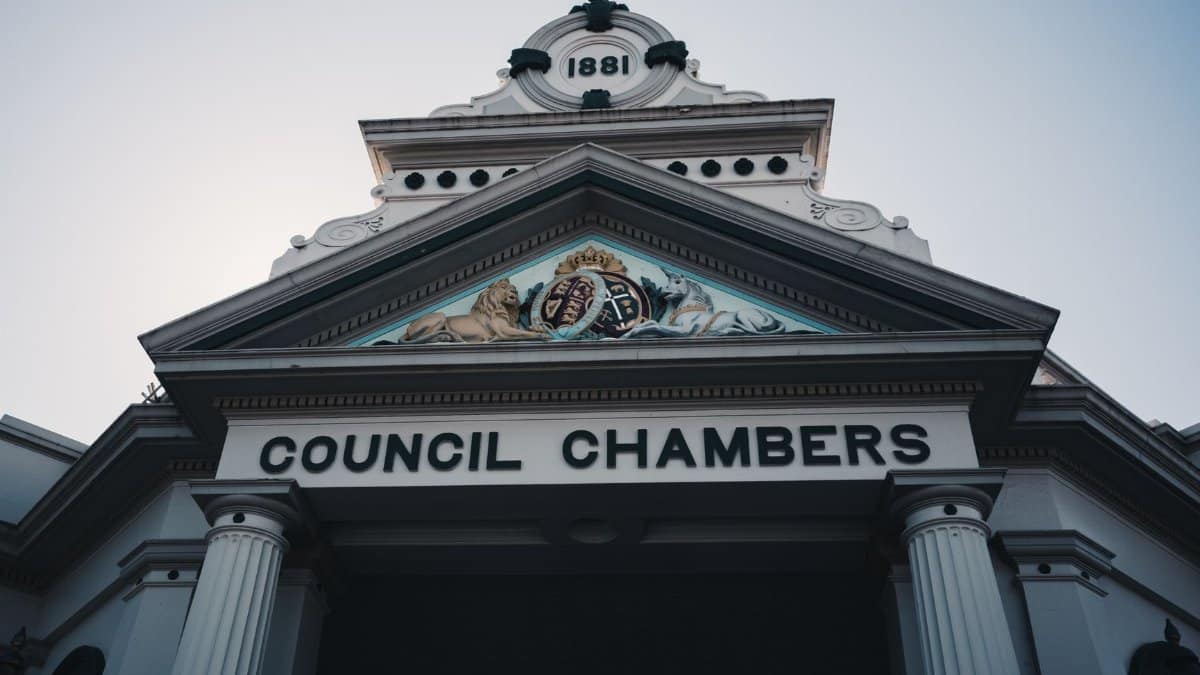
An acting mayor is not a ceremonial stand in. The phrase names a person who must sign papers, set a public tone, and keep departments moving while the electorate prepares for a later verdict. In Evanston, that person is Jonathan Nieuwsma, already known to colleagues as the alderman from the 4th Ward. The appointment runs until April 2027, which is not a brief caretaker stretch. It covers budget seasons, winter storms, summer festivals, and whatever disputes arrive without an invitation. Voters will eventually decide who holds the office in full. Until then, the council has chosen continuity over a vacancy.
That choice matters because cities do not pause. Permits still need signatures. Staff still need direction when a crisis hits on a weekend. Residents still expect someone to answer when a street floods or a development proposal stirs a neighborhood meeting. Calling the role temporary does not shrink those expectations. It only reminds everyone that the arrangement has an end date written into the political calendar.
What the title does and does not promise
Readers should be careful with the word acting. It can suggest a substitute teacher who keeps the class quiet until the regular instructor returns. Municipal government is less forgiving. An acting mayor may inherit agendas already in motion, contracts already negotiated, and arguments already mapped by prior votes. Nieuwsma steps into that stream rather than onto a blank page. His authority will be defined by Evanston law, by council custom, and by how confidently colleagues treat his lead.
What the title does not promise is a mandate from a citywide ballot. He was not elected mayor in a race that asked every ward the same question. He was selected by the council from among its own. That distinction will follow him into public meetings. Supporters can fairly say the council followed a lawful path to avoid a leadership gap. Critics can fairly say the city now has an executive chosen by a small group of elected officials rather than by the full electorate. Both observations can be true at once. The test is whether the office is used to keep government legible, not to settle old scores before voters get their turn.
The 4th Ward alderman in a citywide seat
Ward politics and citywide politics are related, but they are not the same job. An alderman is judged first by the block, the business corridor, and the neighbors who know his phone number. A mayor is judged by whether the whole map feels attended to, including wards that did not send him to the council in the first place. Nieuwsma will have to show that the habits of a 4th Ward representative can stretch. That means listening in rooms where he is not the hometown official, and resisting the temptation to treat the mayoralty as a larger version of one district.
Residents outside the 4th Ward will watch for early signals. Do committee agendas reflect the full city, or do familiar priorities crowd the calendar? Does he visit civic groups that rarely overlap with his old base? Does he speak about taxes, housing, public safety, and lakefront access in language that does not sort people into allies and everyone else? Those are not glamorous tests. They are the tests that decide whether an appointment feels like stewardship or like a promotion arranged indoors.
April 2027 and the special election clock

The special election in April 2027 is the hard boundary on this arrangement. Campaigns will form long before ballots are printed. Potential candidates will read every council vote as a preview. Donors will ask who can raise money across wards. Community groups will host forums that sound preliminary and then become decisive. The Evanston acting mayor will govern inside that noise whether he seeks the office himself or tries to stay above the contest.
A long runway has advantages. It gives voters time to learn names, compare records, and demand specifics on budgets and land use. It also creates a risk of permanent campaign mode, in which every staff memo is treated as a press release and every delay is treated as a tactic. Cities suffer when governing and running become indistinguishable. The healthiest use of the months ahead is boring on purpose: publish schedules, explain tradeoffs, and let the election be a judgment on visible work rather than on rumor.
How residents can read the next council meetings
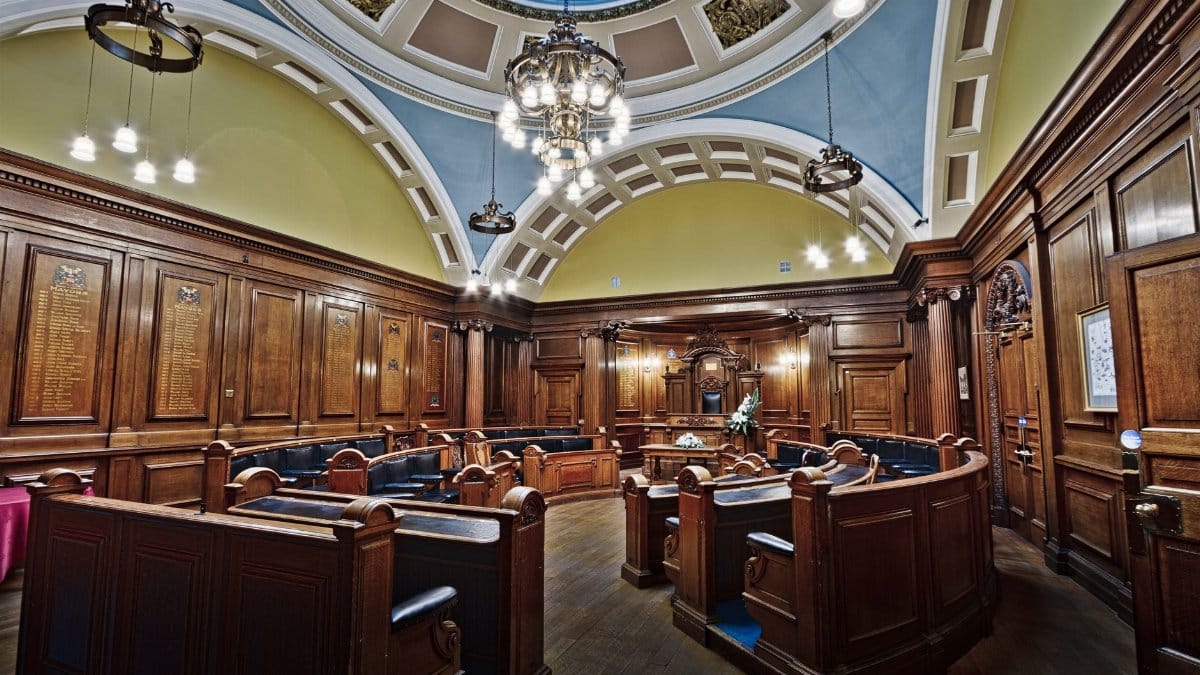
Most people will not parse ordinances line by line. They can still read a meeting with a few plain questions. Who sets the order of business? Which items move quickly, and which items stall without a public reason? When a resident speaks at the microphone, does the response name a next step or offer only sympathy? Those habits reveal more about an acting administration than a single inaugural speech.
Evanston has a dense civic culture. Neighborhood associations, houses of worship, campus neighbors, and small business owners already know how to fill a room. They should use that muscle without assuming the new title changes the rules of persuasion. Facts still beat volume. A precise question about a contract, a zoning map, or a staffing vacancy will travel farther than a speech about trust in the abstract. Trust is built when answers match what later appears in the public record.
Budgets, services, and the unglamorous middle

The middle of a term is where acting leadership is most exposed. Ribbon cuttings are easy. The middle is trash collection during a cold snap, police and fire staffing, building permits that sit too long, and capital projects that slip a season. If Nieuwsma is to be judged fairly, the judgment should include those routines. A mayor, acting or otherwise, does not drive every truck. He does decide whether department heads feel licensed to tell the truth about delays, and whether the council hears bad news before it becomes a headline.
Residents can ask for dashboards that a nonexpert can read. How long does a permit take this month compared with last month? Which streets are scheduled, and which were deferred? What did a storm cost, and which fund paid? None of that requires insider access. It requires a habit of publication. An acting mayor who treats transparency as a courtesy will lose the benefit of the doubt. One who treats it as the job will give the special election a cleaner record to argue over.
Colleagues, coalitions, and the temptation to overreach

Council government is a group sport with individual ambitions. Nieuwsma now sits in a chair that can amplify one voice. That amplification is useful when a storm, a legal deadline, or a regional negotiation needs a single spokesperson. It is corrosive when it is used to freeze out dissent that would have been ordinary last month. Aldermen who voted for the appointment and aldermen who did not will both claim a duty to watch the balance. They should. An acting mayor who needs allies to pass a budget cannot govern as if the council were a backdrop.
The practical advice is old and still sound. Share credit. Put controversial items on the agenda with enough notice for real amendment. Do not surprise colleagues with a press conference that rewrites a deal they thought was still open. Evanston is small enough that slights travel by sidewalk. It is also sophisticated enough that process failures become political facts. The appointment will be remembered less for the night it happened than for whether the months after it felt orderly.
Regional stakes beyond one municipal title
Evanston does not govern in a sealed jar. It sits on the lake, beside a major university, inside a county and a metropolitan economy that set rents, transit patterns, and employer decisions. An acting mayor will be invited into regional conversations where Evanston is one voice among many. Those rooms reward preparation. They punish cities that arrive without a position their own council can defend the next week.
Housing pressure, climate risks along the shore, and the ordinary competition for state and federal attention will not wait for April 2027. Nieuwsma can represent the city in those forums if he carries a mandate of process: positions adopted in public, not improvised for a microphone. Neighboring officials will care less about the word acting than about whether Evanston can keep a commitment. Reliability is a form of power. A temporary leader who is reliable can still move the city forward. A permanent leader who is erratic cannot.
The civic meaning of a temporary office

There is a quieter dimension to this story, closer to how a community understands itself than to any single vote. People look to a mayor as a symbol of steadiness when the news is loud. They want to believe that someone is keeping watch between elections, not merely occupying a seal. That longing is not naive. It is part of why local government still matters in a country that often treats politics as national theater. The Evanston acting mayor will be asked, implicitly, to carry that watch. The asking does not require poetry. It requires showing up, answering plainly, and refusing to treat residents as an audience.
Spiritual language is easy to misuse in politics. Still, the ethical core is recognizable without a pulpit. Do not use a temporary post to take what a later election was meant to decide. Do not hide hard choices behind the claim that the real mayor will arrive later. Do not confuse loyalty to a faction with loyalty to the city. Those are standards any faith tradition and any secular civic tradition can share. They are also standards a reporter can check against the calendar of meetings and the text of ordinances.
Questions the public record should answer

Between now and the special election, a short list of questions deserves written answers, not hallway assurances. What powers does the acting mayor exercise without a fresh council vote, and which powers stay with the council as a body? How will vacancies, if any, on boards and commissions be filled? Will Nieuwsma keep his aldermanic role in the same way, or will ward representation be structured so the 4th Ward is not shortchanged while he holds a citywide brief? If he intends to run in April 2027, how will city resources be walled off from campaign work? If he does not intend to run, how will he avoid becoming a lame figure whose recommendations are ignored?
These questions are not hostile. They are the minimum a serious city asks when leadership changes by appointment. Clear answers lower the temperature. Vague answers raise it. The Chicago Tribune report established the central fact: the council named Nieuwsma and pointed to April 2027. The follow on facts belong in city documents that any resident can open.
What success would look like before the first ballot

Success, in this interval, is not a personality triumph. It is a city that does not lose months to confusion. Budgets pass with explanations a household can follow. Major land use fights are argued on the merits, with maps and numbers, rather than on who has the mayor on speed dial. Staff stay because the mission is intelligible. Critics get answers that do not insult their intelligence. Supporters do not get a private government.
Failure would look familiar too. A drift toward closed conversations. A habit of blaming the temporary nature of the office for every postponed choice. A special election that arrives with voters still unsure what the acting period accomplished. Evanston can avoid that path. The tools are ordinary: published agendas, recorded votes, and a mayor who remembers he was lent the office.
A city between appointment and verdict
Jonathan Nieuwsma begins this chapter as a 4th Ward alderman asked to carry a larger charge. The council has made its selection. The calendar has made its demand. April 2027 will return the question to voters, who remain the only audience that can convert an appointment into a full electoral mandate. Until that day, the measure of the Evanston acting mayor is not how often the title is repeated. It is whether streets are maintained, disputes are heard, and the public can see the work without needing a translator.
Local democracy is mostly this: a sequence of imperfect handoffs conducted in public. Some handoffs come from elections. Some come from a council filling a gap so the work does not stop. Both can be legitimate. Both can be abused. The difference shows up in the record, week after week, long before any victory speech. Evanston now has that record to write, and residents have every reason to read it closely.