
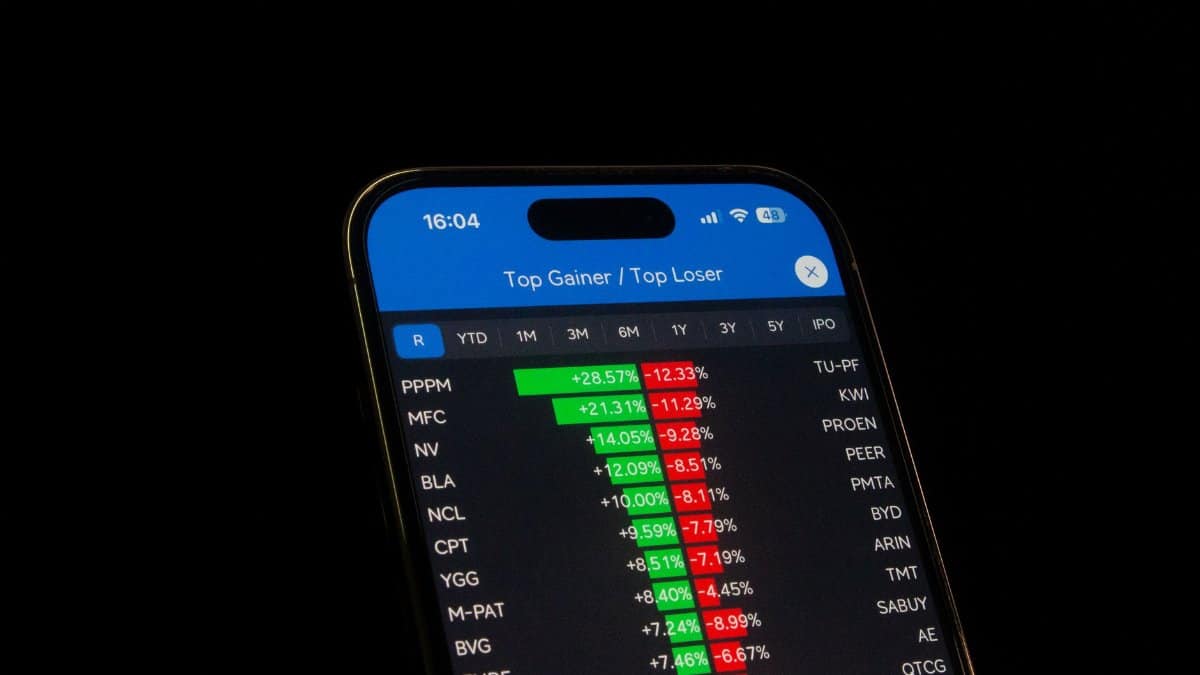
On a gray afternoon in Albany, the question was not whether a state employee could wager on a football game after work. It was whether that same employee could open a phone, enter a prediction market, and trade on an outcome that government work might quietly shape. New York has moved to close that door. The phrase insider trading prediction now sits at the center of an ethics push aimed at public workers who may know, or may be seen to know, more than the rest of us.
A rule written for a new kind of market
Prediction apps let users buy and sell contracts tied to future events. A contract might pay out if a bill passes, if a rate decision lands a certain way, or if a public figure wins or loses. The interface can look like a game. The money is real. For a private citizen with no special access, that activity may be little more than a speculative hobby, subject to whatever federal and state rules already apply. For a New York State employee, the same screen can look like a conflict waiting to happen.
State ethics officials have drawn a bright line. Public employees are not to use these apps in ways that trade on information gained through their jobs, or in ways that create the appearance of doing so. The policy, reported by Newsday, treats prediction markets as a fresh venue for an old problem: people in government must not profit from knowledge the public does not share. Readers can find the underlying account at Newsday.
Why the concern arrived so quickly

Markets that once lived on trading floors now live in pockets. A contract can be opened between meetings. A position can be closed before a press conference ends. That speed is what makes the products attractive to casual users and unsettling to watchdogs. Government work produces a steady stream of nonpublic detail: draft language, timing of announcements, internal doubts about whether a program will launch, early reads on how a vote might fall.
None of that detail has to be dramatic to be valuable. A midlevel analyst who knows that a procurement will slip by a month holds something a market might price. A press aide who knows that a statement will be delayed holds something smaller, but still unequal. The ethics problem is not only the blockbuster leak. It is the daily drip of advantage.
What counts as inside, and what does not

Public employees are allowed to read the newspaper. They are allowed to have opinions. They are allowed, in their private lives, to follow politics, sports, and the economy. The prohibition is narrower and, in practice, stricter than a ban on having a view. It targets the use of job related knowledge, and the situations in which an outsider could reasonably believe that job related knowledge is in play.
That second part matters. Ethics rules in public service often police appearance as well as act. A transportation official who trades on a contract about a bridge timeline invites suspicion even if the trade was based on a published report. A health department employee who wagers on a regulatory deadline invites the same suspicion. The safer reading of the new guidance is simple: if your agency touches the subject, stay out of the market.
How insider trading prediction differs from a casual bet
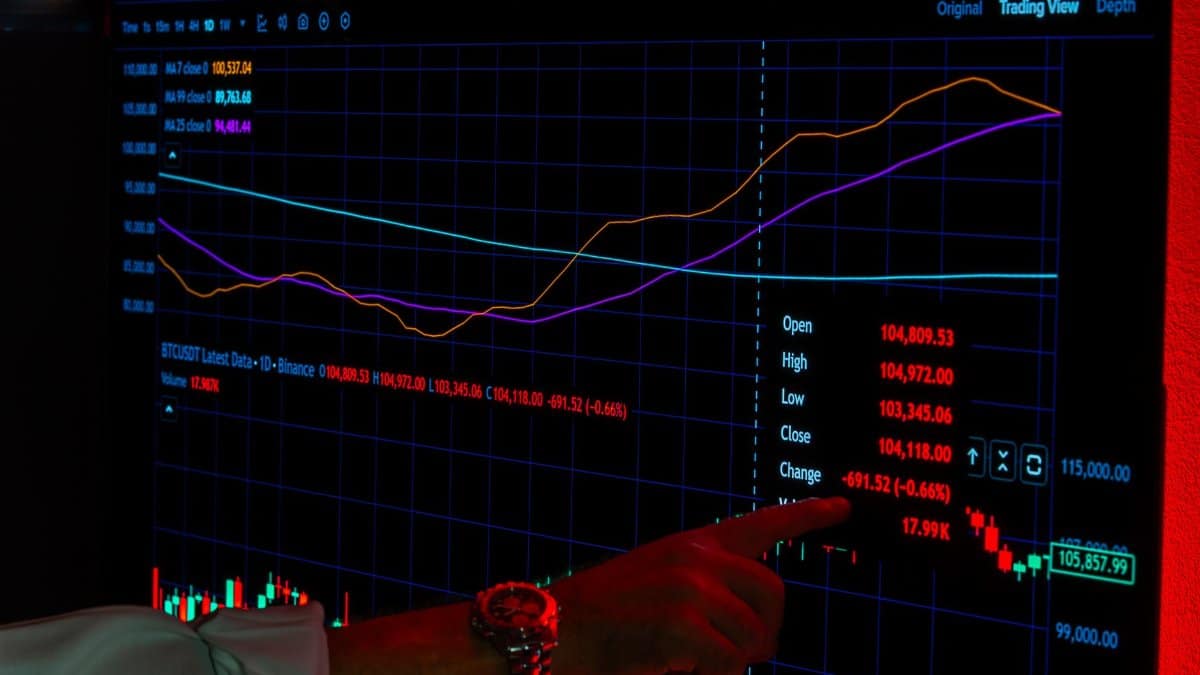
A sports book and a prediction market are not the same instrument, even when both live on a phone. A point spread on a game is usually remote from a civil servant’s desk. A contract on legislation, regulation, or a public appointment is not remote at all. That is the distinction New York is asking employees to internalize. Insider trading prediction, in this setting, is less a technical securities term than a plain description of unfair advantage. If the state worker would not be allowed to tell a friend the outcome in advance, the state worker should not be allowed to monetize a guess that rests on the same facts.
Federal insider trading law has its own elements, its own cases, and its own enforcement agencies. State ethics codes are broader and often easier to violate. They can reach conduct that would never support a criminal charge. They can reach gifts, outside income, and the misuse of office in forms a prosecutor might never see. Employees who treat the new rule as a criminal law lecture will miss the point. The standard is public trust, not only courtroom proof.
The practical instructions employees are hearing

Guidance of this kind tends to arrive as a memo, a training module, and a set of examples that grow more specific over time. The core instructions are not exotic. Do not trade on information learned at work. Do not ask a colleague for a tip you intend to use in a market. Do not let a family member trade on your behalf. Do not discuss pending official action in any channel that could be read as a signal to traders.
Supervisors are being asked to treat questions seriously rather than as jokes about gambling. An employee who is unsure should ask before opening an account, not after a payout. That habit is dull. It is also the habit that keeps a career intact. Ethics offices exist in part so that a person can get a written answer and rely on it later.
Enforcement will be uneven, and that is the risk

A rule is only as strong as the record behind it. Prediction apps may sit on personal phones. Trades may be small. Screenshots may never reach an inspector general. New York cannot station a monitor beside every employee. What it can do is make the expectation public, investigate credible complaints, and treat concealment as an aggravating fact.
The harder cases will not be the obvious ones. They will involve employees whose agencies have only a tangential link to the event being priced, or employees who traded on information that later turned out to be public. Those cases will test whether the state wants a narrow ban on clear misuse or a wide ban on participation. A wide ban is easier to explain and harder to police. A narrow ban is fairer to private life and easier to evade. Officials will have to choose, and then explain the choice in language ordinary workers can follow.
A national pattern, not a local quirk

New York is not the only government waking up to these products. Federal agencies, city halls, and private employers have all begun to ask whether prediction markets belong in the same category as stocks, options, and other instruments that can be tainted by confidential knowledge. The platforms themselves often prohibit trading on material nonpublic information. Platform rules are not a substitute for public ethics rules. A company policy can change. A state code is meant to outlast a product cycle.
There is also a civic cost that does not show up in an account balance. When residents believe that insiders can trade on the news before the news is news, they discount official statements. Hearings feel staged. Data releases feel timed. That cynicism is expensive. It makes recruitment harder, oversight noisier, and compromise less likely. An insider trading prediction ban will not restore faith by itself. It can remove one fresh reason for faith to erode.
What the public should watch for next

The useful questions are concrete. Which agencies will issue their own supplemental guidance? Will annual financial disclosures ask about prediction market accounts? Will training be required, or optional? Will the state publish anonymized summaries of advice it gives, so employees and residents can see how close cases are resolved? Those details will decide whether the policy is a headline or a habit.
Residents should also watch the platforms. If a market repeatedly prices an official action hours before an announcement, someone should ask why. Journalism, inspectors general, and legislative oversight all have a role. So do the employees who refuse to play. Most public servants already live with stricter limits than their private sector peers. This is another limit, aimed at a technology that did not exist when many of them took the oath.
A standard older than the apps

The technology is new. The duty is not. People who draw a public salary are not forbidden from having private interests. They are forbidden from letting those interests feed on the office. Insider trading prediction, repeated as a warning rather than as a strategy, is a way of naming that duty in the language of the current market. The apps will change. The names of the contracts will change. The expectation should not: if you learned it because the state trusted you, you do not get to sell it.
That expectation will feel strict to workers who see these apps as entertainment. Strictness is the point. Government runs on information that arrives early, incomplete, and easy to misuse. A culture that treats early knowledge as a trading edge will eventually treat the public as the counterparty. New York is trying to say, before that culture sets, that the counterparty is not for sale.