
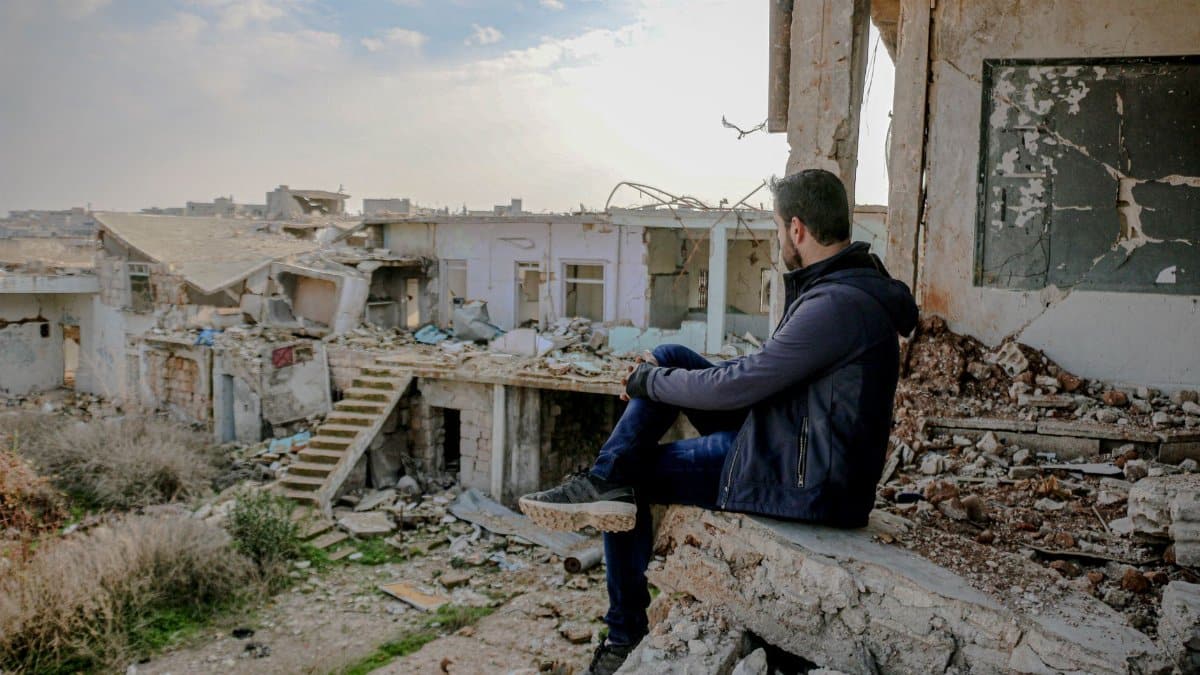
In a south Tehran apartment, the television stays on through dinner, volume low, as if a louder broadcast might summon the thing everyone is already imagining. Parents trade messages about school closures. Shopkeepers write prices on the glass and then scratch them out by noon. The phrase Iran war fears elections has moved from foreign headlines into kitchen talk, because two campaigns, one in Israel and one in the United States, are filling the autumn with threats that sound less like rhetoric and more like a timetable. People here have lived through strikes, sanctions, and funerals. What they fear now is not a speech. It is a season in which votes abroad could decide whether the guns stay quiet.
A city that still counts the last sirens

Tehran does not discuss war as an abstraction. Residents remember nights when windows rattled and phone networks failed. They remember which streets filled with families walking toward relatives because staying put felt worse than moving. That memory sits under ordinary life: school runs, pharmacy lines, the price of rice. When officials in Jerusalem or Washington raise the prospect of wider strikes, the reaction is not theatrical panic. It is a practical inventory. Who has cash. Who has medicine. Which relative lives on a lower floor.
I have heard versions of this inventory from people who do not consider themselves political. They are accountants, nurses, bus drivers. Their fear is specific. A limited exchange can be endured. A return to all out war cannot be planned around a grocery list.
Why ballots in other countries feel local

Election seasons reward clarity, and clarity in security politics often means toughness. Candidates who promise restraint can be painted as weak. Candidates who promise force can be painted as protectors. Iranians watching from afar understand the incentive even when they reject the conclusion. A rally line about never allowing Tehran a free hand travels farther than a briefing about escalation risks. The phrase Iran war fears elections captures that mismatch: a domestic contest elsewhere, a physical consequence here.
Israeli voters will judge a government on hostages, borders, and the memory of attacks that shattered ordinary mornings. American voters will judge a campaign on prices, migration, and whether the country looks strong abroad. Iran sits inside both arguments, sometimes as a real adversary and sometimes as a symbol. Symbols do not absorb missiles. Cities do.
Netanyahu, Trump, and the language of the next strike
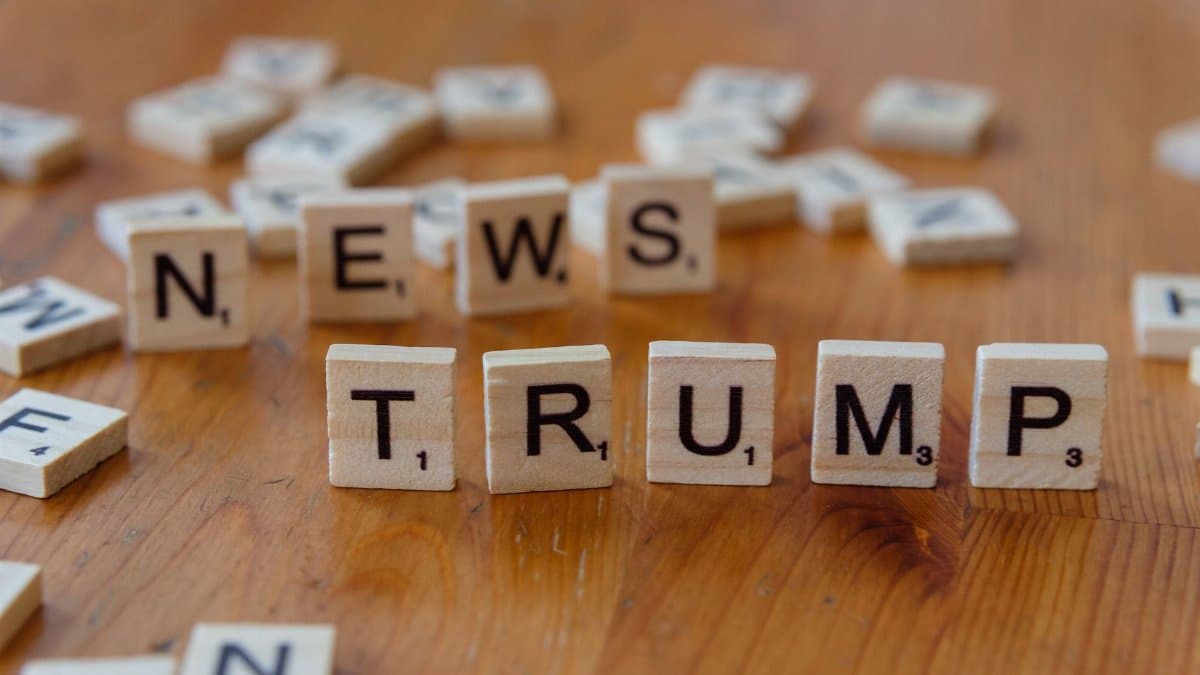
Public remarks from Benjamin Netanyahu and Donald Trump have grown sharper as their political calendars tighten. Threats of renewed action against Iranian military sites, nuclear facilities, and regional allies are framed as deterrence. In Tehran they are heard as prelude. Officials answer with their own warnings about retaliation across the region, which then becomes fresh material for campaign speeches. Each side claims the other started the cycle. Each side insists it is only answering.
Deterrence can be real. So can misreading. A leader who needs to look resolute before an election has less room to walk back a line once it has been cheered. Advisers may urge caution in private. The public record is what populations remember, and what commanders may treat as instruction.
What restraint looks like when trust is gone
There is no shared picture of what would count as a limited response. Israeli officials speak of preventing a nuclear breakout and degrading militias that have fired on Israeli towns. Iranian officials speak of sovereignty and of the right to answer attacks on their soil and on partners they refuse to abandon. Washington speaks of protecting troops, shipping lanes, and allies. Those aims can overlap with catastrophe if each capital assumes the other will blink first.
Diplomats still pass messages. They do so through intermediaries, late night calls, and carefully dull statements. The work is unglamorous and easy to mock on a debate stage. It is also the only machinery that has repeatedly kept a bad week from becoming a regional war. When campaigns treat that machinery as weakness, the people living under flight paths notice.
Households pricing a war that has not been declared
Sanctions already shape the Iranian economy. A wider conflict would add shortages, insurance shocks, and a currency that can lose value between breakfast and dinner. Families who stockpiled during earlier crises are doing it again, not because they enjoy drama, but because empty shelves teach faster than editorials. Pharmacies become political places. So do fuel stations.
Outside Iran, oil traders watch the same speeches. A disruption in the Gulf would not stay in the Gulf. Heating bills, shipping costs, and grocery prices in Europe and the United States would carry the argument home to voters who thought foreign policy was someone else’s subject. Iran war fears elections is not only a Tehran story. It is a story about how distant threats get translated into domestic pain, and then back into harsher policy.
The regional map is already crowded
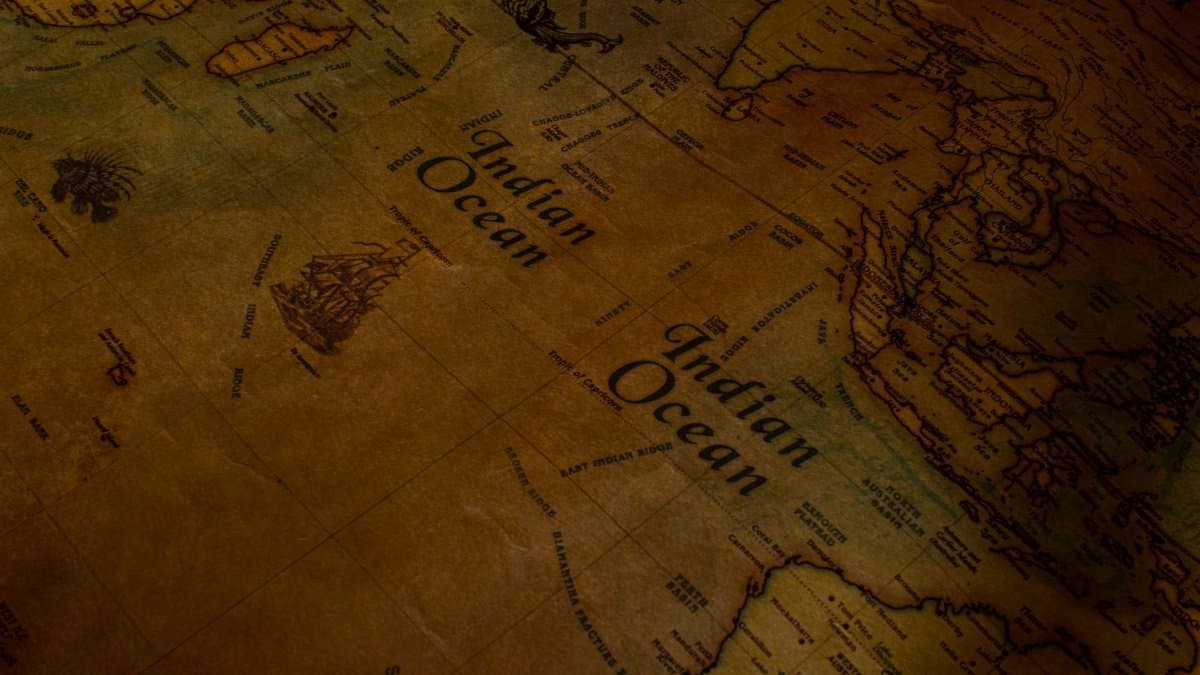
Lebanon, Syria, Iraq, Yemen, and the Gulf states are not spectators. Armed groups aligned with Tehran have their own commanders, grudges, and local politics. Israeli strikes and American deployments answer some of those threats and create others. A single misidentified convoy or a rocket that lands in the wrong neighborhood can erase months of quiet. Election timelines do not pause for investigations.
Civilians in those countries have their own versions of the Tehran inventory. They have buried people in wars that were supposed to stay limited. They have learned that great powers can describe a battlefield as contained while a neighborhood experiences it as total. Any renewed full scale fight with Iran would travel along routes that are already bruised.
Faith, fatalism, and the refusal to surrender ordinary days
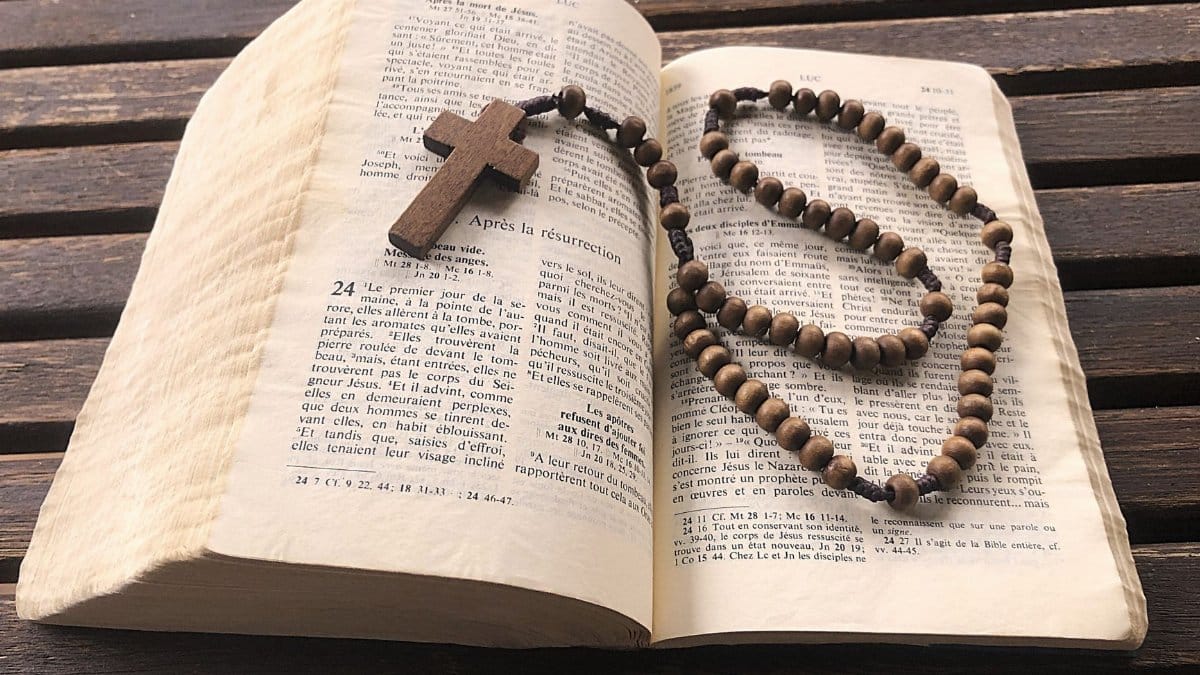
Mosques fill on nights when the news is worst, not only for sermons about endurance but for the simple fact of being among other people. Church communities and Jewish Iranians who remain, smaller in number and careful in public, describe a similar impulse: prayer as a way to keep fear from becoming the only language in the house. None of this is a strategy. It is a human answer to powerlessness.
Fatalism is easy to misread from abroad. A shopkeeper who says whatever God wills is not announcing indifference to elections in Washington or Jerusalem. He is refusing to let a foreign campaign schedule own his entire afternoon. That refusal is a kind of civic dignity, thin and stubborn, and it deserves more respect than the slogan that treats an entire nation as a target set.
Young people who have already rehearsed leaving

For younger Iranians, war talk arrives on top of years of economic disappointment and political closure. Some have protest scars. Some have exit plans that depend on visas they may never receive. They follow Israeli and American campaign clips with fluent cynicism. They can quote the tough lines and the walk backs. They do not trust either.
Their parents often want something narrower than transformation. They want schools to open on Monday. They want a son not to be called up for a fight whose aims keep shifting in foreign speeches. Iran war fears elections names their suspicion that the most dangerous decisions will be made by people who will not hear the air raid siren themselves.
Diaspora arguments that split living rooms

Iranian communities in Los Angeles, Toronto, London, and Berlin are not a single chorus. Some exiles hear threats against the Islamic Republic as overdue pressure on a government they fled. Others hear the same threats as indiscriminate danger to relatives who did not leave. Family chats turn sharp when a candidate promises to hit Iran harder. One cousin posts approval. Another asks which neighborhood would absorb the hit.
American and Israeli voters of Iranian background carry that split into actual ballots. Their votes will not decide the wars alone. They do complicate the lazy idea that toughness has only one audience. Every escalation promise has listeners who love someone on the other side of the map.
What campaigns could say and rarely do
A serious candidate can oppose Iranian nuclear advances, condemn attacks on civilians, and still refuse to treat war as a campaign prop. That would mean naming red lines without naming dates that sound like invasion calendars. It would mean explaining what force cannot do: occupy a nation of ninety million, install a grateful government, or bomb a political system into moderation. It would mean admitting uncertainty.
Uncertainty does not pack a rally. It does keep planners honest. Voters in Israel and the United States are entitled to security. They are also entitled to hear the cost of getting security wrong. The people who would pay first are not in the front row of those rallies.
Signals that would lower the temperature
A pause in public threats would not solve the underlying conflict. It would create space. So would quiet channels that let each side test whether a strike is meant as a message or as the opening of a campaign. Humanitarian gestures, prisoner exchanges, and narrow technical talks on nuclear monitoring are unsatisfying to maximalists. They are also how states step back from ledges without calling it retreat.
Iranians watching the news are not asking foreign electorates to forget hostages, militias, or enrichment. They are asking those electorates to notice the difference between pressure and combustion. Iran war fears elections because the combustion, if it comes, will not wait for inauguration day. It will arrive on an ordinary afternoon, in cities that have already learned the sound of the beginning.
The season ahead
Between now and the votes, every hard sentence will be clipped, translated, and replayed. Some of those sentences will be bluff. Some will be policy. People in Iran cannot always tell which is which, and neither, perhaps, can the advisers drafting them. Living with that ambiguity is its own exhaustion.
The responsible path is not mystery. It is a public politics that can condemn real dangers without rehearsing a wider war for applause. Until that distinction is audible, families in Tehran will keep the television low, count their medicine, and hope that someone else’s election does not become their next siren.