
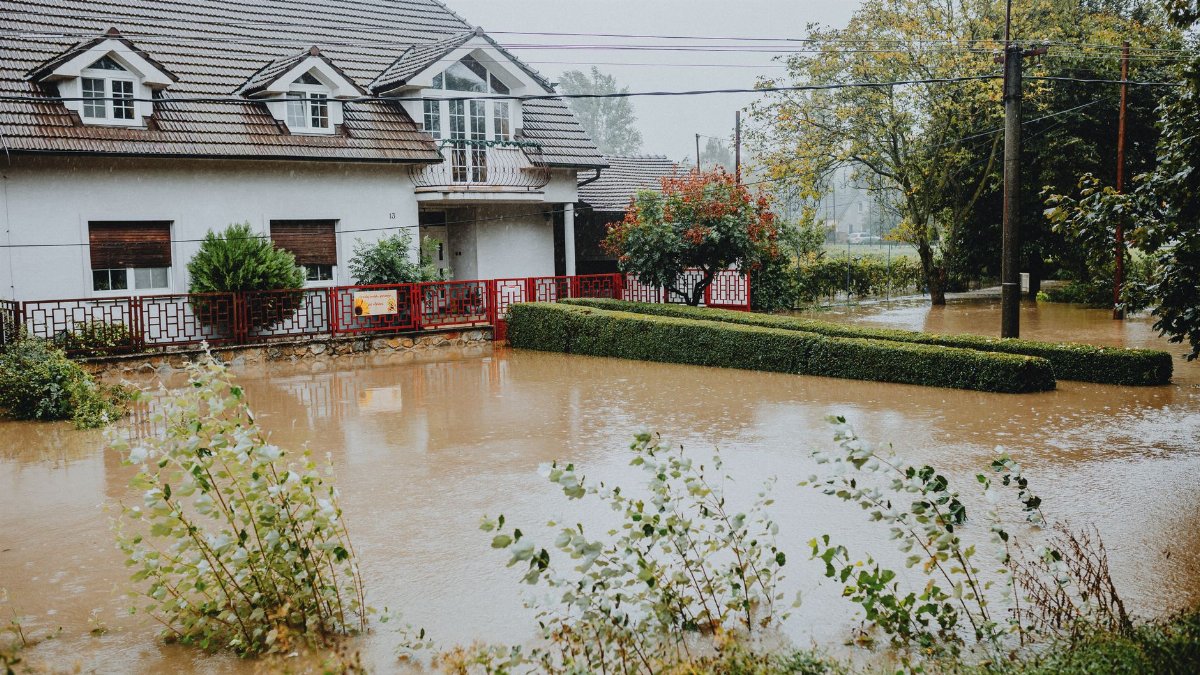
Before the first airport shuttle reached the coast road, brown water was already moving through lanes that usually carry scooters and hotel vans. On October 25, 2026, heavy rain turned ordinary streets into fast channels, and Phuket Thailand floods became the phrase residents used as they filmed water pressing against shop gates. The inundation reached all three districts of the island. About 100 households felt the water inside or against their homes. Officials reported no casualties, a mercy that did not erase soaked floors, stalled engines, or the uneasy quiet that follows a night of thunder.
What the water did before the island fully woke
Flash flooding is a different event from a slow river rise. It arrives with the rain, finds the lowest path, and leaves before many people have finished calling relatives. On Phuket that morning the pattern was familiar to anyone who has watched a tropical downpour meet a paved hillside. Water sheeted off roofs, jumped curbs, and pooled where drains could not keep pace. In some lanes it was ankle deep and dirty. In others it climbed toward doorsteps and the lower shelves of small shops.
Residents described a sky that did not pause. Rain fell hard enough to blur the line between road and canal. Motorbikes were pushed to higher ground. Cars sat with water at the wheel wells. The absence of deaths mattered, and it should be said plainly. A flood can still wreck a week, a wage, and a room full of belongings without taking a life. About 100 households is not a citywide catastrophe on an island that hosts far more people in peak season. It is still a hundred kitchens, a hundred sets of documents, a hundred arguments with landlords and insurers that begin the moment the water drops.
Three districts sharing one drainage problem
Phuket is administratively simple on a map and complicated on the ground. Mueang Phuket holds the old town and much of the east coast civic life. Kathu includes the west coast resort strip that many visitors mean when they say the island. Thalang covers the north, the airport approaches, and a patchwork of villages, lagoons, and new housing. Reports that Phuket Thailand floods touched all three districts suggest the rain was not a single neighborhood cloudburst. It was an island scale soaking, even if the worst pooling stayed local.
That geography matters. Water on the west side runs quickly off steep slopes toward beaches and basements. Water near the town and the north can sit longer on flatter land, especially where construction has filled old channels. A household in a resort lane and a household beside a village road can suffer the same night for different reasons. One loses stock in a ground floor shop. The other loses a motorbike that is also the family commute. Counting them together as about 100 households is a start. It is not a full portrait of who had to sleep elsewhere, who missed a shift, or who spent the day bailing with plastic buckets.
A death toll of zero is not the whole story
No casualties is the sentence editors reach for first, and readers are right to feel relief. It is also an incomplete measure of harm. Flash floods kill when people drive into moving water, when night hides an open drain, or when a wall gives way. This time those worst outcomes were avoided. The remaining damage is quieter and easier to undercount. Mattresses swell and smell. Schoolbooks curl. A refrigerator that shorted out is a month of savings. For workers paid by the day, a closed road is lost income even if the house stayed dry.
Local officials in Thailand often move quickly to pump standing water, open temporary shelters, and survey houses for assistance. The public record of this particular morning is still thin in international reporting, which tends to notice Phuket when a storm interrupts flights or beach photos. A careful reader should treat early household counts as provisional. Numbers rise after people return from work and find what the water did in their absence. Numbers sometimes fall when a wet floor is reclassified as minor. Either way, the human scale sits between a headline and a statistic.
Why this island floods when the sky opens

Phuket sits in a monsoon climate. The wet months load the island with intense bursts rather than gentle daylong drizzle. Hills that once absorbed rain now carry concrete, tile, and compacted soil. Drains built for an earlier town meet roofs from hotels, malls, and housing estates that shed water all at once. When the tide is high along the coast, outflow slows. The result is not mysterious. It is physics plus decades of building.
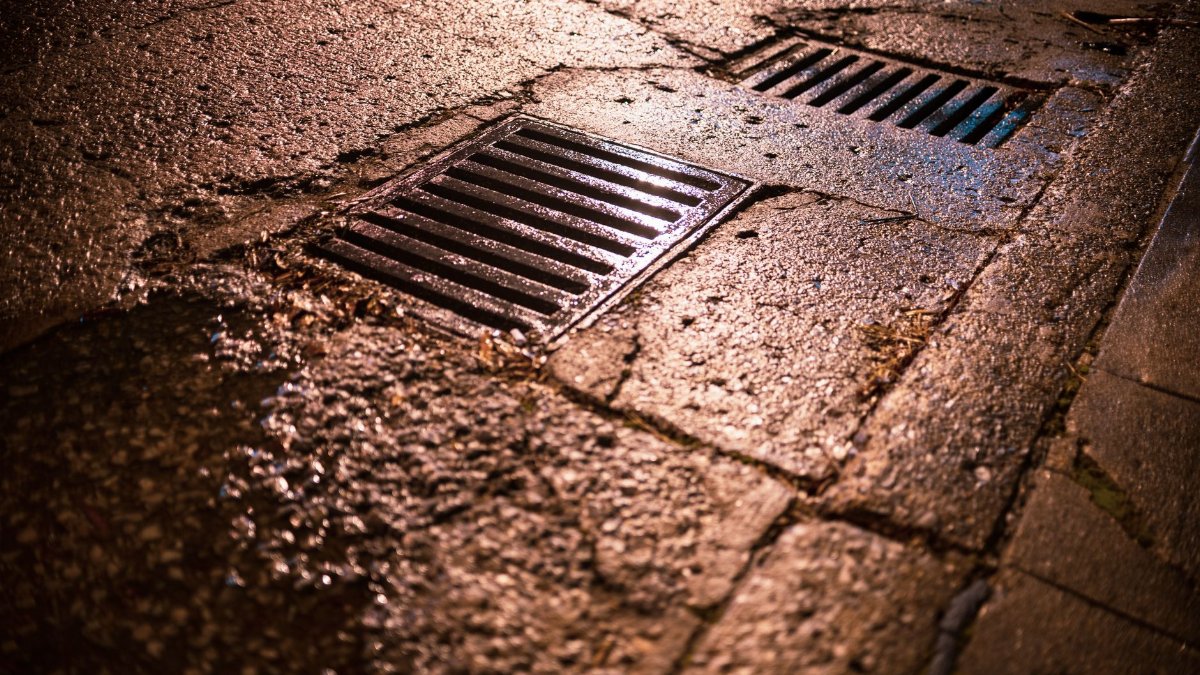
Visitors sometimes assume a tropical island drains itself into the sea. Much of it does, until a culvert clogs with plastic, leaves, and sediment. A single blocked grate can turn a side street into a pond in minutes. Maintenance is unglamorous and constant. It is also political, because budgets favor visible projects over the dark pipes under a road. After Phuket Thailand floods, the argument returns in the same form. Clear the drains. Raise the floors. Stop paving every remaining soak. Each proposal is sensible. None of them finishes the work in a single dry season.
Tourism calendars and a wet shoulder of the year

Late October sits near the turn of the travel year. Some visitors still book the island for warm water and fewer crowds. Hotels along the west coast plan for rain as a seasonal fact, not as a surprise. A flash flood is different from a passing shower that clears by lunch. It can close a beach road, knock out power to a block of rooms, and send guests into lobbies with wet luggage. For an economy built on arrivals, even a short disruption shows up in cancellations and in the group chats of tour operators.
The people who absorb the shock first are often not the guests. They are drivers, housekeepers, cooks, and vendors whose homes sit lower than the resorts they serve. When about 100 households are affected, some of those workers are counting rice and electronics while their employers count room nights. A fair account of the morning holds both ledgers. Tourism can fund better drainage. It can also intensify the very paving that makes the next storm meaner. That tension is not abstract on an island where the postcard view and the flood lane are sometimes the same street.
Roads, resorts, and the ordinary commute
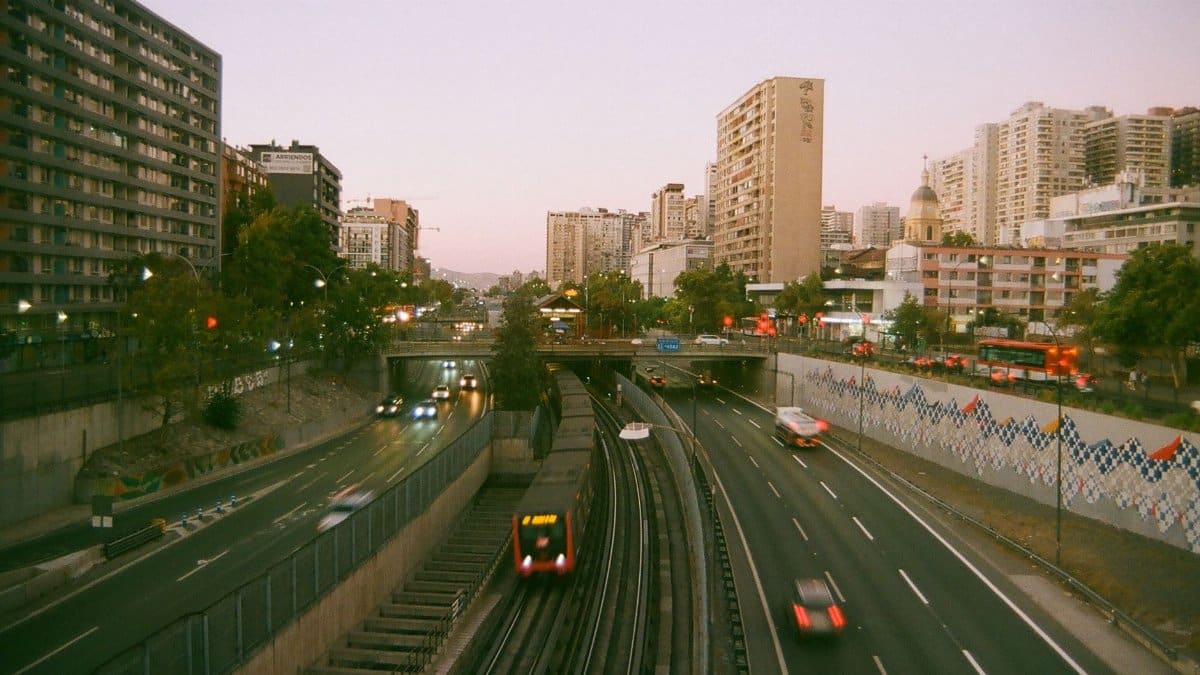
Phuket’s daily life runs on narrow roads and two wheels. When water covers a junction, the island does not have many alternate routes. Ambulances, school vans, and delivery bikes share the delay. Resorts with elevated lobbies may look fine in a photograph while the access lane below them is not. Airports can keep operating in heavy rain and still leave passengers stuck between terminal and hotel. The October 25 inundation did not, on the information available, produce a mass casualty event or a total shutdown. It did show how little margin a crowded island has when drains fail together.
Small businesses feel that margin as inventory. A pharmacy, a tailor, a noodle shop: each keeps goods near the floor because rent is high and space is tight. Floodwater is not clean rain. It carries oil, sewage overflow, and whatever the upstream street discarded. Cleaning is a health task as much as a cosmetic one. Bleach, sun, and time do part of the work. Replacing a motor or a batch of stock does the rest, and that bill arrives before any public aid, if aid comes at all.
How communities usually answer the next hour

Across southern Thailand, the first responders to street flooding are often neighbors. Someone brings a pump. Someone lifts a fridge onto chairs. A temple courtyard or a school becomes a dry floor for a few families. Provincial offices later tally houses, distribute supplies, and warn against walking in brown water after dark. Those habits are not unique to this island, and they are not a substitute for engineering. They are what keeps a zero death toll from becoming something worse while the pumps catch up.
Communication has changed the texture of these hours. Phones turn every flooded soi into a clip. That can speed warnings. It can also flatten a local emergency into spectacle for audiences far away. The useful messages are specific. Which road is closed. Where the water is still rising. Which shelter has space. Rumors travel as fast as the clips. A journalist’s job, and a resident’s, is to separate a verified household count from a video that might be last year’s storm with today’s caption.
Living with water on a built island
Long term adaptation is less dramatic than a rescue boat and more decisive. It means mapping the streets that flood every strong rain, not only the ones that flood in a famous storm. It means enforcing setbacks from canals, keeping natural ponds that act as storage, and designing new buildings with floors that expect water rather than pretending it will not come. It means treating plastic waste as drainage policy, because a bottle in a grate is a flood in miniature.
Residents already practice a private version of that planning. They store valuables high. They know which step of the stair is the line between annoyance and loss. They watch the sky in the late wet season with a practical eye. Phuket Thailand floods will recur under some name or another as long as intense rain meets hard surfaces. The question is whether the next hundred households are the same ones, or whether investment moves the risk off the people least able to replace a floor.
What a careful reader should hold onto

The facts that can be stated without embroidery are these. Heavy rain on October 25, 2026, sent flash floods through several areas of Phuket. All three districts were affected. About 100 households were impacted. No casualties were reported. Beyond that, early accounts should be read as a first sketch. Damage surveys take days. Insurance arguments take longer. The emotional weather of a street lifts faster than the mold in a wall.
For readers elsewhere, the story is easy to file under distant weather. It is closer than that if you have ever watched a storm undo a week of work in an hour. Islands that sell sunshine still live inside a water cycle. When Phuket Thailand floods, the measure of seriousness is not only whether the beaches reopen by afternoon. It is whether the people who slept above the water line remember the people who did not, and whether the drains under the postcard are treated as seriously as the view.
The morning after, still unfinished

By the time the sun returned, much of the moving water would have found the sea or a pump. Streets would look passable again, which is how floods trick a casual glance. The stain on a wall stays. The list of ruined goods stays. Children who walked to school through a dry lane may still have spent the night on a relative’s floor. Hotel staff would smile at new arrivals who never saw the water, because that is the job, and because the island’s reputation is a shared asset even for people whose own rooms flooded.
A finished account would name every lane, every aid payment, every clogged culvert that failed. That account is not yet public in full, and inventing it would not honor the households who already know the details better than any dispatch. What can be said is enough to resist two errors. One error is panic, as if an entire island had been erased. The other is shrug, as if a hundred homes were a rounding error beside a resort skyline. Between those errors is the ordinary work of drying out, counting losses, and asking, again, why the same rain keeps finding the same floors.