

In recent weeks a legal maneuver has drawn widespread attention across newsrooms nationwide. Court documents reveal that federal prosecutors have targeted journalists from a major publication over their reporting on presidential aircraft movements and related security protocols. This development involving NYT reporters subpoenaed underscores ongoing tensions between government interests and the publics right to information about official activities. The action comes after a series of articles examined logistics and decision making aboard the aircraft during key diplomatic trips. Observers note that such steps could chill investigative work at a time when transparency around executive branch operations remains vital for democratic accountability. Many in the field view the subpoenas as an attempt to trace sources rather than pursue legitimate national security goals.
Context Behind the Court Orders
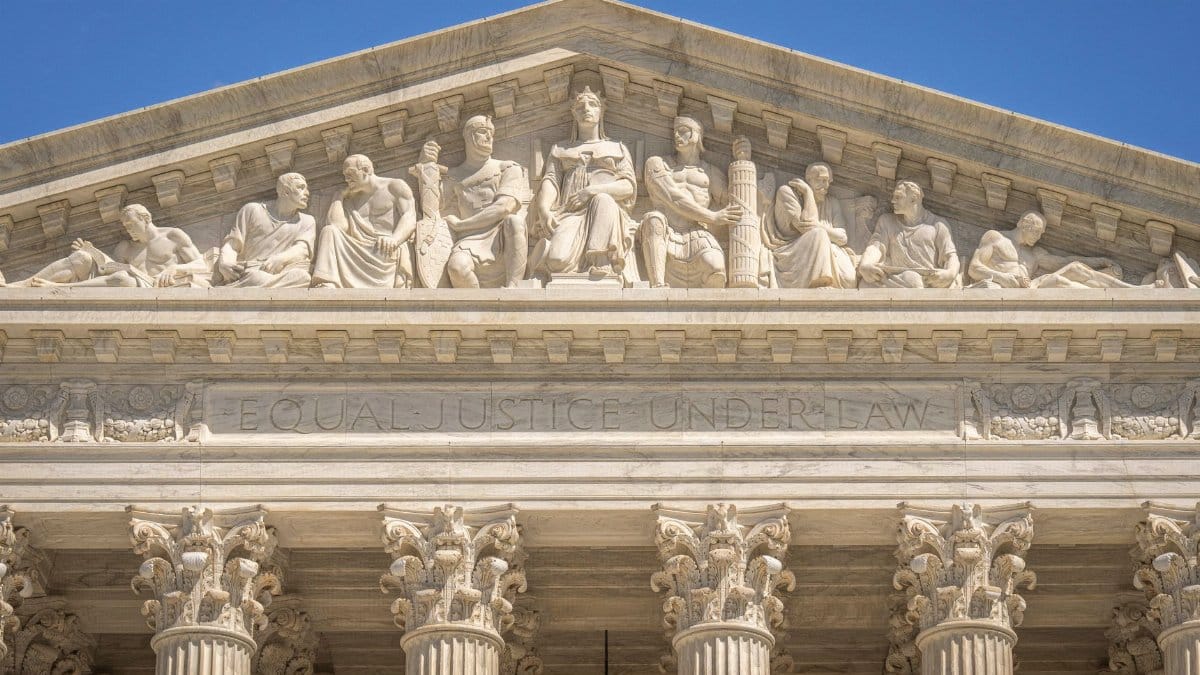
The subpoenas emerged following detailed coverage that highlighted scheduling choices and passenger lists on official flights. Prosecutors appear focused on identifying how certain details reached the public domain. Legal experts suggest the move tests boundaries established in prior cases involving media protections. Reporters involved have declined direct comment while their publication vows to fight the demands vigorously.
Implications for Source Protection

Journalistic work often relies on confidential tips from insiders who fear reprisal. When authorities seek to compel disclosure through legal channels the trust built over years can erode quickly. This situation illustrates how even established outlets face pressure when covering sensitive beats like aviation security tied to the executive office. Broader effects may include fewer individuals willing to share critical observations about policy execution.
Historical Precedents in Media Cases

Past disputes over reporter testimony have shaped current standards for shielding information gatherers from compelled revelation. Courts have balanced claims of necessity against First Amendment considerations with mixed outcomes depending on jurisdiction and specifics. Here the focus on Air Force One narratives adds a layer of public interest that could influence judicial review. Analysts recall earlier episodes where similar efforts ultimately strengthened safeguards rather than weakening them.
Reactions from Press Organizations

Advocacy groups monitoring these events have issued statements emphasizing the need for restraint in deploying subpoenas against news professionals. They argue that alternative investigative avenues exist before turning to media personnel. The episode has prompted internal discussions at various outlets about protocols for handling potential legal challenges during politically charged assignments.
Impact on Coverage of Official Travel

Stories about presidential movements serve an essential function in informing citizens about leadership activities and resource use. Any perception that such reporting invites legal scrutiny might lead to more cautious approaches or delayed publication. Over time this dynamic risks reducing the depth of available accounts regarding how decisions unfold in real time.
Ethical Dimensions in Government Journalism
Journalists navigate complex choices when reporting on institutions that wield significant power. The pursuit of accuracy must coexist with awareness of potential fallout for sources and subjects alike. In this instance the emphasis on aircraft operations brings forward questions about where legitimate inquiry ends and unwarranted intrusion begins. Ethical frameworks developed by newsrooms provide guidance yet cannot always anticipate novel legal tactics.
Public Discourse on Transparency Needs
Readers across age groups express varying views on the proper scope of official secrecy versus openness. Some prioritize security concerns above all while others stress that awareness of executive practices fosters informed participation in civic life. The current controversy amplifies these debates at a moment when trust in institutions continues to fluctuate.
Potential Outcomes and Next Steps
Litigation could extend for months as motions and appeals unfold. Outcomes may set markers for future interactions between prosecutors and news gatherers. Publications meanwhile continue routine operations while preparing defenses that affirm longstanding commitments to independent inquiry. The phrase NYT reporters subpoenaed has already surfaced in multiple commentaries exploring these possibilities.
Broader Effects on Journalistic Independence
Independence forms the core of credible reporting yet faces repeated challenges from various quarters. Legal actions like these serve as reminders that external forces can seek to shape what reaches audiences. Sustained attention from readers and professional peers helps maintain the equilibrium necessary for robust coverage of government functions.