
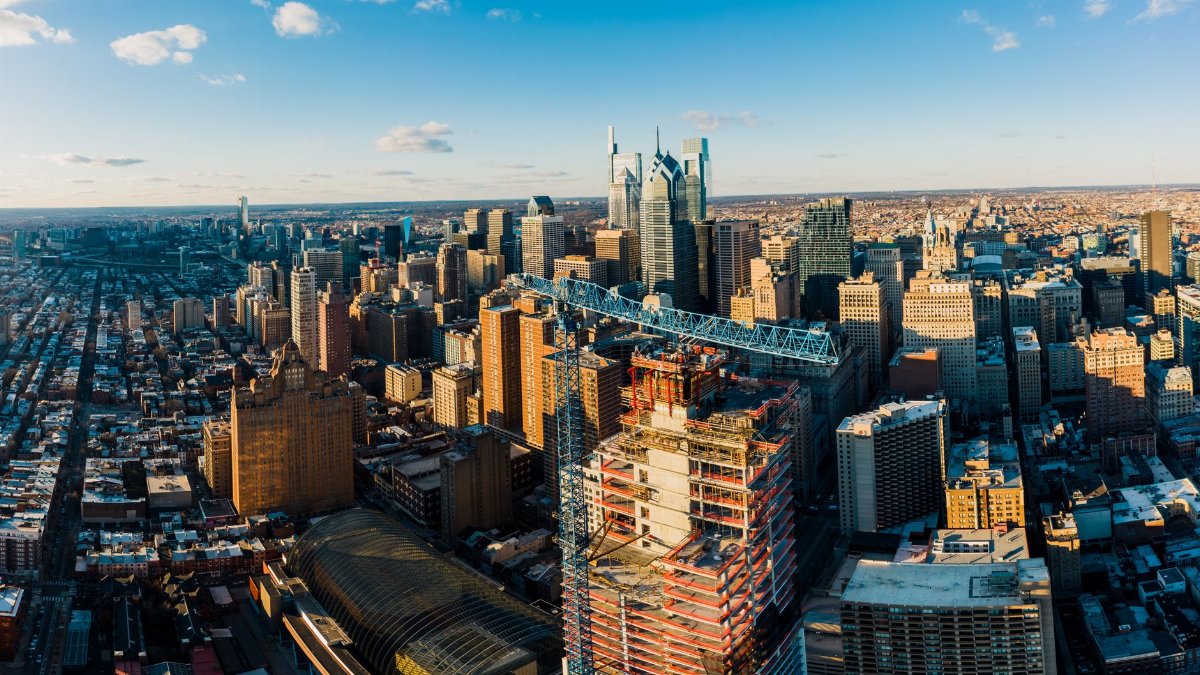
Powerful gusts tore through urban neighborhoods leaving residents stunned by sudden destruction. Philadelphia high winds arrived with little warning and quickly exposed weaknesses in older buildings as well as newer construction. Crews worked through the night to secure loose materials and check for hidden risks while families sought shelter with relatives or at temporary centers set up by the city. The event prompted fresh discussion about how prepared the region remains for extreme weather that seems to arrive more often in recent seasons.
Scale of roof losses across districts

Reports from inspectors showed dozens of properties suffered complete roof removals. Older row homes proved especially vulnerable because many lack modern anchoring systems. Engineers noted that even modest increases in wind speed can lift shingles and sheathing when fasteners have weakened over decades of exposure to rain and temperature swings.
Partial building collapses raise safety alarms
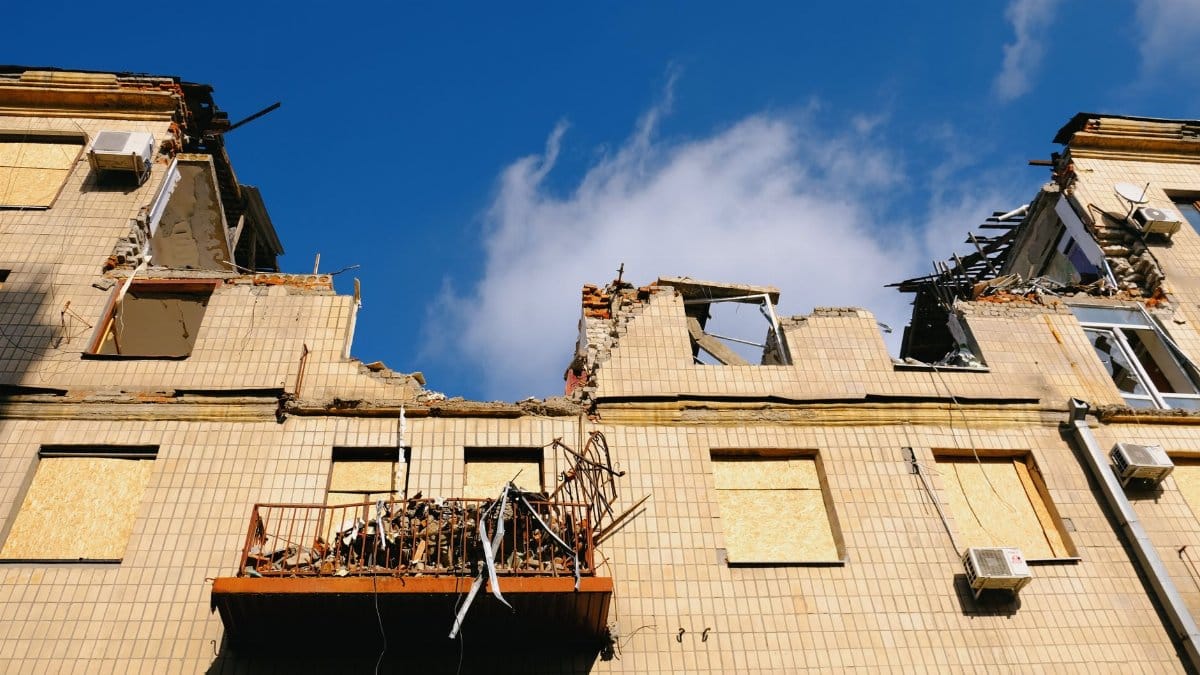
At least three structures experienced wall failures that forced immediate evacuations. One mixed use building on the edge of Center City lost a section of its upper floor when supporting beams shifted under sustained pressure. Officials closed surrounding streets until temporary shoring could be installed to prevent further movement.
Resident accounts of the storm passage

People described windows rattling for hours before a sudden roar signaled major damage overhead. One family on the north side watched as their backyard shed lifted into the air and landed two blocks away. Others recalled the sound of bricks hitting pavement as facades began to shed pieces onto sidewalks.
Emergency response and crew coordination
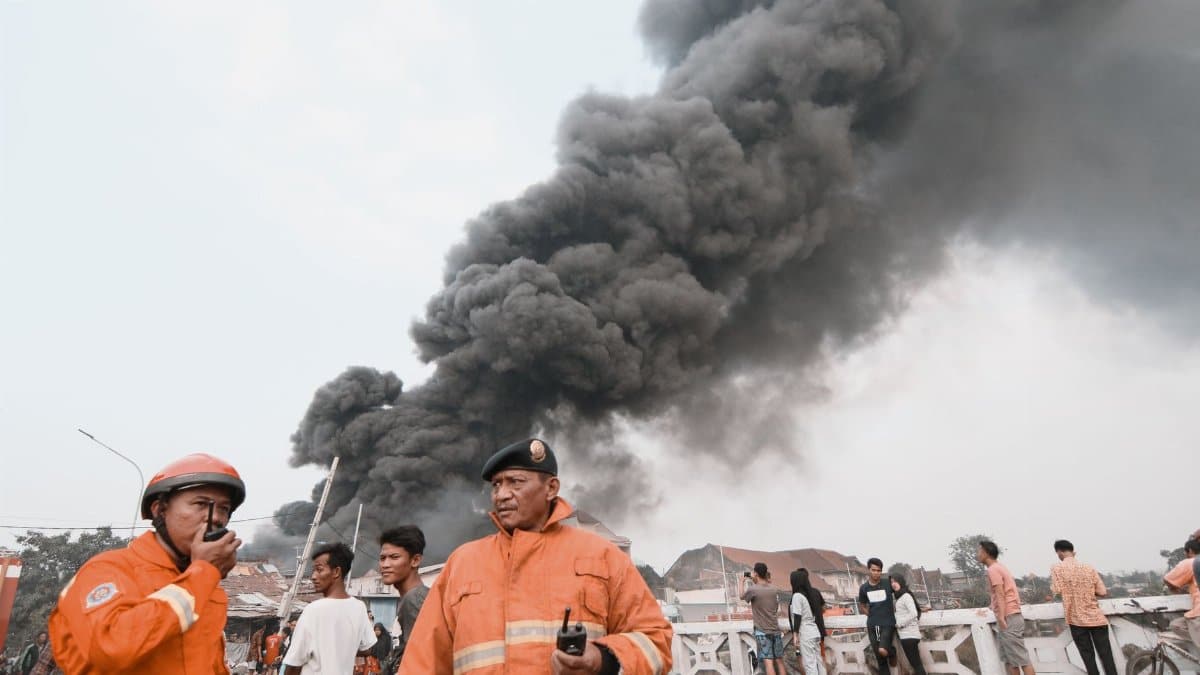
Fire and public works teams established a joint command post near the river to direct equipment where it was needed most. Utility crews focused first on downed lines to reduce risk of fire while structural teams evaluated which buildings could be entered safely. Volunteers from local faith communities arrived with food and blankets for those displaced.
Insurance claims begin to mount

Adjusters expect thousands of filings once assessments finish. Many policies contain strict limits on wind damage so some owners may face large out of pocket costs. City leaders urged residents to document everything with photos before repairs start in order to speed up the review process.
Older construction versus newer standards
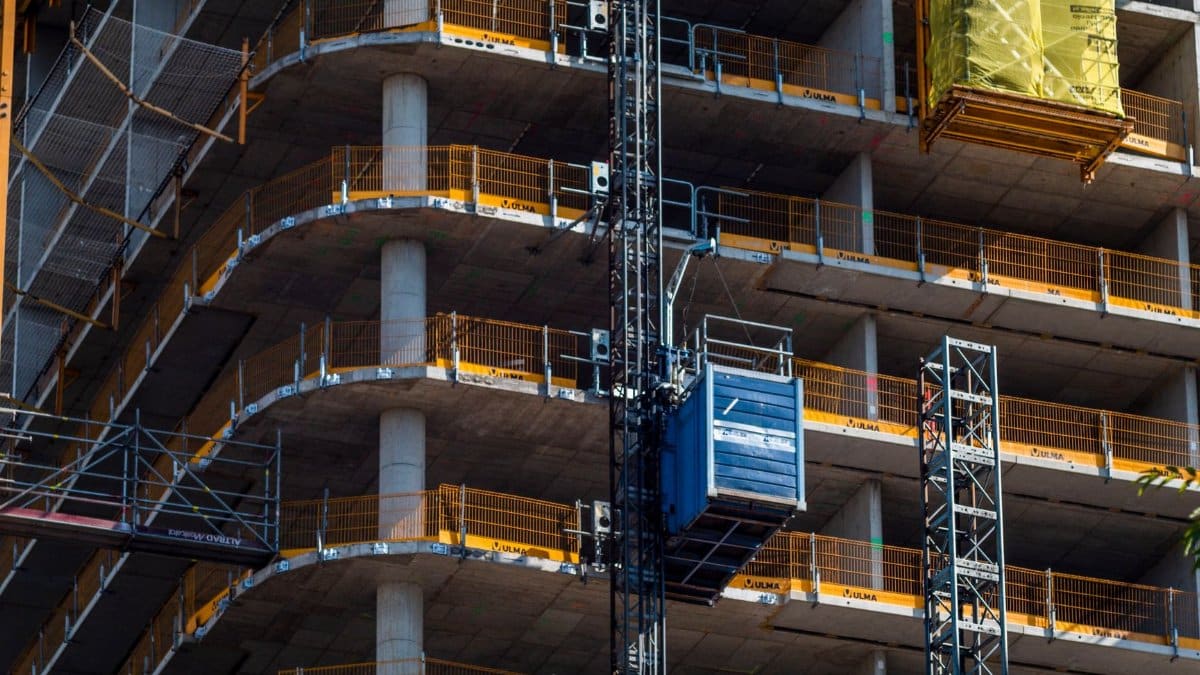
Buildings erected before current code requirements showed the clearest signs of strain. Newer developments with reinforced connections fared better though even those sustained minor losses such as displaced flashing or broken skylights. Planners now wonder whether updates to wind load requirements should be accelerated for the entire city.
Community support networks activate

Churches and neighborhood associations opened their doors as gathering points for information and mutual aid. Some offered temporary storage for belongings salvaged from damaged homes. The response highlighted how local groups often fill gaps when official resources stretch thin during widespread events.
Weather patterns and future outlook

Meteorologists link the episode to broader shifts in storm tracks that bring stronger winds farther inland. While no single event proves a trend, the frequency of such episodes has prompted renewed calls for better forecasting tools and public alerts tailored to urban environments.
Lessons for property owners

Inspectors recommend annual checks of roof attachments and chimney ties. Simple reinforcements such as additional straps can add meaningful resistance without major expense. Residents are also advised to trim nearby trees whose branches could become projectiles during the next strong system.