
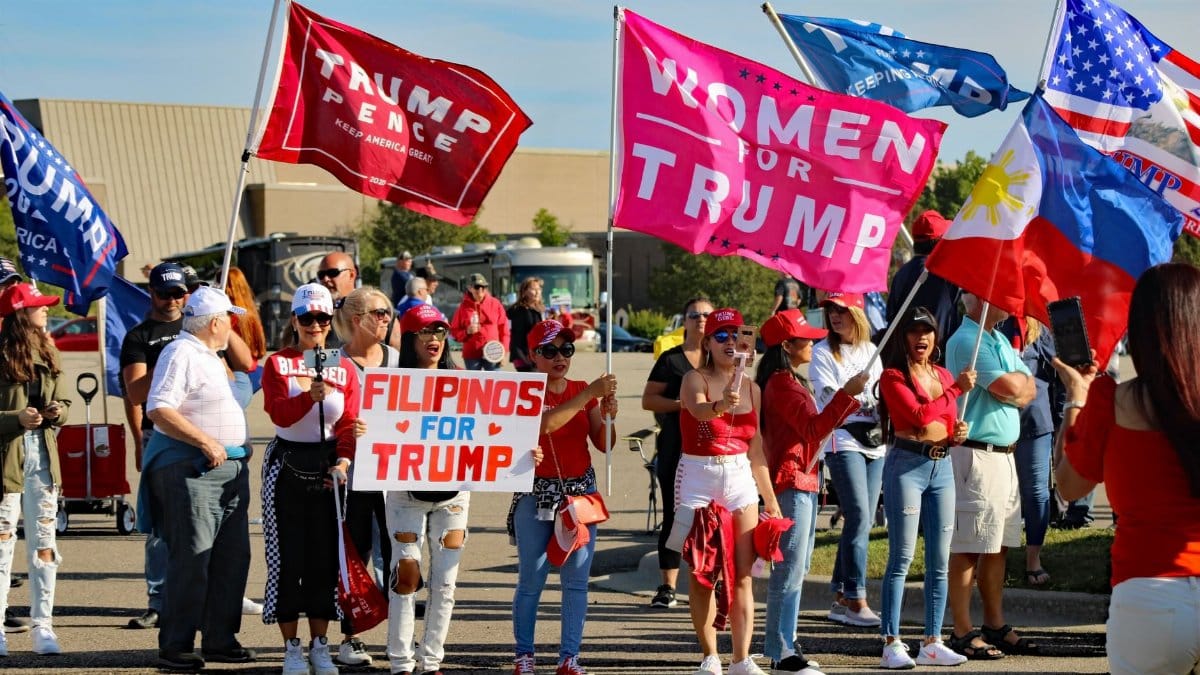
The political scene across Michigan has drawn fresh attention this summer as one prominent leader came close to stepping away from a central post while multiple other transitions gained momentum. Observers note that Michigan political changes reflect broader pressures on governance and party strategies in the state. These developments arrive at a moment when voters weigh local priorities against national trends and economic conditions continue to shape daily life for many residents.
Background on Key Figures Involved

A veteran lawmaker nearly ended service in an influential committee role after private discussions about retirement and shifting personal commitments. Colleagues described the near departure as unexpected yet understandable given extended demands of public office. The episode highlights how individual choices can ripple through legislative schedules and committee assignments.
Broader Context of State Transitions

Several other offices have experienced turnover this season due to retirements and moves to different positions. Staff members have adjusted workflows to maintain continuity on pending legislation. Such adjustments require careful coordination among remaining team members to avoid delays on matters ranging from infrastructure funding to education policy.
Effects on Upcoming Legislative Sessions
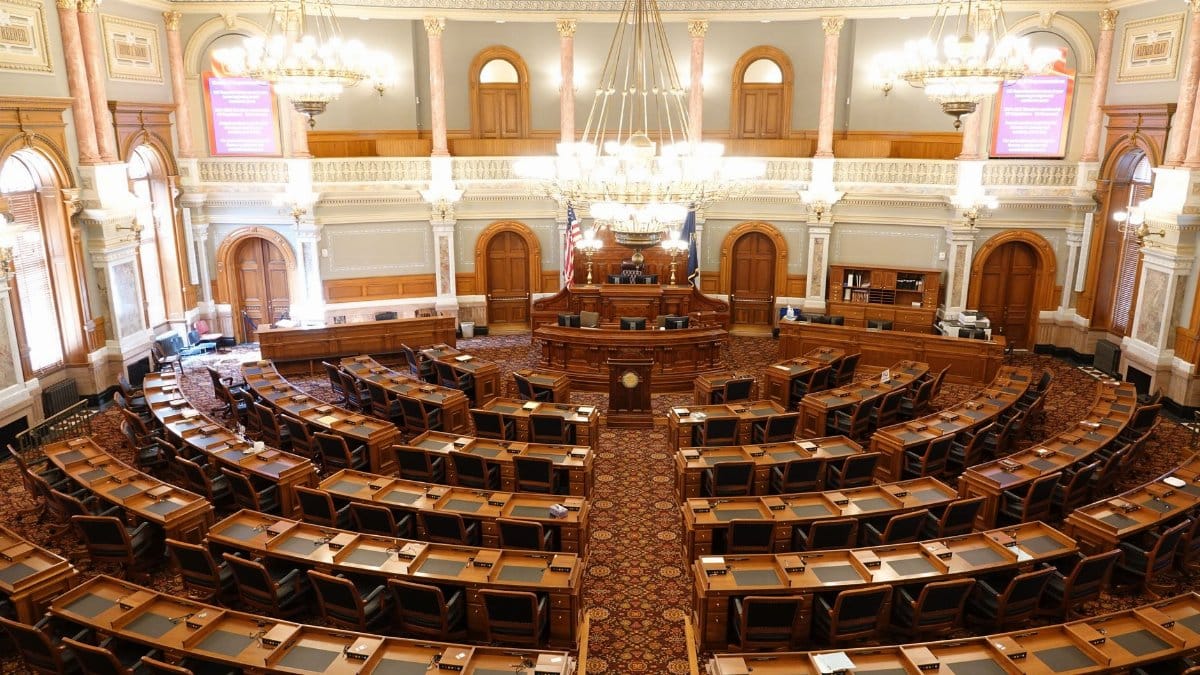
Lawmakers returning after the summer recess face a docket that includes both carryover items and new proposals shaped by recent personnel shifts. Analysts expect extended debate on budget allocations as new voices join familiar ones in committee rooms. The pace of deliberations may slow initially while members build working relationships.
Public Reaction Across Regions
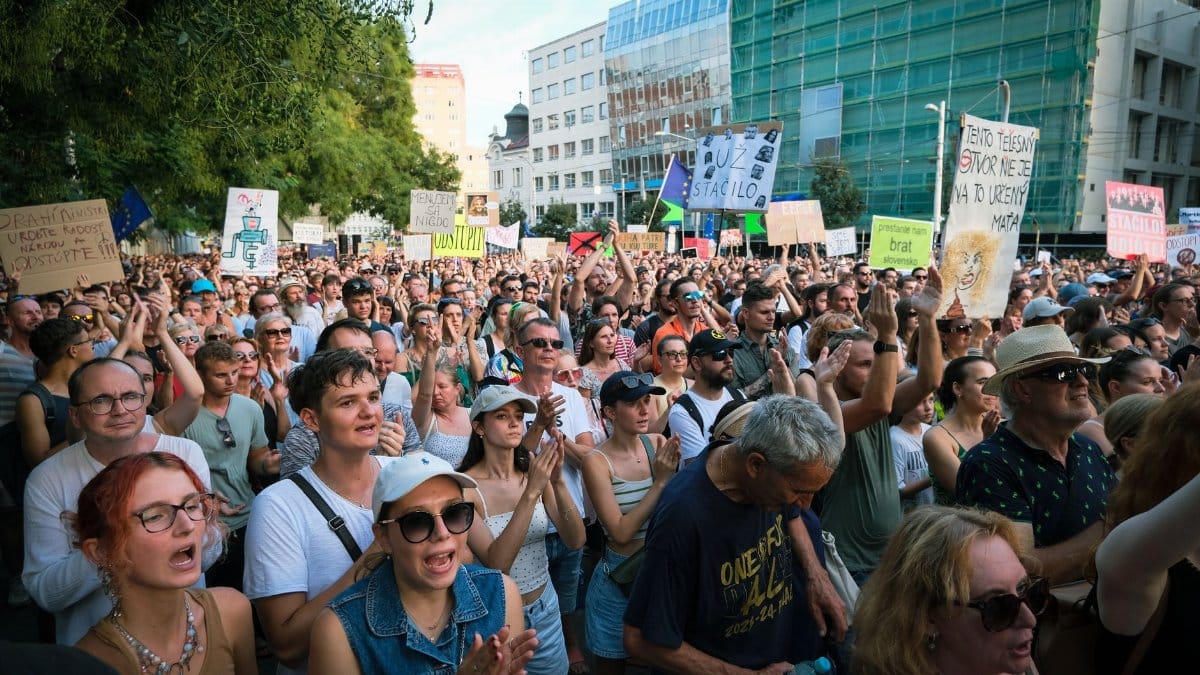
Residents in urban and rural districts alike have voiced opinions through letters to editors and calls to local radio programs. Some express concern over potential instability while others see opportunity for fresh perspectives. Community meetings have drawn steady attendance as citizens seek details on how decisions will affect schools and roads.
Role of Party Organizations

State party committees have begun reviewing candidate pipelines to prepare for future contests. Training sessions for prospective office seekers have increased in frequency. These efforts aim to ensure experienced individuals stand ready when vacancies arise through normal electoral cycles or unexpected exits.
Media Coverage Patterns

Local outlets have devoted increased space to profiles of emerging leaders and recaps of recent maneuvers. National publications have referenced Michigan political changes in roundups of state level developments nationwide. Reporters emphasize primary documents and direct statements to provide accurate accounts.
Potential Long Range Implications

Observers suggest the current wave of transitions could influence policy directions for several years. New committee chairs often bring different priorities to the table which in turn affects which bills advance. Stakeholders in business and nonprofit sectors monitor these trends to anticipate regulatory shifts.
Comparisons With Neighboring States
Similar patterns of leadership movement have appeared in states bordering Michigan though timelines and triggers vary. Discussions among regional analysts focus on shared challenges such as population shifts and economic diversification. These conversations help place single state events within a larger framework.
Looking Ahead to Voter Engagement
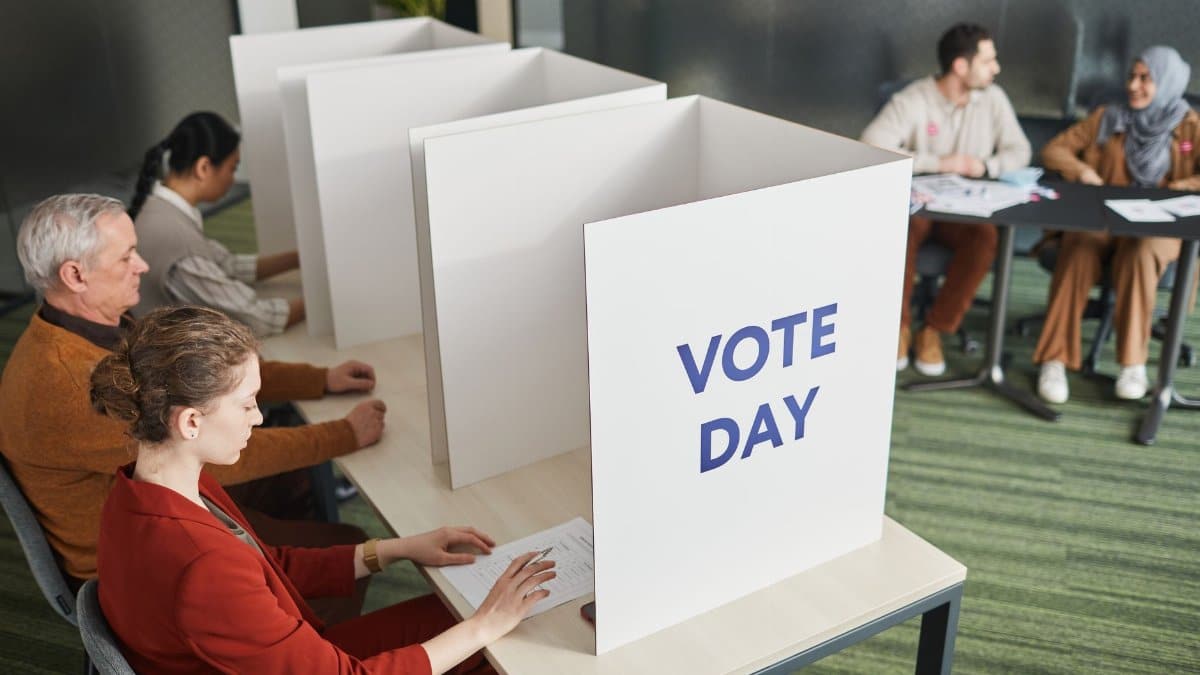
Civic groups plan outreach campaigns to encourage participation in coming elections. Information sessions aim to clarify how Michigan political changes connect to issues that matter most to households. Sustained interest from the public remains essential for maintaining accountable representation at every level of government.