
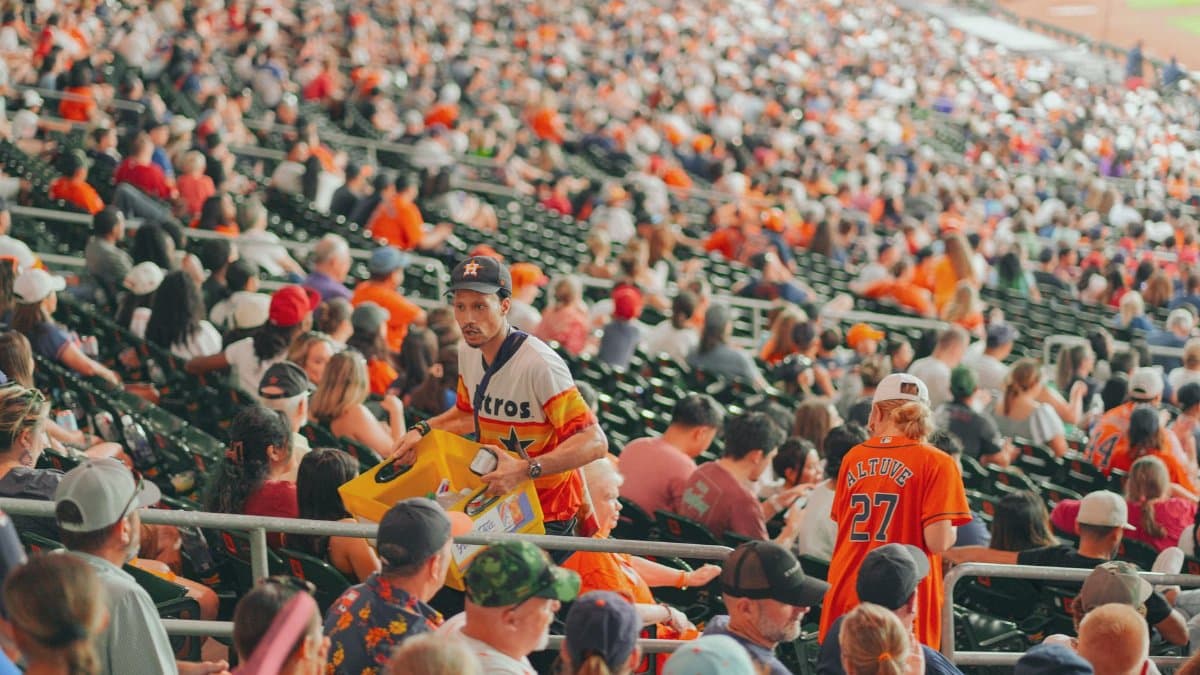
In the bustling streets of Philadelphia during preparations for major league baseball festivities a pointed warning emerged from local responders highlighting potential risks in select neighborhoods. This firefighters union post advised attendees to steer clear of zones shaded in particular colors on a shared map drawing immediate attention from residents and officials alike. The guidance reflected ongoing worries about public gatherings and the need for caution in urban settings where incidents have occurred in the past. Observers noted how such communications can shape perceptions of safety without intending to single out any group.
Origins of the Safety Map Guidance

The map in question drew from data on prior disturbances near event venues. Union members compiled details from dispatch records showing patterns in certain districts during large crowds. They presented the information as a practical tool for families planning outings. Discussions among responders emphasized protecting visitors from unpredictable situations rather than creating alarm.
Union Position on Public Communication
Representatives clarified that the firefighters union post served to inform rather than restrict movement. They argued that transparency about local conditions helps prevent harm during high profile occasions. Leaders pointed to similar notices issued in other cities facing comparable challenges with event related crowds. The approach aimed at fostering awareness among those less familiar with city layouts.
Reactions from City Officials and Residents
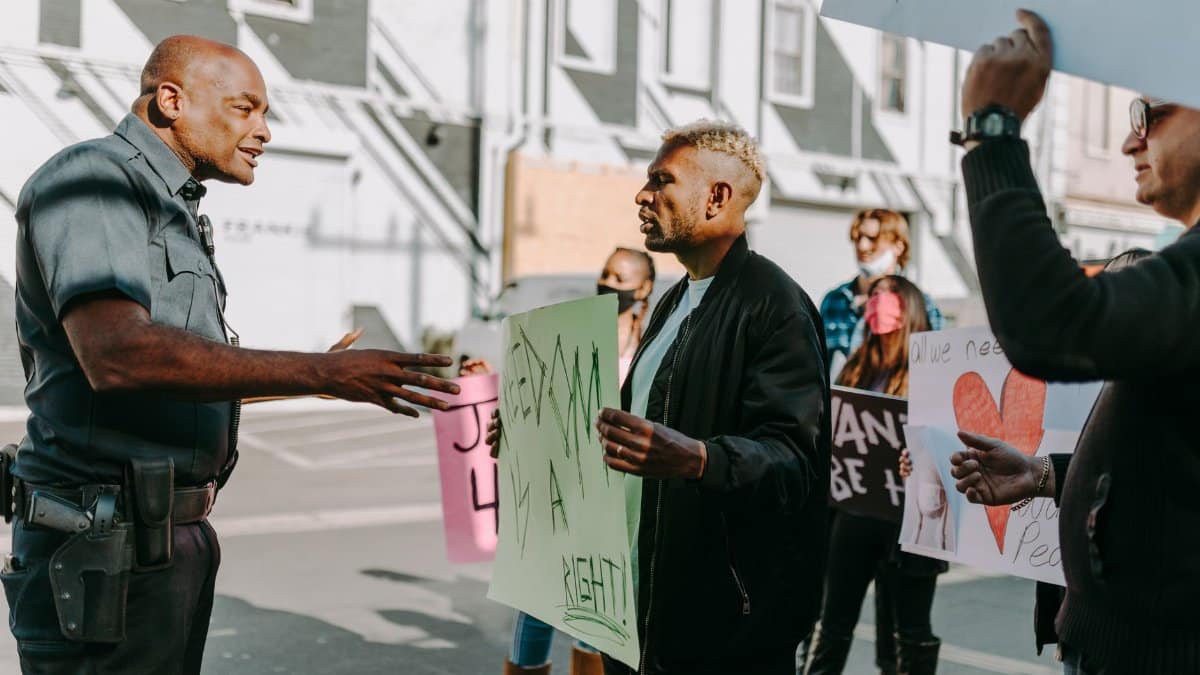
Some municipal leaders expressed support for proactive measures while others urged more measured language to avoid unintended divisions. Neighborhood groups shared mixed views with many appreciating the focus on security. Residents in highlighted zones voiced concerns that the shading might reinforce existing stereotypes about their communities. Meetings followed to address how future alerts could balance clarity with sensitivity.
Broader Context of Event Planning Challenges

Philadelphia has hosted numerous large scale sports celebrations over the years each bringing unique demands on emergency services. Firefighters often coordinate with police and medical teams to manage flows of people across busy districts. The current situation underscores tensions between open access to festivities and practical limits on where crowds can safely gather. Planners continue refining strategies based on accumulated experience from past seasons.
Impact on Visitor Behavior and Local Economy

Tourism officials monitored shifts in attendance patterns following the circulation of the map. Some businesses in affected areas reported slower foot traffic while venues outside those zones saw increased interest. Families adjusted routes to prioritize well lit and populated paths during evening events. This adjustment illustrated how advisory notices can influence spending and exploration in real time.
Historical Precedents for Responder Advisories
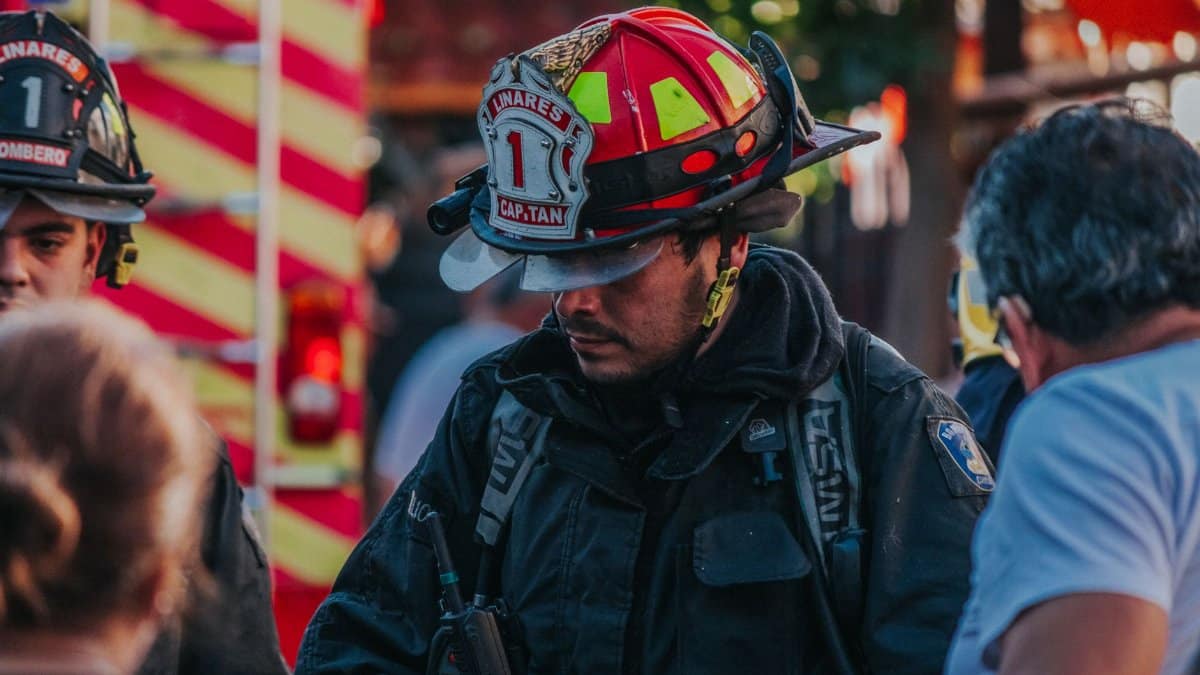
Similar alerts have appeared in other metropolitan areas hosting national sporting events. Responders there focused on traffic bottlenecks and crowd density rather than specific color coded zones. Philadelphia case stands out for its visual map element which amplified both reach and criticism. Analysts compare these efforts to longstanding practices of sharing risk information ahead of parades or festivals.
Debates Over Language and Perception

Critics questioned whether references to colored areas on the map invited misinterpretation along demographic lines. Supporters countered that the intent centered on factual incident locations regardless of who lives nearby. Public forums revealed divides in how different audiences interpret safety recommendations from uniformed personnel. The exchange highlighted evolving standards for official messaging in diverse cities.
Future Adjustments to Emergency Outreach
Union officials indicated plans to refine their communication methods ahead of upcoming gatherings. They considered incorporating more context about prevention steps alongside zone markings. Collaboration with community representatives could yield maps that emphasize positive gathering spots as well. Such evolution reflects a commitment to serving the entire city population effectively during peak activity periods.
Role of Social Media in Safety Discussions

Platforms played a central part in spreading the firefighters union post and subsequent commentary. Quick shares allowed rapid dissemination yet also fueled polarized exchanges without full background details. Responders learned from the episode about managing digital presence to maintain focus on core protective goals. This experience informs training for future public interactions in an era of instant information flow.