
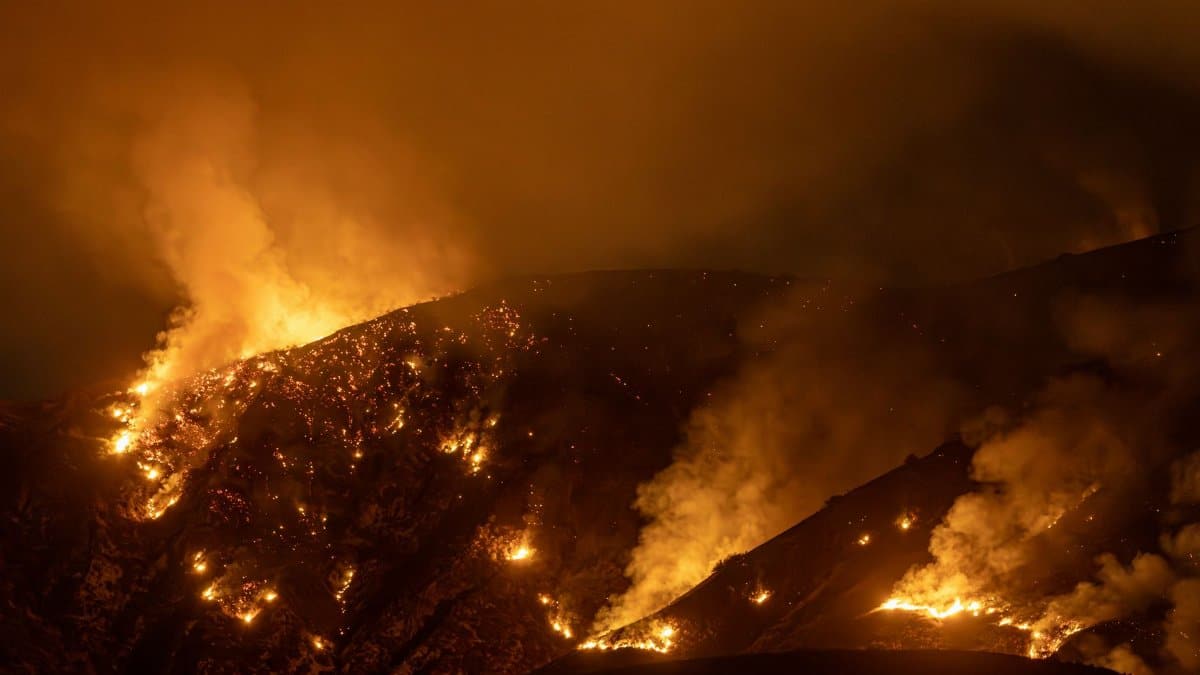
The collapse of a major insurance agreement in California has left utility companies facing uncertain futures regarding liability for devastating blazes. Pacific Gas and Electric recently outlined plans to slow down some of its safety initiatives as a result. This shift comes after attempts at PG&E wildfire reforms fell short in the state legislature. Observers note that such changes could influence the companys ability to secure funding and might lead to higher expenses passed on to customers over time.
Consequences for Power Line Burial Projects
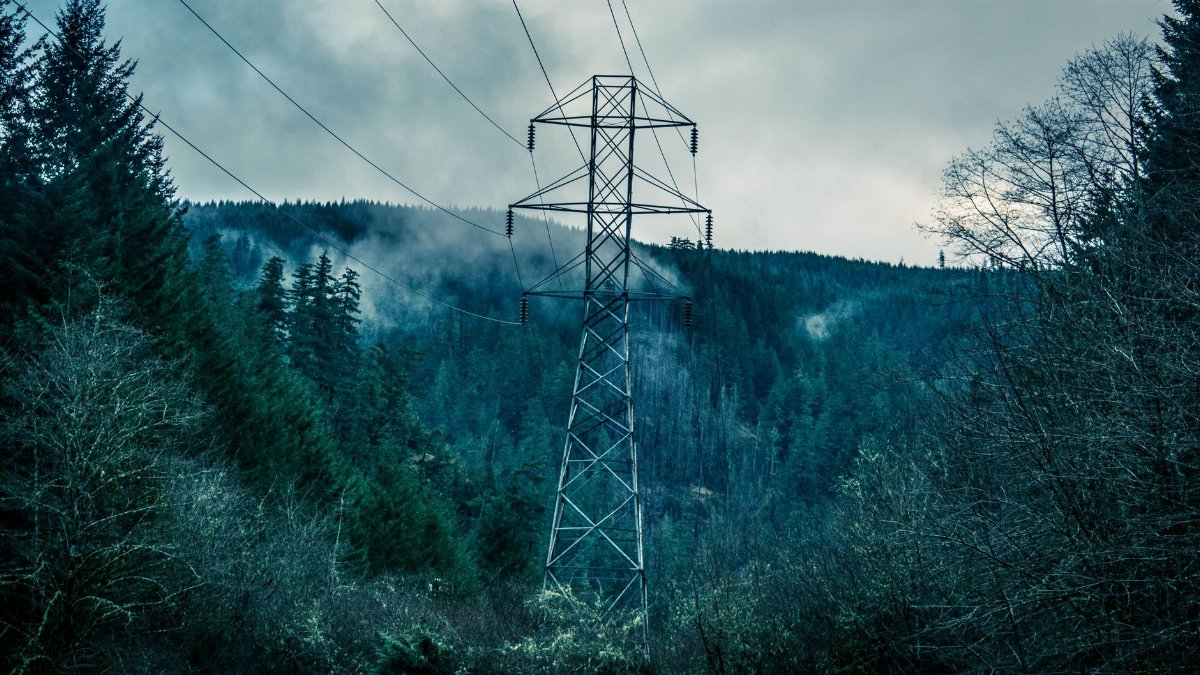
The utility had ambitious goals to place many overhead lines underground in regions susceptible to fire. With the reforms not advancing these goals now face revision. Company executives have suggested prioritizing other measures that require less capital outlay in the near term. This approach could leave some communities more exposed during peak fire seasons ahead. Engineers are now reassessing which segments merit immediate attention based on updated risk models.
Vegetation Management Adjustments

Routine tree trimming and brush clearance form a core part of efforts to prevent equipment from igniting dry landscapes. Reduced momentum on PG&E wildfire reforms means crews may cover fewer miles each season. Managers have indicated a turn toward targeted zones rather than broad sweeps across rural corridors. Local residents in affected counties have voiced worries about slower response to overgrown areas near transmission routes.
Borrowing Costs and Financial Outlook
Investors watch utility spending closely when evaluating bonds and loans. Scaled back work following the stalled PG&E wildfire reforms could alter perceptions of operational stability. Analysts point to potential rises in interest rates for future debt as uncertainty lingers. The firm has stressed its commitment to essential upgrades even as overall timelines stretch.
Customer Bill Implications

Expenses tied to infrastructure and liability often flow into monthly statements for millions of households. Delays in prevention work might translate into gradual increases as deferred tasks accumulate. Regulators will likely review any proposals to recover added outlays through rate adjustments. Families already coping with inflation may find these shifts add to household budgets in subtle ways.
Regional Safety Concerns
Counties with histories of destructive fires now wonder how protection levels will hold. The pause in broader PG&E wildfire reforms leaves gaps in long range planning for emergency access roads and early warning systems. Fire officials continue drills but acknowledge that equipment hardening moves at a reduced clip. Coordination between local agencies and the utility remains vital amid these transitions.
Legislative Background and Failure
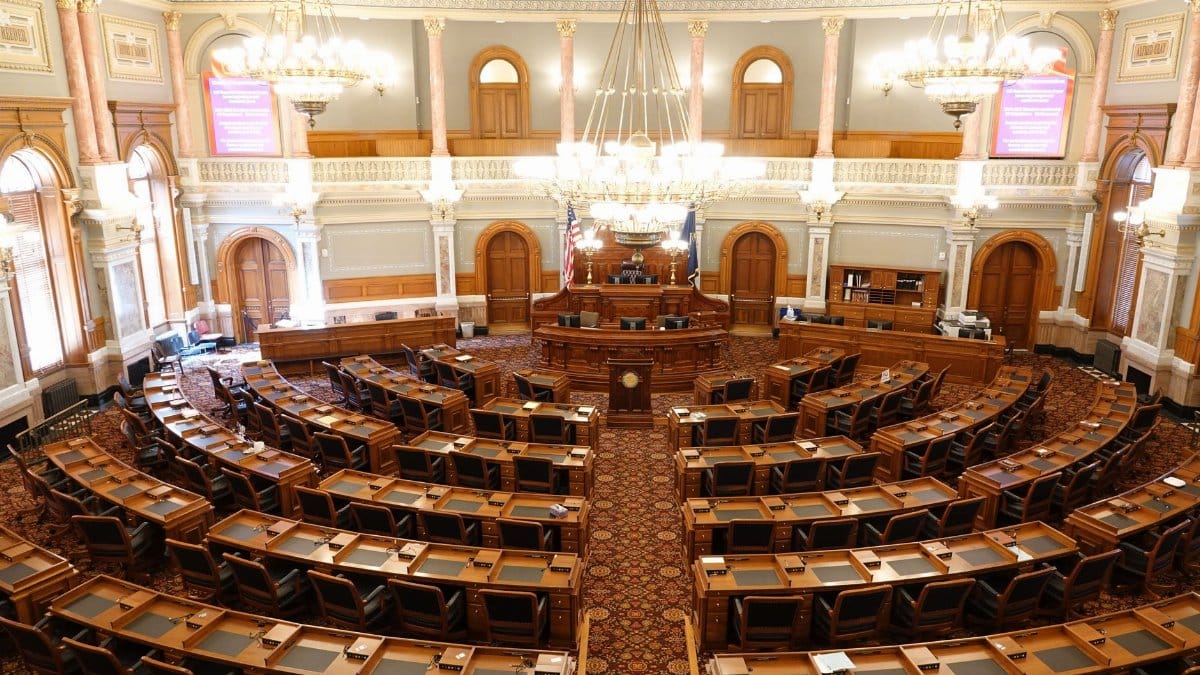
Lawmakers had sought a framework to share costs between insurers utilities and the state treasury. Negotiations collapsed over disputes about caps on claims and funding sources. The absence of new rules has forced companies to adapt existing strategies without fresh legal protections. This outcome echoes previous cycles where ambitious packages dissolved before final votes.
Comparisons to Other Utilities
Neighboring providers have pursued similar undergrounding and sensor installations with varying degrees of success. Some secured steadier support through different policy paths. The experience with PG&E wildfire reforms highlights how one states stalled process can ripple across the sector. Industry groups now track whether momentum builds elsewhere for comparable measures.
Future Policy Prospects

Advocates continue pressing for renewed talks once political conditions allow. Short term adaptations by the utility may inform what elements gain traction in upcoming sessions. Public hearings could surface fresh data on costs and benefits of accelerated work. Observers expect incremental steps rather than sweeping packages in the months ahead.