
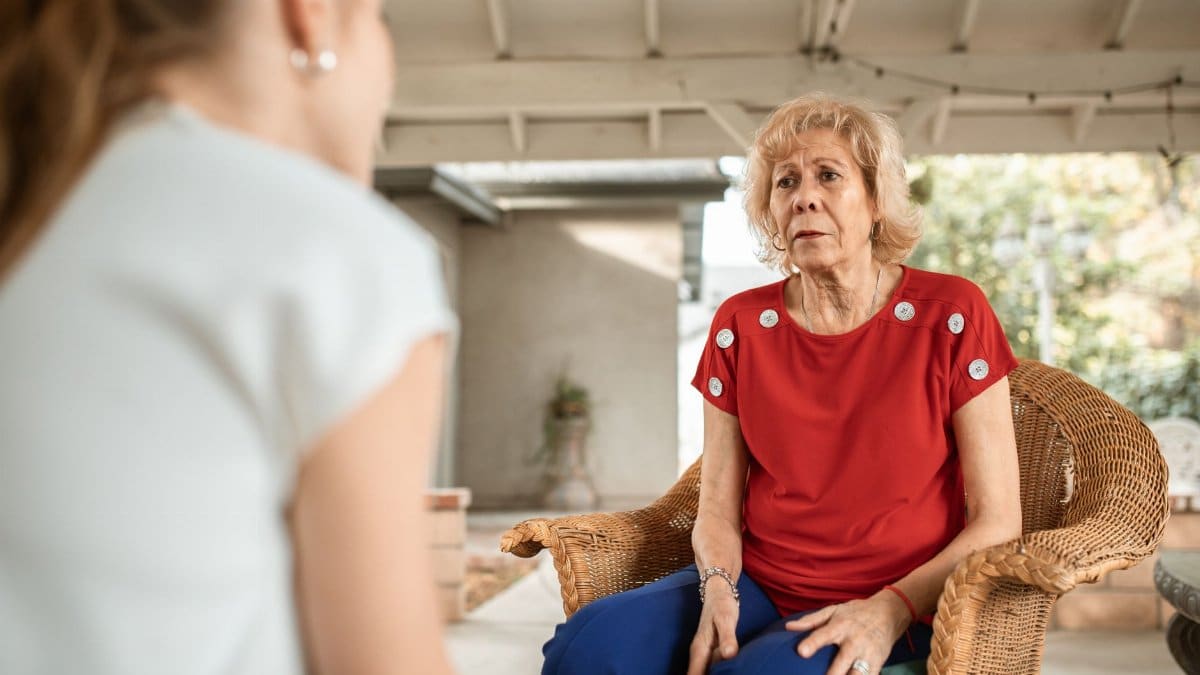
In cities across California older residents often discover that maintaining a large home on a fixed income creates unexpected pressures. Rising property taxes and maintenance demands leave many searching for creative ways to stay in place they love. One approach gaining attention involves senior roommate matching where experienced homeowners open spare bedrooms to younger adults seeking affordable places to live. This arrangement reduces financial strain while fostering daily interactions that combat isolation for everyone involved.
Understanding the housing pressures on older adults

Property values in the Bay Area have climbed steadily over recent decades leaving many seniors with homes they can barely afford to keep. Fixed incomes from retirement accounts rarely keep pace with insurance premiums and utility bills that continue to climb. Programs that connect these residents with compatible renters offer a direct response to those realities without requiring anyone to relocate to unfamiliar settings.
How organized matching services operate today

Local nonprofits screen applicants on both sides of the arrangement to ensure basic compatibility in habits and expectations. Background checks and reference calls form part of the process while interviews help surface shared interests such as gardening or evening walks. Once matches are made staff members provide follow up support to address minor conflicts before they grow larger.
Financial advantages for homeowners
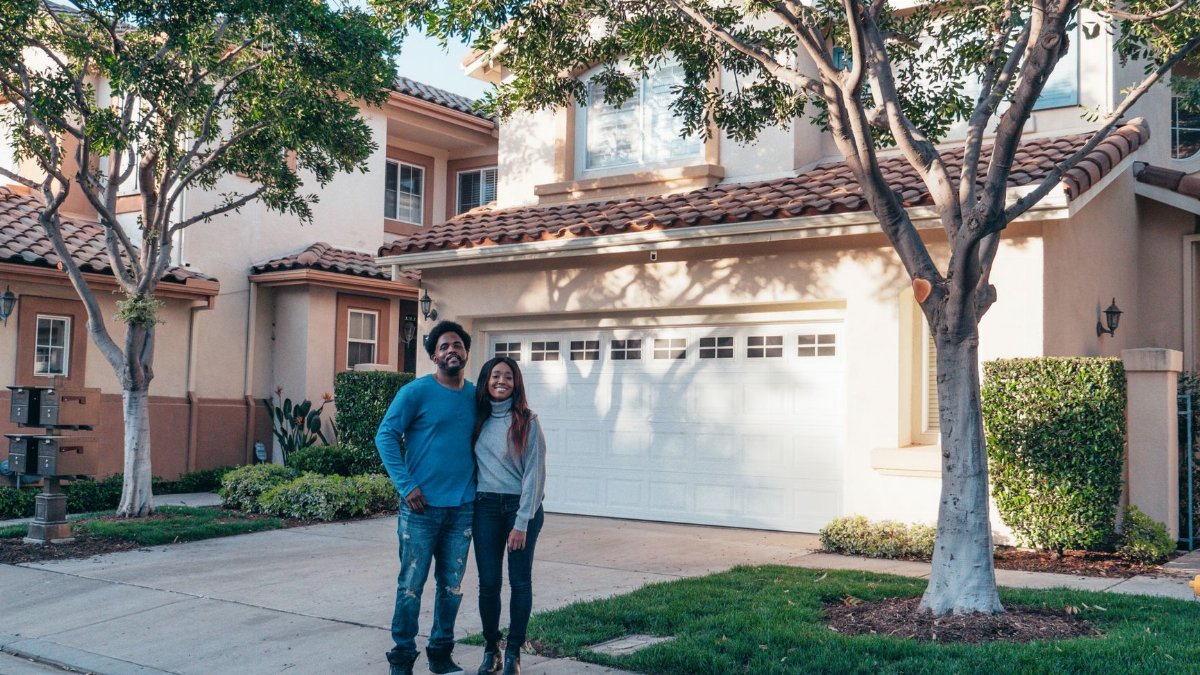
Monthly contributions from a roommate can cover a meaningful portion of property taxes and homeowner insurance. In some documented cases the added income allows seniors to delay selling their homes and moving into smaller units that might not suit their long term preferences. This stability preserves neighborhood ties built over many years.
Benefits experienced by younger participants
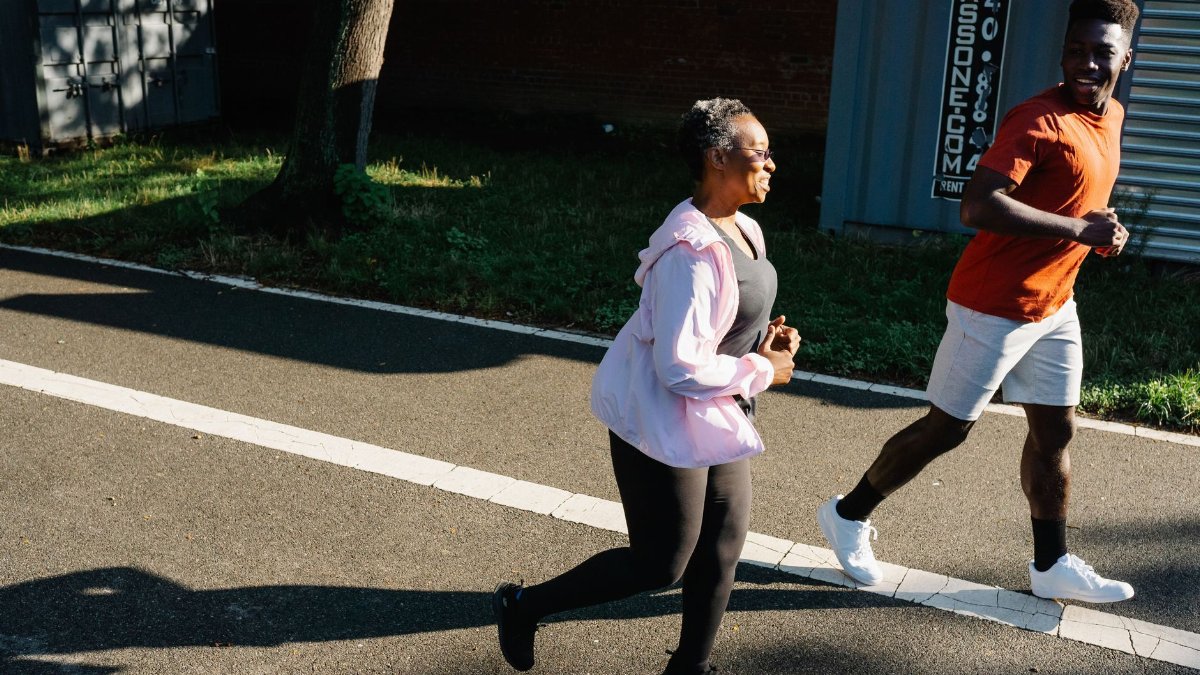
Young professionals and graduate students gain access to housing in desirable locations at rents far below market rates for entire apartments. In exchange they often assist with light household tasks or provide transportation on occasion. The setup creates a form of mutual aid that stretches limited budgets on both ends of the age spectrum.
Addressing concerns about safety and privacy

Thorough vetting procedures reduce many initial worries about inviting strangers into a residence. Clear written agreements outline expectations around shared spaces quiet hours and guest policies. Regular check ins from program coordinators give both parties an outlet to raise issues early.
Expansion plans reaching Los Angeles County

Success in northern California has prompted similar initiatives to launch farther south where housing affordability challenges mirror those seen in the Bay Area. Pilot efforts are underway in several coastal communities with hopes of scaling based on early feedback from participants. State level discussions about funding support have also begun.
Companionship as an unexpected outcome

Beyond the monetary calculations many participants report reduced feelings of loneliness through regular conversations over shared meals. The presence of another person in the home provides a sense of security especially during evening hours. These social connections often extend beyond the household into local community activities.
Looking ahead at broader adoption

As awareness spreads more regions may explore versions of senior roommate matching tailored to local demographics and housing stock. Continued evaluation of existing programs will help refine best practices and identify which elements transfer most effectively to new settings. The model stands as one practical response among several needed to ease statewide housing pressures.