

The sun warms the wooden decks of breweries across Vermont and Massachusetts as locals emerge from winter hibernation. They cluster around tap lines and picnic tables, glasses in hand, faces turned toward the first genuine warmth of the year. Conversations flow easily. Strangers swap tasting notes and stories of the long months behind them. This annual rite has become a quiet marker of hope in New England, where the unveiling of spring beer releases signals that the land, and its people, are waking once more.
These gatherings feel layered with meaning beyond the obvious pleasure of a well made pint. They represent cycles of patience, transformation, and shared anticipation. Brewers who have tended their tanks through freezing months now present the fruits of that labor. For many in the crowd, the first sip carries an almost sacramental quality, a toast to resilience and the return of light. The phenomenon appears at dozens of small and midsized operations from Portland, Maine, to the Berkshires, each adding its own accent to the regional chorus.
A Tradition Rooted In Renewal

Across New England the arrival of spring has long been met with ceremonies both ancient and new. Indigenous communities marked the maple sap run with gratitude. Later settlers celebrated the first greens pushing through soil. Contemporary craft brewers have woven themselves into this continuum. Their spring beer releases function as liquid almanacs, capturing the mood of the season in yeast and grain.
At Hill Farmstead in Greensboro, Vermont, founder Shaun Hill speaks of brewing as a conversation with the surrounding hills. Each batch reflects what the land offers at a particular moment. The beers do not merely accompany spring. They embody it. This approach resonates with middle aged drinkers who find themselves seeking deeper connections to natural rhythms after years of digital distraction and hectic schedules.
Similar patterns emerge at Allagash in Portland and Notch Brewing in Ipswich. Their spring beer releases frequently incorporate foraged botanicals or honey from local hives. The practice echoes older traditions of using what the immediate environment provides rather than importing ingredients from distant shores. In doing so these brewers quietly affirm a spiritual principle: presence in place matters.
Master Brewers Share Their Vision
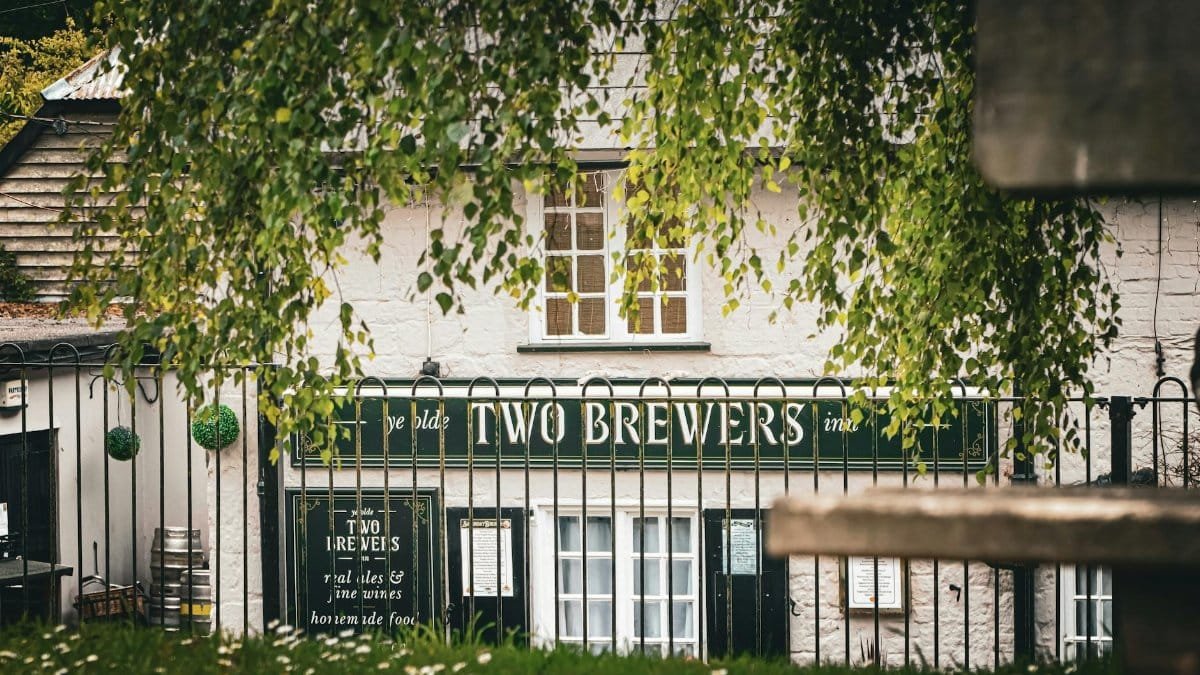
Behind every spring beer release stands a brewer who has spent months imagining flavor combinations while snow still covered the ground. Many describe the creative period as meditative. They experiment, wait, taste, adjust, and wait again. The rhythm mirrors spiritual disciplines that emphasize patience and attentive observation.
Jen and Todd Bellmyer of Throwback Brewery in North Hampton, New Hampshire, view their process through the lens of stewardship. Their spring offerings often highlight organic grains grown by neighboring farms. The couple sees each beer as a bridge between consumer and soil. When drinkers choose these releases they participate, however modestly, in supporting a more harmonious relationship with the earth.
Other brewers speak of emotional arcs. One Massachusetts producer described the moment a tank finally reaches perfection as unexpectedly moving. After weeks of careful monitoring the beer becomes itself. That transition from potential to finished product carries echoes of personal growth narratives familiar to readers navigating midlife questions of purpose and legacy.
The Role Of Local Ingredients

New England spring beer releases increasingly tell stories of particular meadows, forests, and farms. Brewers forage ramps, spruce tips, and wild yeast. They malt barley grown in nearby fields. These choices do more than provide novelty. They root the drink in a specific geography and season.
At Maine Beer Company the team maintains close relationships with hop growers who farm within a few hours drive. The resulting spring beer releases carry bright, resinous qualities that evoke the evergreen forests surrounding the brewery. Drinkers report that the beers taste like the place itself, an experience that satisfies a hunger for authenticity in an increasingly homogenized world.
This emphasis on locality aligns with broader cultural movements toward mindful consumption. Middle aged consumers in particular appear drawn to products that reflect care for both environment and community. The beers become small daily reminders that choices ripple outward.
Building Community One Pint At A Time

Brewery taprooms during spring release weekends transform into informal town squares. Families spread blankets on lawns. Adult children introduce parents to new styles. Old friends reconnect after winter isolation. The atmosphere feels gently celebratory rather than chaotic, reflecting the contemplative mood many bring to the season.
Organizers report that these events have become important social infrastructure. In rural areas where traditional gathering places have dwindled, breweries fill the gap. They host musicians, poets, and local speakers. The spring beer releases serve as both centerpiece and excuse for people to practice the art of being together without agenda.
Several brewers intentionally design events that welcome all ages. Non alcoholic options and family friendly hours allow parents to participate without compromising their values. This inclusive spirit mirrors spiritual communities that seek to embrace the whole person within a supportive circle.
Mindfulness And The Art Of Brewing

Some New England brewers have begun articulating their work in explicitly contemplative terms. They speak of fermentation as a lesson in surrender, since yeast ultimately decides much of the outcome. Others maintain tasting journals that read like gratitude lists. The parallel to mindfulness practices popular among midlife audiences feels natural rather than forced.
At a small operation outside Brattleboro, Vermont, the brewer begins each shift with a brief quiet period beside the tanks. He asks the beer what it needs. While the language may sound unusual to outsiders, the underlying posture of attentive respect produces consistently remarkable results. Customers describe the spring beer releases from this brewery as unusually balanced and somehow calming.
This mindful approach appears to be spreading. More operations now offer guided tasting sessions that encourage drinkers to slow down and truly notice aromas, flavors, and personal responses. The format transforms casual consumption into a richer sensory experience that nourishes both body and spirit.
Environmental Stewardship In The Craft

Contemporary brewers face the reality that beer production requires significant resources. Many New England operations have responded by integrating sustainability into their core philosophy. Solar arrays power brew houses. Spent grain becomes bread or animal feed. Water is recycled with care. These practices inform the story behind each spring beer release.
Consumers respond warmly to this transparency. A 2023 study by the Brewers Association found that forty seven percent of craft beer drinkers over forty consider environmental impact when making purchases. The organization detailed its findings at https://www.brewersassociation.org/statistics/environmental-sustainability/. Such data suggests these spring beer releases satisfy multiple longings at once: for flavor, for connection, and for participation in solutions.
Smaller breweries often lead in innovation precisely because they can adapt quickly. Their efforts demonstrate that reverence for the natural world and commercial success need not conflict.
Experiences That Feed The Soul

Beyond flavor profiles and technical achievement, these events offer something less tangible yet deeply felt. Many attendees describe a lifting of seasonal depression when they first step into a sunlit taproom filled with familiar faces and new beers. The collective exhale after winter carries spiritual weight.
One regular at a Massachusetts brewery spoke of the releases as annual pilgrimages. She plans her route each April with the care others reserve for sacred sites. The journey, the anticipation, the eventual first sip, all form a personal ritual that helps her feel reintegrated into the flow of life.
Such testimonies appear repeatedly across the region. They suggest that spring beer releases have quietly assumed a role once filled by church suppers and town meetings, providing rhythm, connection, and a sense of belonging larger than the individual.
Looking Toward Brighter Days

As glasses clink and laughter rises, participants seem to carry a shared understanding. The darkest months have passed. Longer days lie ahead. The beers, carefully coaxed into existence through winter, now sparkle with promise. Their presence reassures everyone that effort and time can transform hardship into something worth celebrating.
Brewers themselves report feeling renewed by the response. Months of solitary work culminate in these lively gatherings where their creations spark joy and conversation. The exchange of energy feels reciprocal and sustaining.
The pattern repeats each year yet never grows stale. Instead it deepens, much like any meaningful spiritual practice. With each spring beer release New Englanders affirm their resilience, their creativity, and their commitment to finding beauty in the ordinary miracle of another turning season.
Those planning to attend future events might consider arriving early to secure a quiet corner for their first sip. They may also take time to speak with the brewers, whose knowledge often extends far beyond technical details into matters of philosophy and land stewardship. The experience rewards both the curious mind and the open heart.
In the end these spring beer releases represent far more than beverage launches. They function as vessels for memory, hope, and human connection in a region that has always understood the sacred importance of marking time together. As another winter fades, countless glasses will rise in quiet tribute to the green world returning and to the hands that helped translate its gifts into liquid form.