
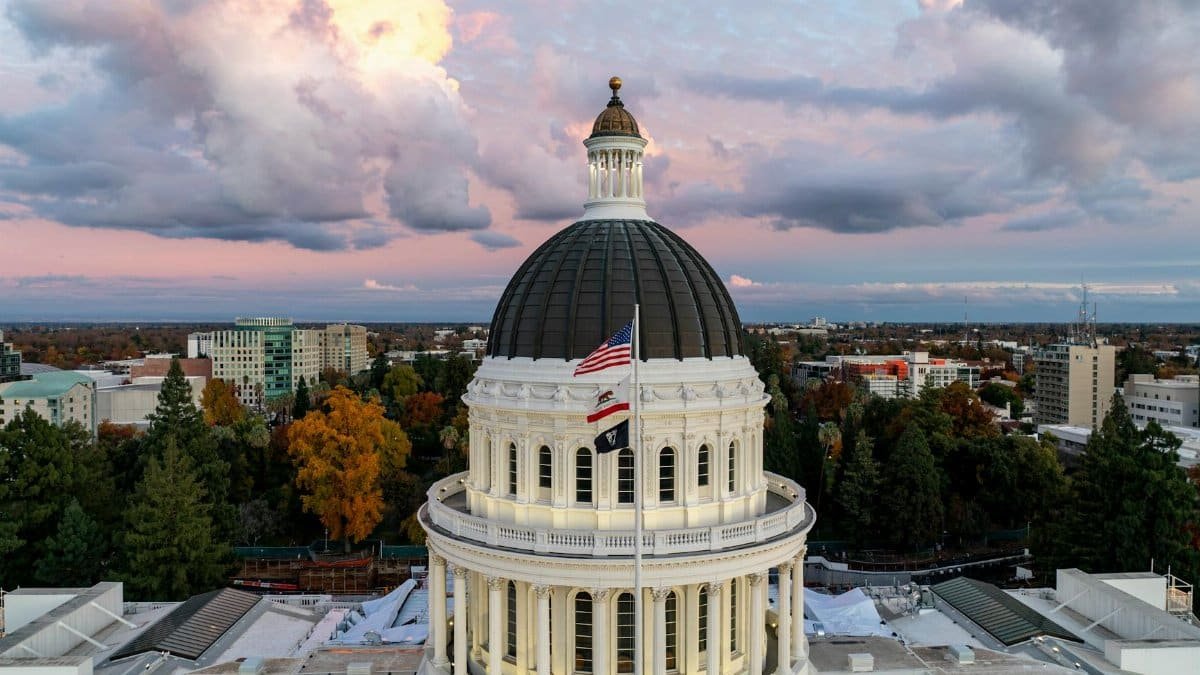
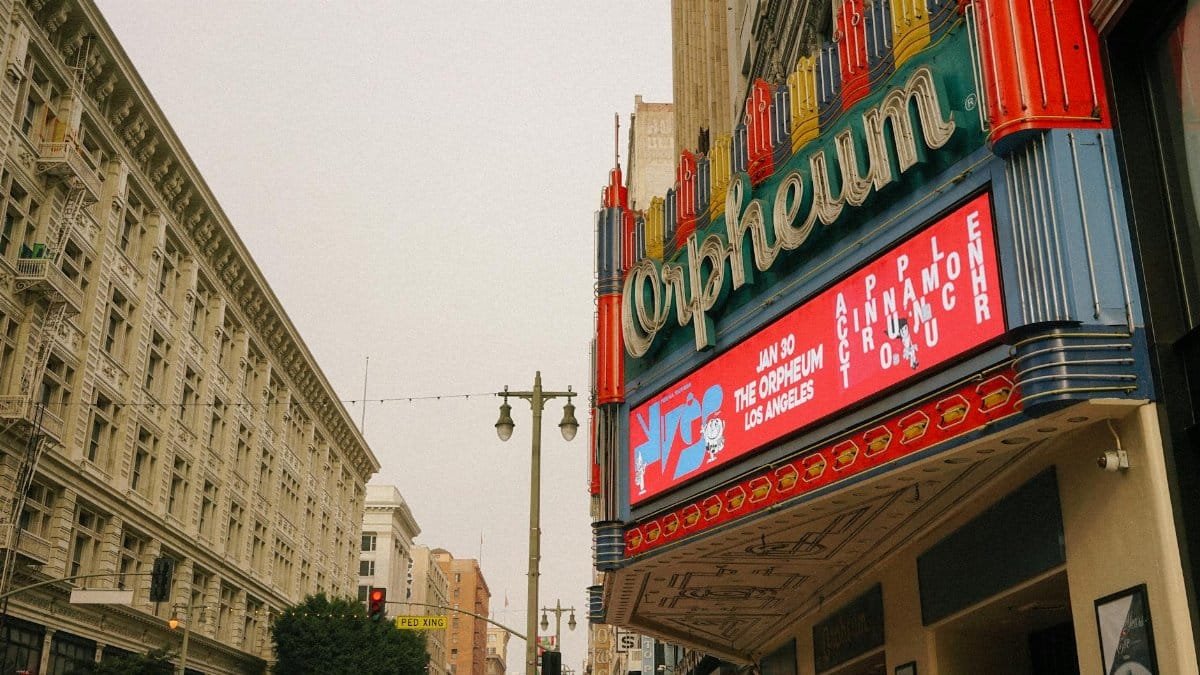
The lights in the Los Angeles auditorium flickered as tension thickened the air. Two candidates stood at podiums trading pointed accusations about housing shortages wildfires and the cost of living. What many hoped would be a thoughtful discussion instead produced audible groans and boos from the audience. The governor debate laid bare the raw frustrations coursing through California politics today.
The Scene Inside The Los Angeles Auditorium
Rows of folding chairs filled with voters from every corner of the state created an atmosphere thick with expectation. Older residents who remembered better days sat beside young professionals struggling with rent. When one candidate suggested drastic cuts to state programs the first wave of disapproval rippled through the crowd. A woman in the third row shook her head while her neighbor muttered disapproval loud enough for nearby microphones to catch. Organizers had prepared for spirited conversation yet the intensity surprised even seasoned political observers. The debate hall which had hosted countless community events suddenly felt like a pressure cooker of competing visions for California future.
Why The Crowd Turned Vocal
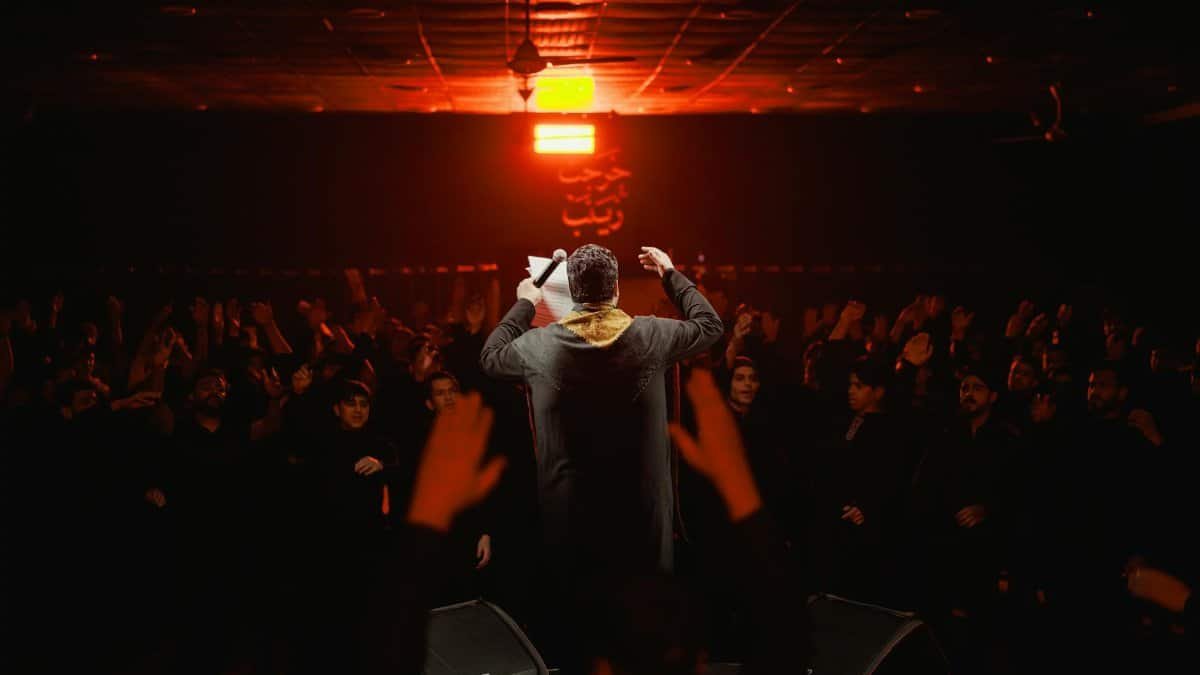
Audience reactions revealed more than simple disagreement. Groans emerged when candidates dodged direct questions about water policy. Boos followed claims that current leadership had ignored middle class families. These were not coordinated protests but spontaneous expressions of long simmering discontent. Many attendees later told reporters they felt invisible in Sacramento decision making. Their vocal responses served as a reminder that Californians carry deep emotional investments in state governance. The reactions also highlighted how personal economic pressures have transformed public events into outlets for collective anxiety.
Core Issues That Divided The Candidates
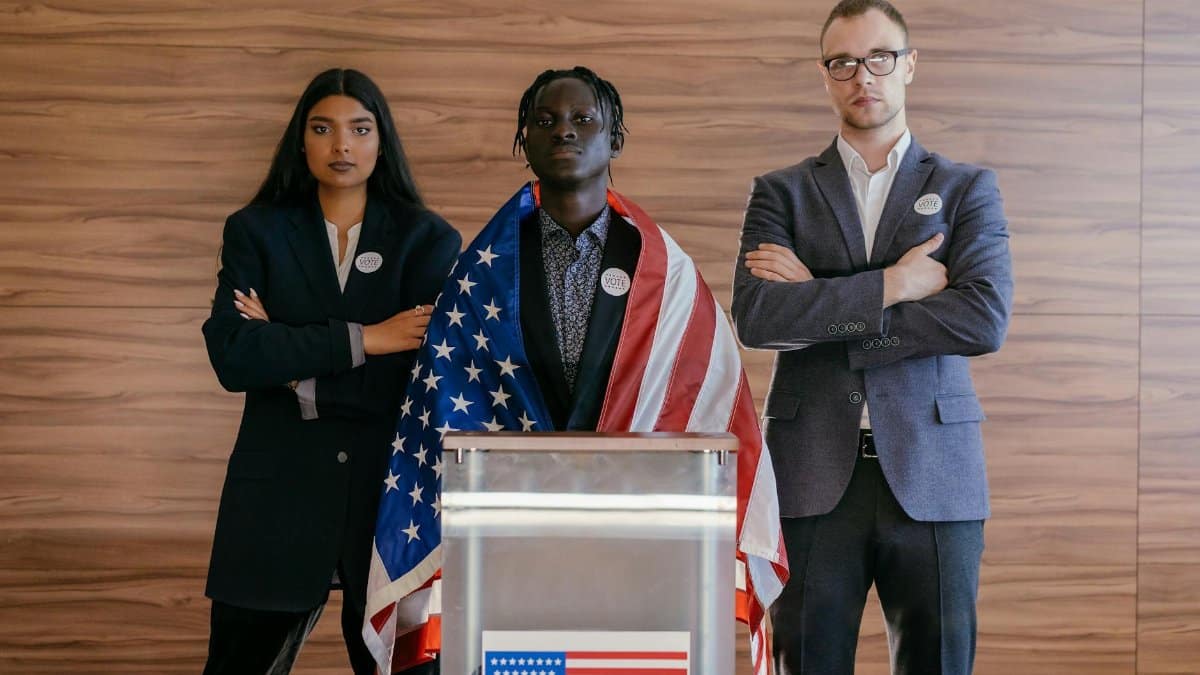
Housing emerged as the clearest point of conflict. One candidate pushed for aggressive new construction mandates while the other emphasized community protections against overdevelopment. Climate adaptation strategies produced equally sharp differences with contrasting views on forest management and coastal infrastructure. Education funding proposals revealed philosophical divides about resource allocation. Throughout these exchanges neither side seemed willing to concede any ground. The governor debate thus served as a microcosm of larger battles playing out in neighborhoods and boardrooms across the state. Voters seeking clear solutions left with more questions than answers.
A Look Back At Past California Debates
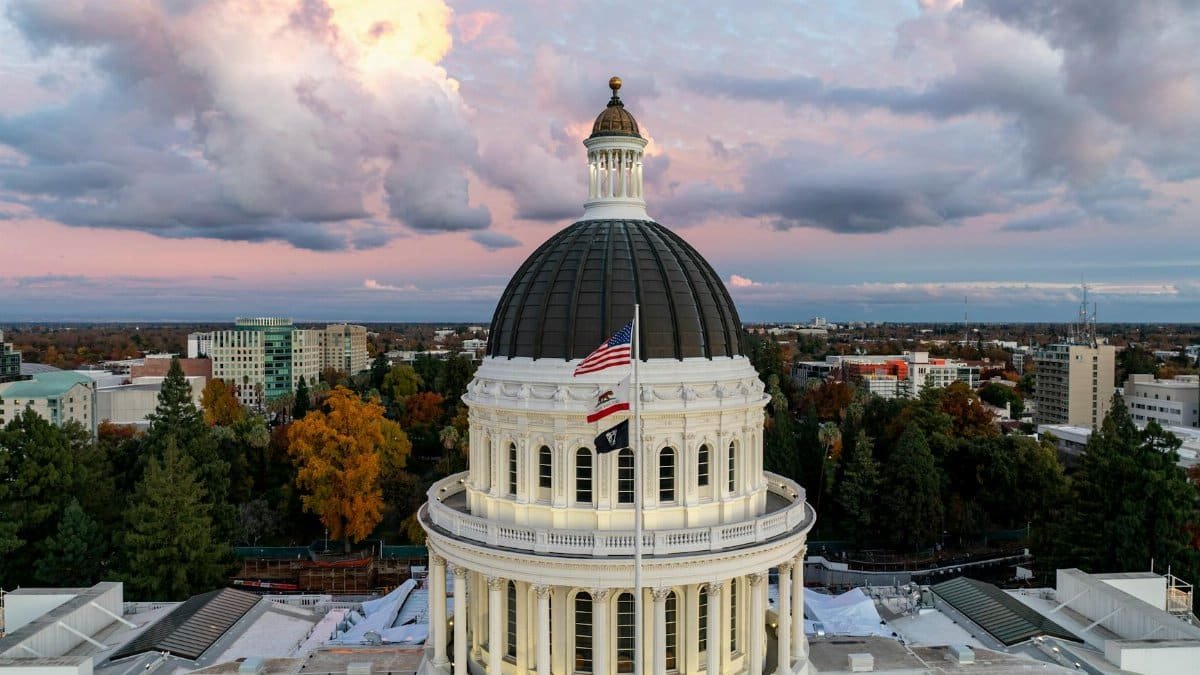
California has witnessed contentious political exchanges before. Previous cycles featured dramatic moments that shifted voter sentiment in surprising ways. Yet this latest encounter stood out for the sheer volume of audience participation. Historical reviews show that public participation in such forums has grown more expressive over time. Citizens no longer content to remain silent observers now demand immediate accountability. This evolution reflects broader changes in how Americans engage with democratic processes. The current atmosphere suggests deeper shifts in trust between elected officials and those they serve.
The Impact On Voter Perceptions
Initial polling conducted in the debate aftermath indicated mixed reactions. Many independents expressed disappointment at the tone while partisan supporters claimed victory for their preferred candidate. Focus groups revealed widespread concern about the lack of constructive dialogue. One participant in her late fifties captured the prevailing sentiment when she noted that solutions seemed secondary to scoring points. These perceptions matter because they influence turnout and engagement in the months ahead. The governor debate may have solidified existing loyalties but it also risked alienating those seeking practical governance over theatrical confrontation.
Ethical Questions Raised By The Exchanges

Beyond policy specifics the evening touched on deeper moral considerations. When candidates misrepresented each others records audience members expressed clear disapproval. The willingness to stretch facts for advantage raised questions about integrity in leadership. Many middle aged Californians watching at home or in the auditorium wondered about the values guiding those who seek to govern. In an era of declining trust in institutions such moments carry particular weight. The ethical lapses on display mirrored larger societal conversations about honesty and accountability in public life.
Trends In Spiritual And Political Engagement
Across California and the nation observers note growing interest in connecting political choices with deeper values. Faith communities have increasingly engaged in discussions about moral leadership and the common good. Some congregations organized watch parties for the governor debate followed by reflection sessions on civic responsibility. This intersection of spiritual seeking and political awareness represents an important trend. Many middle aged Americans report feeling unmoored by partisan conflict and are looking for frameworks that emphasize compassion justice and stewardship. The booing and groaning in Los Angeles may reflect not just policy disputes but a hunger for leadership that speaks to the human spirit.
How The Media Framed The Event

News coverage in the days following emphasized the dramatic audience reactions. Outlets highlighted the groans and boos while giving varying degrees of attention to the actual policy proposals. Social media amplified the most contentious moments turning brief exchanges into viral content. This framing risks reducing complex governance challenges to entertainment. Responsible journalism must balance the theatrics with substantive examination of the ideas presented. How media organizations choose to present such events shapes public understanding and ultimately influences democratic health.
Paths Toward More Civil Discussions

Despite the discord glimmers of hope emerged. Several audience members approached candidates afterward seeking genuine conversation. Community leaders have called for new formats that encourage listening over theatrical confrontation. Some suggest town hall meetings with strict ground rules and skilled moderators. Others advocate for citizen assemblies where everyday Californians wrestle with policy choices together. The path forward requires commitment from both officials and voters to model respectful engagement even amid profound disagreement. Creating space for civil discourse remains essential for democratic functioning.
Preparing For What Comes Next In State Leadership
As California moves toward future elections the lessons from this governor debate deserve careful consideration. The visible frustration of the audience signals urgent need for authentic engagement with voter concerns. Leaders who can combine policy competence with ethical clarity may find receptive audiences. The state faces serious challenges that demand collaborative solutions rather than continued division. Middle aged Californians who form the backbone of many communities particularly seek stability and practical progress. Whether the political system can deliver such outcomes remains an open question that future debates must address with greater seriousness.
The evening in Los Angeles will be remembered less for specific proposals than for the emotional responses it generated. Those groans and boos carried the weight of accumulated disappointments and unmet expectations. Yet they also demonstrated that Californians remain passionately invested in their states direction. The governor debate ultimately reflected a citizenry that refuses to be passive about its future. As the campaign season continues the real test will be whether candidates can transform this passion into productive dialogue that serves the common welfare. The audience that night made clear their demand for something better than what they witnessed.