
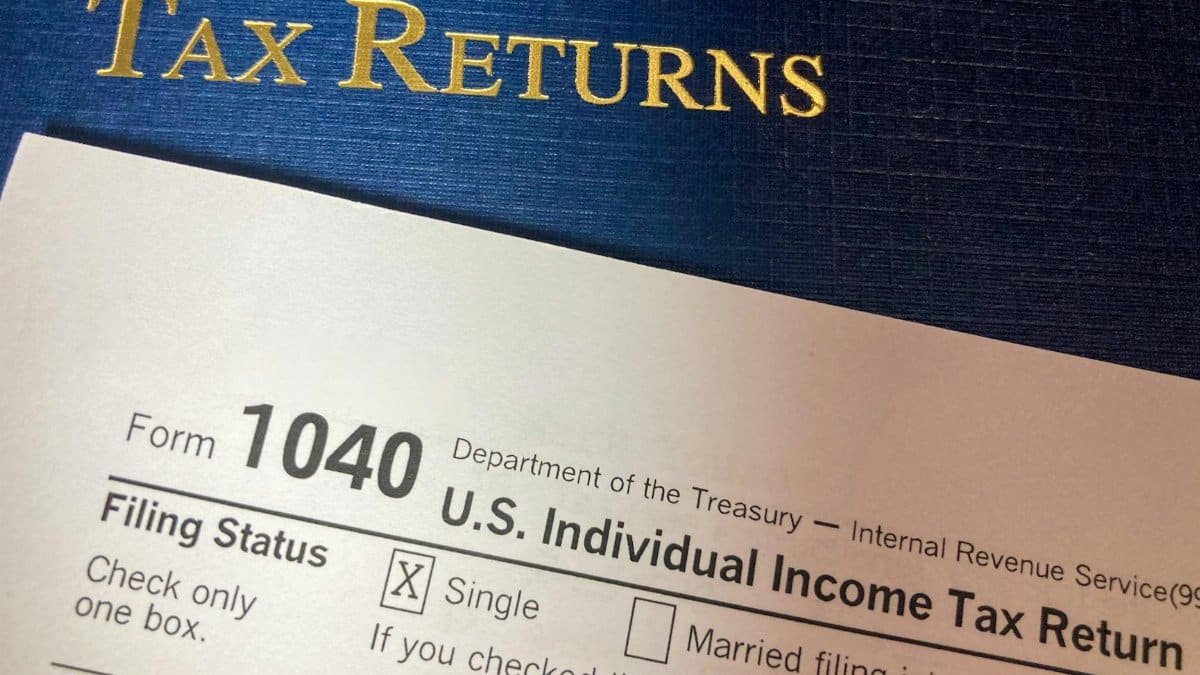
In a packed Chicago courtroom last week, Cook County Tax Commissioner Samantha Steele heard the words every defendant hopes for but few in her position receive. After weeks of testimony, legal maneuvering and intense public scrutiny the jury delivered a complete acquittal on all DUI charges. The Samantha Steele trial, which had become a local obsession, concluded with a verdict that surprised even some courtroom observers and raised fresh questions about justice, leadership and the possibility of moving forward after public accusation.
Steele, who has served as tax commissioner since 2019, faced charges stemming from a late night traffic stop in January. Prosecutors alleged she operated a vehicle while impaired. Yet from the first day of testimony the case appeared to hinge on conflicting accounts, video evidence that proved open to interpretation and questions about standard field sobriety testing procedures. The not guilty finding on every count allows her to return to her duties overseeing property tax collection for more than five million residents without interruption.
What makes this outcome noteworthy extends beyond the legal result. For many middle aged residents of Cook County who have watched local government scandals accumulate over decades, the trial became a quiet referendum on how society balances accountability with compassion. The verdict invites reflection on whether public officials deserve the same presumption of innocence granted to ordinary citizens or whether their positions demand a different standard.
The case also surfaces deeper themes of human fallibility and the possibility of restoration. In an era when spiritual leaders increasingly speak about grace in public life, the Samantha Steele trial offers a concrete example of a system that ultimately chose not to define a person by her worst alleged moment.
The Courtroom Atmosphere on Verdict Day
Those present described a heavy silence as the jury foreperson stood to speak. Steele remained composed, her hands folded on the defense table. When the first not guilty declaration came, a single sob escaped from the commissioner’s sister seated in the front row. The judge thanked the jurors for their service and the case ended as abruptly as it had begun months earlier.
Outside the courthouse a small group of supporters held signs reading “Truth Prevails.” Others, more skeptical, spoke to reporters about lingering questions even in the absence of a conviction. The divided reaction mirrored wider societal tensions about whether legal innocence fully restores public trust.
Legal analysts noted that DUI cases against public figures often carry extra weight. Jurors must separate the person from the office. In this instance they apparently concluded the evidence simply did not meet the required burden of proof beyond reasonable doubt.
Understanding the Original Allegations
The events trace back to a single vehicle stop on Lake Shore Drive. According to the arresting officer, Steele exhibited several indicators commonly associated with alcohol impairment. Yet cross examination revealed that the officer had not activated his body camera until several minutes into the interaction, creating a gap in contemporaneous documentation that defense attorneys skillfully exploited.
Blood draw results, which typically serve as the strongest evidence in such matters, became the subject of vigorous debate. Defense experts highlighted chain of custody questions and suggested possible contamination at the processing lab. Prosecutors pushed back but appeared unable to close every loop to the jury’s satisfaction.
Throughout the proceedings Steele maintained her composure. She did not take the stand, a decision many viewed as strategically sound given the political dimensions of the matter.
Defense Strategy That Secured Acquittal

Steele’s legal team built their case around reasonable doubt rather than outright denial. They presented meteorological data showing unusually cold temperatures that night which can affect balance and pupil response. Medical testimony introduced the possibility of an undiagnosed inner ear condition that might explain certain physical observations.
Perhaps most effectively, the defense called into question the reliability of standardized field sobriety tests when administered on the shoulder of a busy highway at night. Expert witnesses cited multiple studies suggesting these assessments produce false positives in roughly one quarter of sober individuals under imperfect conditions.
One notable link to research on this topic comes from the National Highway Traffic Safety Administration itself, which has acknowledged limitations in real world application of these tests. (https://www.nhtsa.gov/sites/nhtsa.gov/files/documents/sfrl_dwi.pdf)
Prosecutors Face an Uphill Battle

Assistant State’s Attorney Marcus Chen built a straightforward narrative but encountered obstacles at every turn. The absence of visible damage to Steele’s vehicle weakened suggestions of reckless operation. No field sobriety video existed from the initial moments of the stop. Perhaps most damaging, the arresting officer acknowledged under questioning that he had referred to Steele’s position as tax commissioner multiple times before administering tests, raising questions about potential bias.
Chen chose not to call several potential witnesses whose testimony appeared likely to introduce additional inconsistencies. That decision drew criticism from some legal observers who felt the prosecution presented a streamlined but ultimately incomplete picture.
Community Voices and Spiritual Perspectives

Local faith communities responded to the Samantha Steele trial with notable nuance. Several Chicago area pastors used the case in sermons about judgment and mercy without taking explicit positions on guilt or innocence. Reverend Marcus Williams of Trinity United Church of Christ told his congregation that “true justice requires both truth and the possibility of redemption.”
Support also emerged from unexpected places. A coalition of women leaders in government issued a statement emphasizing that women in power face heightened scrutiny in legal matters, citing academic research on gender bias in political scandals. (https://www.brookings.edu/articles/gender-bias-in-political-scandals/)
Yet not all reactions leaned toward forgiveness. Some taxpayer advocacy groups expressed disappointment, arguing that even the appearance of impropriety should carry professional consequences for someone entrusted with public funds.
The Spiritual Lens on Public Redemption

Beyond the legal arguments, the trial touched on profound questions about human dignity and the capacity for growth. In spiritual traditions both Eastern and Western, the concept of transformation after failure occupies central importance. The verdict in the Samantha Steele trial appears to leave space for exactly that possibility.
Steele has not spoken extensively about personal faith. However, in previous public addresses she has referenced the importance of compassion in governance, a value many faith traditions hold dear. Her acquittal creates an opening for her to demonstrate through future service whether those stated values can guide practical leadership.
Scholars of religion and politics note that American society often applies a strange mix of puritanical judgment and redemptive hope when evaluating leaders. This case seems to have followed the latter path.
Impact on Cook County Operations

During the months of legal proceedings Steele continued many of her official duties remotely. Property tax appeals processing experienced minor delays but nothing approaching crisis. Her deputy commissioner received generally positive reviews for maintaining stability.
Now fully exonerated, Steele faces the challenge of rebuilding confidence among county board members and the public. Early signals suggest she intends to pursue several transparency initiatives that were already in development before the legal matter arose.
County Board President Toni Preckwinkle offered a carefully worded statement acknowledging the verdict while emphasizing the office’s critical role in responsible financial stewardship.
What Legal Experts Are Saying
Prominent defense attorney Laura Kensington, who has represented several high profile clients in similar matters, described the outcome as “a textbook example of the system working when evidence contains meaningful gaps.” She cautioned however that acquittal does not equal vindication in the court of public opinion.
Former federal prosecutor David Morales took a different view. In an interview he suggested the case never should have been brought given the evidentiary weaknesses. “We expect perfection from our public servants,” Morales noted, “but we must apply the same rules of evidence we use for everyone else.”
Both perspectives reflect the complicated reality public officials navigate when legal matters arise.
Steele’s First Public Statement
In a brief news conference following the verdict, Steele expressed gratitude to her legal team, family and supporters. She declined to criticize the prosecutors or the officer involved, choosing instead to focus on resuming her work on behalf of Cook County residents.
“This experience has strengthened my commitment to fair and transparent governance,” she said. “Every person deserves the opportunity to be judged by the totality of their service rather than a single contested moment.”
Her measured tone appeared designed to promote healing rather than declare victory. Whether that approach will succeed remains to be seen as county politics resume their normal intensity.
Broader Questions About Leadership Standards

The Samantha Steele trial ultimately raises uncomfortable questions about the standards we apply to those who hold power. Should elected and appointed officials face higher bars for personal conduct than private citizens? At what point does protection of public trust become weaponized character assassination?
These debates extend beyond party lines. Middle aged Americans across the political spectrum have watched too many promising leaders destroyed by allegations that later prove exaggerated or entirely false. At the same time, genuine misconduct sometimes hides behind legal technicalities.
Finding the proper balance requires wisdom, discernment and a willingness to examine our own motives when we rush to judgment.
A Path Toward Restored Trust

As Steele returns to her office, the real test begins. Words about renewed commitment must translate into concrete actions that demonstrate competence and integrity. The coming months will reveal whether the acquittal marks merely a legal victory or the beginning of a more authentic chapter of public service.
For Cook County residents the case offers an opportunity for collective reflection. In our desire for ethical leadership, are we cultivating environments where growth remains possible? Or have we created standards so unforgiving that only the most carefully guarded personalities can survive?
The spiritual traditions many of us claim to value emphasize both justice and mercy. The verdict in this matter appears to have made space for the latter without fully abandoning the former. Whether that balance proves sustainable will depend not only on Samantha Steele but on all who watch and judge her future conduct.
The courtroom lights have dimmed. The jury has spoken. Now comes the harder work of rebuilding what accusation inevitably damages even when innocence finds its voice.