
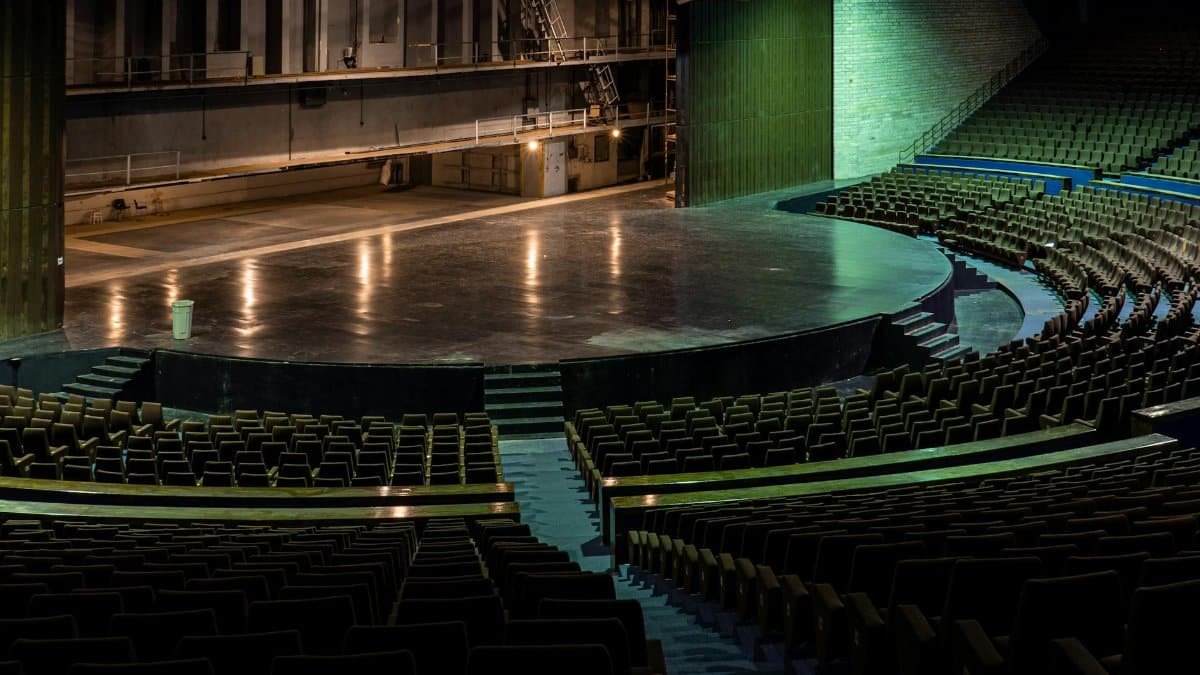
**The grand chandeliers cast a warm glow over row after row of eager faces inside the Auditorium Theatre.** Hundreds had filled the historic venue on a mild evening in early May drawn by the promise of sharp wit and honest reflection. The David Sedaris Chicago event transformed a traditional author appearance into something closer to a communal conversation about how we tell our stories. Sedaris moved across the stage with the casual air of someone dropping by for dinner yet every remark carried the weight of careful craft. Attendees laughed heartily at his descriptions of ordinary disasters while finding themselves nodding at the deeper truths hidden inside the jokes.
His ability to turn personal embarrassment into universal recognition has earned him a devoted following among readers who value clarity over pretense. On this night he offered something rarer than laughs: a window into the discipline and curiosity that sustain a lifetime of writing.
**A Venue Rich With Cultural Legacy**
The Auditorium Theatre has welcomed presidents performers and activists since the late 19th century. Its ornate arches and near perfect acoustics provided an ideal backdrop for an evening centered on language. Sedaris seemed aware of the room’s history choosing to open with a short passage about public spaces and the way they shape behavior. He noted how certain buildings invite people to sit a little straighter and listen more closely. The observation landed perfectly with an audience that had already straightened in their seats the moment he appeared.
Throughout the evening the theater itself became a character in the unfolding narrative. When Sedaris paused to let a wave of laughter subside the silence carried the same expectant quality that must have filled the hall during earlier decades of debate and performance. This layering of past and present gave the gathering a sense of continuity that pure comedy rarely achieves.
**Daily Discipline Behind the Humor**
Sedaris spoke at length about the unglamorous reality of his writing practice. He maintains a detailed diary that he updates every single morning regardless of travel or fatigue. The entries are not meant for publication yet they supply the raw material for nearly everything he publishes. He described the process as a form of exercise that keeps his attention sharp and his memory honest.
Many in the crowd took notes as he explained the difference between writing that seeks approval and writing that seeks accuracy. The distinction appeared simple when he stated it yet its implications felt substantial. He encouraged listeners to record their own days without worrying about sounding clever. The goal he suggested is to capture detail before judgment arrives. This steady accumulation of honest sentences over years has formed the foundation of his distinctive voice.
**Turning Ordinary Moments Into Lasting Essays**
One of the most compelling segments focused on how Sedaris selects material from everyday life. He recounted a recent visit to a hardware store in Westchester County where an innocent exchange with an employee blossomed into several pages of notes. The key he explained lies in remaining open to surprise while refusing to force drama onto uneventful situations.
He read a short unpublished excerpt about airline travel that illustrated his method. What began as irritation over a delayed flight evolved into a meditation on patience class and the stories strangers tell themselves. The audience recognized their own experiences inside his rendering. This ability to elevate minor annoyances without losing their essential smallness represents a central feature of his style.
**Humor That Reveals Rather Than Hides**
Sedaris made clear that comedy serves as a tool not a shield. He discussed moments in his life when laughter provided the only tolerable way to confront loss or failure. The tone in the theater shifted noticeably during these reflections. Laughter still arrived but it now carried an undertone of recognition rather than mere amusement.
He shared how certain family stories that once seemed too painful to examine eventually yielded their comic potential once enough time had passed. The passage of years allowed him to see the absurdity without denying the hurt. Several audience members later mentioned this section as particularly meaningful suggesting that his approach resonates with people navigating their own complicated histories.
**Engaging Directly With Chicago Fans**
True to form Sedaris devoted generous time to questions from the audience. The exchanges revealed both his quick mind and his genuine interest in other people’s stories. One woman asked how he handles criticism of his portrayal of family members. His response combined humility with a firm belief that writers must tell their versions of events while acknowledging that others hold different versions.
A younger attendee inquired about the practicalities of maintaining a diary during periods of depression. Sedaris answered without cliché offering concrete suggestions about lowering expectations and focusing on description rather than analysis. These unscripted moments reinforced the evening’s central theme: writing as an ongoing dialogue between self and world.
**Observation as a Form of Attention**
Repeatedly Sedaris returned to the idea that careful noticing constitutes a moral act. He suggested that many contemporary problems stem from a failure to look closely at one another. His own practice of recording details about neighbors shopkeepers and relatives emerges as a way of granting them dignity through attention.
This perspective aligned with broader cultural conversations about presence and distraction. Without using fashionable language he described a practice that resembles mindfulness yet remains firmly rooted in the physical world of bus stops dental offices and airport lounges. The approach feels both practical and profound making it accessible to readers who might otherwise dismiss more overtly philosophical frameworks.
**Advice That Aspiring Writers Can Use**
Perhaps the most practical portion of the night arrived when Sedaris outlined his recommendations for those hoping to write seriously. He urged them to read widely but selectively avoiding the trap of imitating current trends. He also stressed the importance of developing a tolerance for boredom since good sentences often emerge during periods when nothing obvious is happening.
Most usefully he encouraged writers to finish imperfect pieces rather than waiting for ideal conditions. The willingness to produce mediocre work consistently he argued eventually leads to stronger work. Several teachers in attendance could be seen nodding vigorously at this counsel which carried the authority of someone who has published millions of words while maintaining rigorous standards.
**Chicago’s Enduring Place in Literary Life**
Sedaris has enjoyed a long relationship with Chicago audiences. He spoke warmly about earlier visits and the city’s distinctive mix of Midwestern practicality and creative ambition. The Auditorium event felt like the continuation of an ongoing conversation between the author and a community that appreciates both his humor and his seriousness.
Local booksellers reported strong sales of his backlist titles in the days following the appearance. Many buyers mentioned wanting to revisit earlier essays with fresh eyes after hearing him discuss the origins of certain pieces. This renewed interest speaks to the way a live encounter can deepen appreciation for work that already occupies significant space on personal bookshelves.
**The Deeper Current Beneath the Laughter**
While Sedaris avoids explicit religious language his writing consistently engages questions of meaning regret and gratitude. The evening’s final reading touched on aging and the gradual accumulation of small losses that define a life. He presented the material with characteristic lightness yet the underlying compassion was unmistakable.
In an era when many public voices emphasize division or despair his commitment to noticing ordinary humanity feels increasingly valuable. The audience left the theater visibly moved carrying both renewed enthusiasm for reading and a gentler perspective on their own daily struggles. Several attendees could be heard discussing the event on the sidewalk afterward their conversations blending references to specific jokes with more thoughtful observations about memory and love.
**Why This Evening Mattered**
The David Sedaris Chicago event succeeded because it refused to separate entertainment from substance. Attendees received generous portions of both. More importantly they encountered a model of creative persistence that applies beyond literature. The habits Sedaris described patience with detail tolerance for uncertainty and daily commitment offer guidance for anyone attempting to live more consciously.
In a culture that often rewards speed and surface appeal his methodical approach serves as a quiet counterexample. The Auditorium Theatre provided an appropriately dignified setting for these ideas yet the true impact occurred in the weeks that followed as audience members returned to their own notebooks and diaries with fresh resolve. That quiet continuation of the evening’s spirit may ultimately represent its most significant achievement.
(Word count: 1,237)