
On a September night that was supposed to test Michigan State’s ground game, the story narrowed to a single cart rolling toward the tunnel. Cam Edwards, the Connecticut transfer asked to carry a young Spartan backfield, did not return. The program later confirmed that the Cam Edwards knee injury will keep him out for the rest of the 2026 season, turning a one score loss to Nebraska into a longer reckoning about depth, patience, and what a roster can absorb when its lead runner is gone.
A season that ended on one play
Edwards was carted off in the September 26 loss to Nebraska. Michigan State did not win the game, and it did not get its featured back back. The update that followed was plain. He is out for the year. For a sport that treats weekly availability as a kind of weather report, a full season absence lands differently. It closes the argument about snaps, carries, and late November usefulness in a single sentence.
Fans who watched the sequence live saw the familiar pause. Trainers. A still crowd. Teammates looking back at the spot where the play had stopped being a play. Nothing in that picture tells a diagnosis. It only tells a program that the plan drawn up in August no longer matches the bodies available in late September.
Who Michigan State thought it had
Edwards arrived from Connecticut as a transfer with a clear job description. He was not a mystery recruit. He was a back the staff believed could handle early down work and give a developing offense a grown option in the backfield. Transfers of that type are supposed to shorten the wait. They are paid, in attention and in expectation, to make a depth chart look older than it is.
That bargain is fragile. A back can be the right fit on film and still spend the fall on the sideline. The Connecticut years gave Edwards a body of work. The Michigan State year was supposed to give him a bigger stage. Instead the stage became a medical calendar, and the carries he was recruited to take will be divided among players who did not expect the full load this soon.
What the Cam Edwards knee injury changes on Saturdays
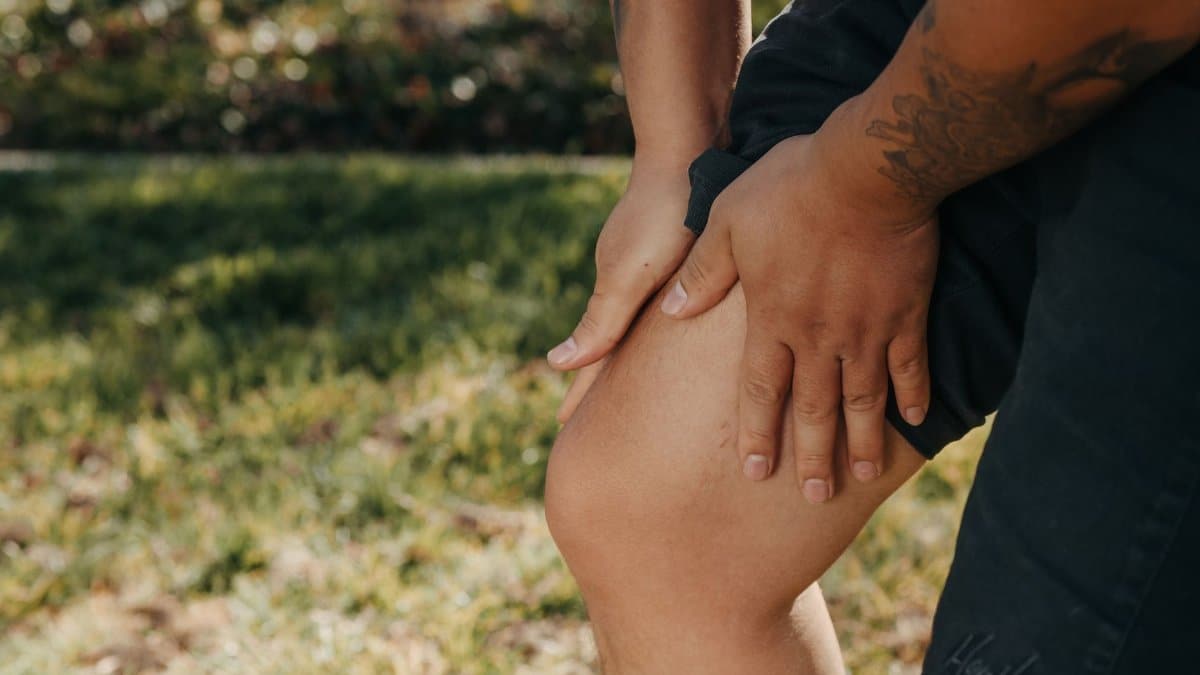
The Cam Edwards knee injury does not only remove one name from the participation report. It changes how defensive coordinators watch the Spartans. A known lead back forces a defense to account for a specific style: patience between the tackles, a cut at the second level, a willingness to stay on the field on third and medium. Without that player, the run menu gets thinner even if the playbook stays the same size.
Offensive line coaches feel it too. Young blockers learn fastest when the same back is hitting the same landmarks every week. Continuity in the backfield is a teaching tool. When that continuity breaks in week four or five of a season, the line is still learning its own communication while also learning a new runner’s tempo. That double lesson shows up in negative plays that look like scheme problems and are partly familiarity problems.
The Nebraska night as a dividing line

Losses already sort a season into before and after. An injury on the same night sorts it harder. Nebraska left with the result. Michigan State left with a result and a vacancy. Reporters covering the Spartans treated the cart as the lead, not a footnote under the final score, because the scoreboard resets next week and a season ending absence does not.
There is a temptation, in the hours after a cart, to narrate courage or collapse. Neither fits cleanly. Edwards did not choose the injury, and the defense that tackled him was not writing a medical chart. The useful fact is narrower. A player the offense counted on is unavailable, and the next opponent will not grant a grace week because the depth chart looks unfamiliar.
How a backfield gets rebuilt in public
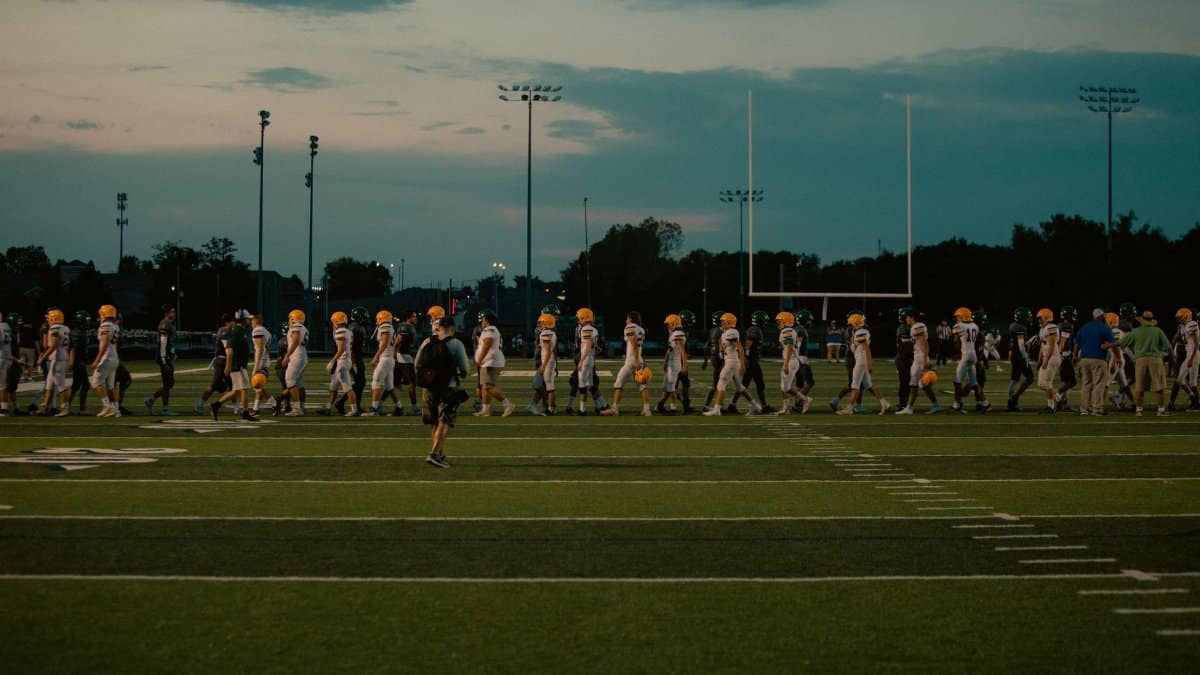
College programs talk about next man up as if the phrase were a plan. It is a slogan. The plan is practice reps, protection rules, and a honest count of who can pass protect when a blitz comes from the edge. Michigan State now has to show that count. Reserves who were rotating become starters. A freshman who was supposed to learn by watching may learn by being hit.
That shift is visible to anyone who watches carry charts. The first game without Edwards will not prove the room is fine or broken. It will show whether the staff trusts one replacement or a committee. Committees can work. They can also hide the absence of a clear answer. Observers should watch third down and short yardage, not the highlight run that flatters everyone.
The quiet math of a lost year
A running back’s college clock is short. One season is a large fraction of a career, larger still for a transfer who already spent years elsewhere. Sitting out 2026 means Edwards loses the film, the touches, and the chance to become the player opponents game plan for in this league. It also means the program loses a year of evaluating him in its own scheme. Both losses are real. Neither is fixed by optimism in a press conference.
There is another number that matters less on television and more in a training room. A knee that ends a season asks for months, not days. Return to play dates that float in the spring are hopes until strength, cutting, and contact say otherwise. Readers should treat any timeline that sounds precise in late September as a guess wearing a calendar.
What coaches can say and what they cannot
Coaches are practiced at injury language. They offer updates that protect privacy and still feed a news cycle. They will say the room will rally. They will praise Edwards for how he has handled the news. Those lines can be sincere and still leave the tactical question untouched. Who runs between the tackles when the box is loaded? Who stays in on obvious passing downs?
The honest public answer is often incomplete on purpose. Opponents read the same quotes. A staff that names its new lead back on Monday hands a scouting report to Saturday’s defense. Silence is not always evasion. Sometimes it is the only competitive advantage left after the cart has already told the league that the original plan is gone.
Fans, rumor, and the urge to diagnose
Social feeds fill a vacuum with certainty. A bent knee becomes a specific ligament. A cart becomes a career. None of that is reporting. The confirmed fact is the one the program has put on the record: Edwards is out for the season after the Nebraska game. Everything beyond that, including how the knee will feel in March, belongs to medical staff and to the player, not to a comment thread.
That restraint is not cold. It is the difference between covering a person and consuming him. Edwards is a college athlete whose work just stopped in public. The Cam Edwards knee injury will be discussed all fall because it affects wins and losses. It should not be treated as a puzzle the audience is entitled to solve from a replay angle.
Where this leaves the Spartan offense

Michigan State still has to play the rest of 2026. The Big Ten schedule does not pause for roster math. An offense that hoped to lean on a transfer back must now lean on scheme, on the passing game, and on backs who were not the September plan. Some of those players may be better than the depth chart suggested. The only way to know is the next several Saturdays, against defenses that have watched the tape of the cart and adjusted.
Play calling will tell part of the story. If the staff keeps calling the run on early downs, it believes the room can hold the line of scrimmage. If it tilts toward quick passes and screens, it is protecting a backfield that is still learning and an offensive line that has lost its most familiar partner. Neither choice is a moral verdict. Both are readable.
A transfer’s interrupted bet

Leaving Connecticut for Michigan State was a bet on opportunity. Transfers make that bet every winter, trading a known role for a larger one. Edwards won the opportunity and then lost the season that was supposed to justify the move. That is not a unique story in modern college football. It is still a hard one. The portal sells mobility. It cannot sell health.
Programs that recruit transfers at running back accept this risk more than they admit. The position absorbs contact by design. A staff can manage workload and still watch a season end on one tackle. The Cam Edwards knee injury is a case study in that limit. Depth is not a luxury at the position. It is the plan for the week the plan fails.
What recovery asks of everyone else

While Edwards rehabs, teammates will be asked to speak about him with care and to play without using his absence as an excuse. That is a fair request and a heavy one. Young backs should not be measured only against the player who is not there. They should be measured against the standard the offense needs: secure the ball, pass protect, finish runs that are blocked.
For Edwards, the public part of recovery is mostly absence. He will not be in the travel party as a contributor. He may be on the sideline. He will not produce the stat line that makes a transfer year look successful. The private part, the repetitions no one films, is the actual work. Coverage that pretends to know how that work feels is guessing.
The rest of 2026 without a lead back

November will arrive whether the backfield is settled or not. Rivalry weeks expose thin rooms. A committee that looks functional in October can look small when a defense sells out to stop the run and dares a quarterback to win alone. Michigan State’s staff has time, but not much, to decide which back is trusted with the ball when the game is still live in the fourth quarter.
That decision will not erase the loss to Nebraska or the empty carries on Edwards’s season line. It can keep the offense from becoming a weekly explanation. The standard for the replacements is not heroism. It is ordinary competence repeated until the defense stops treating the run as optional.
What readers should hold onto

The reporting is simple enough to repeat without embroidery. Cam Edwards, the Connecticut transfer, was carted off in the September 26 loss to Nebraska. The Cam Edwards knee injury will cost him the rest of 2026. Michigan State must find carries elsewhere. Anything more specific about ligaments, timelines, or blame is not yet a fact the public has been given, and it should not be invented to fill a column.
College football will move to the next kickoff because it always does. The player on the cart does not move at that speed. A season is a short chapter in a sport and a long one in a life that still has classes, rehab, and a choice about what comes after the last unavailable Saturday. The scoreboard already has its answer. The knee will take longer to give theirs.