

In Maryland courtrooms, defendants facing charges often endure prolonged confinement while awaiting evaluations that could determine their fitness to stand trial. The backlog has drawn scrutiny from advocates and officials alike, highlighting how psychiatric care delays undermine both public safety and individual rights in ways that ripple through families and communities. Judges issue orders with clear expectations, yet the reality involves extended periods of uncertainty for those in need of assessment and treatment.
Statewide Backlogs Strain Resources

Maryland facilities responsible for mental health assessments report chronic shortages of staff and beds. This shortfall leaves hundreds of individuals in county jails far beyond initial projections. Officials note that demand has risen steadily while capacity has not kept pace, creating persistent bottlenecks in the evaluation process.
Legal Timelines Meet Practical Barriers

State law sets a ten day window for completing court ordered psychiatric reviews, yet compliance remains elusive. Transportation issues, paperwork delays, and competing priorities at treatment centers contribute to the gap between mandate and outcome. Judges express frustration when cases stall without progress reports.
Impact on Defendants and Their Families
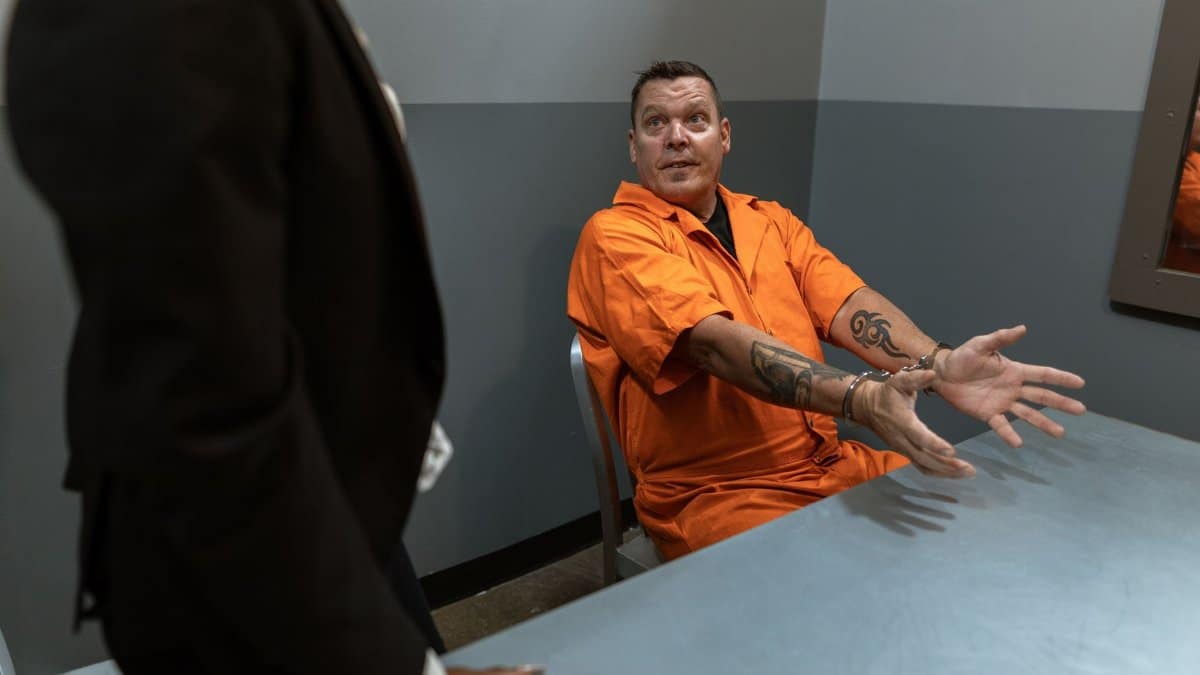
Those held without timely care describe isolation and worsening symptoms during their time in detention. Relatives often travel long distances for brief visits, bearing emotional and financial burdens. Stories emerge of individuals whose conditions deteriorate while they await basic evaluations that might lead to appropriate placement.
Judicial Perspectives on Systemic Shortfalls

Members of the bench have begun voicing concerns during hearings, pointing to repeated continuances tied to unavailable services. Some propose increased funding for community based programs that could divert certain cases before they reach full court involvement. Others emphasize the need for better coordination between health agencies and corrections departments.
Advocacy Efforts Push for Reform

Groups focused on mental health justice have filed complaints and organized public forums to draw attention to the issue. They argue that psychiatric care delays violate principles of due process and humane treatment. Petitions circulate calling for independent audits of the evaluation pipeline and clearer accountability measures.
Comparisons With Neighboring Jurisdictions

States such as Virginia and Pennsylvania have implemented pilot programs that prioritize rapid screening in local clinics rather than centralized hospitals. Early data suggest reduced jail stays and lower costs when assessments occur closer to the point of arrest. Maryland officials have studied these models but cite funding and regulatory hurdles to adoption.
Potential Consequences for Public Safety
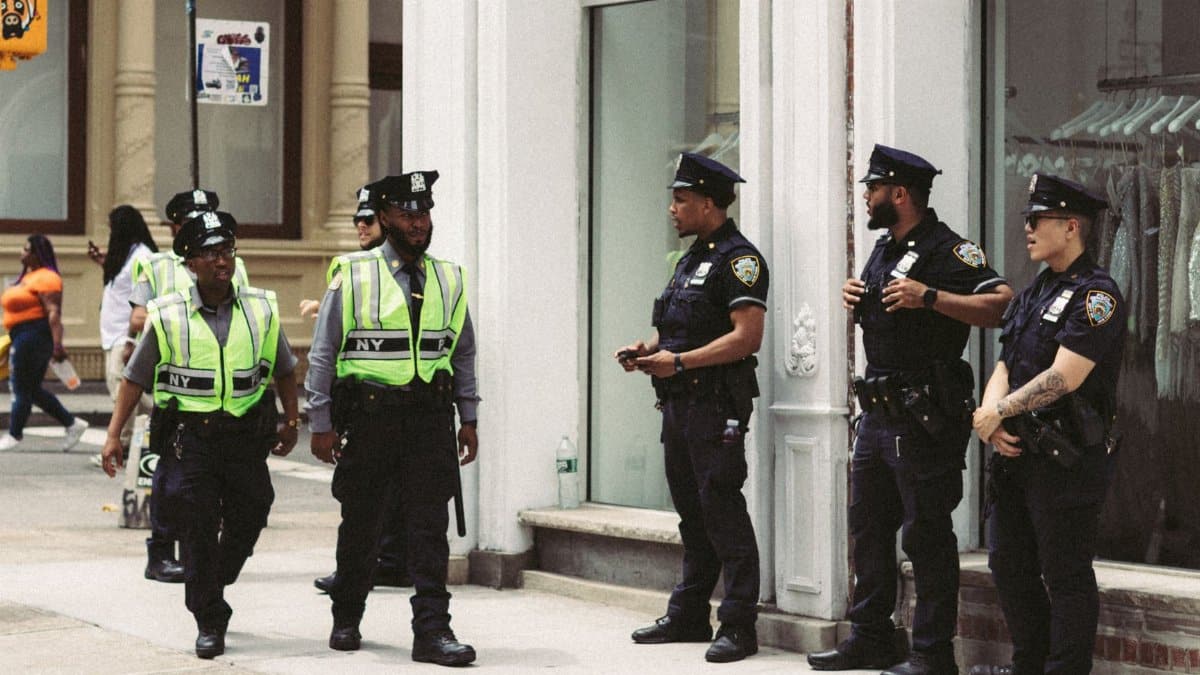
Extended waits can mean untreated individuals return to the community without intervention, raising risks of repeated encounters with law enforcement. Conversely, those stabilized through proper channels show higher rates of successful reentry. The current pattern leaves both outcomes in doubt for many cases.
Funding Priorities and Legislative Options
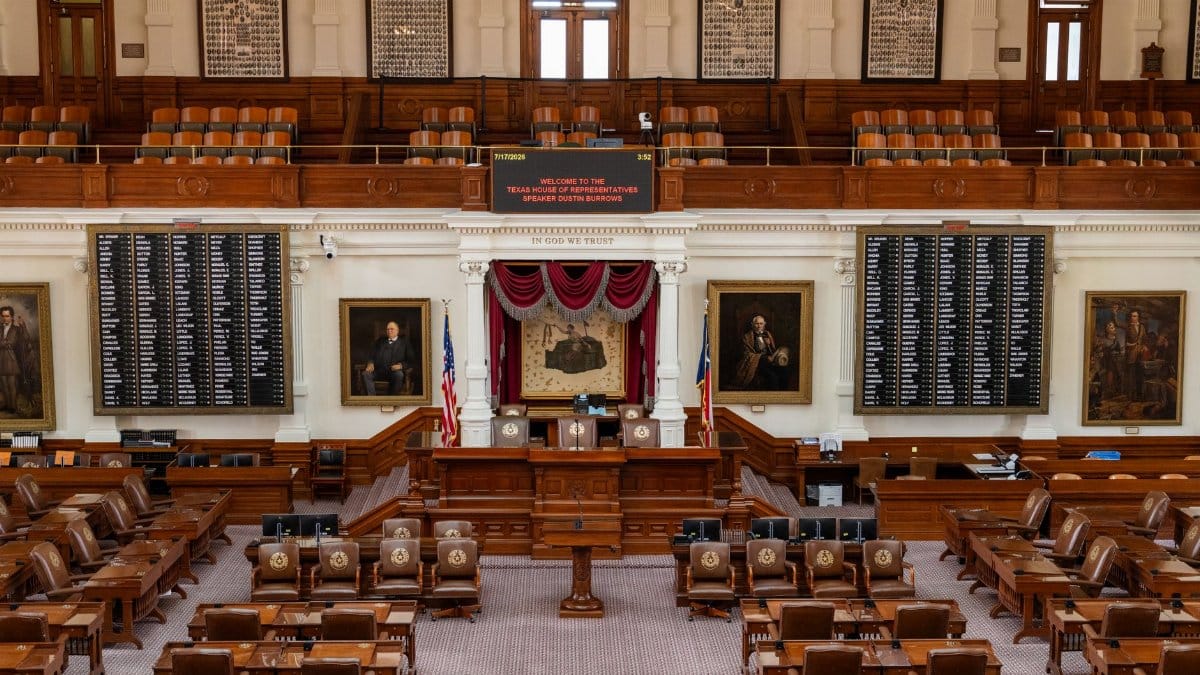
Budget discussions in Annapolis increasingly reference mental health infrastructure as a priority area. Proposals range from expanding telehealth options for initial screenings to recruiting more forensic psychiatrists through loan forgiveness incentives. Lawmakers weigh these ideas against competing demands in education and transportation.
Looking Ahead to Sustainable Solutions

Stakeholders agree that incremental adjustments alone will not resolve the core mismatch between need and supply. Comprehensive planning that involves health departments, courts, and advocacy organizations appears essential. Without such steps, psychiatric care delays will likely continue to shape outcomes in Maryland’s justice system for years to come.