

In the bustling terminals of Boston Logan International Airport a sudden technical glitch brought operations to a halt one recent Sunday evening highlighting the intricate dependencies of modern air travel. The Logan Airport Fueling System Ground Stop served as a reminder of how even minor issues can ripple through the system leaving passengers and crews waiting for clarity amid the evening rush.
The Sequence of Events at Logan

Reports from Massport indicate that the problem originated in the underground fueling infrastructure shortly after dusk. Crews detected an anomaly in pressure readings which prompted an immediate halt to refueling activities across multiple gates. Flights already queued for departure were held in place while technicians assessed the situation. Within minutes air traffic controllers issued the ground stop to ensure safety protocols remained intact. The measure affected dozens of aircraft preventing any takeoffs until the core issue received a full review.
Immediate Effects on Flight Schedules
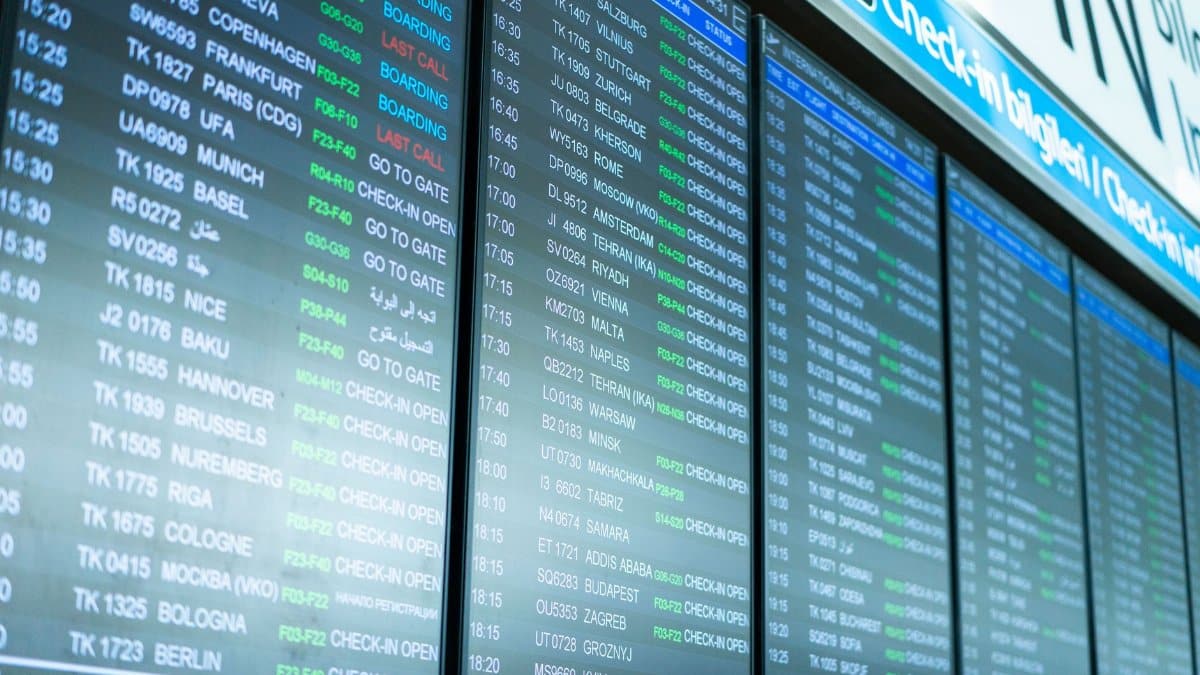
Delays cascaded quickly through the evening timetable with many carriers adjusting departure times by an hour or more. International routes faced the longest waits as fuel requirements proved more complex for longer hauls. Domestic connections saw shorter disruptions yet still created missed connections for travelers heading onward. Massport coordinated with airlines to prioritize medical and urgent cargo flights minimizing broader ripple effects where possible.
Massport Response and Coordination
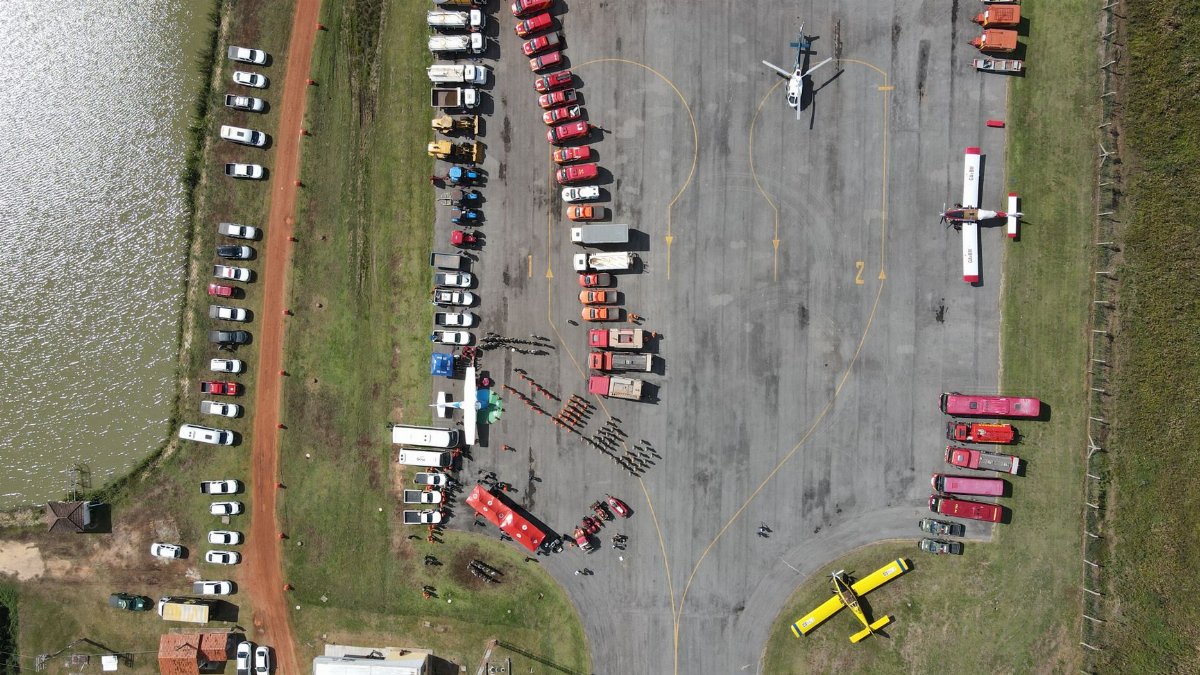
Officials from the Massachusetts Port Authority activated their incident command structure without delay. Engineers worked alongside federal aviation representatives to isolate the fault and confirm no broader risks existed in related systems. Updates flowed regularly to airline partners and the public through established channels. This structured approach helped restore normal fueling operations within a few hours allowing the ground stop to lift before midnight.
Technical Aspects of the Fueling Infrastructure
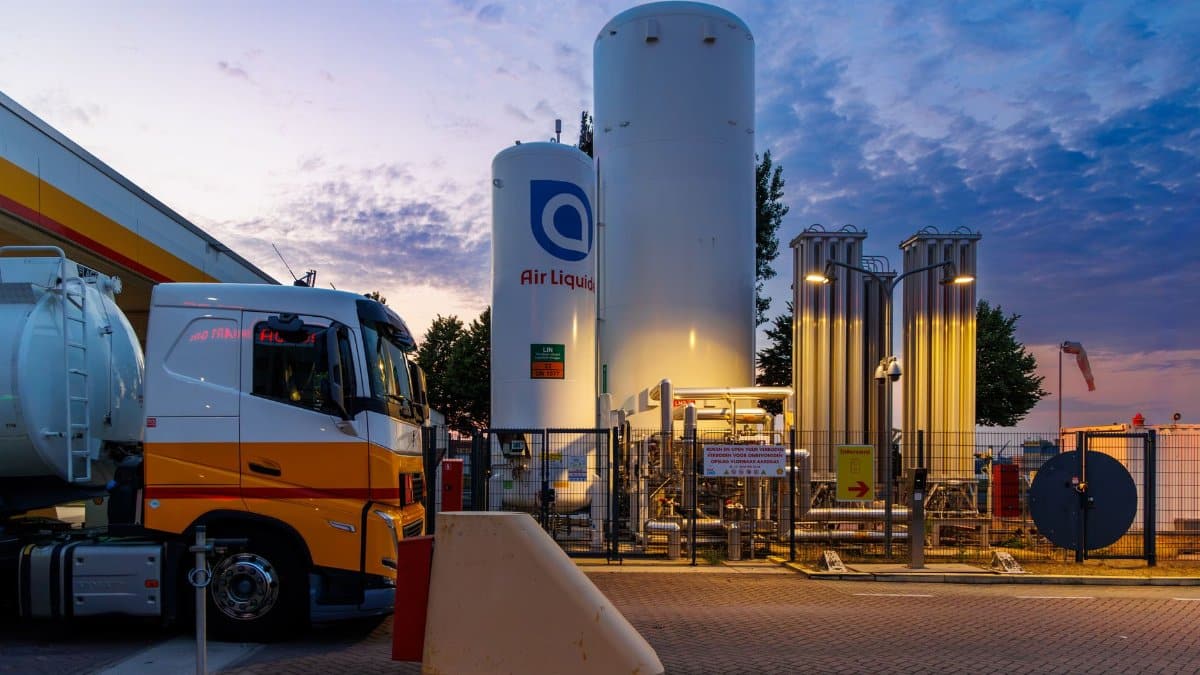
The airport relies on a network of pipelines and pumps designed for high volume throughput during peak periods. Sensors monitor flow rates and detect irregularities that could signal leaks or blockages. In this instance a calibration drift in one monitoring unit triggered the shutdown sequence. Such safeguards exist to prevent potential hazards though they occasionally lead to conservative pauses in service.
Passenger Experiences During the Pause

Travelers described a mix of frustration and understanding as announcements clarified the safety driven reason for the hold. Some used the time to contact family members or rearrange ground transportation. Airport staff distributed water and snacks to those waiting near gates. The overall atmosphere remained calm with few reports of escalated complaints once the timeline for resumption became clear.
Historical Patterns in Airport Operations
Logan has managed similar technical interruptions in past years often tied to weather or equipment checks. Each episode prompts reviews that strengthen response times. Sunday night marked one of the quicker recoveries reflecting investments in redundant monitoring tools. These events underscore the constant balance between efficiency and caution in busy hubs.
Safety Protocols and Regulatory Oversight

Federal guidelines require immediate grounding when fueling systems show anomalies. Massport adheres to these standards with regular drills that simulate such scenarios. The Sunday incident tested those preparations and demonstrated their value in containing disruptions. No injuries or environmental concerns arose from the event.
Broader Implications for Regional Travel

With Logan serving as a key gateway for New England the brief stop influenced connecting traffic at smaller regional airports. Airlines adjusted crew schedules and aircraft rotations to absorb the impact. Business travelers in particular noted the importance of flexible planning when relying on major hubs for tight itineraries.
Looking Ahead to Infrastructure Upgrades
Authorities plan to examine sensor calibration procedures as part of ongoing maintenance cycles. Potential enhancements include additional backup monitors to reduce false positives in anomaly detection. Such steps aim to preserve safety margins while limiting unnecessary pauses in future operations.
Reflections on System Resilience

Incidents like the Logan Airport Fueling System Ground Stop illustrate the hidden complexities behind everyday flights. They also reveal the dedication of teams that work to resolve issues swiftly. As air travel volumes grow these lessons help shape more robust networks for all who depend on them.