
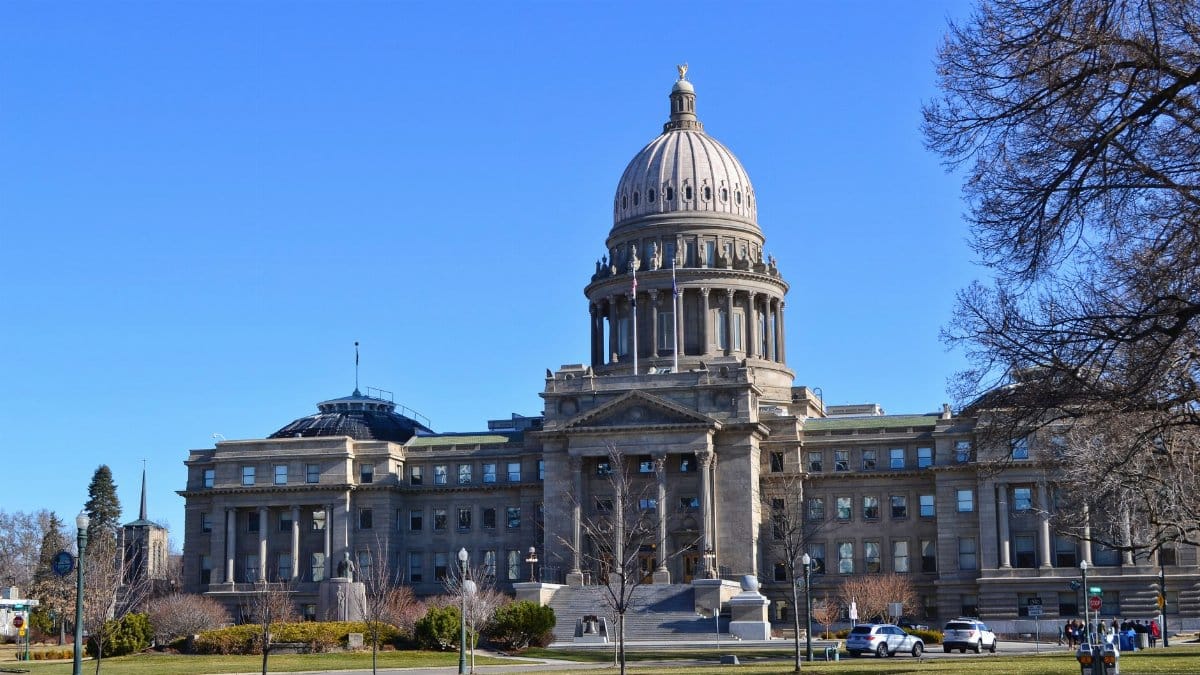
In the halls of Lansing lawmakers worked through the night to finalize critical spending plans. The Michigan State Budget 2026 emerged from intense debates over education funding and infrastructure needs. Observers noted that the outcome reflected both compromise and lingering tensions among legislators from different regions and political backgrounds. The process drew attention from advocacy groups focused on schools healthcare and roads who all sought to shape the final document.
Background on Legislative Negotiations
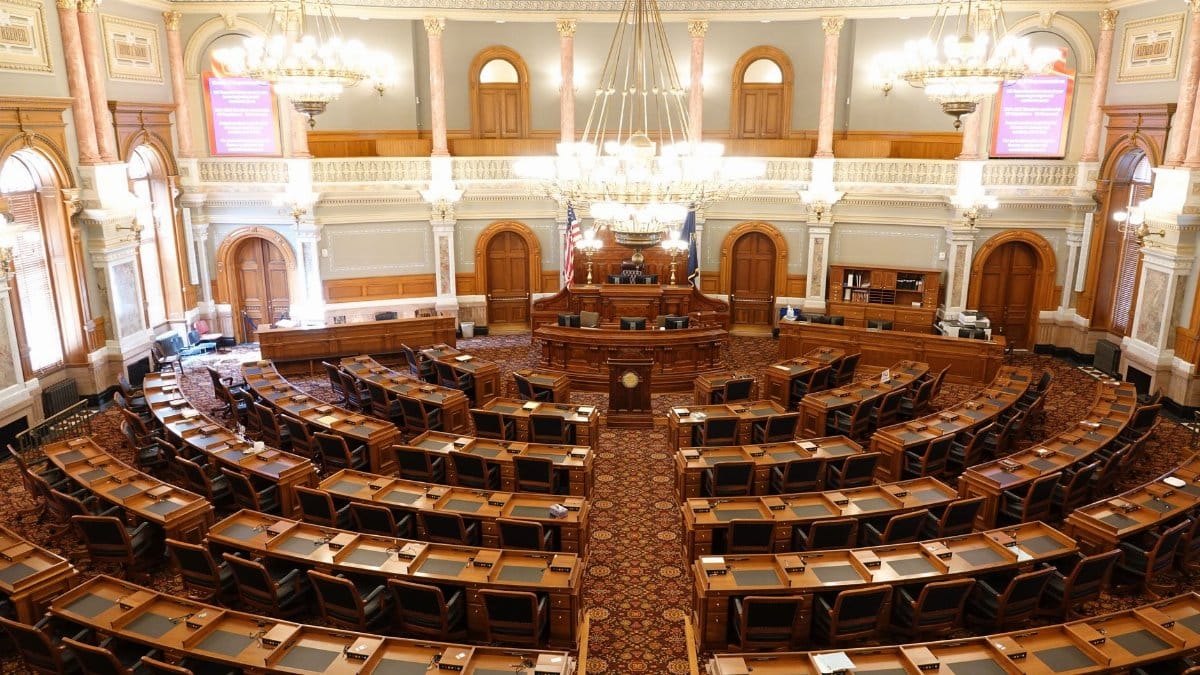
Lawmakers faced pressure to address rising costs in several core areas of state operations. Discussions extended beyond initial deadlines as representatives sought agreement on revenue projections and expenditure limits. The final package balanced requests from urban and rural districts alike while incorporating adjustments based on recent economic data.
Allocation for Public Education Programs

Significant resources went toward supporting schools across the state with emphasis on teacher salaries and classroom supplies. Districts in growing communities expressed satisfaction with increased per pupil funding while others highlighted ongoing challenges in meeting special education requirements. Analysts suggest these investments could influence student outcomes over the coming years.
Healthcare Access and Related Funding
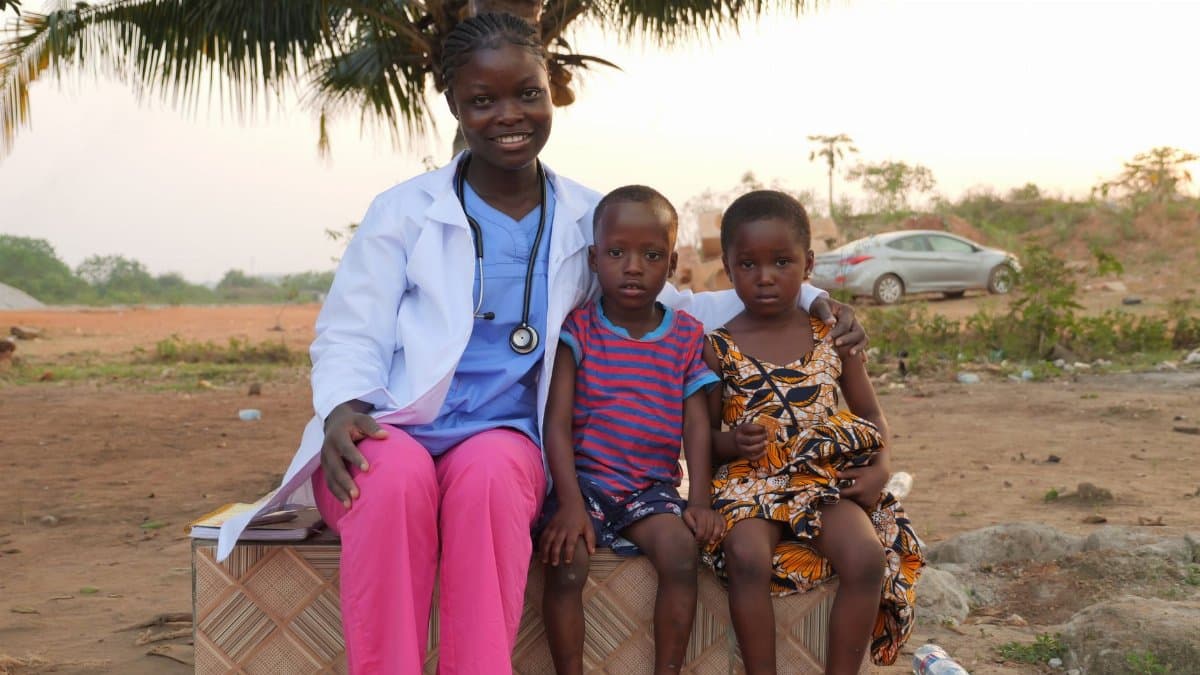
Provisions addressed expansion of medical services particularly in underserved counties. Officials allocated support for mental health initiatives and preventive care measures aimed at reducing longterm expenses. Community organizations welcomed the commitments though some called for further monitoring to ensure effective distribution of resources.
Infrastructure Projects Across Regions
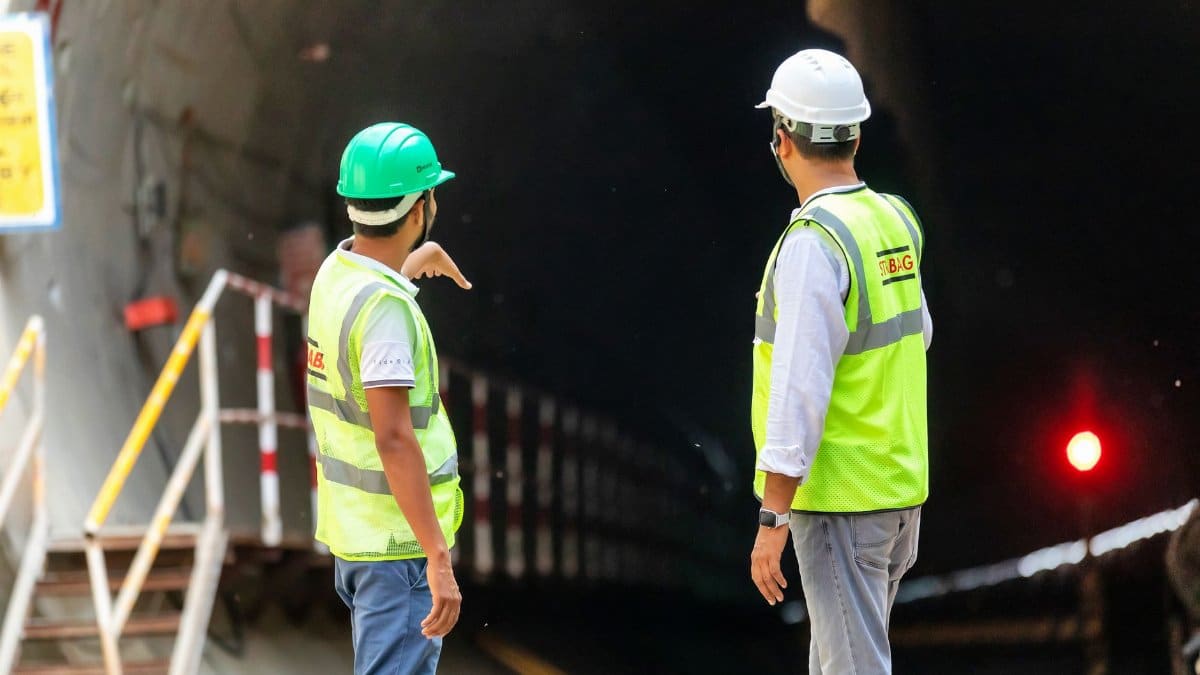
Road repairs and bridge maintenance received dedicated sums to tackle aging systems that affect daily commutes and commerce. Planners prioritized routes with high traffic volumes yet rural connectors also gained attention after persistent advocacy. These efforts align with broader goals of economic connectivity throughout Michigan.
Revenue Sources and Fiscal Projections
The budget relies on a mix of tax collections and federal contributions to meet targets. Economists reviewed assumptions about employment trends and consumer spending to gauge stability. Adjustments were made to account for potential fluctuations in key industries such as manufacturing and tourism.
Reactions from Advocacy Groups

Organizations representing families students and businesses offered varied assessments of the approved measures. Some praised targeted increases in social services while others questioned whether certain areas received adequate attention relative to population growth. Public forums held after passage allowed for continued dialogue on implementation details.
Impacts on Local Governments
Cities and townships stand to benefit from shared revenues that support police fire and parks departments. Officials in smaller communities noted the importance of predictable state aid for planning purposes. Coordination between state and local levels will determine how smoothly programs roll out in practice.
Future Considerations for Policymakers

Attention now turns to oversight mechanisms and potential revisions as new data emerges. Lawmakers indicated willingness to revisit aspects of the Michigan State Budget 2026 if economic conditions shift substantially. Bipartisan committees may play a role in tracking progress on stated objectives.
Comparative Context with Prior Cycles

Observers compared the current framework to earlier budgets noting differences in emphasis on technology integration and workforce development. Such evolutions reflect changing demographics and priorities within the state. Lessons from past implementations informed several provisions in the latest version.