

Recent elections across Michigan have highlighted how local funding measures can reshape opportunities for young residents and their families. Voters in several counties approved new property tax levies known as millages to support early education and related services. This approach to Michigan Millages Child Funding reflects a growing recognition that targeted local resources can address gaps in state support for child development programs. Communities are weighing the costs against potential gains in school readiness and family stability.
Origins of Local Tax Measures in Michigan

Property tax levages have long served as tools for funding specific public needs in the state. Counties turned to these measures when broader state budgets fell short for youth initiatives. The pattern shows residents often favor dedicated streams for child programs over general taxation.
County Examples and Recent Votes

Multiple areas including those around Detroit and Grand Rapids passed proposals in the latest cycle. These approvals direct revenue toward preschool access and counseling services. Turnout in some precincts exceeded expectations as advocates emphasized measurable returns on investment.
Allocation of Funds to Education Programs

Revenue from approved millages typically flows to local districts and nonprofits. Priorities include expanding classroom seats for younger children and training for caregivers. Officials track outcomes through enrollment data and parent surveys to ensure accountability.
Impact on Family Support Networks

Beyond classrooms the funds bolster home visiting and parent education efforts. These services help families navigate early challenges such as developmental delays. Reports from participating counties note improved attendance rates once support systems strengthen.
Challenges in Implementation and Oversight

Local governments must navigate legal requirements for spending transparency. Some districts face delays in hiring qualified staff or securing facilities. Regular audits aim to maintain public trust in how Michigan Millages Child Funding operates year after year.
Comparisons With Statewide Approaches

Unlike uniform state grants these county measures allow customization to regional needs. Rural areas might focus on transportation while urban zones emphasize afterschool options. This flexibility sets Michigan Millages Child Funding apart from centralized models.
Public Opinion and Voter Motivations

Surveys indicate support stems from concerns over future workforce quality. Middle aged residents often cite personal experiences with underfunded schools. Campaign messaging stressed long range community benefits without promising immediate tax relief.
Economic Considerations for Taxpayers
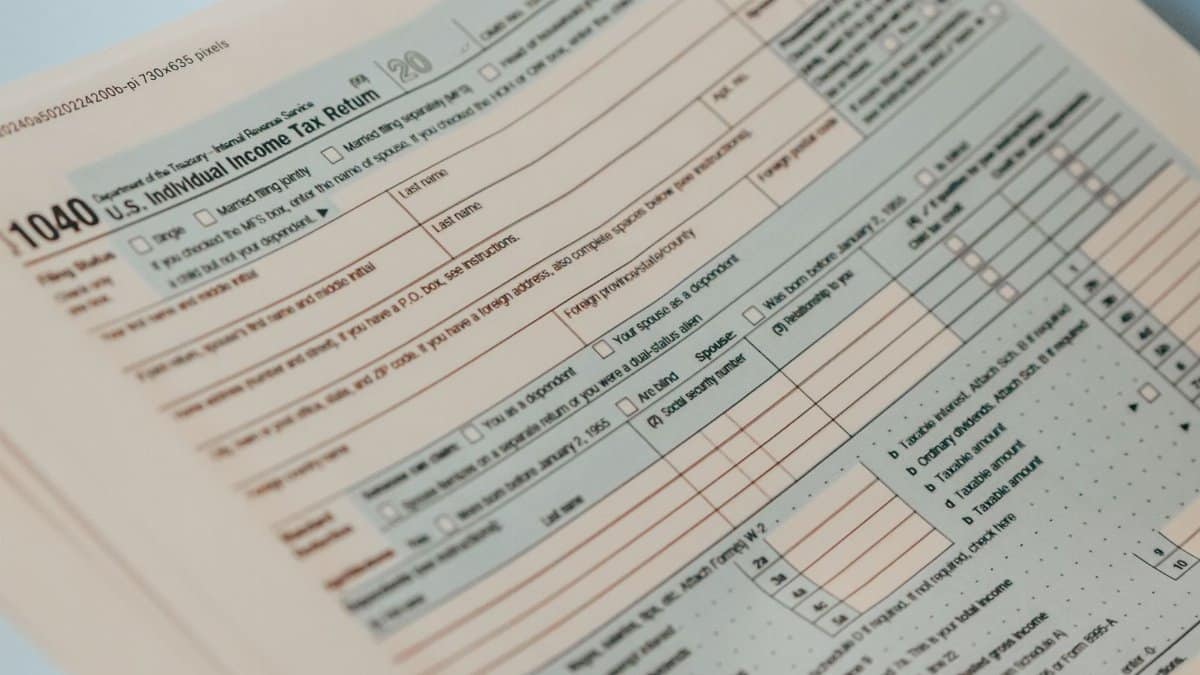
Millage rates vary but typically add modest amounts to annual bills. Proponents argue the expense yields savings through reduced future remediation costs. Economic analyses project modest growth in local productivity as children progress through better prepared pathways.
Future Prospects for Expansion

Advocates plan similar proposals in additional counties during upcoming cycles. Success in early adopters may encourage broader adoption. Discussions continue about integrating these efforts with federal grants to stretch resources further.
Lessons From Comparable Initiatives Elsewhere

Other states have seen mixed results from dedicated child levies. Success often hinges on clear metrics and community involvement. Michigan observers study these cases to refine their own strategies for Michigan Millages Child Funding sustainability.