
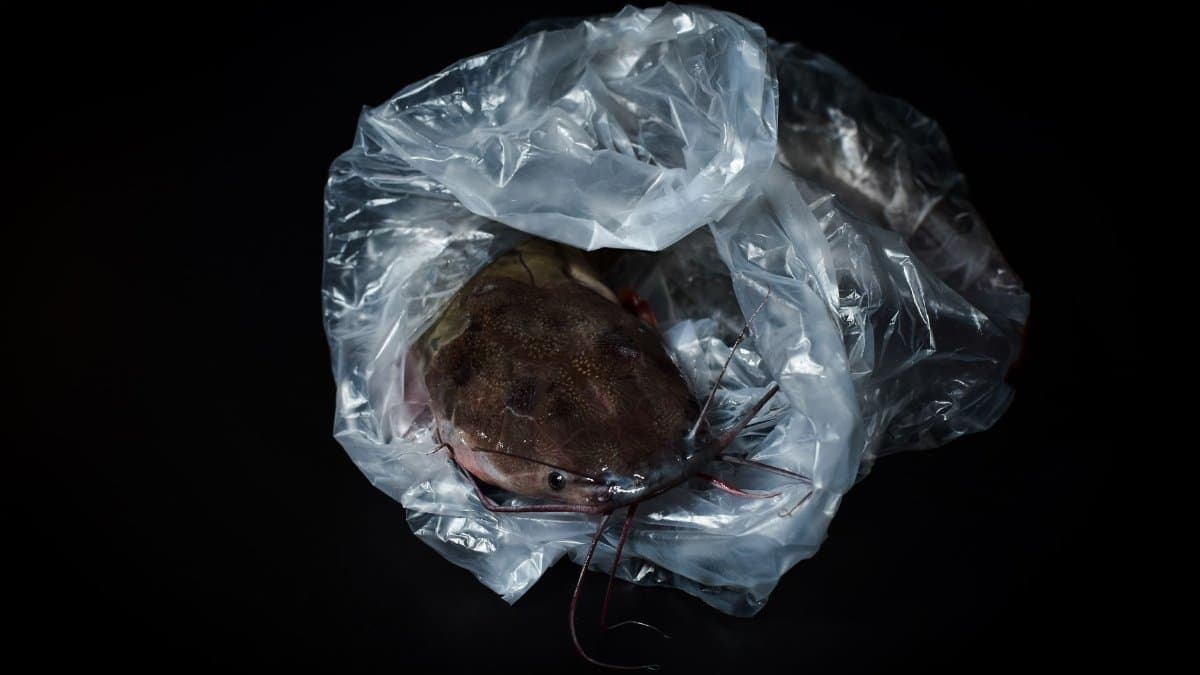
In the shifting tides of the Chesapeake Bay a persistent invader has prompted state leaders to turn to the dinner table as one line of defense. Anglers and chefs alike now face calls to embrace a new approach that pairs environmental management with everyday meals. Officials see this as a practical step forward and the latest blue catfish promotion builds on years of smaller scale experiments to expand consumer interest across restaurants and markets.
Origins of the Invasive Presence

Blue catfish arrived in Maryland waters decades ago through deliberate stocking efforts aimed at creating new fishing opportunities. Over time the species adapted all too well to local conditions and began to outcompete native fish for food and habitat. Watermen noticed the shift first as catches of traditional species declined while the newcomers multiplied rapidly.
Current Scale of the Population

Surveys from state biologists show the blue catfish now occupy most major tributaries and extend into the main stem of the bay itself. Their ability to tolerate varying salinity levels allows them to spread farther than many expected. This expansion has altered the balance of the aquatic food web in ways that continue to concern researchers who track species interactions.
State Agency Response Strategies

Maryland natural resource departments have coordinated with local partners to develop removal programs that include both commercial harvest and recreational incentives. These initiatives focus on reducing numbers through sustained fishing pressure rather than chemical or mechanical controls. Coordination with neighboring states helps align rules so that efforts on one side of a river do not simply push the fish elsewhere.
Role of Commercial Fishers
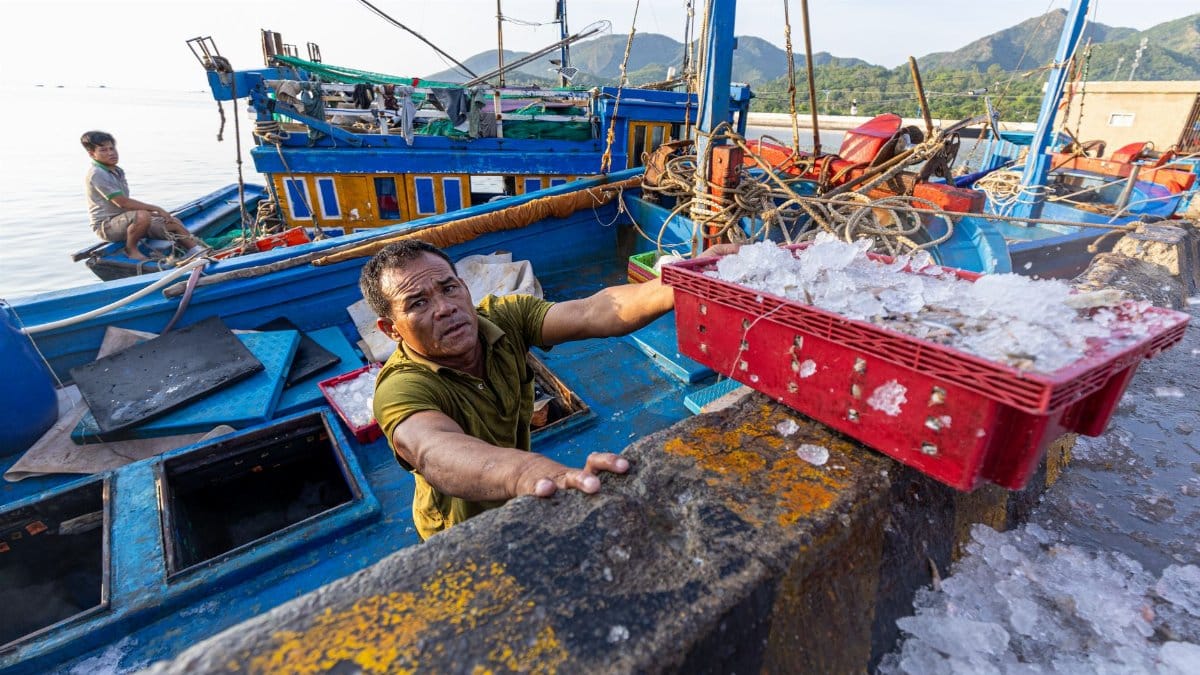
Processors and wholesalers have begun to explore new product forms that make the fish more appealing to buyers who previously avoided it. Fillets and value added items appear on more wholesale lists as volume increases. The industry views steady demand as essential to making removal financially viable for those who earn their living on the water.
Restaurant Adoption Patterns

A growing number of chefs in Baltimore and Annapolis have added the fish to menus in creative preparations that highlight its firm texture. Diners who try it often express surprise at the mild flavor which lends itself to familiar dishes. Establishments report that clear labeling about the environmental benefit helps overcome initial hesitation from customers.
Consumer Awareness Campaigns

Public messaging emphasizes the link between eating the fish and protecting native species. Materials distributed at markets and festivals explain how increased harvest supports bay health without relying on regulatory restrictions alone. The ongoing blue catfish promotion seeks to normalize the choice much as other sustainable seafood options have gained acceptance over time.
Potential Economic Effects

Expanded harvest could create additional revenue streams for watermen facing declining traditional catches. At the same time it may reduce pressure on overfished native populations and support a more diverse commercial fishery. Economists tracking coastal communities note that new markets take time to stabilize yet offer one path toward resilience.
Environmental Monitoring Needs

Biologists stress that any promotion effort must pair with careful data collection to ensure the overall ecosystem responds as intended. Tracking changes in native fish abundance and water quality remains central to evaluating success. Without such oversight the risk remains that one problem could give way to another unforeseen consequence.
Future Outlook for Regional Waters

Continued expansion of the blue catfish promotion will likely depend on consistent supply chains and positive dining experiences that build repeat purchases. State agencies plan to adjust tactics based on harvest reports and ecological indicators gathered each season. The approach represents one chapter in a longer effort to restore balance to an iconic American estuary.