
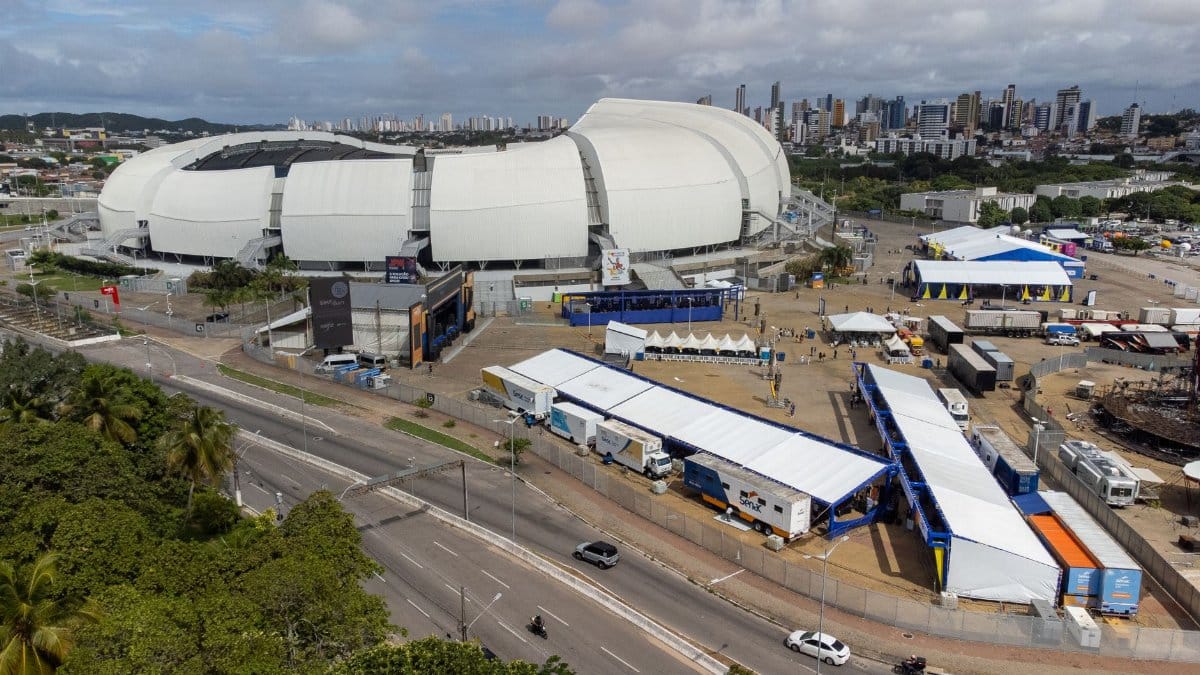
On a humid Sunday night in Brasília, the graphics on the big networks stayed frozen long after the candidates had left their stages. One name sat a little ahead. The other sat close enough that no honest anchor could call the race finished. Under Brazilian rules a president must clear half the valid votes or the country returns to the polls. That is why the Brazil presidential runoff, scheduled for Oct. 25, has become the real election, not a footnote to a night that felt decisive and was not.
A night that refused a verdict

Brazilians have seen this shape of evening before. The country elects its president by majority, not by a simple lead, and the first round often functions as a sorting mechanism rather than a coronation. This time the sorting left two names standing in a contest close enough to humble both campaigns. Flávio Bolsonaro, a senator and the son of former president Jair Bolsonaro, finished ahead of President Luiz Inácio Lula da Silva by a margin measured in a couple of points, roughly 47 percent to 45 percent. The rest of the field took what remained. In a system that treats 50 percent as the door to the palace, a lead is a headline and a majority is a mandate. Brazil did not hand anyone the second thing.
The arithmetic of a majority

The rule is plain and older than the personalities now attached to it. If no candidate wins more than half of the valid votes, voters return for a second round between the top two. Blank and null ballots do not count toward that half, which is why television graphics and kitchen table arguments sometimes diverge. A candidate can look stronger on raw votes than on the valid share that matters, or the reverse. What the official picture showed on this night was simpler than the arguments: neither man cleared the bar. That is the entire legal reason the Brazil presidential runoff exists. Everything else, the rallies, the pastor videos, the market notes, is commentary on a constitutional fact.
A son steps into a father’s shadow
Flávio Bolsonaro did not invent the political family he now leads at the ballot box. His father remade the Brazilian right, survived an assassination attempt, governed through a pandemic, and left office after a narrow loss to Lula. The son has his own record in the Senate and a style that admirers call disciplined and critics call inherited. Internationally he is read as a Trump ally, a politician comfortable with a populist vocabulary of order, faith, and suspicion of elites. That reading is useful and incomplete. Brazilian voters are not casting a proxy ballot in an American drama. They are judging prices, crime, pensions, and whether the Bolsonaro name still feels like protection or like unfinished trouble. The first round suggests the name retains extraordinary reach. It does not yet say the reach is enough.
Lula and the weight of a long public life

Lula is not a new argument. He is a former metalworker, a two time president, a man imprisoned and then returned to the Planalto, and now an incumbent asking for more time. Supporters see continuity: social programs, a calmer tone abroad, a state that still tries to bargain with Congress rather than denounce it. Opponents see fatigue, coalition deals that smell of the old Brasília, and a president whose age and legal history remain live issues even after courts restored his political rights. Coming in a close second is not a collapse. It is a warning. Incumbents who expect gratitude often meet arithmetic instead. Lula’s coalition must now decide whether the second round is a defense of institutions, a plea about the economy, or a referendum on his rival’s father. Those are different speeches. A campaign that tries to give all of them at once can sound like none of them.
Money, jobs, and the patience of voters
Presidential races in Brazil are never only about biography. They are about the supermarket receipt. Inflation has cooled from its worst stretch, but memory of high prices lingers longer than any monthly index. Unemployment figures can improve while informal work and long commutes still define a life. Investors watch the real, the interest rate path, and whether the next government will treat fiscal rules as a promise or as a suggestion. Neither leading candidate is a blank page on those questions. Lula’s governments expanded social transfers and also, in different periods, courted markets when politics required it. The Bolsonaro years mixed a liberal economic team with a president who preferred culture war to budget lectures. Between now and late October, business leaders will speak softly and reprice risk every time a poll moves. Voters will do the same with rent and bus fare, which do not wait for inauguration day.
Pulpits and the language of moral choice
If this election has a spiritual weather, it is not confined to one denomination. Brazil remains the largest Catholic country in the world and, at the same time, one of the great stages of evangelical growth. Pastors and priests do not deliver the presidency. They do shape the words people use when they talk about family, corruption, and who is allowed to speak for the poor. In many congregations the Bolsonaro movement has felt like recognition: a politics that names faith without embarrassment. In others, including parts of the Catholic social tradition and a quieter evangelical left, Lula still represents bread, dignity, and a suspicion of strongman manners. The Brazil presidential runoff will test whether those religious maps are stable or whether pulpits are more divided than campaign memes admit. An honest account has to hold both facts. Faith is not a bloc. It is an argument happening inside churches that also run food pantries and drug recovery rooms, far from the studios in São Paulo.
How the world reads a Brazilian ballot
Foreign capitals have their own bad habit of flattening Brazil into a morality play. Washington hears “Trump ally” and reaches for a familiar script. European governments hear Lula and remember climate talks and a preference for multilateral rooms. Neighbors in South America hear something more practical: trade, borders, and whether Brasília will be predictable. All of those readings contain a piece of truth and a piece of vanity. Brazil is a continental power with its own arguments about the Amazon, China, the United States, and the role of its armed forces. The weeks ahead will produce endorsements, warnings, and a flood of English language commentary that Brazilians will mostly ignore. What they may not ignore is the tone. A country already raw from polarized years does not need foreign applause for one side dressed up as concern for democracy. Concern is fair. Cheerleading is not analysis.
The weeks between the two votes

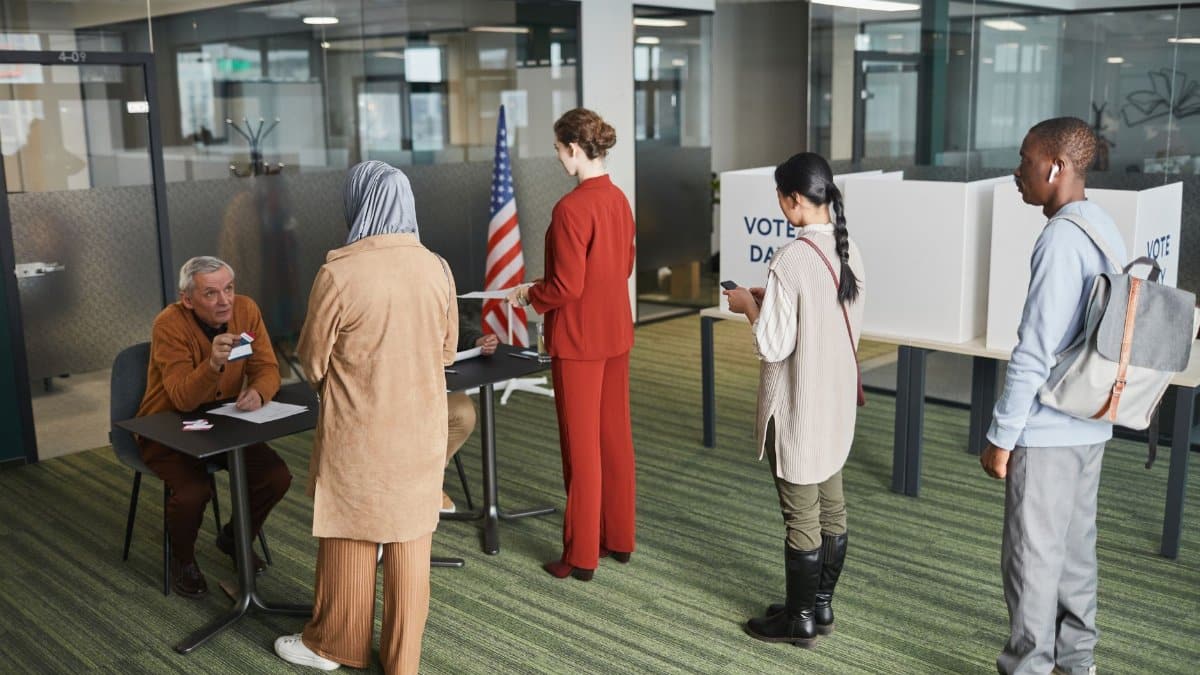
Second rounds change candidates because the audience changes. Voters who chose a minor candidate must now pick a finalist or stay home. That is where endorsements matter, and where they often fail. A party baron can deliver a press conference more easily than a neighborhood. Campaigns will hunt the undecided in the big interior cities and in the outskirts of Rio de Janeiro and São Paulo, where a few points decide history. Debates, if the candidates agree to them, will be less about introducing a person and more about forcing a mistake. Legal fights over ads and social networks are likely, as they have been in recent cycles. The healthiest version of the next month is boring: clean counting, loud argument, no street theater that treats a rival voter as an enemy. Brazil has the institutions to do this. It also has the recent memory of how quickly rumor outruns an official statement.
What Oct. 25 can settle and what it cannot
The Brazil presidential runoff can produce a winner. That is its job. It can also confer a legitimacy that a mere plurality does not, because the loser will have had a second chance to make the case and the winner will have cleared the constitutional line in front of the country. It cannot, by itself, shrink the distance between the roughly 47 percent and the roughly 45 percent into a shared project. A president who wins by a whisper still has to govern a Congress that was elected on its own logic, a court system that has become a political actor in the public mind, and a public that refreshes its anger on a phone. Oct. 25 will answer who occupies the Planalto. It will not answer how that person persuades the nearly half of voters who wanted someone else. That work starts the morning after, and it is slower than any campaign.