
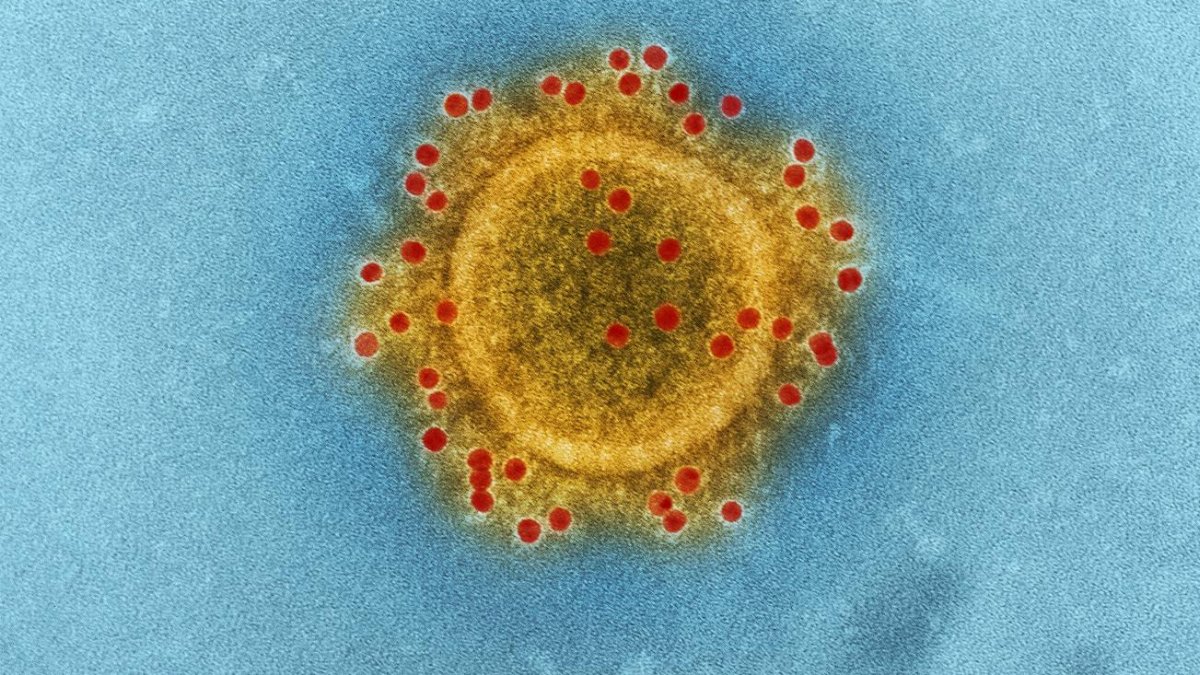
In the bustling cities and quiet towns across California an age old illness many believed was fading into history has returned with unexpected force. Health authorities have confirmed a disease 12 year high in tuberculosis cases marking the largest spike in more than a decade. Fresh data released by federal officials reveal intense clusters of infection concentrated among the unhoused people living with compromised immune systems and communities already facing economic hardship. The numbers force a reckoning with how quickly progress against a treatable condition can erode when vigilance slips. What emerges is not simply a public health alert but a mirror reflecting deeper societal choices about who receives protection and care.
The Surprising Surge in Tuberculosis Cases
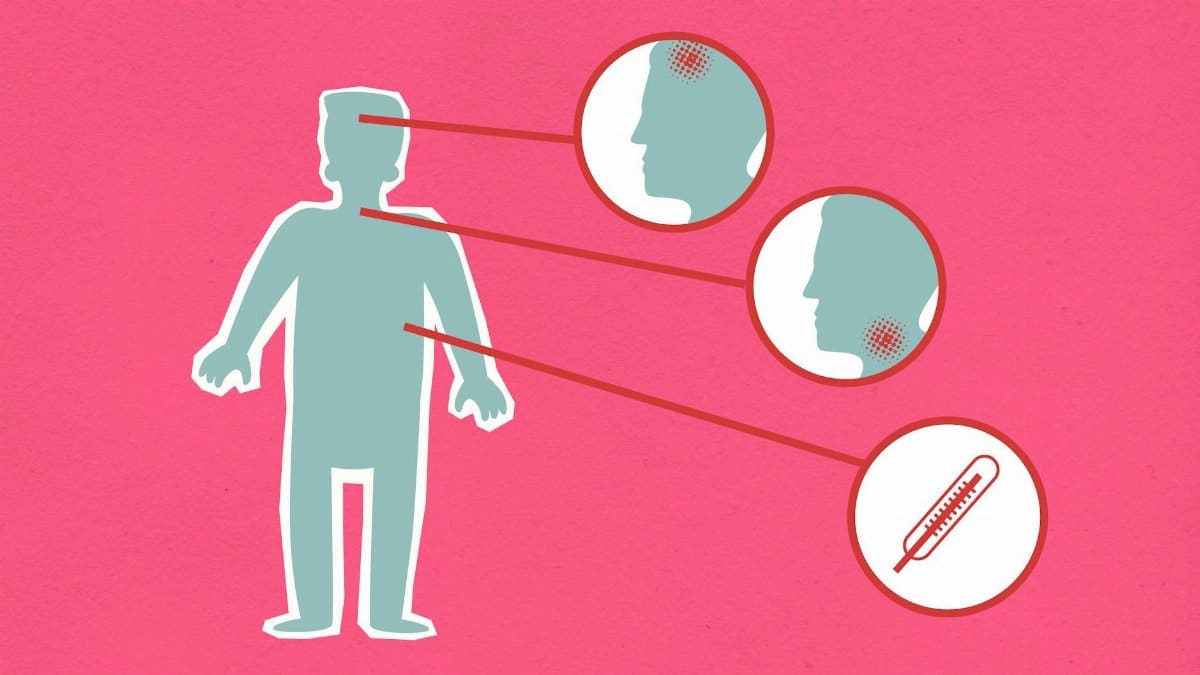
California recorded more than 2100 tuberculosis cases last year according to state health department tallies the highest total since 2011. This represents a 15 percent jump from the previous year and a continuation of an upward trend that began after pandemic related disruptions interrupted routine screening and treatment. Urban centers like Los Angeles San Francisco and San Diego have shouldered much of the burden yet smaller counties are also seeing increases that stretch local resources thin.
Experts point to several converging factors. Reduced access to medical services during the height of COVID19 left many latent infections undetected. When those infections progressed to active disease they spread more easily in crowded conditions. The figures align with national patterns but California stands out for both the scale and speed of its resurgence. Public health teams now conduct exhaustive contact tracing often interviewing hundreds of people per outbreak to map transmission chains that cross neighborhoods and even state lines.
Understanding the Vulnerable Populations Affected

The human face of this disease 12 year high is rarely found in comfortable suburbs. Instead it appears in homeless encampments downtown clinics and among recent immigrants who may have arrived carrying latent infections from regions where tuberculosis remains common. Unhoused individuals face three times the risk compared with the general population according to state surveillance data. Malnutrition stress and limited access to clean water weaken immune defenses allowing the bacteria to take hold.
Latino and Asian residents account for a disproportionate share of cases reflecting both demographic patterns and persistent disparities in healthcare access. Many work in essential jobs that offer little flexibility for medical appointments. Language barriers and fear of immigration authorities can further delay diagnosis turning individual illnesses into community outbreaks. These patterns are not random but the predictable result of policies that leave certain populations exposed.
Insights from Recent CDC Reports

New analysis from the Centers for Disease Control and Prevention offers a detailed view of transmission dynamics in California. One cluster in Los Angeles County linked more than 80 cases to prolonged exposure in a single shelter over six months. Genetic sequencing of bacterial samples helped investigators connect seemingly unrelated patients revealing hidden chains of infection that traditional interview methods had missed. The full report is available at cdc.gov.
Another concerning finding involves drug resistant strains. While most cases respond to standard antibiotic regimens a growing minority require months of more toxic medications with difficult side effects. Treatment completion rates among unhoused patients hover below 70 percent raising the specter of further resistance if programs cannot improve support services. Federal health leaders have urged states to treat tuberculosis control as an infrastructure issue no less important than maintaining bridges or power grids.
Historical Context of This Ancient Illness

Tuberculosis has accompanied humanity for thousands of years leaving evidence in Egyptian mummies and Iron Age skeletons. In the 19th century it claimed one in seven lives in Europe and North America before antibiotics transformed it from a death sentence to a manageable condition. The discovery of streptomycin in the 1940s followed by combination therapies brought dramatic declines in wealthy nations.
Yet the bacteria never disappeared. It simply retreated into the shadows surviving in pockets of poverty and neglect. Californians over 50 may remember the last major wave in the late 1980s and early 1990s when HIV co infection and deteriorating social services drove case counts upward. Todays resurgence echoes that period but occurs in a population simultaneously contending with housing shortages opioid use and the lingering health effects of a global pandemic.
The Intersection of Homelessness and Disease Spread
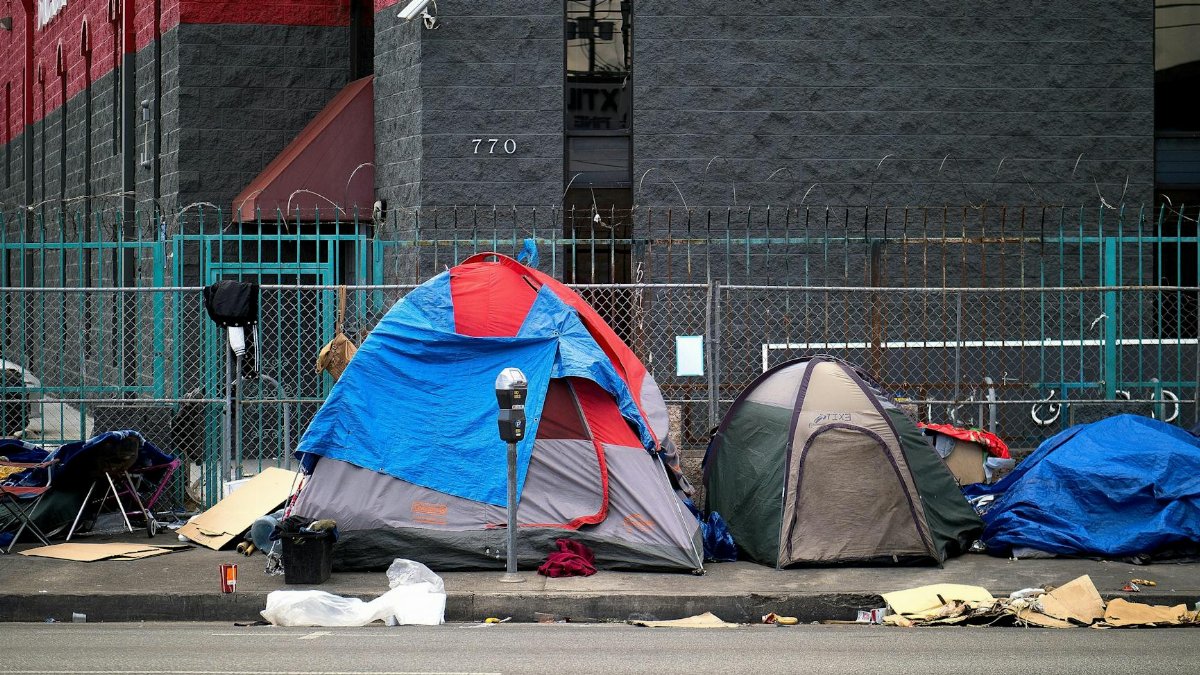
San Francisco officials describe a particularly stubborn outbreak centered on the Tenderloin and South of Market districts. Dense encampments provide ideal conditions for airborne transmission especially during winter months when people crowd together for warmth. One patient with active disease may expose dozens before diagnosis. When that individual also struggles with substance use or mental illness the challenge of maintaining treatment adherence grows exponentially.
Advocates emphasize that housing remains the most effective medicine. Permanent supportive housing not only reduces transmission but creates stability for the long course of tuberculosis therapy which can last six months or longer. Without stable addresses patients miss appointments lose medications and eventually develop resistance. The current crisis therefore cannot be solved by medical intervention alone but demands integrated solutions that address root causes.
Spiritual Communities Mobilizing for Support

Churches mosques and temples across California have quietly stepped into the breach offering testing clinics hot meals and transportation to medical appointments. In Los Angeles Catholic Charities has partnered with county health departments to bring mobile screening units to skid row. Muslim community organizations in the Bay Area provide culturally sensitive education in multiple languages helping dispel stigma that prevents some immigrants from seeking care.
These faith based efforts reflect a long tradition of religious communities caring for those afflicted with contagious disease. From medieval monasteries that sheltered plague victims to 20th century sanatoriums run by religious orders the impulse to offer compassion alongside medicine runs deep. Todays volunteers speak of bearing witness to suffering while affirming the dignity of each person regardless of housing status or immigration background. Their involvement adds a dimension of sustained personal connection that government programs alone cannot replicate.
Barriers to Effective Treatment Programs

Completing tuberculosis treatment requires more than swallowing pills. Patients must attend frequent medical visits undergo laboratory monitoring and avoid spreading infection to others. For someone sleeping in a shelter or on the street these requirements can feel impossible. Side effects ranging from nausea to liver strain further complicate adherence. When patients feel better after a few weeks they sometimes stop medication prematurely allowing resistant bacteria to emerge.
Health departments have responded by expanding directly observed therapy programs in which outreach workers watch patients take each dose. Yet these programs are labor intensive and costly. Budget constraints and workforce shortages limit their reach at precisely the moment when demand has surged. Innovative approaches such as video observed therapy using smartphones have shown promise but work only for patients with reliable technology and housing.
Policy Responses and Their Limitations

State lawmakers recently allocated additional funding for tuberculosis control yet advocates argue the amounts remain insufficient given the scale of need. Proposals to expand affordable housing stock and mental health services face familiar political obstacles. Meanwhile federal support for global tuberculosis programs has fluctuated complicating efforts to reduce the importation of new cases.
California has strengthened screening requirements for certain high risk groups and improved data sharing between counties. These steps represent meaningful progress but experts caution against viewing them as complete solutions. The disease 12 year high did not develop overnight and will not recede without sustained commitment spanning multiple budget cycles and political administrations. Success will be measured not merely by case counts but by reductions in disparities that leave some communities perpetually vulnerable.
Personal Stories from Those Impacted

Maria a 57 year old grandmother from Central America developed a persistent cough after months of living in her car. Diagnosis came only after she collapsed at a food distribution site. Six months of daily medication have cleared her infection but permanent lung damage remains. She now volunteers with a local church helping others navigate the health system that once overwhelmed her.
James spent two years in and out of shelters while battling both tuberculosis and addiction. Directly observed therapy combined with substance abuse treatment finally broke the cycle. He credits the consistent relationships with outreach workers for giving him hope that recovery was possible. Stories like these illustrate that behind every statistic stands a person whose life can turn on the availability of timely compassionate care.
Moving Forward with Renewed Commitment

The current tuberculosis surge in California offers an opportunity to reexamine priorities. Effective tools exist. The bacteria can be defeated with proper medication support and stable housing. What has been lacking is the political will to deploy those tools consistently and equitably. As infection rates climb the moral and practical costs of inaction become harder to ignore.
Faith communities public health workers elected leaders and ordinary citizens each have roles to play. The spiritual traditions that emphasize care for the sick and welcome for the stranger provide powerful motivation for sustained engagement. If this disease 12 year high prompts broader recognition that the health of the most vulnerable determines the health of all it may yet yield positive change that extends far beyond tuberculosis control. The coming months will reveal whether California chooses renewed vigilance or continued drift. The bacteria as always will simply respond to the conditions we create.