
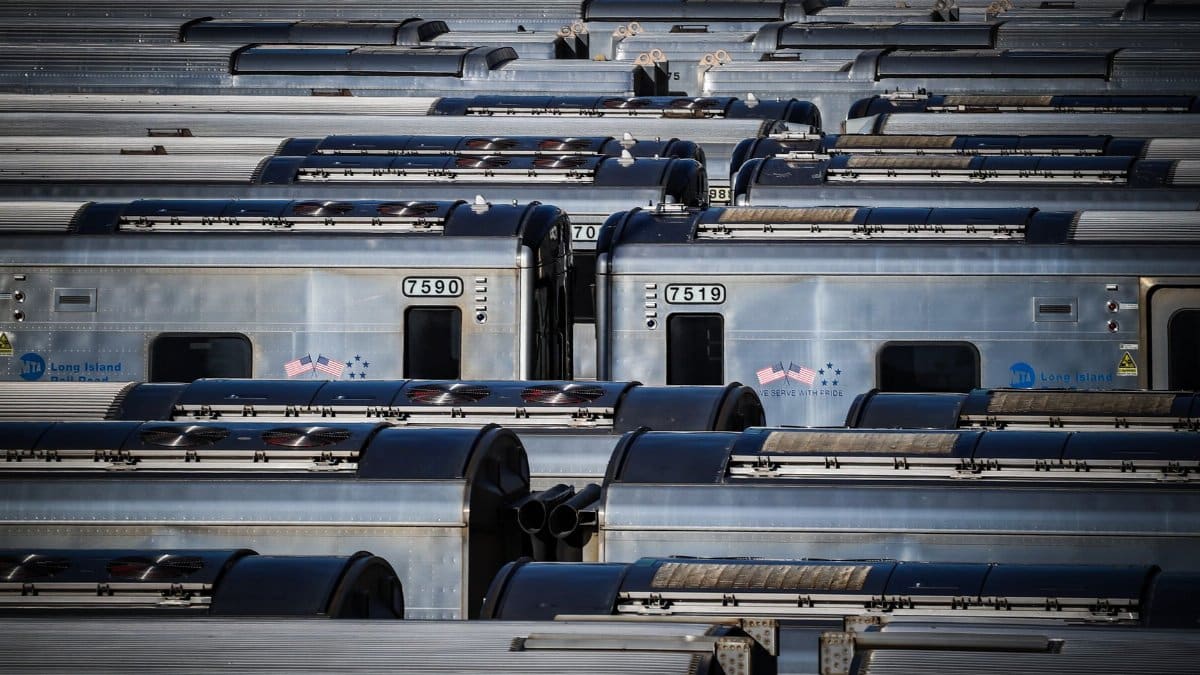
On a raw Monday morning, thousands of Long Island residents will board trains with the quiet calculation that has defined their workweeks for years: will the railroad run, and for how long. The LIRR strike talks set for that same day put that calculation in the hands of negotiators who have spent months circling wages and work rules. For riders, the meeting is not an abstraction. It is the difference between a familiar seat and a scramble for buses, cars, and borrowed time.
What the Monday meeting is meant to do

The session brings the Metropolitan Transportation Authority and the unions that staff the Long Island Rail Road back to the same table after a stretch of public warning and private bargaining. Neither side has described the meeting as a final deadline, yet both understand the calendar. A commuter railroad does not fail in theory. It fails at a platform, in a yard, and in the kitchens of people who planned a week around a printed schedule.
Talks of this kind rarely produce a dramatic handshake in a single afternoon. They test whether the remaining distance is about money, about control of the workday, or about the pride each side carries into the room. Monday is useful because it forces those differences into one place, with mediators and principals present, and with riders already imagining the worst.
Wages and the cost of staying

Pay is the argument the public can follow without a rule book. Railroad crafts have long claimed that their wages lag the cost of housing on Long Island and the pay available in other skilled trades. The authority, for its part, answers to a budget that also covers subways, buses, bridges, and a second commuter railroad north of the city. Every percentage point conceded here becomes a precedent somewhere else.
That tension is older than this round of bargaining. Inflation raised grocery bills and rents faster than many public contracts could follow. Workers who kept trains moving through the pandemic now want that service recognized in base pay, not only in overtime that depends on short staffing. Management wants raises that can be explained to a board and to riders who already pay some of the highest commuter fares in the country.
A deal that looks generous on a press release can still feel thin once health contributions, pension formulas, and the slow climb of steps are counted. A deal that looks austere to labor can still strain an operating budget if it is copied across the system. The LIRR strike talks are, in that sense, a negotiation about arithmetic and about dignity at the same time.
Work rules that shape a shift

Wages draw the headlines. Work rules often decide whether a contract can actually be lived. These provisions govern who can be assigned where, how overtime is offered, what counts as a completed day, and how much flexibility management has when a train is late or a crew is short. To an outsider they can look like fine print. To a conductor, an engineer, or a shop worker, they are the texture of the job.
Unions argue that loosening those rules would erase protections earned over decades and would push more of the operation onto fewer people. The authority argues that some practices lock in inefficiency and make it harder to match service to the way people travel now, with hybrid schedules and uneven peak hours. Both claims can be true in part. A rule that protects safety and rest is not the same thing as a rule that simply preserves an old staffing pattern. Sorting one from the other is slow work, and it is easy to caricature from either side of the table.
Who carries the railroad

The Long Island Rail Road is not staffed by a single union with a single demand. Engineers, conductors, maintenance crews, signal workers, and clerical staff bargain through different organizations, sometimes on different calendars, sometimes with patterns that one settlement is expected to echo. That structure can steady a system. It can also stall it, because a partial agreement still leaves another craft able to halt service.
The people across from them are not abstract managers. They answer to an authority whose fares, subsidies, and capital plans are already under strain from construction costs and from the ordinary decay of tracks, signals, and cars. A strike threat concentrates attention. It does not create new money. It only changes the order in which painful choices are made.
What a stoppage would do to a weekday

A shutdown would not be a local inconvenience. The railroad moves hundreds of thousands of people on a heavy day between Suffolk and Nassau and the job centers of Manhattan, Brooklyn, and Queens. Many of those riders have no practical substitute. Driving would jam the expressways and the tunnels. Buses cannot absorb the volume. Ferries and ride services would become luxuries or bottlenecks.
Hospitals, schools, courts, and small businesses would feel it within hours. So would the workers who cannot perform a job from a kitchen table: nurses, cooks, cleaners, retail clerks, stagehands, and the railroad employees themselves if a walkout lasts. Parents would rearrange child care. Patients would miss appointments that took months to secure. The cost would not show up first as a single dramatic number. It would show up as missed wages, lost sales, and the slow anger of people who did everything asked of them and still could not get to work.
Why a strike is hard to start and hard to forget
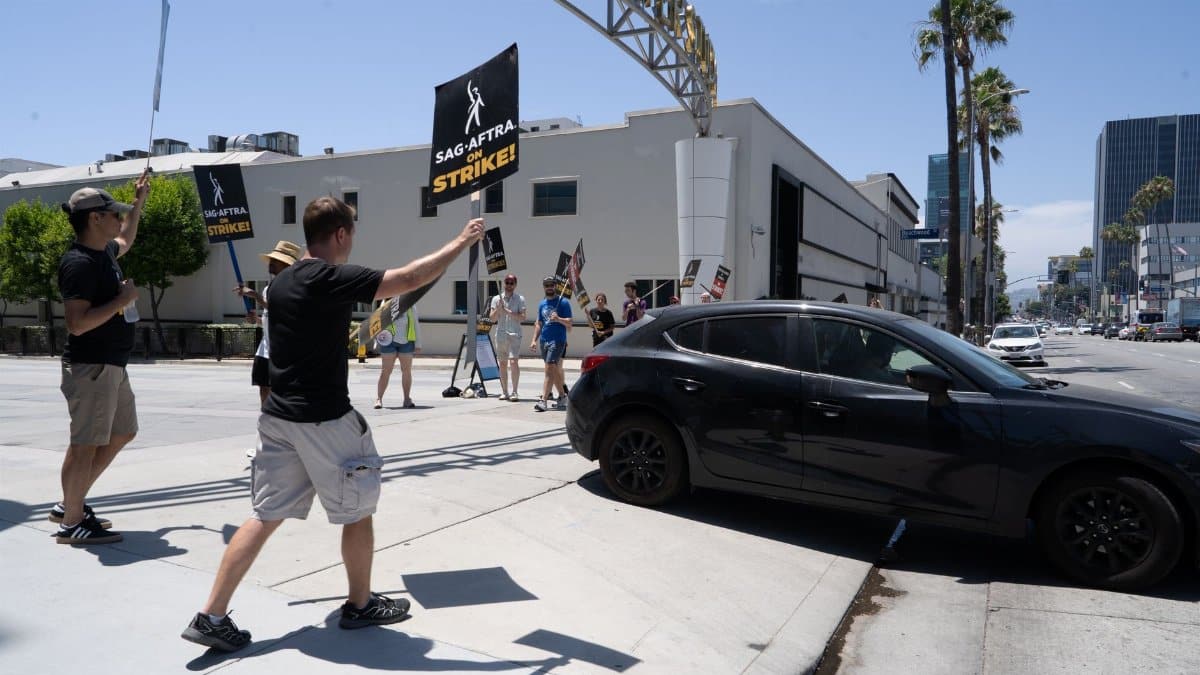
Commuter rail labor disputes in this country sit inside a federal framework that favors bargaining, mediation, and cooling off periods over sudden walkouts. That structure exists because a railroad is not a single shop. It is a public artery. The same structure can frustrate workers who believe delay is a management tactic, and it can frustrate officials who believe public warnings are a bargaining tactic of their own.
History on this railroad makes the memory sharper than the statute books. Riders who lived through earlier threats still talk about them as if they happened last season. Even when trains keep running, the rumor of a stoppage changes behavior. People leave earlier, book hotels, or stay home. Confidence, once shaken, returns more slowly than service.
The rider who has no second plan

It is tempting to treat the dispute as a contest between institutions. The more honest picture includes the person standing on a platform in Hicksville or Babylon with a badge for a job that starts at a fixed hour. That person did not write the work rules and does not vote on the authority budget. That person will pay, in time or in money, for whatever the negotiators fail to settle.
There is also the railroad worker who has already given up evenings and weekends to cover vacancies, and who hears public frustration as a judgment on the uniform rather than on the contract. Both figures are real. A serious account of the LIRR strike talks has to hold them in the same frame, without pretending their interests are identical.
Politics at the edge of the table

No large transit contract in New York is only a labor story. Governors, legislators, and local officials watch because a disruption becomes their problem within a news cycle. Business groups warn about the regional economy. Rider advocates warn that fare hikes will be offered as the silent partner of any raise. Each of those voices has a point, and each can also crowd the people who must initial the pages.
Public comments can narrow the room rather than open it. A leader who promises riders that nothing will change may leave negotiators no path. A union officer who promises members a number that the budget cannot reach may do the same. The useful political act, on a week like this, is quieter: keep the talks going, refuse to score points off a stalled train, and tell the public the truth about what is actually in dispute.
What a durable settlement would contain

A contract that lasts will have to do more than split the difference on a percentage. It will need a wage path that workers can recognize as keeping up with living costs, and a set of rules that still lets the railroad cover trips when someone calls out sick. It will need language on staffing that does not treat exhaustion as a management tool. It will need enough clarity that the next argument does not begin the morning after ratification.
None of that requires theater. It requires documents, costing, and a willingness to say which demands are about safety and which are about advantage. Riders can follow that distinction if someone will explain it in plain speech. They should not have to become amateur mediators to know whether Monday moved anything.
The morning that follows

Whatever is said when the doors open, the railroad will still need crews, cars, and a public willing to trust the next timetable. If the LIRR strike talks produce a framework, the relief will be real and temporary. Contracts expire. Demands return. The measure of this round will be whether both sides left the room able to run a railroad and able to look their own members in the eye.
If the meeting only restates positions, the region should prepare without panic and without illusion. Preparation means honest schedules for contingency service, clear notices at stations, and a refusal to treat stranded commuters as background noise. It also means remembering that a strike, if it comes, will end. The habits of blame can last longer than the missed trains. Monday will not settle the whole future of Long Island commuting. It will show whether the people paid to prevent a crisis still believe they can.