
In a surprising turn of events that underscores the unpredictable nature of global diplomacy a Massachusetts Marine veteran has returned to his home state after more than four years held in Russia. The journey of Robert Gilman Russia from service member to prisoner and now free man reveals layers of personal endurance amid tense international exchanges. His release on humanitarian grounds came after reports of declining health raised concerns among advocates and family members alike. Observers note that such cases often test the limits of negotiation between nations with longstanding differences. The story draws interest not only for its political implications but also for the quiet strength shown throughout the ordeal.
Background of the Detention
The initial arrest occurred during what was described as a routine visit that quickly escalated into formal charges. Details surrounding the events remain disputed with Russian authorities citing violations that the veteran and his supporters have consistently denied. Over the ensuing months legal efforts in multiple venues sought to clarify the situation and secure better conditions for the detainee. Family members maintained a steady presence in public appeals emphasizing the need for fair treatment under international standards.
Health Challenges During Imprisonment
Reports from the period of confinement indicated a steady worsening of physical well being that prompted renewed calls for intervention. Medical access proved limited according to accounts relayed through diplomatic channels. Advocates highlighted how such circumstances can compound the difficulties faced by anyone held far from home. The eventual decision to release on humanitarian grounds reflected these accumulating concerns.
Role of Family and Advocates

Throughout the four year span relatives and supporters worked tirelessly to keep the matter visible in media and government offices. Their efforts included letter writing campaigns and meetings with elected representatives. This network proved essential in maintaining pressure and gathering information from various sources. The collective determination illustrated how personal connections can influence outcomes in complex cross border matters.
Diplomatic Negotiations Involved
Behind the scenes discussions between officials from the United States and Russia formed a critical path toward resolution. Such talks often require careful calibration to address mutual interests while respecting differing legal frameworks. The final agreement for release marked one instance where humanitarian considerations prevailed. Observers suggest that similar approaches may inform future dealings in comparable situations.
Spiritual Reflections on Endurance

Many close to the veteran have spoken of a deepening faith that sustained him during isolation and uncertainty. Prayer groups formed in communities across Massachusetts and beyond offering a sense of connection despite physical separation. This dimension adds a layer of meaning to the broader narrative of resilience. In times of prolonged adversity individuals frequently draw on inner resources that transcend daily routines.
Return and Community Response

Upon arrival back in the United States the veteran received a measured welcome focused on privacy and recovery. Local organizations began exploring ways to assist with reintegration including access to medical care and support services. Community members expressed relief at the outcome while acknowledging the ongoing adjustments required after such an extended absence. Public interest has centered on lessons that might be drawn from the experience.
Broader Implications for International Cases

The episode contributes to ongoing conversations about how nations handle disputes involving private citizens. Patterns in similar detentions reveal recurring challenges around transparency and access to legal representation. Analysts emphasize the value of sustained diplomatic engagement as a tool for addressing individual hardships. Future policies may incorporate insights gained from this and related incidents.
Looking Ahead for the Veteran
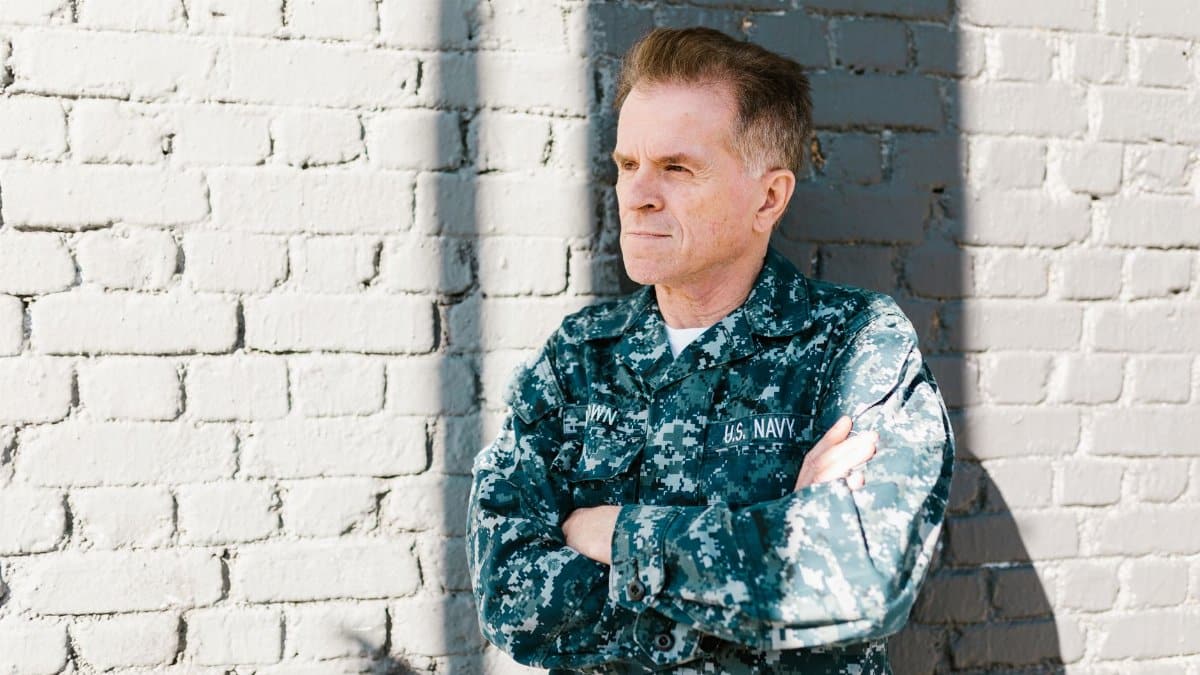
With freedom restored attention now turns to rebuilding a life interrupted by years of confinement. Plans include time with family and possibly sharing insights that could aid others facing parallel difficulties. The experience stands as a testament to the unpredictable intersections of personal stories and global events. Observers will continue to watch developments with interest in how recovery unfolds.